12 Best Countries to Visit in Europe: Top Picks for Your Next Vacation
Published: 28 Jul 2026
Europe is one of the most visited continents in the world, with countries that offer different landscapes, cultures, and travel experiences. From Italy’s ancient landmarks and Greece’s sunny islands to Switzerland’s mountain scenery and Norway’s famous fjords, every destination has something unique to offer.
This guide covers the best countries to visit in Europe, selected for their top attractions, natural beauty, local culture, ease of travel, and overall visitor experience. You’ll also discover the best time to visit each country, must-see places, and practical travel tips to help you choose the right destination for your next European trip.
Quick Facts About the Best Countries to Visit in Europe
- Best overall European destination for first-time visitors: Italy
- Best for history and culture: Italy, France, Greece, Austria
- Best for stunning landscapes: Switzerland, Norway, Iceland
- Best European countries for beaches: Greece, Croatia, Portugal
- Best for food lovers: Italy, France, Spain, Portugal
- Best budget-friendly options: Portugal, Greece, Croatia
- Best time to visit Europe: April to June and September to October
- Best European countries for train travel: Switzerland, Germany, Austria, Italy
- Best destinations for winter experiences: Norway, Iceland, Austria, Switzerland
- Ideal trip length: 7 to 14 days for exploring one or more European countries
1. Italy
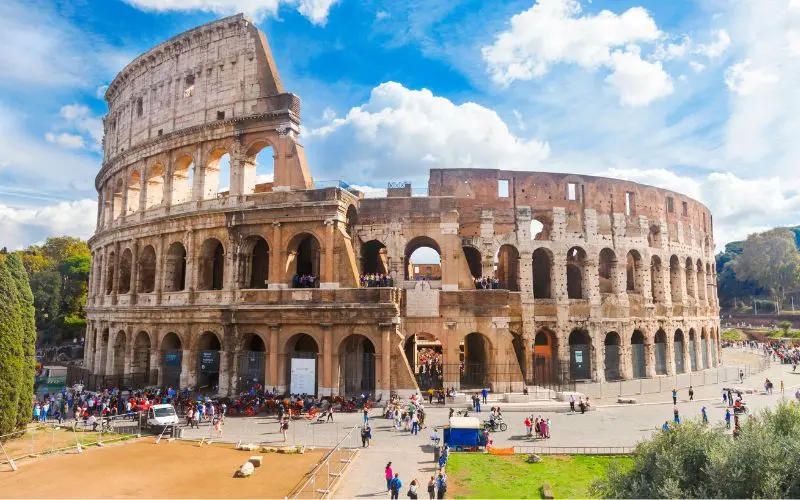
If it’s your first trip to Europe, Italy is one of the easiest places to start. You’ll find ancient landmarks, beautiful coastlines, mountain scenery, and some of the world’s most famous museums within a single country. Trains connect major cities quickly, making it possible to visit several destinations without renting a car.
Rome is perfect for history lovers, Florence is filled with Renaissance art and architecture, Venice offers a setting unlike anywhere else in Europe, while the Amalfi Coast, Cinque Terre, and Lake Como are ideal if you’re looking for scenic landscapes. Food is another reason many travelers return, with every region serving its own local specialties, from fresh seafood along the coast to handmade pasta and traditional pizzas.
For sightseeing, spring and early autumn usually bring pleasant temperatures and shorter lines at major attractions. If you want to visit the Colosseum, Vatican Museums, or Florence’s Uffizi Gallery, book your tickets before you arrive, especially during the busy travel season. Spending at least a week in Italy gives you enough time to experience more than one region instead of rushing between cities.
Read Also:
- Best Things to Do in Rome, Italy & Must-See Attractions
- Best Time to Visit Italy for Great Weather & Fewer Crowds
- Basic Italian Words and Phrases for Tourists Visiting Italy
2. France
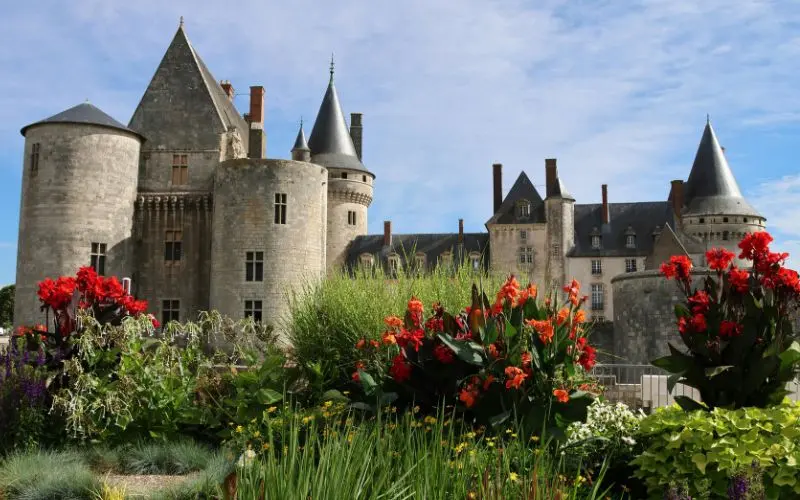
France attracts millions of visitors every year, but there’s much more to discover than Paris. While the Eiffel Tower, the Louvre, and the Palace of Versailles are among the country’s biggest attractions, every region has its own character. You can drive through the vineyards of Bordeaux, explore the lavender fields of Provence, relax on the French Riviera, or hike in the French Alps. This variety makes France one of the best countries to visit in Europe, whether you’re interested in history, food, art, or outdoor adventures.
Paris is a great starting point, but don’t miss destinations such as Nice, Lyon, Bordeaux, Strasbourg, Mont Saint-Michel, the Loire Valley, and Chamonix. Late spring and early autumn are excellent times to visit, with pleasant weather and fewer crowds than the busy summer season. If you’re planning to visit popular museums or famous landmarks, buying tickets in advance can save time. Allow enough time to explore beyond the capital, as some of France’s most memorable experiences are found in its smaller towns and countryside.
Read Also:
3. Spain
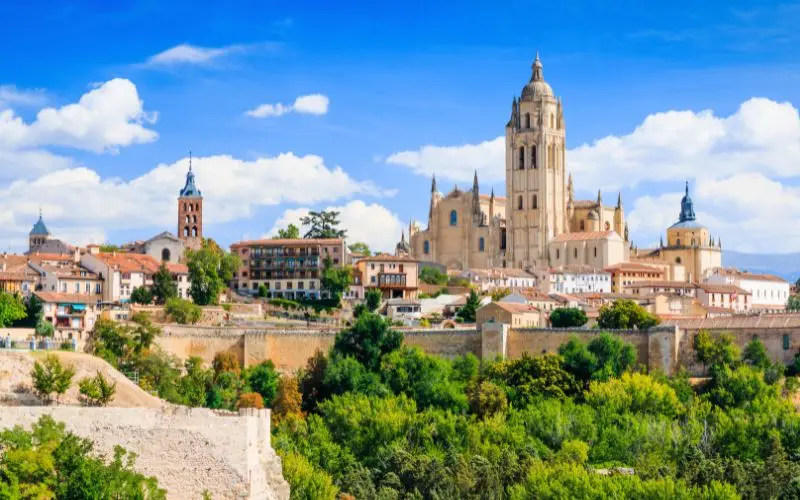
Spain is a country where every region feels different, giving you plenty of reasons to return more than once. You can spend your mornings exploring historic streets in Seville, admire the unique architecture of Barcelona, relax on the beaches of Costa del Sol, or hike through national parks in the north. Local festivals, lively town squares, and traditional tapas also make Spain one of the best countries to visit in Europe if you enjoy experiencing local culture.
Many travelers begin in Madrid or Barcelona, but cities such as Seville, Granada, Valencia, Málaga, Bilbao, and Santiago de Compostela are equally rewarding. Spring and autumn are the most comfortable seasons for sightseeing, while summer is the best time for beach holidays, although popular coastal areas become much busier. If your schedule allows, include more than one region in your trip. Each has its own food, traditions, and landscapes, making Spain feel like several destinations in one country.
Read Also:
- Most Underrated European Cities You Must Visit at Least Once
- Cheapest European Countries to Visit in July
4. Switzerland
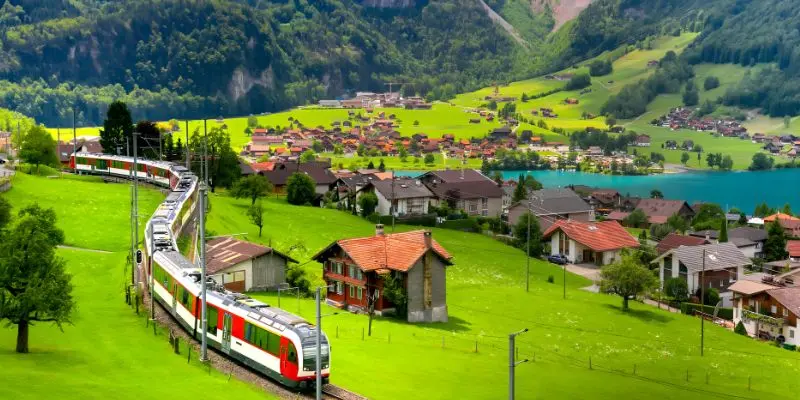
Switzerland is a great choice if you enjoy mountain scenery, scenic train journeys, and outdoor activities. Snow-capped peaks, crystal-clear lakes, and charming villages create landscapes that look impressive in every season. The country is also known for being clean, safe, and easy to travel around, with one of Europe’s most reliable public transport networks connecting major cities and alpine resorts.
Many visitors include Zurich, Lucerne, Interlaken, Zermatt, Geneva, and the Jungfrau region in their itinerary. Summer is ideal for hiking, lake cruises, and mountain excursions, while winter attracts skiers and snowboarders from around the world. Although Switzerland is more expensive than many European destinations, planning ahead and using rail passes can help you get the most from your trip. If you’re visiting several countries, spending three to five days in Switzerland gives you enough time to experience its spectacular landscapes without feeling rushed.
Read Also:
5. Greece

Many travelers visit Greece for Santorini and Mykonos, but limiting your trip to those islands means missing much of what the country has to offer. Athens gives you a chance to explore landmarks such as the Acropolis before heading to quieter islands, traditional villages, or the dramatic rock formations of Meteora. Crete is a good choice if you enjoy history and beaches in the same trip, while Corfu and Rhodes offer a slower pace with their own local character.
The best months to visit are May, June, September, and October, when the weather is warm and ferry routes are running regularly without the peak summer crowds. If you’re planning to visit more than one island, keep your itinerary simple. Spending extra time in two or three places is usually more rewarding than trying to see five or six islands in a week.
Read Also:
6. Portugal
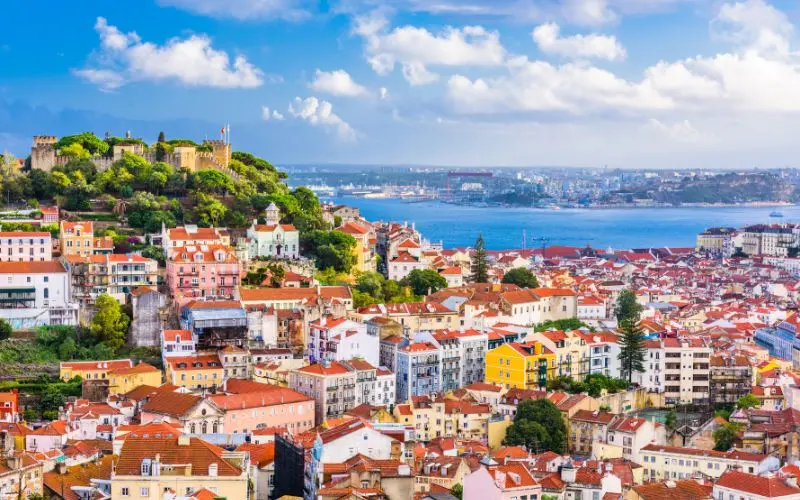
Portugal is often overlooked by travelers who focus on Spain, France, or Italy, but many people end up wishing they had spent more time here. The country is easy to explore, the distances between major destinations are short, and you’ll find excellent food, Atlantic beaches, historic neighborhoods, and scenic vineyards without the crowds found in some of Europe’s busiest destinations.
Lisbon and Porto are usually the first stops, but the Algarve, Sintra, Douro Valley, Madeira, and the Azores are equally worth visiting. Spring and autumn are ideal if you want pleasant weather for sightseeing, while summer is perfect for beach holidays along the Algarve coast. If you have a week, divide your time between Lisbon and Porto instead of rushing across the country. You’ll have enough time to experience Portugal’s relaxed pace, local cuisine, and coastal scenery without spending most of your trip in transit.
Read Also:
6. Norway
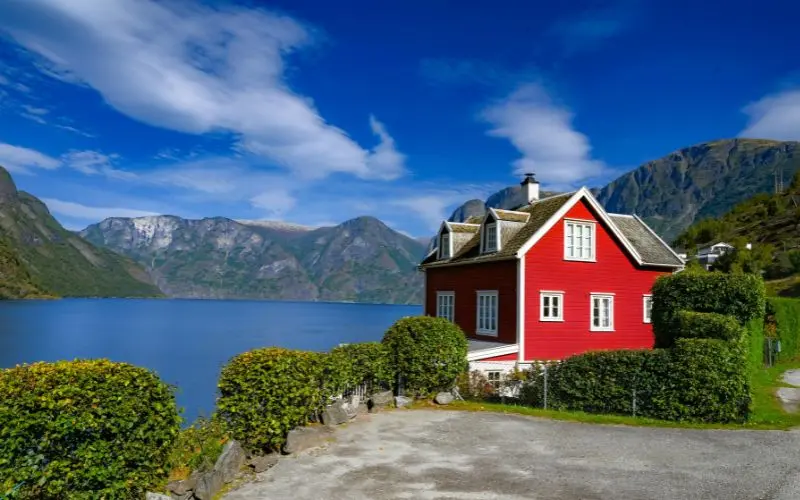
If your idea of a perfect trip includes dramatic landscapes rather than busy cities, Norway deserves a place at the top of your list. The country’s deep fjords, towering mountains, waterfalls, and scenic roads create some of the most memorable views in Europe. In summer, long daylight hours give you more time to explore, while winter brings snowy landscapes and the chance to see the Northern Lights in the north.
Many travelers start in Oslo before continuing to Bergen, Geirangerfjord, the Lofoten Islands, Tromsø, or the Atlantic Ocean Road. Norway is one of Europe’s more expensive destinations, so planning your route and accommodation in advance can help you stay within budget. Renting a car is a great option if you want to explore the fjords at your own pace, while the country’s scenic rail journeys are an excellent choice if you prefer traveling by train.
8. Iceland

Iceland is the kind of place that feels different from anywhere else in Europe. Instead of grand museums or historic cities, most people come here for volcanoes, glaciers, waterfalls, black sand beaches, and geothermal hot springs. A short drive can take you from lava fields to ice caves, making every day on the road feel completely different from the last.
Reykjavík is the usual starting point, followed by the Golden Circle, South Coast, Jökulsárlón Glacier Lagoon, Vik, the Snæfellsnes Peninsula, and the Blue Lagoon. Summer offers long daylight hours, giving you more time to explore, while winter attracts visitors hoping to see the Northern Lights. Renting a car is the best way to experience Iceland, especially if you plan to drive the Ring Road. Keep an eye on weather and road conditions, as they can change quickly, even during the warmer months.
Read Also:
9. Croatia
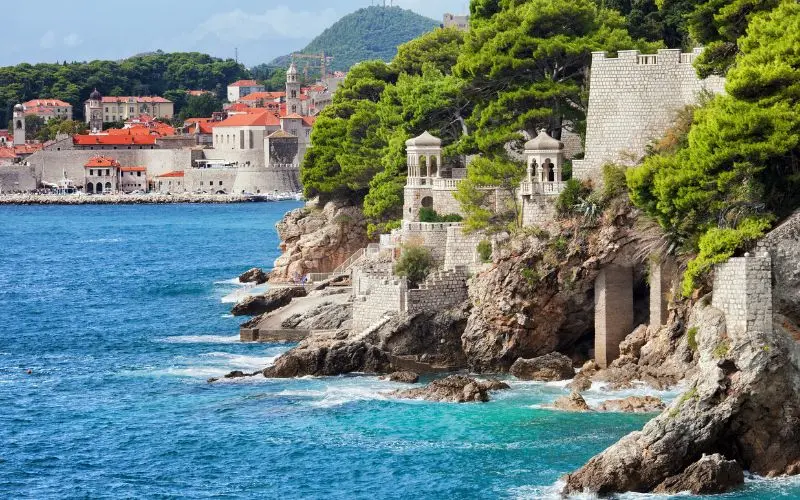
Croatia has a way of surprising people. Many visitors arrive expecting little more than Dubrovnik, only to discover a country filled with island villages, historic ports, waterfalls, and some of the clearest water in Europe. It offers a slower pace than many of the continent’s busiest destinations, making it a good choice if you’d rather spend your time exploring than standing in long queues.
While Dubrovnik is famous for its medieval walls, it shouldn’t be your only stop. Split combines Roman history with a lively waterfront, Hvar is known for its beaches and nightlife, Rovinj has one of the prettiest old towns on the Adriatic, and Plitvice Lakes National Park and Krka National Park showcase Croatia’s spectacular waterfalls and turquoise lakes. The country is also easy to explore, with ferries linking many of the islands and short driving distances between major attractions.
Late spring and early autumn are the best times to visit, when the weather is warm enough for the coast but the crowds are smaller than in July and August. If you have a week or more, divide your time between the coastline and inland Croatia. You’ll leave with a much better understanding of why so many travelers return after their first visit.
Read Also:
10. Austria
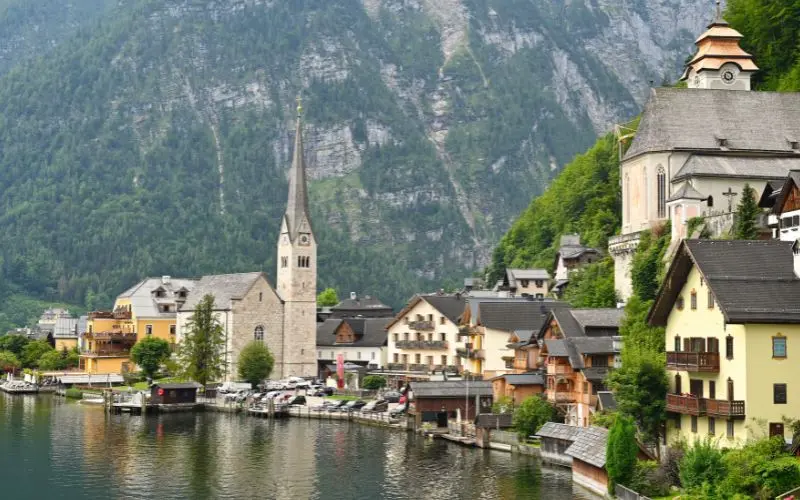
Austria is a country that’s easy to underestimate. Many travelers stop in Vienna for a day or two before moving on, but staying longer gives you a completely different experience. Beyond the capital, you’ll find peaceful lakes, mountain villages, scenic hiking trails, and small towns where local traditions are still part of everyday life. If you’re looking for a destination that feels relaxed without running out of things to do, Austria is well worth considering.
Many travelers only visit Vienna, but Austria is best experienced when you include places such as Salzburg, Innsbruck, Hallstatt, Zell am See, and the Wachau Valley. Traveling by train is one of the easiest ways to see the country, with comfortable connections between major cities and many popular tourist areas. If your trip is during December, make time for Austria’s Christmas markets, which are among the best in Europe. During summer, spend at least a day outside the cities. A boat trip on an alpine lake or a cable car ride into the mountains often becomes the highlight of the visit.
11. Germany
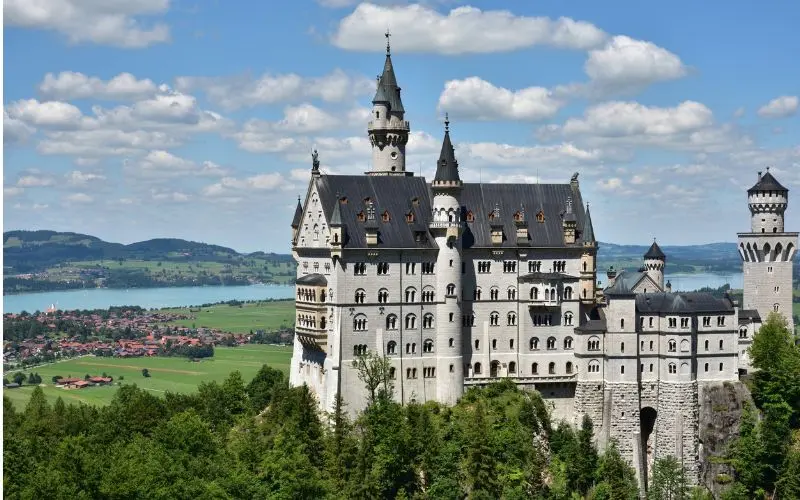
Germany is a country that many travelers underestimate. Some visit Berlin for a weekend or stop in Munich before continuing to another country, but that only scratches the surface. One day you can visit a medieval town with half-timbered houses, the next drive past vineyards in the Rhine Valley or hike through the Black Forest. Every region has its own traditions, local food, and history, so no two parts of Germany feel exactly alike.
If it’s your first visit, pair Berlin or Munich with places such as Heidelberg, Rothenburg ob der Tauber, the Rhine Valley, or Neuschwanstein Castle instead of spending your entire trip in one city. Germany’s rail network makes it easy to travel between destinations, so you don’t need a car for most routes. Autumn is a great time to visit for colorful landscapes and festivals, while December is especially memorable if you want to experience the country’s traditional Christmas markets.
Read Also:
12. Czech Republic
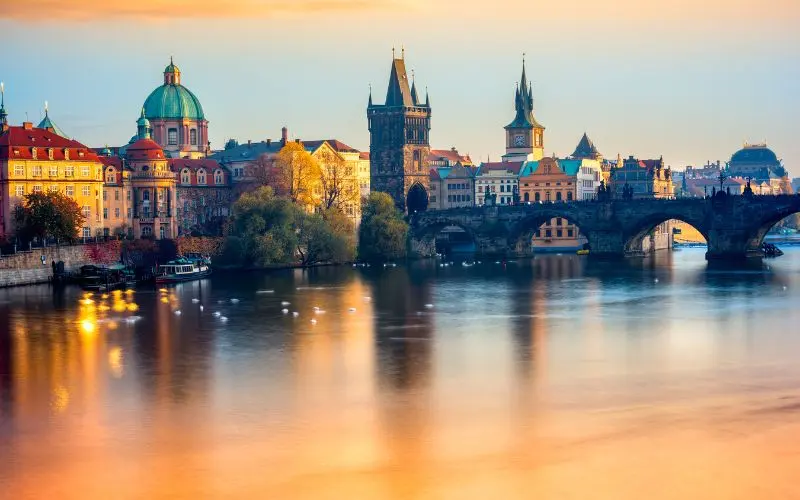
The Czech Republic is one of the best-value destinations in Europe, combining fairy-tale towns, historic architecture, and a strong cultural identity. While Prague is the main attraction, the country offers much more than its famous capital. You can explore medieval streets, visit ancient castles, relax in spa towns, and discover smaller cities that feel far less crowded.
Prague is a must for first-time visitors, with highlights including prague castle, charles bridge, and the Old Town Square. Beyond the capital, Český Krumlov is known for its beautiful historic center, Karlovy Vary is famous for its thermal springs, and the Bohemian Paradise region offers hiking trails, rock formations, and countryside scenery.
Spring and early autumn are some of the best times to visit, with comfortable weather and fewer crowds compared with the busy summer months. If you’re traveling on a budget, the Czech Republic is also one of the easier European countries to enjoy without spending as much as in Western Europe. Spend at least four to five days to experience Prague and add a smaller town or nature destination to your itinerary.
Read Also:
- Best Tourist Destinations in Czech Republic to Visit
- Explore Prague: Top Places, Attractions and Things to Do in the City