Best Time to Visit Italy for Great Weather & Fewer Crowds
Published: 19 Jul 2026
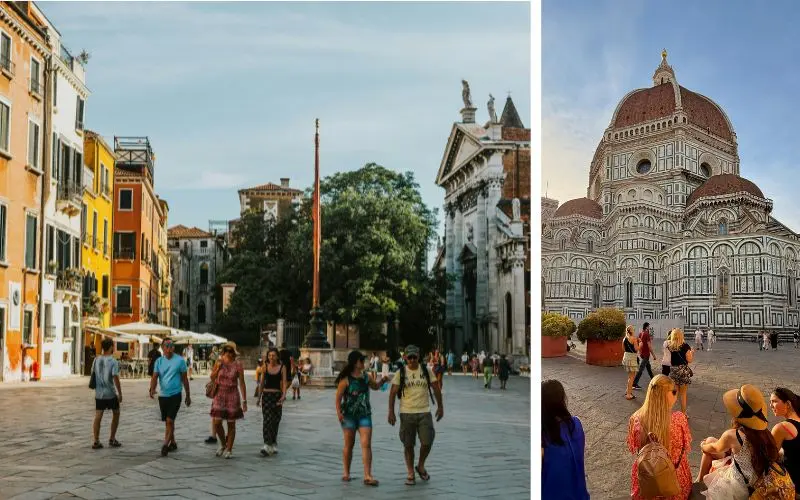
The best time to visit Italy is May, June, September, and October. During these months, you can explore famous places like Rome, Florence, Venice, and the Amalfi Coast without dealing with the extreme heat of midsummer. The days are long, outdoor cafés are lively, and the weather is usually comfortable for walking through historic streets, museums, and old towns.
That said, the right time to visit Italy depends on what kind of trip you want. If you want beach days, summer is the best choice. If you want fewer crowds and better prices, spring, autumn, or winter may suit you better.
When Is the Best Time to Visit Italy?
The best overall months to visit Italy are May, June, September, and October. These months offer comfortable temperatures, longer days, and excellent conditions for exploring cities, countryside, and coastal areas.
- For the best weather: May, June, September, and October are ideal for sightseeing.
- For fewer crowds: April, early May, late October, and November are quieter months.
- For lower prices: November through March is usually the cheapest period to visit Italy.
- For beaches: June to September offers the warmest weather for destinations like Sicily, Sardinia, and the Amalfi Coast.
- For hiking and outdoor activities: May, June, September, and October provide comfortable temperatures.
- For winter experiences: December to February is best for skiing, Christmas markets, and quieter city breaks.
Italy Weather by Season
Italy stretches from the Alps in the north to Mediterranean islands in the south, so the weather changes a lot depending on where you go. A spring trip to Milan can feel completely different from a spring visit to Sicily.
Spring in Italy (March to May)
Spring is one of the most enjoyable seasons to explore Italy. The weather starts warming up, flowers appear across countryside areas, and popular cities are usually easier to enjoy before the summer crowds arrive.
May is a particularly good month for visiting places like Rome, Florence, Tuscany, and Venice. You can spend hours walking between landmarks without the uncomfortable heat that arrives later in the year.
Summer in Italy (June to August)
Summer is the busiest season in Italy. June is often a sweet spot because you get warm weather without the peak summer crowds.
July and August can be very hot, especially in southern Italy, including Sicily, Puglia, Calabria, and the Amalfi Coast. Temperatures can climb above 35°C (95°F), making afternoon sightseeing tiring in cities such as Rome and Florence.
If your plan is to swim, relax by the sea, and enjoy coastal towns, summer works well. Just book accommodation early, especially in popular beach destinations.
August is also when many Italians take their summer holidays. Beach resorts and islands become crowded, while some smaller businesses may close for part of the month.
Autumn in Italy (September to November)
Autumn is one of my favorite times for exploring Italy because the weather stays pleasant while the summer rush starts fading.
September is excellent for visiting cities, vineyards, and coastal areas. October is especially beautiful in regions like Tuscany and Piedmont, where you can enjoy autumn landscapes, local food, and wine experiences.
By November, temperatures drop, but you can still enjoy cultural cities like Rome, Naples, and Florence with fewer visitors.
Winter in Italy (December to February)
Winter gives Italy a quieter atmosphere. If you enjoy museums, historic sites, local restaurants, and slower-paced city breaks, this can be a rewarding time to visit.
Northern Italy, including the Dolomites, Milan, and Turin, becomes cold and snowy. This is the season for skiing and mountain escapes. Meanwhile, southern cities such as Naples and Sicily usually remain milder.
Winter is also when you can often find lower hotel rates, especially outside the Christmas and New Year holiday period.
Read:
- Most Beautiful Places in the World to Visit Once in a Lifetime
- Basic Italian Words and Phrases You Need to Know Before Visiting Italy
- Best Things to Do in Rome, Italy
Best Months to Visit Italy
May and June: Best Overall Weather
May and June are ideal if you want to see a lot of Italy in one trip. The weather is warm but manageable, making it comfortable to walk around attractions, explore villages, and spend time outdoors.
These months work especially well for a first visit covering destinations like Rome, Florence, Venice, and Tuscany.
September and October: Best Time to Avoid Summer Crowds
September and October offer many of the benefits of summer without the same level of heat. You can enjoy outdoor dining, sightseeing, and countryside trips with more comfortable temperatures.
October is a great choice for food lovers visiting wine regions and smaller Italian towns.
July and August: Best for Coastal Trips
If your dream Italy trip includes beaches, swimming, and long sunny days, July and August are the traditional summer months to visit.
The trade-off is higher prices and larger crowds, especially along the Amalfi Coast, Sardinia, and Sicily.
November to March: Best for Budget Trips
The quieter months are a good option if you want to spend less and avoid busy attractions. You will usually find cheaper accommodation, shorter queues, and a more local feel.
Keep in mind that some seasonal restaurants, hotels, and activities in beach towns may operate on limited schedules.
Peak, Shoulder, and Off Season in Italy
Italy’s peak season runs mainly from June to August. This is when popular attractions, coastal towns, and major cities see the highest number of visitors.
The shoulder season is April to May and September to October. These months are often the best balance between good weather, reasonable prices, and manageable crowds.
The off season is November to March. It is the quietest period and works well if you prefer museums, food experiences, and city exploration over beach holidays.
Italy’s Tourist Seasons: Crowds, Prices and What to Expect
Italy’s peak season runs mainly from June to August. This is when popular attractions, coastal towns, and major cities see the highest number of visitors.
The shoulder season is from April to May and September to October. These months are often the best balance between good weather, reasonable prices, and manageable crowds.
The off season is November to March. It is the quietest period and works well if you prefer museums, food experiences, and city exploration over beach holidays.
When to Explore Northern vs Southern Italy
The best time to visit Northern Italy is late spring and early autumn. Cities like Venice and Milan, along with destinations such as Lake Como and the Dolomites, are easier to explore when temperatures are comfortable.
For Southern Italy, spring and early autumn are excellent choices. Places like Sicily, Puglia, Calabria, and the Amalfi Coast stay warm longer and are enjoyable without the intense summer heat.
Find the Right Time for Your Italy Travel Plans
Planning your first Italy trip? Choose May, June, September, or October for a good mix of weather and sightseeing.
Want fewer crowds? Visit in April, early May, late October, or November.
Want a beach holiday? June through September gives you the warmest sea temperatures.
Planning a food and wine trip? September and October are excellent for regions like Tuscany and Piedmont.
Want to save money? November through March usually offers better deals.
Final Thoughts: When Should You Visit Italy?
For most trips, May, June, September, and October are the best months to visit Italy. You get comfortable weather, beautiful scenery, and great conditions for exploring cities, countryside, and coastal areas.
If your priorities are lower prices and fewer people, the quieter months can also be a rewarding time to experience Italy in a more relaxed way.