Top Things to Do in Athens, Greece (Attractions & Travel Guide)
Published: 6 Jul 2026
Athens is one of Europe’s most fascinating capitals, where ancient history and modern city life exist side by side. From the Acropolis overlooking the city to lively streets filled with cafés and markets, it offers a unique mix that defines Athens tourism.
If you’re wondering what things to do in Athens, expect more than just sightseeing. You’ll explore world-famous ruins, walk through historic neighborhoods, and experience a city that still feels deeply connected to its past. This contrast is what makes Athens stand out from other European destinations.
So, is Athens worth visiting? Absolutely. It’s a city that feels raw, real and full of character where every corner has a story, and ancient landmarks sit naturally within a modern urban rhythm.
Must See Attractions in Athens (Top Landmarks You Can’t Miss)
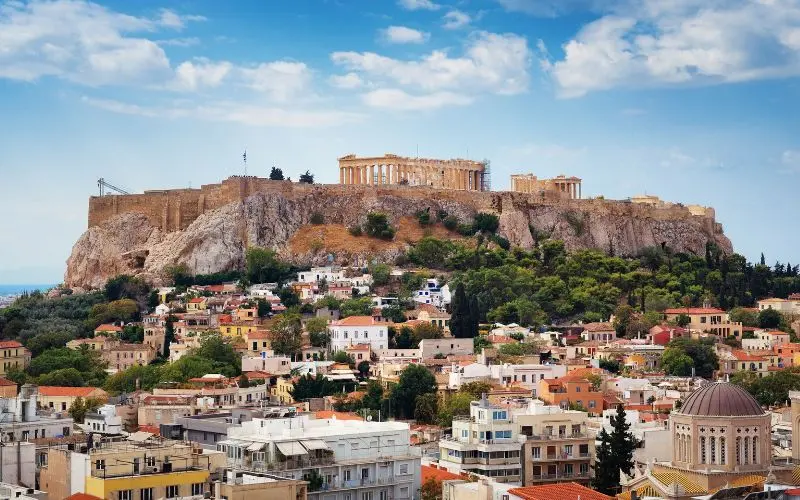
Athens is packed with places you’ve probably seen in photos but standing in front of them feels very different. These are the spots that define the city and make up its core story.
The Acropolis of Athens is the first stop for most visitors, rising above the city with views in every direction. Right at its heart sits the Parthenon, the iconic temple that has become the symbol of Athens itself.
Down below, the Ancient Agora gives you a feel of how daily life once worked in classical times, with ruins spread across open grounds where philosophers and citizens once gathered. Not far away, the Temple of Olympian Zeus shows just how massive ancient Greek construction really was, even in its unfinished form.
For something different, the Panathenaic Stadium stands out, it’s made entirely of marble and hosted the first modern Olympic Games.
These are the must see Athens landmarks that define the city. If you’re exploring famous sites in Athens or planning your list of top tourist attractions in Athens, this is where it all starts.
Top 10 Places to Visit in Athens
From world-famous archaeological sites to lively neighborhoods and panoramic viewpoints, Athens has attractions for every type of traveler. These are the places that deserve a spot on your itinerary, whether it’s your first visit or you’re returning to explore more of the city.
Acropolis Museum
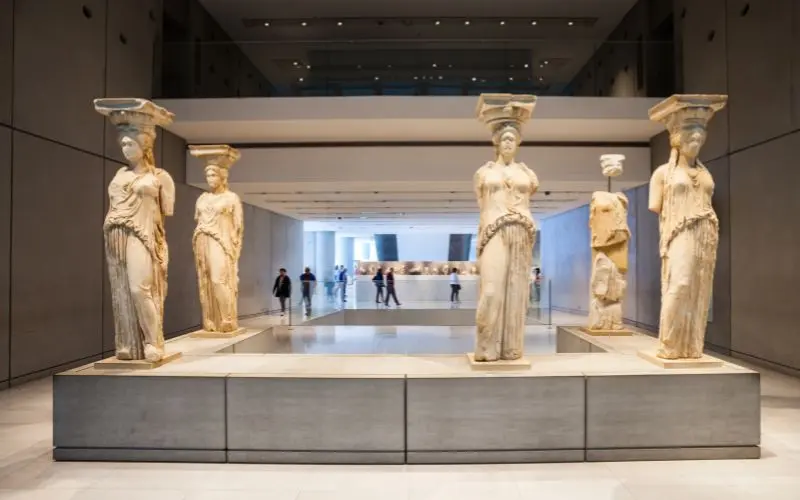
Before climbing to the Acropolis, make time for the Acropolis Museum. It does much more than display ancient artifacts—it helps you understand the stories behind the monuments you’ll see on the hill. If you’re only planning to visit one museum in Athens, this is the one to choose.
Opened in 2009, the museum was built specifically to showcase discoveries from the Acropolis. Inside, you’ll find beautifully preserved statues, marble sculptures, pottery, and everyday objects that date back thousands of years. Large glass floors reveal ongoing archaeological excavations beneath the building, while floor-to-ceiling windows keep the Acropolis in view, creating a connection between the exhibits and the ancient site itself.
One of the highlights is the Parthenon Gallery on the top floor. Designed to match the exact orientation and dimensions of the Parthenon, it displays the famous marble frieze and sculptures exactly as they once appeared on the temple. Even if you aren’t a history enthusiast, seeing these masterpieces with the Acropolis in the background is a memorable experience.
Plan to spend around 1.5 to 2 hours exploring the museum. Visiting early in the morning or later in the afternoon usually means fewer crowds, especially during the busy summer months. There’s also an excellent café with terrace seating, making it a great place to take a break before or after exploring the Acropolis.
Among all the places to visit in Athens, the Acropolis Museum stands out because it brings the city’s ancient history to life. It adds depth to everything you’ll see afterward and is easily one of the top Athens attractions for first-time visitors.
Traveler Tip: Buy a combined Acropolis ticket if available during your visit and explore the museum either before climbing the hill or immediately afterward while the stories and landmarks are still fresh in your mind.
Read Also:
- Most Beautiful Places in the World to Visit Once in a Lifetime
- Most Underrated European Cities You Must Visit at Least Once
Plaka District
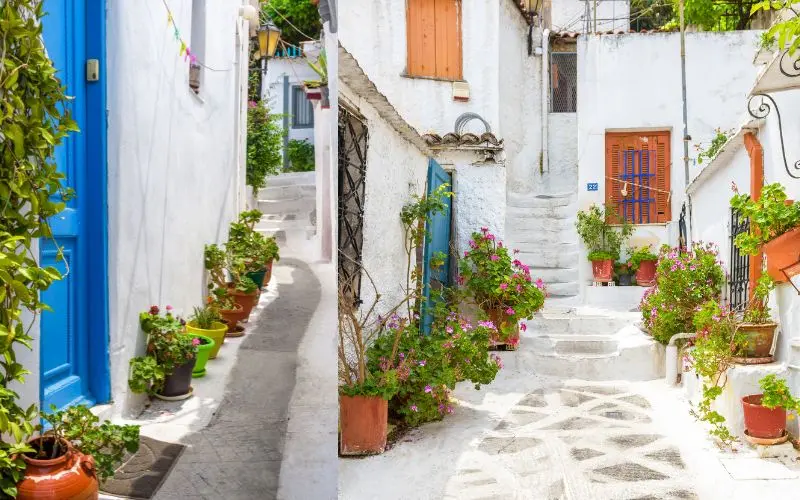
If you only have time to wander through one neighborhood in Athens, make it Plaka. Sitting at the foot of the Acropolis, it’s the oldest part of the city and one of the best places to experience Athens beyond its famous archaeological sites. Instead of rushing from one landmark to the next, slow down and enjoy the atmosphere—this is where the city feels most authentic.
Plaka is a maze of narrow, pedestrian-friendly streets lined with colorful houses, family-run tavernas, boutique shops, and cozy cafés. As you explore, you’ll come across hidden churches, small museums, blooming bougainvillea, and quiet squares where locals gather over coffee. Every turn seems to reveal another postcard-worthy corner, making it one of the most photogenic places to visit in Athens.
The neighborhood is also a great place to shop for handmade jewelry, olive wood crafts, Greek ceramics, and local food products. If you’re looking for souvenirs that feel more unique than the usual tourist gifts, you’ll find plenty of options here. When hunger strikes, stop at a traditional taverna for classic Greek dishes like moussaka, souvlaki, or fresh seafood while enjoying views of the Acropolis above.
Plaka is especially charming in the early morning before the crowds arrive or in the evening when the streets come alive with music and outdoor dining. Because it’s within walking distance of the Acropolis Museum, Ancient Agora, and Monastiraki, it’s easy to include in any sightseeing itinerary.
Among all the must-visit places in Athens, Plaka offers something the ancient ruins can’t, a chance to experience the city’s everyday flow. It’s the perfect place to take a break, soak up the local atmosphere, and see why so many travelers end up spending longer here than they planned.
Traveler Tip: Don’t just stay on the main streets. Wander into the quieter side lanes, where you’ll find hidden courtyards, local cafés, and some of the neighborhood’s most beautiful photo spots.
Read Also:
Monastiraki Flea Market
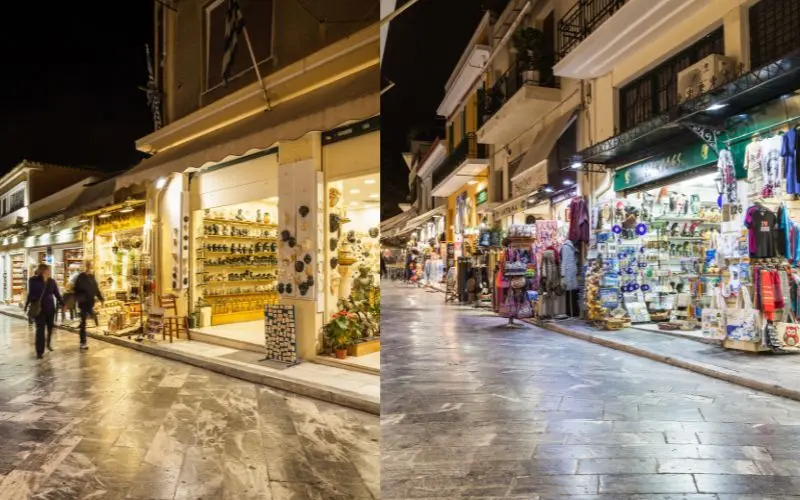
No visit to Athens feels complete without spending a few hours around Monastiraki Flea Market. It’s one of the liveliest places in the city, where shopping, street food, history, and local life all come together. Even if you don’t plan to buy anything, the atmosphere alone makes it one of the top places to visit in Athens.
Despite its name, Monastiraki is much more than a traditional flea market. The area is filled with narrow streets lined with souvenir shops, antique stores, vintage boutiques, local artisan stalls, and family-run businesses selling everything from handmade sandals to Greek spices and olive oil. You’ll also find musicians performing in the square, creating a lively backdrop as visitors and locals wander through the neighborhood.
Food is another reason to visit. Monastiraki is one of the best areas in Athens to try classic Greek street food, including freshly made souvlaki, gyros, koulouri, and loukoumades. Many rooftop cafés and restaurants nearby also offer incredible views of the Acropolis, making them a great place to relax after exploring the market.
The market is surrounded by some of Athens’ most famous landmarks, including the Ancient Agora, Hadrian’s Library, and Plaka, so it’s easy to combine several attractions in one walk. If you’re visiting on a Sunday, the market becomes even busier as extra vendors set up stalls selling antiques, collectibles, books, and vintage treasures.
Among the must-visit places in Athens, Monastiraki offers a completely different experience from the city’s ancient monuments. It’s energetic, colorful, and full of local character, giving you a glimpse of modern Athens while history surrounds you on every side.
Traveler Tip: Visit in the late afternoon, browse the market, then stay for dinner at a rooftop restaurant. Watching the Acropolis light up after sunset is one of the best experiences in Athens.
Acropolis of Athens

The Acropolis of Athens is the one place you can’t really skip—it’s the landmark that defines the entire city. Sitting high above Athens, it’s visible from almost everywhere, and once you start climbing up, the scale of ancient Greek civilization really hits you.
This beautiful UNESCO World Heritage Site is home to several iconic structures, but the highlight is the Parthenon, the temple dedicated to Athena. Even in its partially weathered state, it still feels incredibly powerful. Walking around the Acropolis, you’ll also see the Erechtheion with its famous Caryatids, the Temple of Athena Nike, and ancient pathways that once formed the heart of classical Athens.
What makes the Acropolis special isn’t just the monuments, it’s the view. From the top, you get a full panoramic look at modern Athens stretching all the way to the sea. It’s one of those rare places where history and city life sit right on top of each other.
Expect a fair amount of walking and uneven stone paths, so comfortable shoes are a must. Mornings are usually the best time to visit to avoid both heat and crowds, especially in summer. A guided audio tour also helps bring the ruins to life since there’s limited signage on site.
Among all the must see Athens attractions, the Acropolis is the one that truly explains the city’s identity. Everything else you explore afterward makes more sense once you’ve stood here.
Traveler Tip: Enter from the side entrance near the Dionysiou Areopagitou walkway for a slightly less crowded climb and a more scenic approach.
Ancient Agora of Athens
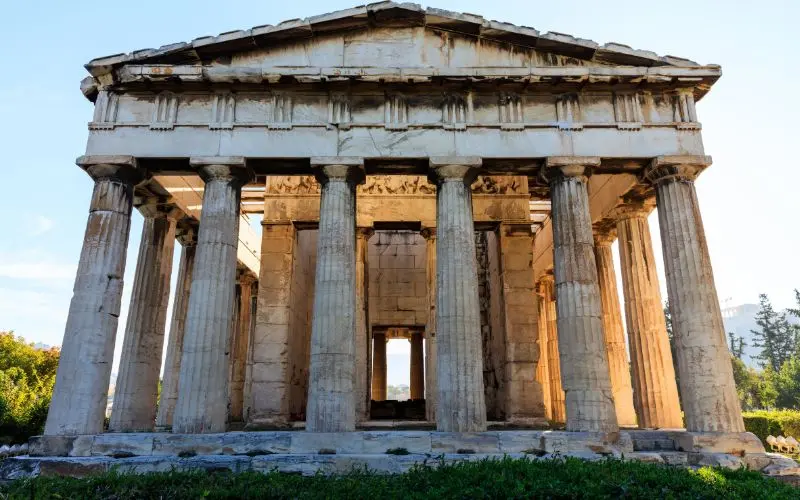
If the Acropolis shows you the glory of ancient Athens, the Ancient Agora shows you how everyday life actually worked. This was the city’s social, political, and commercial center basically the original town square where philosophers, merchants, and citizens gathered.
Walking through the Agora today feels more open and relaxed compared to the Acropolis. The most impressive building here is the Temple of Hephaestus, one of the best-preserved ancient Greek temples in the country. It still stands almost intact, giving you a rare sense of what classical architecture originally looked like.
The site also includes the Stoa of Attalos, which has been rebuilt and now houses a small museum with artifacts found in the area. Inside, you’ll get a closer look at everyday objects from ancient Athens, helping you understand how people actually lived, traded, and governed the city.
What makes the Ancient Agora special is its atmosphere. It’s less crowded than the Acropolis, more walkable, and gives you space to explore at your own pace. You can sit under olive trees, walk through ruins, and imagine how this space once functioned as the heartbeat of the city.
It’s also very close to Monastiraki and Plaka, so it fits easily into a walking route through central Athens.
Traveler Tip: Visit in the late afternoon when the light softens and the Temple of Hephaestus looks its best. It’s also quieter, making it easier to explore without rush.
Syntagma Square

Syntagma Square is the central point of modern Athens and often the first real glimpse travelers get of the city’s daily rhythm. Located in front of the Greek Parliament building, it’s always active, filled with commuters, visitors, and street performers moving through the space at all hours.
The main highlight here is the Changing of the Guard ceremony in front of the Tomb of the Unknown Soldier. The Evzones guards, dressed in traditional uniforms, perform a slow, highly choreographed routine that draws a crowd every hour. On Sundays at 11 AM, the ceremony becomes even more formal and elaborate, making it the best time to visit.
Beyond the ceremony, Syntagma is also a major transport hub, connecting you easily to other parts of Athens, including Plaka, Monastiraki, and the Acropolis area. The square is surrounded by hotels, cafés, and shopping streets like Ermou, making it a practical stop during any sightseeing route.
What makes Syntagma worth including in your list of must visit places in Athens is its contrast—it shows the political and modern side of the city, sitting right alongside its ancient heritage.
Traveler Tip: Grab a coffee from a nearby café and watch the square for a while. It’s one of the best spots for people-watching in Athens.
National Archaeological Museum
The National Archaeological Museum of Athens is where the depth of Greek history really comes into focus. While the Acropolis shows you the monuments, this museum fills in the story behind them with one of the richest collections of ancient artifacts in the world.
Inside, you’ll find everything from golden Mycenaean masks and intricate sculptures to pottery, jewelry, and everyday tools used thousands of years ago. Each gallery walks you through different eras of Greek civilization, making it easy to understand how Athens evolved over time.
One of the standout exhibits is the Mask of Agamemnon, along with impressive classical statues like Zeus and Poseidon. Even if you’re not deeply into history, the craftsmanship and detail make the experience engaging.
The museum is spacious, well-organized, and ideal for a slower-paced visit compared to outdoor attractions. Plan around 1.5 to 2 hours to explore properly without rushing.
What makes it one of the top Athens attractions is how it connects everything you see in the city back to its origins.
Traveler Tip: Visit in the morning when it’s quieter, and pair it with a walk through Exarchia or Omonia nearby for a more local experience.
Anafiotika
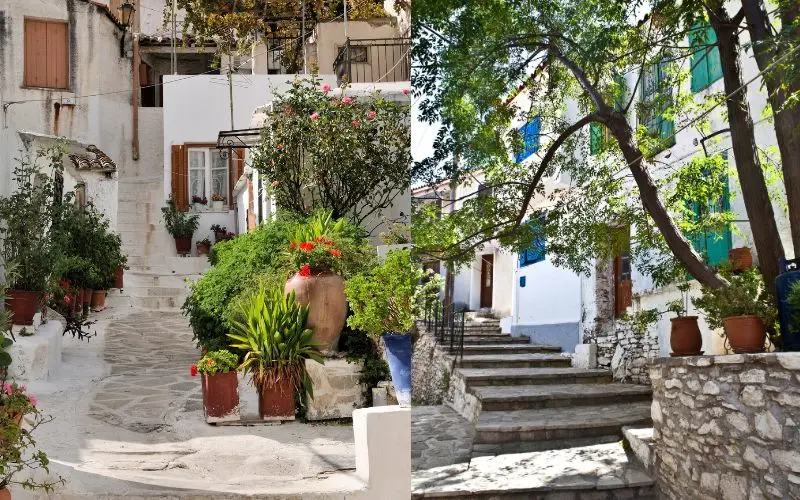
Tucked right under the Acropolis, Anafiotika feels like a completely different side of Athens. Most people walk past it without realizing it’s there, which is exactly what makes it special. This tiny neighborhood was built in the 1800s by workers from the island of Anafi, and they rebuilt it in the same style as their island villages.
The result is a maze of narrow whitewashed alleys, small cube-shaped houses, bright blue doors, and pots of bougainvillea spilling over walls. It almost feels like you’ve left the city and stepped onto a quiet Greek island except you’re still in the heart of Athens.
There’s not much “to do” here in the traditional sense, and that’s the point. Anafiotika is about wandering slowly, getting a little lost, and enjoying the silence just steps away from busy Plaka. It’s one of the most peaceful places to visit in Athens, especially compared to the crowds around the Acropolis.
Because of its size, you can explore the entire area in under an hour, but it often ends up being one of the most memorable stops. The views of the city from small openings between houses are also incredible, especially in the late afternoon when the light softens.
Traveler Tip: Go early in the morning for quiet streets and the best photos without crowds. Respect the fact that people still live here, keep noise low and avoid blocking doorways.
Stavros Niarchos Foundation Cultural Center
The Stavros Niarchos Foundation Cultural Center (SNFCC) feels like a completely different side of Athens. Located a short ride from the city center, it feels open, spacious, and designed for relaxation rather than sightseeing pressure.
The complex is home to the National Library of Greece and the Greek National Opera, both housed in a striking glass-and-steel building designed by Renzo Piano. But what most visitors remember is the surrounding park, one of the largest green spaces in Athens with walking paths, fountains, bike lanes and panoramic views stretching toward the sea.
Unlike the ancient ruins scattered across the city, SNFCC is about how modern Athens lives today. Locals come here for jogging, picnics, concerts, and sunset views from the rooftop terrace. It’s a calm break from the busy historic center and gives a refreshing contrast to traditional Athens attractions.
The rooftop is especially worth visiting in the evening when the city starts to glow and the breeze comes in from the coast. It’s one of the best spots to experience Athens from a distance while still feeling connected to it.
Traveler Tip: Visit just before sunset and head up to the rooftop canal area for wide, uninterrupted views of both the city and the sea.
Athens Riviera
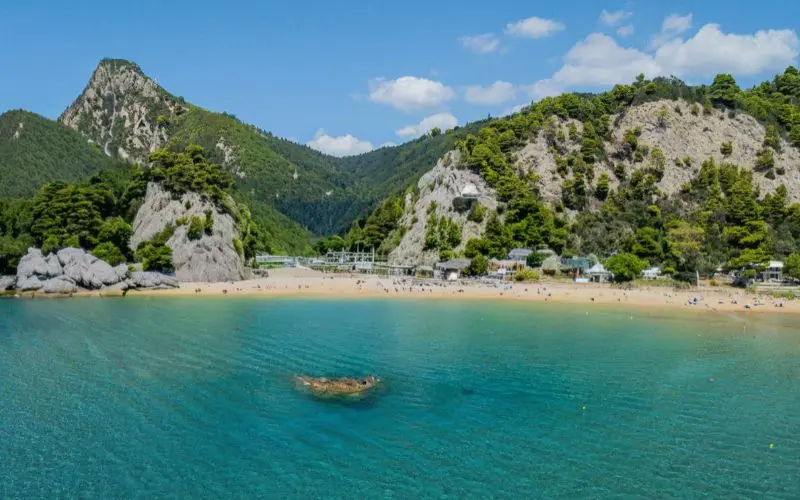
The Athens Riviera is where the city slows down and shifts into a completely different rhythm. Just a short ride from the center, the busy streets fade out and suddenly you’re along a long stretch of coastline with beaches, marinas, and open sea views.
This side of Athens feels more relaxed and local. You’ll find organized beaches with sunbeds and beach bars, small coves with clearer water, and seaside cafés where people spend hours just watching the waves. It’s a popular escape for both locals and visitors, especially in the warmer months.
What makes the Riviera stand out is how easy it is to reach. You don’t need a full day trip, just a few hours in the afternoon or a sunset visit is enough to feel the difference. Areas like Glyfada, Vouliagmeni and Alimos each have their own vibe, from lively beach clubs to quieter, more scenic spots.
It’s also one of the best places in Athens to catch sunset over the sea, something you don’t get in the historic center. Palm-lined walkways, marina views and wide open sea horizons make it feel completely different from the historic center of Athens.
Traveler Tip: Head to Vouliagmeni for cleaner water and a more relaxed atmosphere, or Glyfada if you want more cafés, shopping, and beach bars nearby.
Read Also:
Mount Lycabettus Viewpoint

If you want the best panoramic view of Athens, Mount Lycabettus is where you go. It’s the highest point in the city, and once you reach the top, you get a full 360-degree view stretching from the Acropolis to the Aegean Sea.
Getting there is part of the experience. You can either hike up through shaded paths or take the funicular railway if you prefer an easier climb. The walk isn’t too long, but it’s steep in sections, so comfortable shoes are helpful.
At the summit, you’ll find a small white chapel, a café-restaurant, and open viewing terraces. The view is especially powerful at sunset when Athens slowly lights up below you. You can clearly see how the ancient core and modern city connect, with landmarks like the Acropolis standing out against the urban spread.
Unlike street-level attractions, this is where you really understand the scale of Athens. It helps put everything you’ve seen into perspective, from the historic ruins to the coastal edge of the city.
It’s also one of the most popular spots for photography, so expect some crowds during sunset hours, but the space is large enough to find quieter corners.
Traveler Tip: Arrive 30–45 minutes before sunset to get a good viewing spot and stay a little after dark, the city lights create a completely different atmosphere.
Best Things to Do in Athens (Beyond Landmarks)
Athens isn’t just about monuments and ancient ruins. Some of the best memories come from the everyday experiences—walking its streets, trying local food, and just soaking in the city’s energy. These are the things to do in Athens that show you what the city actually feels like beyond the famous sites.
Walking Tours in the Old Town (Plaka & Surroundings)
One of the easiest ways to experience Athens is simply on foot. The old town area, especially Plaka, is made for slow wandering. Narrow streets, hidden stairways, small churches, and quiet corners sit just steps away from busy tourist paths.
A walking tour here helps you connect the dots between major landmarks like the Acropolis, Ancient Agora, and Monastiraki while also discovering small details you’d normally miss—local courtyards, rooftop views, and tucked-away cafés.
What makes this one of the top Athens experiences is how naturally everything flows together. You don’t feel like you’re moving between attractions—you feel like you’re moving through different layers of the city.
Street Food in Monastiraki

Monastiraki is one of the best places in Athens to eat like a local. The area is full of small food spots, quick bites, and street vendors serving classic Greek favorites.
You’ll find fresh gyros, souvlaki, warm koulouri (sesame bread rings), and sweet loukoumades drizzled with honey. Everything is fast, affordable, and packed with flavor.
What makes this experience special is the setting—you’re eating right in the middle of a lively square surrounded by street music, markets, and views of ancient ruins nearby.
Sunset at Lycabettus Hill
Watching the sunset from Lycabettus Hill is one of the most memorable fun things to do in Athens. From the top, you get a full view of the city stretching all the way to the sea, with the Acropolis standing out in the middle.
As the sun goes down, the city slowly shifts from golden light to glowing night views. It’s one of those moments where you understand how big and layered Athens really is.
Shopping on Ermou Street
Ermou Street is the main shopping strip in Athens, connecting Syntagma Square to Monastiraki. It’s always busy, filled with international brands, local stores, and street performers along the way.
Even if you’re not shopping, it’s worth walking through just to feel the energy of the city. It’s one of the most active pedestrian streets in central Athens.
Café Culture in Plaka
Plaka isn’t just for sightseeing—it’s also one of the best places to slow down. The cafés here are perfect for taking a break between attractions and watching daily life unfold.
You’ll find small outdoor tables, shaded terraces, and quiet corners where you can sit for hours. It’s less about rushing and more about enjoying the rhythm of the city.
Traveler Tip: Pick a café with Acropolis views and stay for at least one slow coffee break—it’s part of the Athens experience.
Best Neighborhoods to Explore in Athens

Athens feels very different depending on where you are, and exploring its neighborhoods is one of the easiest ways to understand the city beyond its main landmarks. Each area has its own rhythm, and even a short walk between them can completely change the atmosphere.
Plaka as I told before is the most atmospheric part of the city, sitting right under the Acropolis. It’s filled with narrow pedestrian streets, traditional houses, small tavernas, and quiet corners that feel tucked away from the busier parts of Athens. It’s the kind of place where you naturally slow down and just wander.
Not far from it, Monastiraki is much more energetic. This is where street markets, small shops, and constant movement create a busy urban feel. The area connects old ruins with modern street life, making it one of the most active parts of central Athens.
Kolonaki offers a completely different experience. It’s quieter, more polished, and known for its boutique stores, cafés, and relaxed streets. It’s often chosen by locals looking for a calmer side of the city away from the main tourist flow.
Psiri brings a creative and evolving atmosphere. During the day it feels artistic and slightly raw, with street art and small workshops. At night, it transforms into one of the most active nightlife areas in Athens, filled with bars and live music.
Together, these neighborhoods show how diverse Athens really is. From historic charm to modern energy, each one adds a different layer to the city experience and helps you see Athens beyond its famous monuments.
Day Trips & Things to Do Near Athens
If you have extra time in Athens, stepping outside the city is one of the best ways to see a different side of Greece. Just a short drive or ferry ride away, you’ll find coastal landscapes, ancient sacred sites, and relaxed island life. These are some of the most popular things to do near Athens that fit easily into a half-day or full-day trip.
Cape Sounion is one of the most scenic escapes from the city. At the edge of a cliff stands the Temple of Poseidon, overlooking the Aegean Sea. The ruins themselves are impressive, but the real highlight is the setting. The open sea views and sunset light make it one of the most memorable experiences around Athens and around the coastline.
Delphi offers a completely different atmosphere. Once considered the center of the ancient world, it sits on the slopes of Mount Parnassus with wide views over valleys and mountains. Walking through the site, you’ll pass temples, an ancient theatre, and stone pathways that once held deep religious significance. It feels quieter and more remote than Athens, with a strong sense of history in every direction.
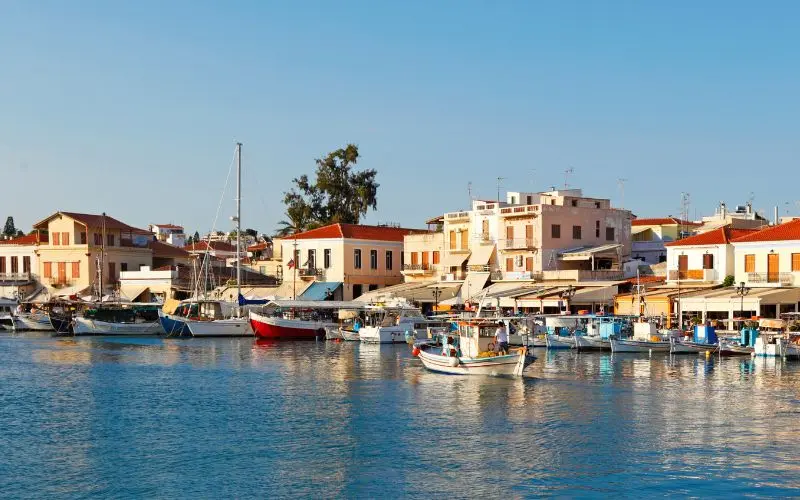
Aegina Island is the easiest island escape from Athens. A short ferry ride takes you to a laid-back island with a small port town, beaches, and local cafés. It’s simple and unhurried, making it ideal for a relaxed day outside the city. You can walk along the waterfront, explore small streets, or try the island’s famous pistachios.
Together, these spots show how diverse the region around Athens really is—from dramatic coastal temples to mountain ruins and easy island life, all within reach of the capital.
How Many Days to Spend in Athens?
The right amount of time in Athens depends on how deeply you want to experience the city. It can work as a quick city break, but it also rewards slower travel if you want to explore beyond the main highlights.
A 2-day visit is enough to cover the essentials. You can see the Acropolis, walk through Plaka and Monastiraki, and fit in one viewpoint like Lycabettus Hill. It’s fast-paced, but you’ll still get a solid overview of the city’s main character and landmarks.
With 3–4 days, Athens starts to feel more balanced. You’ll have time for museums, different neighborhoods, café stops, and a slower pace between attractions. This is the most comfortable range for most travelers, especially if you want to enjoy the city without rushing through it.
If you have 5 or more days, Athens becomes a base rather than just a stop. You can explore day trips like Cape Sounion, Delphi, or Aegina Island while still having time to enjoy the city itself. It also gives you space to revisit areas you liked without feeling rushed.
For most visitors, 3 to 4 days is the sweet spot. It’s enough to see the main highlights, experience local neighborhoods, and still have time for relaxed moments in cafés or viewpoints.
Best Time to Visit Athens
Athens can be visited year-round, but the experience changes with the seasons. Spring (March to May) is ideal for comfortable weather and easy sightseeing, with fewer crowds than summer.
Summer (June to August) is the hottest and busiest time, with strong city energy but high temperatures during the day. It works best if you plan early morning or evening activities.
Autumn (September to November) is one of the best periods to visit. October is especially good—pleasant weather, fewer crowds, and easier walking conditions across the city and attractions.
Winter (December to February) is quieter and cooler, with fewer tourists and a more local feel, especially in museums and central areas.
Overall, spring and autumn—especially October—are the most balanced times for exploring Athens comfortably.
Travel Tips for Athens
Getting around Athens is fairly simple once you understand the basics. The metro is the easiest way to move between key areas like the airport, Syntagma, Monastiraki, and the port, and it’s usually faster than taxis during busy hours.
Central areas such as Plaka, Monastiraki, and Syntagma are safe and very walkable, making them ideal for exploring most of the main attractions on foot. Like any major city, it’s still smart to stay aware in crowded places and keep an eye on your belongings, especially around markets and transport hubs.
When it comes to staying in the city, Plaka, Monastiraki, and Syntagma are the most convenient options for first-time visitors. They keep you close to major landmarks, restaurants, and transport connections, which makes planning your days much easier.
Overall, Athens is a straightforward city to navigate. Once you get familiar with the central layout, most of the main sights and neighborhoods are easy to reach without much planning.