15 Largest Lakes in the World by Surface Area (2026 Guide)
Published: 27 Jul 2026
Some of the world’s largest lakes are so vast they look like inland seas, while others hold an incredible share of Earth’s freshwater. From the Caspian Sea to Lake Superior and Lake Baikal, these remarkable lakes are known for their size, unique ecosystems, and breathtaking scenery.
This guide ranks the 15 largest lakes in the world by surface area, the most widely accepted method for comparing lake size. Along with each lake’s dimensions, you’ll discover where it’s located, what makes it unique, and the best reasons to visit.
Quick Facts About the World’s Largest Lakes
- The Caspian Sea is the largest lake in the world by surface area, covering 392,600 km².
- Lake Superior is the world’s largest freshwater lake by surface area.
- Lake Baikal is the deepest lake on Earth, reaching 1,642 meters.
- Lake Baikal is also the world’s oldest lake, estimated to be around 25 million years old.
- Lake Victoria is the largest tropical lake in the world.
- Great Bear Lake is the largest lake located entirely within Canada.
- Lake Michigan is the only Great Lake located entirely within the United States.
- Lake Malawi is home to more fish species than any other lake in the world.
- Lake Ladoga is the largest freshwater lake in Europe.
- Despite its name, the Caspian Sea is classified as a landlocked lake, not a sea, because it has no natural outlet to the ocean.
Largest Lakes in the World by Surface Area: Comparison Table
| Rank | Lake | Surface Area (km²) | Water Type | Location | Maximum Depth |
|---|---|---|---|---|---|
| 1 | Caspian Sea | 392,600 | Saltwater (inland lake) | Kazakhstan, Russia, Azerbaijan, Iran, Turkmenistan | 1,025 m |
| 2 | Lake Superior | 82,100 | Freshwater | United States, Canada | 406 m |
| 3 | Lake Victoria | 69,485 | Freshwater | Tanzania, Uganda, Kenya | 84 m |
| 4 | Lake Huron | 59,590 | Freshwater | United States, Canada | 229 m |
| 5 | Lake Michigan | 58,030 | Freshwater | United States | 281 m |
| 6 | Lake Tanganyika | 32,900 | Freshwater | Tanzania, DR Congo, Burundi, Zambia | 1,470 m |
| 7 | Lake Baikal | 31,722 | Freshwater | Russia | 1,642 m |
| 8 | Great Bear Lake | 31,328 | Freshwater | Canada | 446 m |
| 9 | Lake Malawi (Lake Nyasa) | 29,600 | Freshwater | Malawi, Mozambique, Tanzania | 706 m |
| 10 | Great Slave Lake | 28,568 | Freshwater | Canada | 614 m |
| 11 | Lake Erie | 25,667 | Freshwater | United States, Canada | 64 m |
| 12 | Lake Winnipeg | 24,514 | Freshwater | Canada | 36 m |
| 13 | Lake Ontario | 18,960 | Freshwater | United States, Canada | 244 m |
| 14 | Lake Ladoga | 17,700 | Freshwater | Russia | 230 m |
| 15 | Lake Balkhash | 16,400 | Mixed (Freshwater & Saline) | Kazakhstan | 26 m |
Note: Surface area figures are based on the latest available data from authoritative geographic and government sources. Minor variations may occur between references due to changing water levels and different measurement methods.1. Caspian Sea (392,600 km²)
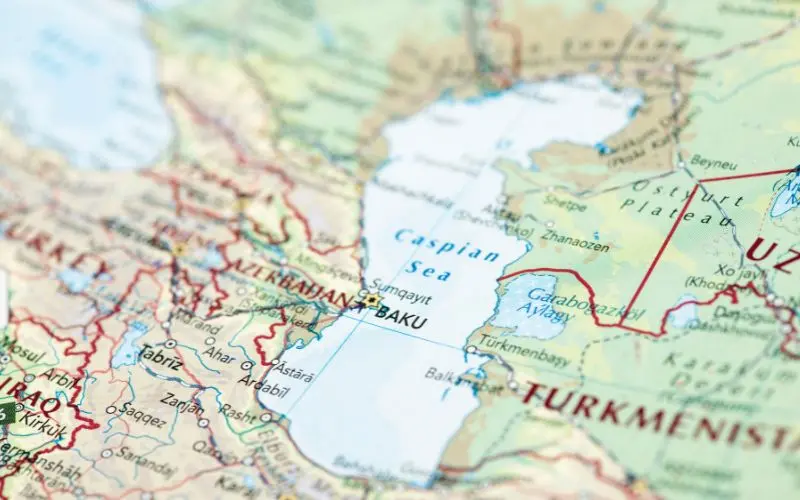
The Caspian Sea is the largest lake in the world by surface area, covering approximately 392,600 km² across Kazakhstan, Russia, Azerbaijan, Iran, and Turkmenistan. Although it’s called a sea, it is technically the world’s largest landlocked saltwater lake because it has no natural connection to the ocean.
The lake is famous for its unique wildlife, including the endangered Caspian seal and valuable sturgeon species that produce caviar. Popular activities include exploring Baku’s waterfront, relaxing on Caspian beaches, birdwatching, and taking boat trips along the coast. The best time to visit is May to September, when the weather is warm and suitable for outdoor activities.
Interesting fact: The Volga River supplies about 80% of the Caspian Sea’s inflowing water, making it the lake’s most important tributary.
Read Also:
- Largest Lakes in Europe
- Longest River in the World
- Largest Cruise Ships in the World
- Largest Desert in the World
- Largest Aquariums in the World
2. Lake Superior (82,100 km²)
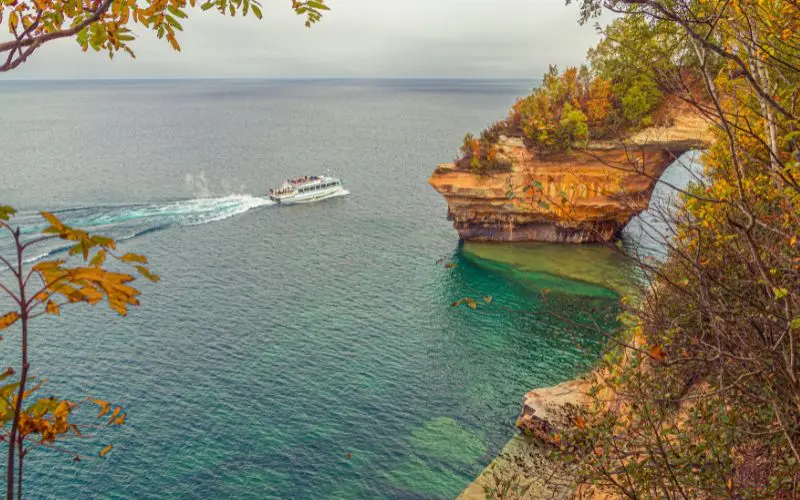
Lake Superior is the largest freshwater lake in the world by surface area, spanning 82,100 km² along the border of the United States and Canada. It is also the largest Great Lake by water volume and is known for its remarkably clear, cold water and rugged shoreline.
Surrounded by forests, waterfalls, and dramatic cliffs, Lake Superior is a favorite destination for hiking, kayaking, fishing, scenic drives, and camping. Popular attractions include Pictured Rocks National Lakeshore, Isle Royale National Park, and the lake’s many historic lighthouses. The best time to visit is June to September, when pleasant weather makes outdoor activities and boat tours more enjoyable.
Interesting fact: Lake Superior contains about 10% of the Earth’s liquid surface freshwater, making it one of the world’s most valuable freshwater resources.
3. Lake Victoria (69,485 km²)
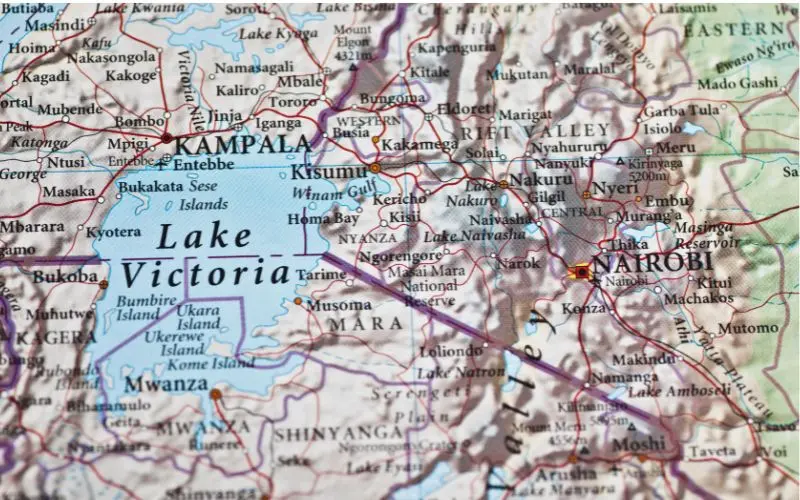
Covering approximately 69,485 km², Lake Victoria is Africa’s largest lake and the world’s largest tropical lake. It is shared by Tanzania, Uganda, and Kenya and serves as a vital source of freshwater, transportation, fishing, and livelihoods for millions of people across East Africa.
The lake attracts visitors with its beautiful islands, lakeside towns, birdwatching opportunities, and sport fishing. Popular activities include boat cruises, wildlife viewing, exploring nearby national parks, and visiting the Ssese Islands in Uganda. The dry seasons starts from June to October and December to February, are considered the best times to visit.
Interesting fact: Lake Victoria is the primary source of the White Nile, one of the two main tributaries that form the Nile River.
4. Lake Huron (59,590 km²)
Lake Huron is the second-largest Great Lake by surface area, covering 59,590 km² along the border of the United States and Canada. It is famous for its exceptionally long shoreline, crystal-clear waters, and thousands of islands, including Manitoulin Island, the world’s largest freshwater island.
The lake is a popular destination for boating, kayaking, fishing, beach vacations, and scenic road trips. Visitors also enjoy exploring Mackinac Island, historic lighthouses, and the breathtaking landscapes of Georgian Bay. The best time to visit is June to September, when warm temperatures make outdoor recreation and sightseeing most enjoyable.
Interesting fact: Lake Huron has the longest shoreline of all the Great Lakes, stretching more than 6,000 kilometers when its islands are included.
5. Lake Michigan (58,030 km²)
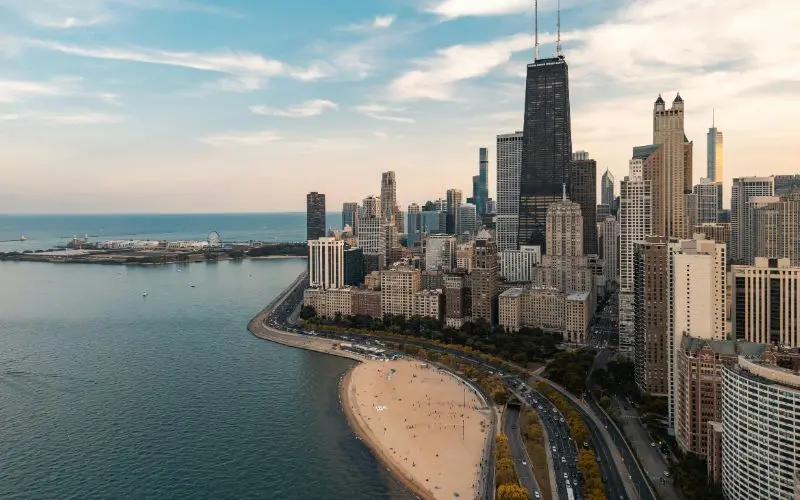
Lake Michigan is the only Great Lake located entirely within the United States, covering approximately 58,030 km². It borders Michigan, Wisconsin, Illinois, and Indiana, and is connected to Lake Huron through the Straits of Mackinac. The lake is known for its sandy beaches, towering dunes, and vibrant waterfront cities, including Chicago and Milwaukee.
Visitors come to enjoy boating, swimming, kayaking, fishing, and hiking along the shoreline. Popular attractions include Sleeping Bear Dunes National Lakeshore, Indiana Dunes National Park, and Chicago’s famous lakefront. June to September is the best time to visit for warm weather and outdoor activities.
Interesting fact: Lake Michigan and Lake Huron are connected naturally and are considered a single hydrological lake because water flows freely between them.
6. Lake Tanganyika (32,900 km²)
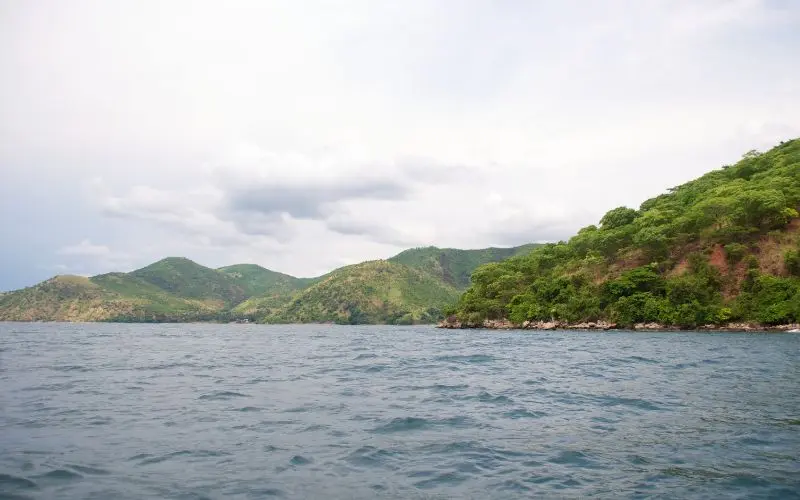
Covering 32,900 km², Lake Tanganyika is the world’s second-deepest lake and one of the oldest freshwater lakes. It is shared by Tanzania, the Democratic Republic of the Congo, Burundi, and Zambia, and is home to hundreds of fish species found nowhere else on Earth.
The lake’s clear waters make it a popular destination for snorkeling, diving, fishing, boat cruises, and wildlife viewing. Nearby national parks and scenic mountain landscapes add to its appeal, especially during the dry season from June to October.
Interesting fact: Lake Tanganyika holds nearly 17% of the world’s available liquid freshwater and reaches a maximum depth of about 1,470 meters.
Read Also:
- Major Mountain Ranges of the World
- Largest Airports in the World
- Largest Shopping Malls in the World
7. Lake Baikal (31,722 km²)
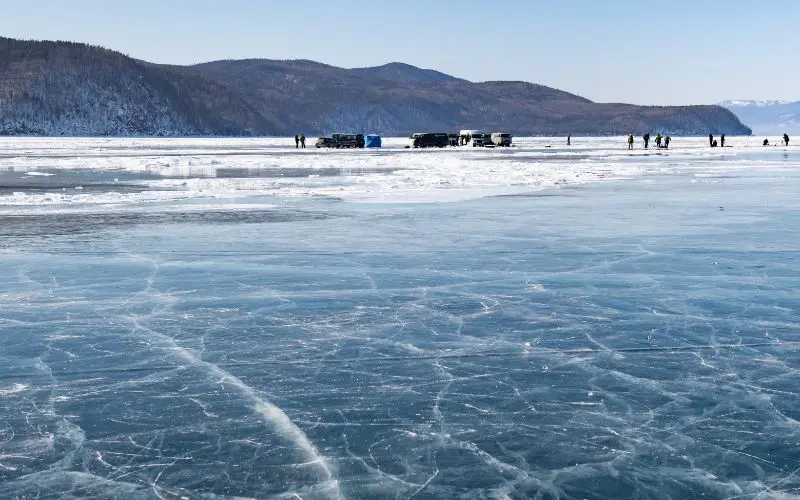
Lake Baikal, located in southeastern Siberia, Russia, covers 31,722 km² and is the world’s deepest and oldest freshwater lake. Recognized as a UNESCO World Heritage Site, it contains around 20% of Earth’s unfrozen surface freshwater and supports thousands of unique plant and animal species, including the Baikal seal.
During summer, visitors enjoy hiking, boat cruises, and wildlife watching, while winter transforms the lake into a spectacular destination for walking, skating, and driving across its crystal-clear ice. The best time to visit is June to September for outdoor adventures or February to March to experience the famous frozen landscape.
Interesting fact: At around 25 million years old, Lake Baikal is the oldest lake on Earth and one of the planet’s most important freshwater ecosystems.
8. Great Bear Lake (31,328 km²)
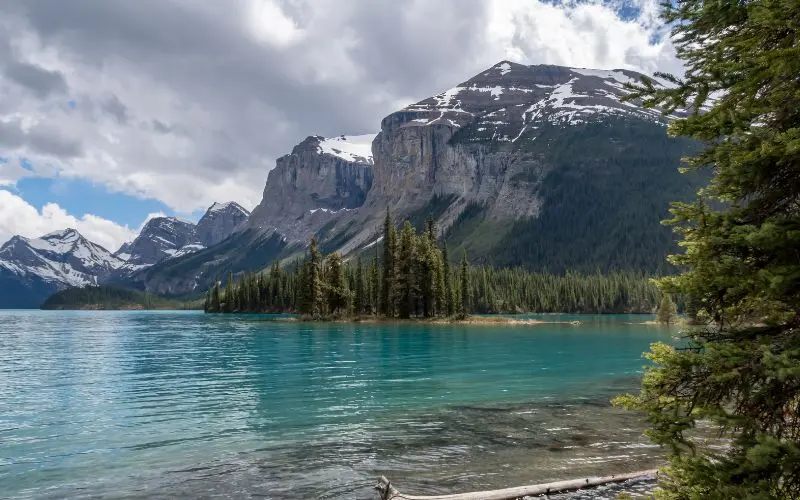
Great Bear Lake is Canada’s largest lake entirely within its borders and the eighth-largest lake in the world, covering 31,328 km². Located in the Northwest Territories, it is known for its remote wilderness, exceptionally clear water, and pristine environment. The lake remains frozen for much of the year and is one of North America’s least-developed large lakes.
Visitors come for world-class fishing, canoeing, boating, wildlife photography, and the chance to experience the Arctic landscape. Summer, from June to August, offers the best conditions for outdoor activities and extended daylight.
Interesting fact: Great Bear Lake is one of the cleanest large lakes in the world, with remarkably clear water thanks to its remote location and limited human development.
9. Lake Malawi (Lake Nyasa) (29,600 km²)
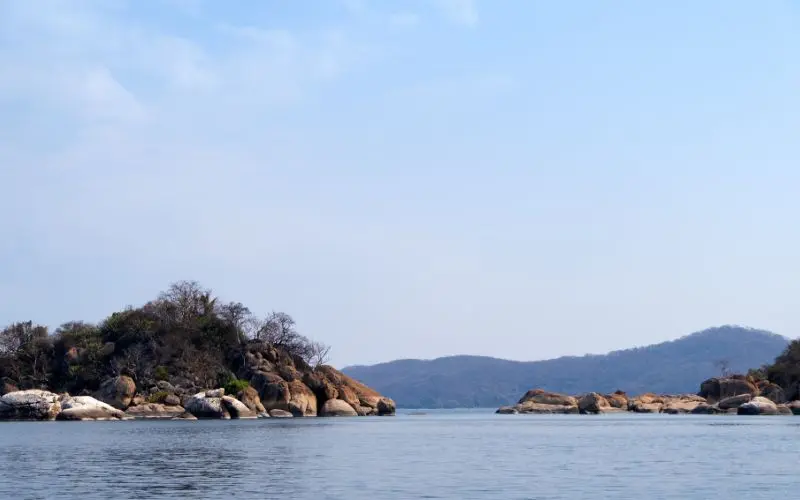
Lake Malawi, also known as Lake Nyasa, covers approximately 29,600 km² and is shared by Malawi, Mozambique, and Tanzania. It is famous for its crystal-clear water and extraordinary diversity of freshwater fish, particularly colorful cichlids found nowhere else on Earth.
The lake is a popular destination for snorkeling, scuba diving, kayaking, boat cruises, and relaxing on sandy beaches. Lake Malawi National Park, a UNESCO World Heritage Site, protects part of this unique ecosystem. The best time to visit is from May to October, when the weather is dry and comfortable.
Interesting fact: Lake Malawi is home to more species of fish than any other lake in the world, making it one of the richest freshwater ecosystems on the planet.
10. Great Slave Lake (28,568 km²)
Great Slave Lake is the second-largest lake in Canada and the tenth-largest in the world, covering 28,568 km². Located in the Northwest Territories, it is also North America’s deepest lake, reaching a maximum depth of 614 meters. Its vast wilderness, clear waters, and northern location make it a favorite destination for outdoor enthusiasts.
Visitors can enjoy fishing, boating, paddling, wildlife viewing, and camping during the summer months. In winter, the lake becomes a popular place to see the Northern Lights and experience ice roads. The best time to visit is June to August for outdoor adventures or November to March for winter activities.
Interesting fact: Great Slave Lake is one of the best places in Canada to view the Aurora Borealis thanks to its clear skies and northern latitude.
11. Lake Erie (25,667 km²)
Lake Erie is the fourth-largest of North America’s Great Lakes, covering 25,667 km² along the border of the United States and Canada. Although it is the shallowest Great Lake, its relatively warm water supports productive fisheries, sandy beaches, and a thriving recreation industry. The lake is bordered by Ontario, Ohio, Pennsylvania, New York, and Michigan.
Visitors can enjoy boating, fishing, kayaking, swimming, and exploring nearby attractions such as Put-in-Bay, Presque Isle State Park, and Point Pelee National Park. The best time to visit is from May to September, when warm temperatures make water activities especially popular.
Interesting fact: Because it is the shallowest Great Lake, Lake Erie warms up faster than the others, making it one of the most popular destinations for summer recreation.
12. Lake Winnipeg (24,514 km²)
Covering approximately 24,514 km², Lake Winnipeg is Canada’s sixth-largest freshwater lake and an important natural resource for the province of Manitoba. The lake receives water from one of the world’s largest drainage basins and supports commercial fishing, hydroelectric power, and diverse wildlife habitats.
Popular activities include fishing, sailing, birdwatching, beach vacations, and visiting Hecla-Grindstone Provincial Park. Summer, from June to August, is the best time to enjoy the lake’s beaches and outdoor recreation.
Interesting fact: Lake Winnipeg’s watershed stretches across four Canadian provinces and four U.S. states, making it one of North America’s largest drainage basins.
13. Lake Ontario (18,960 km²)
Lake Ontario is the smallest of the five Great Lakes by surface area, covering 18,960 km², but it remains one of North America’s most important freshwater lakes. Shared by the United States and Canada, it forms the final link in the Great Lakes before water flows into the Atlantic Ocean through the St. Lawrence River.
The lake is known for its scenic waterfronts, boating, fishing, vineyards, and vibrant cities such as Toronto and Rochester. Visitors can also explore the nearby Thousand Islands region and Niagara Falls, one of the world’s most famous natural attractions. The best time to visit is from May to October.
Interesting fact: Lake Ontario is the only Great Lake that does not border the U.S. state of Michigan and serves as the outlet for the entire Great Lakes system through the St. Lawrence River.
14. Lake Ladoga (17,700 km²)
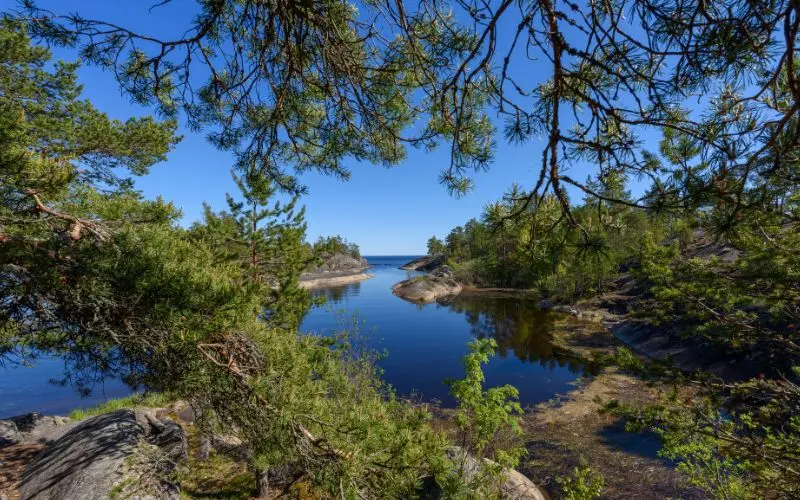
Lake Ladoga is the largest lake in Europe, covering approximately 17,700 km² in northwestern Russia. It is an important freshwater resource and has played a significant role in the region’s history, particularly during World War II. The lake features more than 600 islands, picturesque shorelines, and dense forests that attract nature lovers throughout the year.
Visitors can enjoy boating, fishing, kayaking, hiking, and exploring the historic Valaam Archipelago, known for its centuries-old monastery and peaceful scenery. The best time to visit is from June to September, when the weather is ideal for outdoor activities.
Interesting fact: During World War II, Lake Ladoga became known as the “Road of Life” because it served as the only supply route to the besieged city of Leningrad.
15. Lake Balkhash (16,400 km²)
Lake Balkhash, located in southeastern Kazakhstan, covers approximately 16,400 km² and is one of the world’s largest inland lakes. It is unique because its western half contains freshwater, while the eastern half is saline, separated by a narrow strait that limits the mixing of water.
The lake is a popular destination for fishing, birdwatching, boating, and camping, with its surrounding wetlands providing habitat for numerous migratory birds. The best time to visit is from May to September, when warm temperatures make outdoor activities more enjoyable.
Interesting fact: Lake Balkhash is one of the few major lakes in the world with both freshwater and saltwater in the same body of water, making it a rare and fascinating natural phenomenon.
Sources
- UNESCO World Heritage Centre – Lake Baikal
- U.S. Environmental Protection Agency (EPA) – Great Lakes
- National Oceanic and Atmospheric Administration (NOAA) – Great Lakes Environmental Research Laboratory
- Encyclopaedia Britannica – Lakes and World Geography