Best Things to Do in Rome, Italy: Must-See Attractions & Hidden Gems
Published: 14 Jul 2026
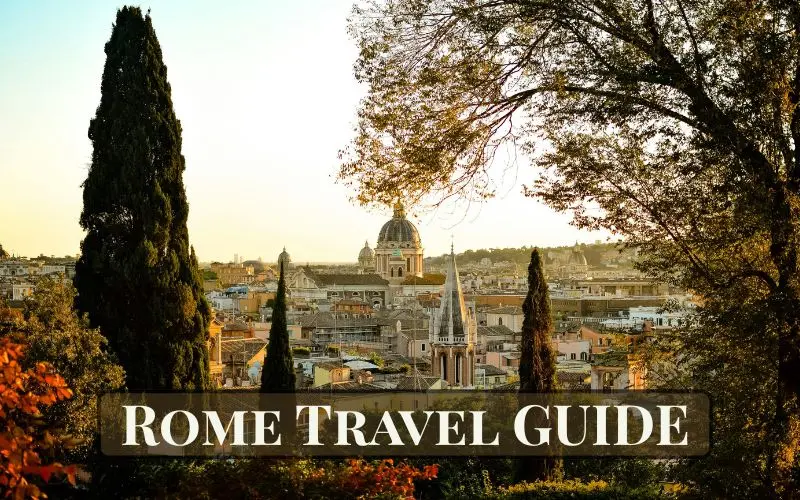
Rome, Italy, is a city where ancient history, remarkable architecture, and everyday Italian culture come together. Located in the Lazio region, Italy’s capital has been a major destination for travelers who want to experience world-famous landmarks, historic neighborhoods, and authentic Roman traditions.
Planning a trip to Rome can feel overwhelming because the city offers centuries of history, countless attractions, and unique experiences around every corner. The best way to explore Rome is to balance its iconic landmarks with quieter streets, local food spots, scenic viewpoints, and cultural experiences that showcase the city beyond the usual tourist routes.
This guide brings together the best things to do in Rome Italy, based on extensive travel research and insights into the city’s most popular attractions, hidden gems, and practical travel considerations. You’ll discover must-see sights, interesting places to visit, and helpful tips to plan a memorable Rome itinerary.
Explore Ancient Rome’s Historic Landmarks
Your Rome trip is not complete without exploring the ancient landmarks that tell the story of one of the world’s greatest civilizations. As you walk through Rome’s historic center, you’ll find monuments that have stood for centuries, showcasing the incredible engineering, architecture, and culture of the Roman Empire.
These historic attractions are among the most famous sites in Rome and are perfect for your first visit to Italy’s capital. Give yourself enough time to explore each place because these landmarks are more than just photo stops; they help you understand how Ancient Rome shaped the world.
Read Also:
- Best Time to Visit Italy for Great Weather & Fewer Crowds
- Useful Italian Phrases to Know Before Visiting Italy
Colosseum: Experience the Symbol of Ancient Rome
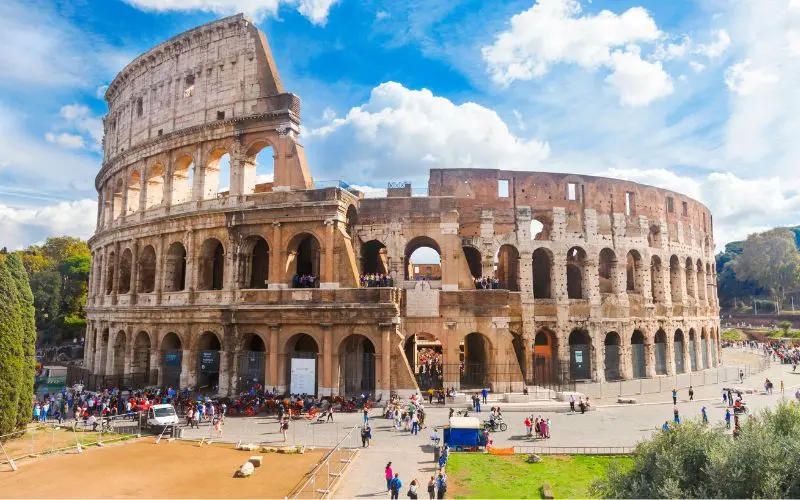
No visit to Rome feels complete without seeing the Colosseum, one of the city’s most recognizable landmarks. Standing in the heart of the Italian capital, this ancient amphitheater gives you a glimpse into the power, ambition, and daily life of the Roman Empire nearly two thousand years ago.
As you explore the Colosseum, you can discover the stories behind its massive stone arches, underground chambers, and arena where public spectacles once entertained thousands of Romans. Walking through this historic site helps you understand why it remains one of the top Rome must-see sights and a highlight for travelers visiting Italy.
The Colosseum sits close to the Roman Forum and Palatine Hill, allowing you to combine three of Rome’s most important ancient attractions in one route. Plan your visit in advance, especially during the busy summer months, as entry times can fill quickly. Visiting early in the day or near closing time can help you enjoy a quieter experience.
Read Also:
- Most Beautiful Places in the World to Visit Once in a Lifetime
- Most Beautiful UNESCO World Heritage Sites in the World
- Most Beautiful Countries in the World You Must Visit
Roman Forum and Palatine Hill: Discover the Center of Ancient Rome
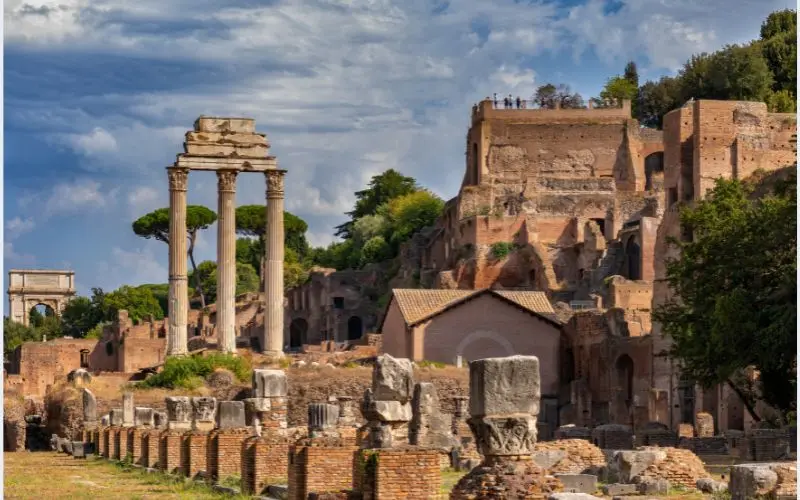
A short walk from the Colosseum brings you to the Roman Forum, the center of public life in Ancient Rome. This archaeological site was once filled with temples, government buildings, markets, and gathering spaces where important moments in Roman history took place.
When you explore the ruins, you’ll see the remains of a city that was once the heart of a powerful empire. Nearby Palatine Hill gives you beautiful views over the Roman Forum and offers a quieter place to appreciate Rome’s ancient landscape.
Add the Roman Forum and Palatine Hill to your itinerary if you want to experience one of the most important historical sites in Rome beyond the famous monuments.
Pantheon: See One of Rome’s Best-Preserved Ancient Buildings
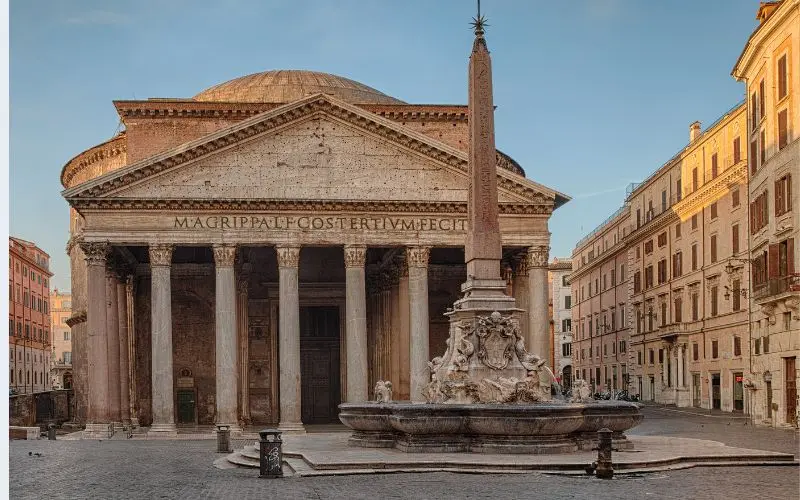
The Pantheon is one of the best-preserved ancient buildings in Rome and a masterpiece of Roman architecture. Located in the historic city center, this remarkable structure is known for its huge dome and the circular opening at the top, called the oculus.
When you step inside, you’ll notice how the design creates a unique connection between light, space, and architecture. The Pantheon has survived nearly two thousand years, making it one of the most fascinating places to visit in Rome.
Add this landmark to your Rome sightseeing list, especially if you enjoy history, architecture, and discovering the stories behind famous places in Italy.
Experience Rome Through Its Historic Streets and City Squares
Some of the most memorable experiences in Rome happen while you are exploring the city on foot. Away from the major monuments, Rome’s historic squares, elegant streets, and beautiful fountains reveal the city’s culture, traditions, and everyday atmosphere.
As you walk through the heart of Rome, you’ll find places where history meets local life. Take time to enjoy a coffee in a charming piazza, watch street performers, admire centuries-old architecture, and discover the small details that make the Italian capital so unique.
Trevi Fountain: Experience a Timeless Symbol of Rome
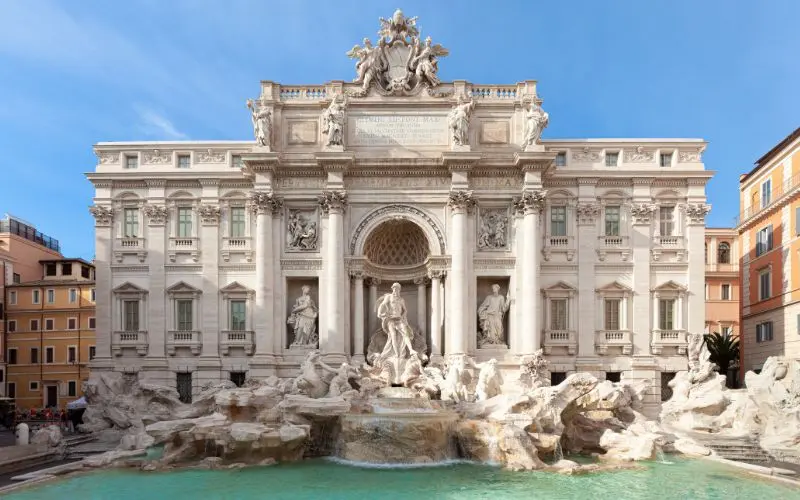
The Trevi Fountain is one of the most unforgettable places to see in Rome. Located in the historic center, this stunning Baroque masterpiece attracts visitors with its detailed sculptures, impressive design, and the sound of flowing water.
Don’t forget to try the well-known Trevi Fountain tradition of throwing a coin into the water, which is said to bring good luck and a future return to Rome. The fountain looks especially beautiful after sunset when the lights highlight its dramatic details.
Plan your visit early in the morning or later in the evening if you want to enjoy this famous Rome attraction with fewer crowds. Its central location also makes it easy to include with nearby sights such as the Pantheon and Spanish Steps.
Spanish Steps: Visit One of Rome’s Most Loved Landmarks
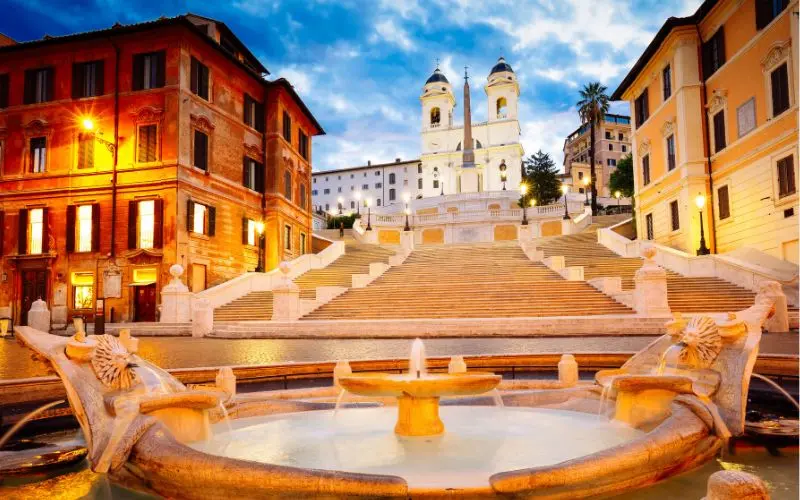
The Spanish Steps are one of the most recognizable landmarks in Rome and a popular stop during a city sightseeing walk. Located in Piazza di Spagna, this elegant staircase connects the square with the Trinità dei Monti church and has been a meeting place for visitors and locals for generations.
After visiting the steps, explore the surrounding streets to experience one of Rome’s most stylish areas. Nearby Via dei Condotti is famous for Italian fashion boutiques, historic cafés, and beautiful architecture.
Visit during the early evening to enjoy the lively atmosphere as people gather around the square and the surrounding streets become filled with the energy of Rome’s city life.
Read Also:
Piazza Navona: Experience Rome’s Artistic Side
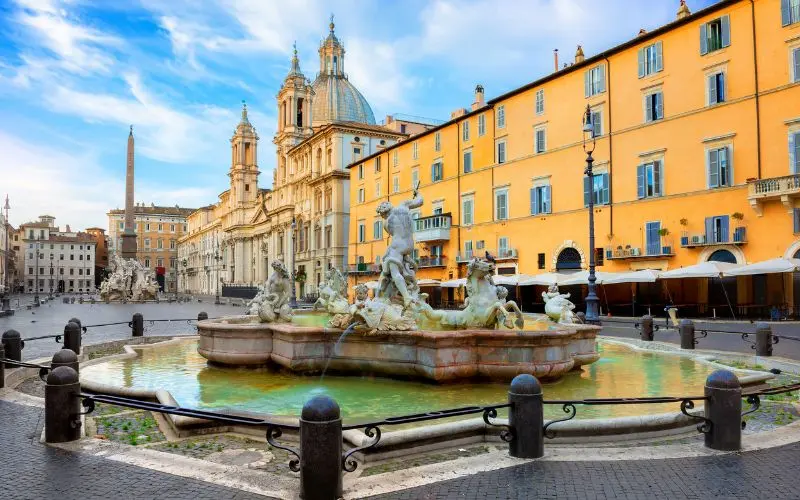
Piazza Navona is one of the most beautiful squares in Rome and a place where you can experience the city’s artistic heritage. Built around the remains of an ancient Roman stadium, the square is known for its Baroque architecture, impressive fountains, and lively atmosphere.
The highlight of Piazza Navona is the Fountain of the Four Rivers, created by Gian Lorenzo Bernini. While exploring the square, you’ll find local artists, street performers, outdoor cafés, and historic buildings that showcase Rome’s unique character.
Spend some time here instead of rushing through. Piazza Navona is a perfect place to relax and enjoy the atmosphere of central Rome.
Campo de’ Fiori: Experience Traditional Roman Life
Campo de’ Fiori offers a different side of Rome compared with its grand monuments and famous landmarks. This historic square is best known for its morning market, where you can see fresh produce, flowers, spices, and local Italian products.
Visit earlier in the day to experience the traditional market atmosphere and observe a more authentic side of Roman life. The nearby streets are also worth exploring, with small restaurants, cafés, and historic buildings around every corner.
If you want to discover Rome beyond the usual tourist routes, Campo de’ Fiori is a great place to add to your itinerary.
Discover Vatican City and Rome’s Artistic Treasures
A visit to Rome is also a journey through centuries of art, faith, and incredible architecture. Inside the city, you’ll find Vatican City, the world’s smallest independent country and one of the most important cultural destinations in Europe.
This area deserves enough time on your Rome itinerary because it offers some of the world’s most famous artworks, historic buildings, and religious landmarks. As you explore Vatican City and nearby attractions, you’ll discover masterpieces created by some of history’s greatest artists while learning about Rome’s deep connection with art and culture.
Vatican Museums and Sistine Chapel: Explore One of the World’s Greatest Art Collections
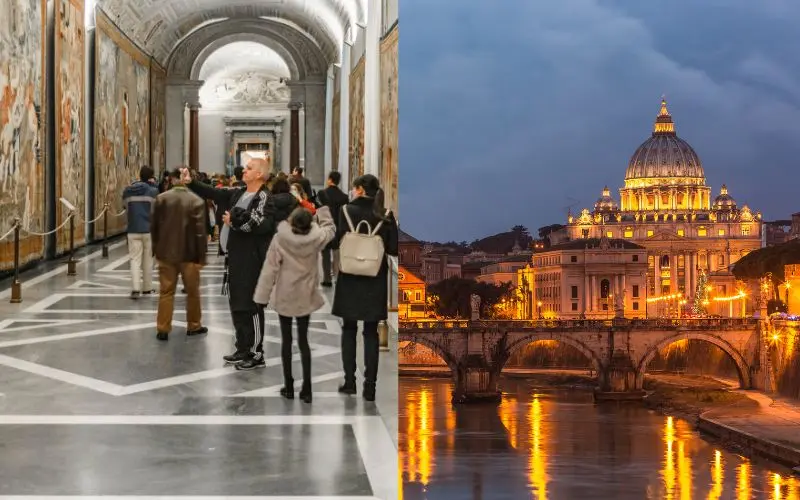
The Vatican Museums are a highlight of any Rome itinerary, giving you the chance to explore centuries of art, priceless sculptures, ancient artifacts, and remarkable collections preserved by the Vatican. As you walk through the galleries, you’ll see works created by legendary artists, including Michelangelo, Raphael, and other masters of the Renaissance.
The highlight for many visitors is the Sistine Chapel, famous for Michelangelo’s breathtaking ceiling and The Last Judgment.Give yourself enough time to appreciate the artwork, as the incredible details and hidden stories behind each piece deserve more than a quick glance.
To make your visit smoother, reserve your tickets in advance and consider going early in the morning. The Vatican Museums can become extremely busy, especially during peak travel seasons.
St. Peter’s Basilica: Visit One of Rome’s Most Magnificent Churches
St. Peter’s Basilica is one of the most impressive religious buildings in the world and a must-see attraction in Vatican City. The enormous dome, grand interior, and detailed artwork make it one of the most remarkable examples of Renaissance architecture.
When you enter the basilica, you’ll find famous works such as Michelangelo’s Pietà and the beautiful bronze baldachin created by Bernini. Climbing to the top of the dome is also worth considering if you want one of the best views over Rome and Vatican City.
Remember to dress appropriately when visiting St. Peter’s Basilica, as it is an active place of worship. Arriving early can also help you enjoy the peaceful atmosphere before larger crowds arrive.
Castel Sant’Angelo: Experience One of Rome’s Most Unique Historic Sites
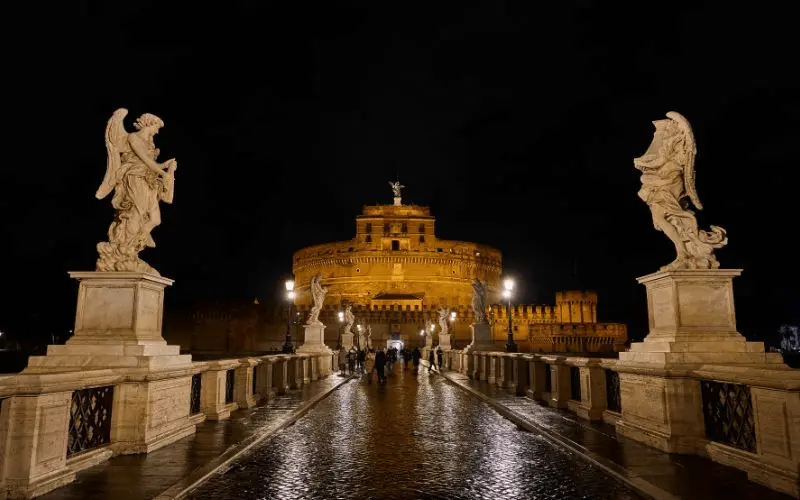
Located near the Vatican along the Tiber River, Castel Sant’Angelo is a historic fortress with a unique story. Originally built as a mausoleum for Emperor Hadrian, the structure later served as a military stronghold, papal residence, and defensive castle.
You can walk through Castel Sant’Angelo’s historic chambers, explore its old corridors, and reach the rooftop terrace for impressive views across Rome. The castle’s location also makes it a great stop while walking between Vatican City and the city center.
Add Castel Sant’Angelo to your Rome sightseeing route if you want to experience a landmark that combines ancient history, architecture, and some of the best views in the city.
Discover the Local Side of Rome
Rome’s famous landmarks tell the story of its past, but its neighborhoods reveal how the city lives today. Spending a few hours exploring these local areas gives you a chance to enjoy quieter streets, family-owned restaurants, artisan shops, and everyday Roman life away from the busiest tourist attractions.
Each neighborhood has its own personality, making it worth adding at least one or two to your itinerary. You’ll discover hidden courtyards, local cafés, scenic streets, and experiences that many visitors miss when they only focus on Rome’s major landmarks.
Trastevere: Discover the Heart of Rome’s Local Life
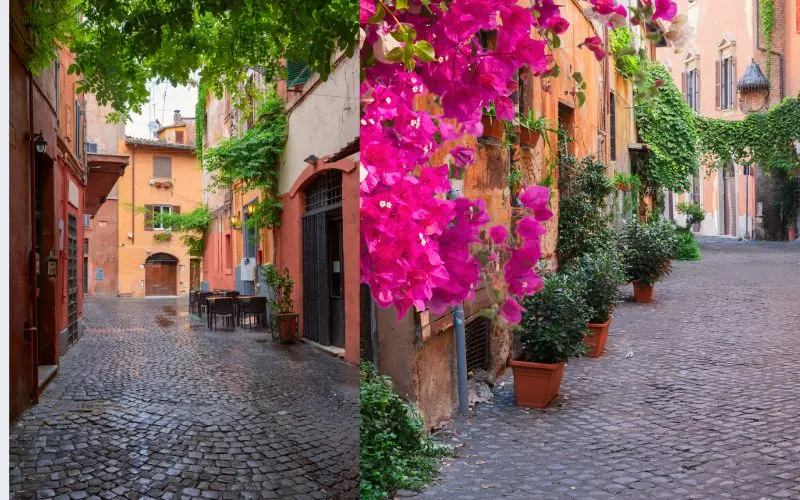
Cross the Tiber River and you’ll arrive in Trastevere, a neighborhood known for its cobbled lanes, colorful buildings, and relaxed atmosphere. Walking through its narrow streets is one of the best ways to experience a different side of Rome, where small piazzas, ivy-covered homes, and traditional trattorias create a welcoming setting.
Take your time exploring the area without a fixed plan. You’ll often discover hidden churches, local boutiques, and quiet corners that rarely appear in guidebooks. In the evening, Trastevere becomes even more lively as restaurants and cafés fill with both locals and visitors.
Monti: Discover Rome’s Creative Side
Just a short walk from the Colosseum, Monti offers a refreshing change from Rome’s busiest tourist areas. This historic neighborhood blends old-world charm with independent boutiques, vintage shops, artisan studios, and stylish cafés.
Spend some time wandering through its peaceful streets and small squares, where you’ll find a more relaxed pace than the city’s main attractions. Monti is also a great place to enjoy authentic Italian coffee or browse local stores selling handmade products and unique souvenirs.
Testaccio: Taste Traditional Roman Cuisine
If you want to experience Rome through its food, make time for Testaccio. Often considered the birthplace of traditional Roman cuisine, this neighborhood is well known for its family-run restaurants, local bakeries, and bustling food market.
Instead of choosing restaurants near the city’s busiest attractions, head to Testaccio to enjoy classic Roman dishes prepared using recipes passed down through generations. It’s also a great place to sample local specialties while experiencing a neighborhood that remains deeply connected to everyday Roman life.
Discover Rome’s Hidden Gems
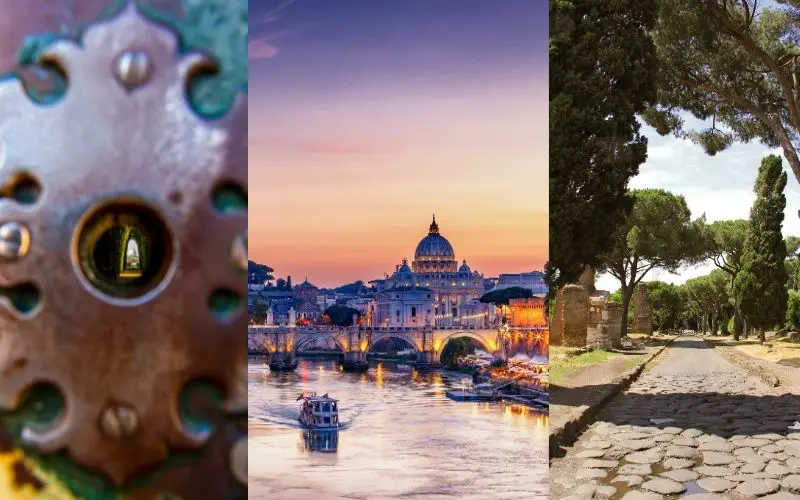
Rome has plenty of famous landmarks, but some of its most rewarding experiences are found away from the busiest tourist areas. Exploring a few lesser-known places gives you a chance to see a quieter side of the city while learning more about its history, architecture, and local culture.
If you have extra time in your itinerary, consider adding these hidden gems to your list. They offer a different perspective on Rome and often feel less crowded than the city’s best-known attractions.
Aventine Keyhole: Catch a Unique View of St. Peter’s Basilica
Aventine Keyhole is one of Rome’s most unusual viewpoints. Looking through the small keyhole on the gate of the Priory of the Knights of Malta reveals a perfectly framed view of the dome of St. Peter’s Basilica, surrounded by a tree-lined pathway.
The experience only takes a few minutes, but it has become one of the city’s most memorable photo spots. Since space is limited, visit early in the morning or later in the afternoon for a more relaxed experience.
Basilica di San Clemente: Discover Layers of Rome’s History
Basilica di San Clemente offers one of the most fascinating historical experiences in Rome. What makes this church unique is that you can explore several layers of history beneath the current building, including an older basilica and the remains of ancient Roman structures.
As you descend through each level, you’ll discover how Rome has changed over nearly two thousand years. This remarkable site is ideal if you’re interested in archaeology, early Christianity, or the city’s rich historical heritage.
Via Appia Antica: Walk Along One of Ancient Rome’s Oldest Roads
Via Appia Antica, also known as the Appian Way, was one of the most important roads of the Roman Empire. Today, you can walk or cycle along its ancient stone path while passing historic ruins, catacombs, aqueducts, and peaceful countryside.
The quieter surroundings offer a welcome break from the busy streets of central Rome. Wear comfortable shoes and allow several hours if you want to explore the area at a relaxed pace.
Quartiere Coppedè: Admire Rome’s Most Unusual Architecture
Quartiere Coppedè is one of Rome’s best-kept secrets for architecture lovers. This small residential district stands out with its mix of Art Nouveau, medieval, Gothic, and Baroque influences, creating a style unlike anywhere else in the city.
Take a slow walk through the neighborhood and notice the decorative buildings, elegant archways, and imaginative details designed by architect Gino Coppedè. If you’re looking for unique places to visit in Rome beyond the usual tourist attractions, this hidden corner is well worth your time.
Enjoy Rome’s Scenic Viewpoints and Peaceful Green Spaces
While Rome is famous for its ancient history, the city also has quiet green spaces and breathtaking viewpoints that are perfect for slowing down during your trip. These spots are perfect for taking a break, capturing memorable photos, or simply enjoying the atmosphere of Italy’s capital.
Orange Garden (Giardino degli Aranci): Relax With Panoramic Views of Rome
Perched on Aventine Hill, the Orange Garden, locally known as Giardino degli Aranci, is one of the most peaceful places to visit in Rome. This quiet public garden offers sweeping views of the city’s rooftops, church domes, and the winding Tiber River.
Bring a camera or simply find a bench to enjoy the scenery. Many visitors come here in the late afternoon when the softer light creates excellent photo opportunities and a calm atmosphere.
Gianicolo Hill: Watch the Sunset Over Rome
Gianicolo Hill, also called Janiculum Hill, is one of the best places to watch the sun set over Rome. Although it isn’t one of the city’s traditional seven hills, it rewards visitors with spectacular panoramic views stretching across the historic center.
Visit in the evening and you’ll see famous landmarks, church domes, and terracotta rooftops glowing in the golden light. The hill is also known for its daily noon cannon tradition, a custom that has helped mark the time in Rome for generations.
Villa Borghese Gardens: Escape to Rome’s Largest Green Oasis
If you need a break from sightseeing, head to Villa Borghese Gardens, one of Rome’s largest and most beautiful public parks. Wide walking paths, shaded gardens, peaceful lakes, and open green spaces make it an excellent place to unwind after exploring the city’s busy streets.
You can rent a bicycle or pedal boat, visit nearby museums, or simply enjoy a leisurely stroll beneath the trees. Villa Borghese is also a wonderful choice for families, couples, and anyone looking to experience a quieter side of Rome without leaving the city center.
Taste Rome Through Its Traditional Food Experiences

Food is one of the best ways to experience Rome beyond its famous landmarks. During your visit, make time to explore local restaurants, traditional markets, and small food spots where you can discover the flavors that have shaped Roman cuisine for generations.
Trying local dishes is one of the most enjoyable things to do in Rome Italy, especially if you want to experience the city’s culture through its everyday traditions. From classic pasta recipes to authentic street food, Rome offers plenty of memorable activities in Rome Italy for food lovers.
Try Authentic Roman Pasta Dishes
Roman cuisine is known for simple ingredients and bold flavors. Don’t leave Rome without tasting classic pasta dishes such as carbonara and cacio e pepe.
Carbonara combines eggs, Pecorino Romano cheese, black pepper, and guanciale to create one of Rome’s most famous dishes. Cacio e pepe keeps things simple with Pecorino Romano and freshly ground pepper, yet its rich flavor has made it a favorite among locals and visitors.
For a more authentic experience, look for traditional trattorias away from the busiest tourist streets and enjoy these dishes the way Romans have prepared them for generations.
Taste Supplì: Rome’s Favorite Street Food
Supplì is a must-try Roman snack, especially if you enjoy discovering local flavors while exploring the city. These fried rice balls are usually filled with tomato sauce, mozzarella, and other simple ingredients, creating a crispy outside with a warm, cheesy center.
You’ll often find supplì in pizzerias, bakeries, and casual food spots around Rome. It makes a perfect quick bite while walking between attractions.
Enjoy Traditional Roman Pizza
Roman pizza has its own unique style that sets it apart from other Italian pizzas. Known for its thin, crispy base, it is a popular choice for a casual meal during your trip.
Visit a local pizzeria and try classic toppings while enjoying the relaxed atmosphere that makes Roman dining special. Pizza al taglio, sold by the slice, is also a convenient option when you want a quick meal while sightseeing.
Visit Local Markets for an Authentic Food Experience
Rome’s markets offer a chance to experience the city like a local. Places such as Campo de’ Fiori market and Testaccio Market allow you to discover fresh produce, regional ingredients, cheeses, spices, and traditional products.
Walking through these markets gives you a better understanding of Roman food culture and introduces you to flavors you may not find in typical tourist restaurants.
Enjoy Italian Gelato in Rome
No Rome food experience is complete without trying authentic Italian gelato. Take a break from sightseeing and visit a traditional gelateria to enjoy flavors such as pistachio, chocolate, hazelnut, or seasonal fruit.
Look for gelaterias that focus on fresh ingredients and avoid overly bright artificial colors, which can be a sign of lower-quality products. A good gelato stop is one of the simplest pleasures you can add to your Rome itinerary.
Best Day Trips From Rome
Rome offers enough attractions to keep you busy for days, but the surrounding areas are also filled with fascinating history and beautiful places to explore. Adding a day trip to your itinerary allows you to discover ancient ruins, stunning gardens, and destinations beyond the city center.
These places near Rome Italy to visit are ideal if you want to experience more of the region while staying based in the Italian capital.
Pompeii: Explore a City Frozen in Time
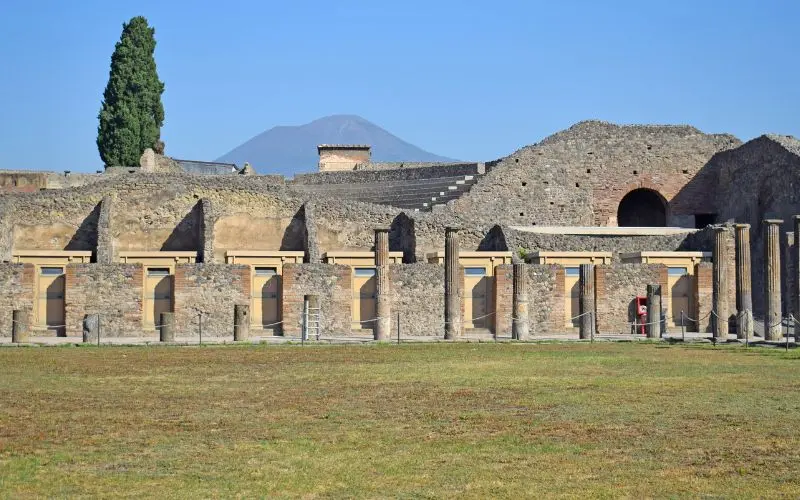
Pompeii is one of the most famous archaeological sites in Italy and one of the most interesting things to do near Rome. Located near Naples, this ancient city was preserved after the eruption of Mount Vesuvius in 79 AD.
As you walk through the ruins, you can see ancient homes, streets, temples, and public buildings that reveal what daily life looked like almost 2,000 years ago. A visit to Pompeii is a memorable experience for history lovers and anyone interested in Roman civilization.
Tivoli and Villa d’Este: Discover Gardens and Historic Villas
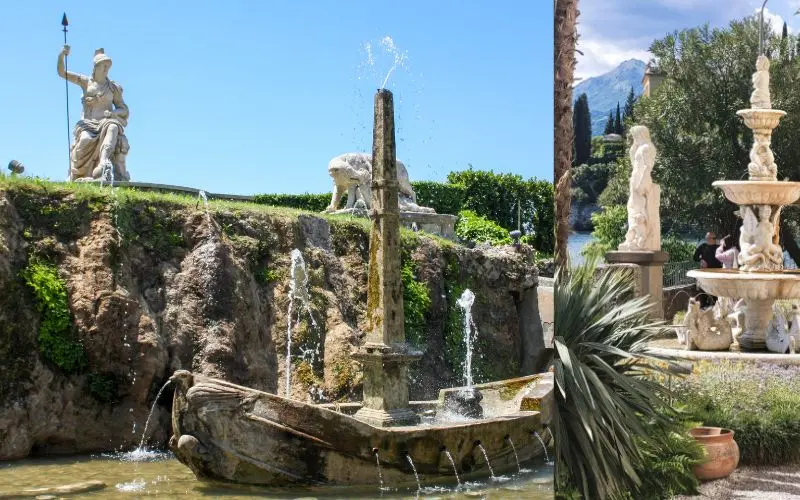
Located close to Rome, Tivoli is a beautiful destination known for its historic villas and peaceful surroundings. The highlight is Villa d’Este, a UNESCO World Heritage Site famous for its Renaissance gardens and impressive fountains.
Spend the day exploring elegant architecture, landscaped gardens, and scenic views while enjoying a quieter atmosphere away from Rome’s busy streets.
Ostia Antica: Walk Through Ancient Rome’s Harbor City
Ostia Antica offers a fascinating look at everyday Roman life without the crowds found at some of Italy’s more famous archaeological sites. Once the main port of Ancient Rome, this historic city features preserved streets, homes, temples, and public buildings.
You can walk through the ruins and imagine how merchants, workers, and residents lived in this important Roman settlement. Its location near Rome makes it an easy and rewarding day trip for travelers interested in history.
Rome Travel Tips for First-Time Visitors
Planning your first trip to Rome becomes much easier when you know how to organize your time, where to stay, and how to move around the city. This Rome travel guide covers the essential things you need to know before visiting Italy’s capital, helping you make the most of your experience.
How Many Days Do You Need in Rome?
Ideally, plan at least 3 to 4 days in Rome to experience the city without rushing. This gives you enough time to explore famous landmarks, enjoy local food, visit museums, and discover some quieter neighborhoods.
A shorter trip is still possible, but you’ll need to prioritize the attractions that matter most to you and plan your route carefully.
Best Areas to Stay in Rome
Choosing the right neighborhood can make your trip more enjoyable. Staying near the historic center gives you easy access to many major attractions and allows you to explore more of Rome on foot.
Popular areas include:
- Centro Storico: Best for first-time visitors who want to stay close to famous landmarks.
- Trastevere: A great choice if you prefer charming streets, restaurants, and a local atmosphere.
- Monti: Ideal for travelers looking for a stylish neighborhood close to the Colosseum.
- Prati: A convenient area for visitors planning to spend more time near Vatican City.
Getting Around Rome
Walking is one of the best ways to experience Rome because many attractions are located close to each other. For longer distances, you can use the metro, buses, and trams to move around the city.
Wear comfortable shoes because Rome’s cobblestone streets and walking routes can be challenging, especially during a full day of sightseeing.
Book Popular Attractions in Advance
Rome’s most famous attractions can get crowded, especially during the high season. Reserve tickets ahead of time for places like the Colosseum, Vatican Museums, and other popular sites to save time and avoid long queues.
Planning your visits around timed entries can also help you create a smoother itinerary.
Avoid Common Tourist Traps
To enjoy a more authentic Rome experience, avoid restaurants directly beside major attractions where prices can be higher and quality may vary. Walk a few streets away and look for places filled with locals.
Be careful with unofficial tour sellers around busy landmarks and always check prices before ordering at cafés or restaurants in tourist areas.
Rome Itinerary Ideas
A good Rome itinerary depends on how much time you have and how deeply you want to explore the city. These sample plans help you organize your visit while covering the highlights without feeling rushed.
One Day in Rome
With only one day in Rome, focus on the city’s most famous landmarks. Start early with the Colosseum and Roman Forum, then explore the historic center with stops at the Pantheon, Trevi Fountain, and Piazza Navona.
End your day with a walk through Rome’s beautiful streets and enjoy a traditional Italian meal in the evening.
Two Days in Rome
Two days allow you to explore more of Rome’s history and culture. Spend your first day visiting ancient landmarks and the historic center.
On your second day, explore Vatican City, St. Peter’s Basilica, and nearby attractions. Add time for a neighborhood walk in places like Trastevere or Monti to experience a different side of Rome.
Three Days in Rome
Three days gives you the perfect balance of sightseeing, food, and local experiences. Visit the major attractions at a comfortable pace, explore hidden gems, and enjoy Rome’s parks, viewpoints, and neighborhoods.
Use your extra day to discover places beyond the main tourist routes, try more Roman dishes, and enjoy the atmosphere that makes Rome one of Italy’s most unforgettable cities.
How Much Does a Trip to Rome Cost?
The cost of a Rome trip depends on your travel style, the season you visit, your accommodation choices, and the experiences you want to add. Rome can fit different budgets, but having a realistic estimate helps you plan your Italy vacation with confidence.
A budget traveler can expect to spend around $70–$110 per day per person (about €60–€100), excluding international flights. This usually covers budget accommodation, public transportation, affordable meals, and free attractions. You can save money by staying outside the busiest areas, eating at local cafés, and exploring Rome’s many free sights.
A comfortable mid-range trip usually costs around $160–$275 per day per person (about €150–€250). This budget allows you to stay in a comfortable hotel or apartment, enjoy traditional Italian restaurants, use public transport, and visit popular attractions such as the Colosseum and Vatican Museums.
For a luxury Rome experience, expect to spend $325+ per day per person (about €300+) depending on your hotel, dining choices, private tours, and shopping preferences.
For a 7-day Italy trip including Rome, a realistic estimate is:
- Budget traveler: $800–$1,200 per person (excluding international flights)
- Mid-range traveler: $1,700–$3,000 per person (excluding flights)
- Luxury traveler: $3,500+ per person
If you are adding other Italian destinations such as Florence, Venice, or the Amalfi Coast, include extra costs for trains, additional accommodation, and activities.
To reduce your Italy travel expenses, book major attractions early, use public transportation, visit free landmarks, and choose restaurants away from major tourist areas. Traveling during spring or autumn can also help you enjoy better weather with fewer crowds and potentially lower prices.
Frequently Asked Questions About Things to Do in Rome Italy
What are the top 5 attractions in Rome?
The top attractions you should not miss in Rome include the Colosseum, Roman Forum, Vatican Museums and Sistine Chapel, St. Peter’s Basilica, and Trevi Fountain. These landmarks showcase Rome’s ancient history, incredible architecture, and artistic heritage.
What are the best things to do in Rome Italy with kids?
Rome is a great destination for families, with plenty of activities that children can enjoy. Some of the best things to do with kids include exploring the Colosseum, visiting Villa Borghese Gardens, enjoying gelato, making a wish at Trevi Fountain, and discovering ancient ruins through interactive tours designed for families.
What non-touristy things can you do in Rome?
For a quieter side of Rome, explore neighborhoods such as Trastevere, Testaccio, and Monti, visit local markets, walk along Via Appia Antica, or discover hidden gems like Quartiere Coppedè and Basilica di San Clemente. These experiences allow you to see more of Rome beyond the famous landmarks.
What is the best month to visit Rome?
The best months to visit Rome are usually April to May and September to October. During these periods, you can enjoy comfortable weather, fewer crowds compared with summer, and better conditions for walking around the city’s outdoor attractions.
What should you not do in Rome as a tourist?
Avoid visiting major attractions without booking tickets in advance during busy seasons, eating at restaurants directly beside tourist landmarks, and trying to see too many sights in one day. Wear comfortable shoes, respect local customs, and take time to enjoy Rome’s neighborhoods and food culture.
What is the cheapest month to go to Rome?
The cheapest months to visit Rome are usually January, February, and November, when tourist demand is lower. During these periods, you may find better deals on flights and accommodation, although some days can be cooler and less ideal for outdoor sightseeing.
What shouldn’t I miss in Rome?
You shouldn’t miss walking through Rome’s historic center, visiting the Colosseum, exploring Vatican City, throwing a coin into Trevi Fountain, enjoying authentic Roman food, and watching the sunset from a viewpoint such as Gianicolo Hill or the Orange Garden.