The 12 Best Countries to Visit in South America
Published: 1 Aug 2026
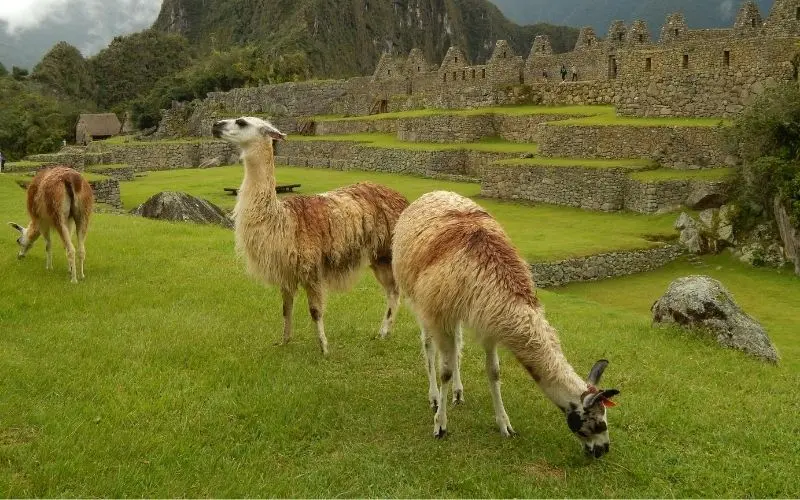
Choosing the best countries to visit in South America isn’t easy because every destination offers something different. Peru is famous for ancient Inca sites, Brazil for its lively cities and beautiful beaches, Chile for dramatic landscapes, and Colombia for its colorful culture. Whether you’re planning your first visit or returning to explore more of the continent, there’s no shortage of unforgettable places to discover.
The right destination depends on the kind of trip you have in mind. Some countries are perfect for hiking and outdoor adventures, while others are better known for wildlife, food, history, or relaxing coastal escapes. If you’re short on time, focusing on the countries that match your interests will help you make the most of your trip.
In this guide, you’ll find the 12 best countries to visit in South America, including their top attractions, must-see places, the best time to visit, and practical travel tips. We selected each destination based on its natural beauty, cultural experiences, iconic landmarks, ease of travel, and what makes it worth visiting, so you can plan your trip with confidence.
Why Visit South America?
South America rewards travelers with an incredible variety of experiences that are difficult to find in one region. You can explore ancient archaeological sites in Peru, hike through Patagonia in Argentina and Chile, cruise along the Amazon River, relax on Brazil’s Atlantic coast, or discover the unique wildlife of the Galápagos Islands in Ecuador. Every country has its own landscapes, traditions, and local cuisine, so no two trips feel the same.
The continent is also home to many of the world’s most recognizable natural and cultural landmarks, including Machu Picchu, Iguazu Falls, Torres del Paine National Park, the Atacama Desert, and Christ the Redeemer. Beyond these famous attractions, you’ll find historic towns, mountain villages, national parks, and local communities that give each destination its own identity.
If you’re planning your first trip, it’s worth thinking about what you want most from your vacation. Peru and Brazil are popular choices for first-time visitors, while Chile and Argentina are known for scenic road trips and hiking. Colombia offers vibrant cities and Caribbean beaches, and Bolivia appeals to travelers looking for dramatic landscapes and fewer crowds. Choosing destinations that match your interests will help you get more from your time in South America.
Which South American Country Is Right for You?
Not sure where to start? Here’s a quick guide to help you choose the country that best matches your travel style.
- Peru: Ancient Inca sites, Machu Picchu, mountain scenery, and world-famous cuisine.
- Brazil: Iconic beaches, Rio de Janeiro, the Amazon Rainforest, and Carnival.
- Argentina: Buenos Aires, Patagonia, glaciers, and renowned wine regions.
- Chile: Patagonia, the Atacama Desert, volcanoes, and scenic road trips.
- Colombia: Colonial towns, Caribbean beaches, coffee regions, and vibrant cities.
- Ecuador: The Galápagos Islands, volcanoes, cloud forests, and diverse wildlife.
- Bolivia: Salar de Uyuni, high-altitude lakes, indigenous culture, and affordable travel.
- Uruguay: Atlantic beaches, wineries, charming towns, and a relaxed atmosphere.
- Paraguay: Local culture, Jesuit heritage, nature reserves, and uncrowded attractions.
- Guyana: Kaieteur Falls, rainforest adventures, wildlife, and eco-tourism.
- Suriname: Rainforest, river expeditions, multicultural heritage, and Dutch colonial architecture.
- Venezuela: Angel Falls, Caribbean islands, and spectacular natural landscapes. Always check the latest travel advisories before planning a visit.
Best Time to Visit South America
South America is a year-round destination, but the best time to visit depends on where you’re going. The dry season (May to September) is ideal for Peru, Bolivia, and Ecuador, while December to March is the best time to explore Patagonia in Argentina and Chile. Brazil’s beaches are popular throughout the year, with summer bringing the warmest weather and biggest festivals.
Best Places to Visit in South America: Top 12 Countries
Choosing where to travel in South America isn’t easy. Every country has its own history, landscapes, local traditions, and famous landmarks. These 12 destinations are among the best places to visit, whether you’re planning your first trip or returning to explore more of the continent.
1. Peru
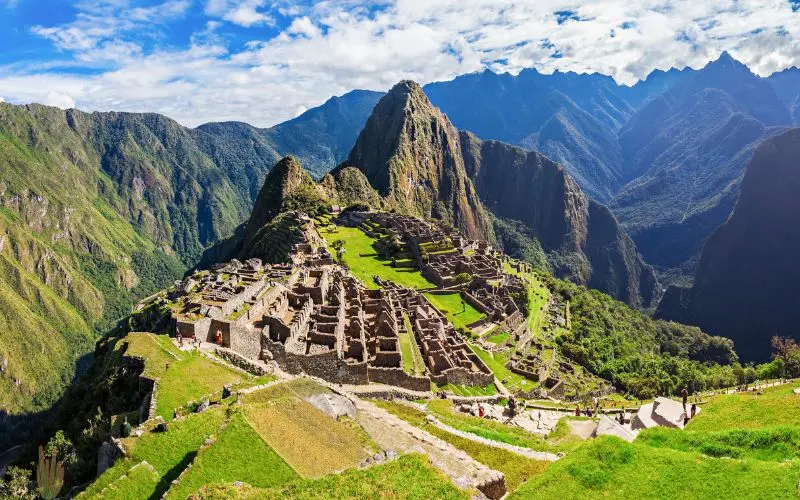
Few countries in South America pack as much variety into one destination as Peru. Ancient civilizations, dramatic mountain landscapes, vibrant cities, and one of Latin America’s finest food scenes come together to create a journey that’s as rewarding for history lovers as it is for adventure seekers. While Machu Picchu is the country’s best-known attraction, Peru’s appeal goes far beyond its iconic ruins.
Start your journey in Cusco, the former capital of the Inca Empire, where cobbled streets, centuries-old churches, and lively markets reflect the country’s rich cultural heritage. From here, the Sacred Valley leads to Machu Picchu, a UNESCO World Heritage Site that remains one of the world’s most remarkable archaeological landmarks. In Lima, you’ll find a completely different side of Peru, with award-winning restaurants, colonial architecture, and a scenic coastline overlooking the Pacific Ocean. If you’re looking for something different, Huacachina offers towering sand dunes, dune buggy rides, and sandboarding in the middle of the desert.
The dry season from May to September is the best time to visit, especially if you plan to hike or explore the Andes. Since entry to Machu Picchu is limited, it’s worth booking tickets well in advance, particularly during the busiest months.
Read Also:
- Best Time to Visit Machu Picchu
- Most Beautiful UNESCO World Heritage Sites in the World
- Best Things to Do in Peru and Top Places to Visit
2. Brazil
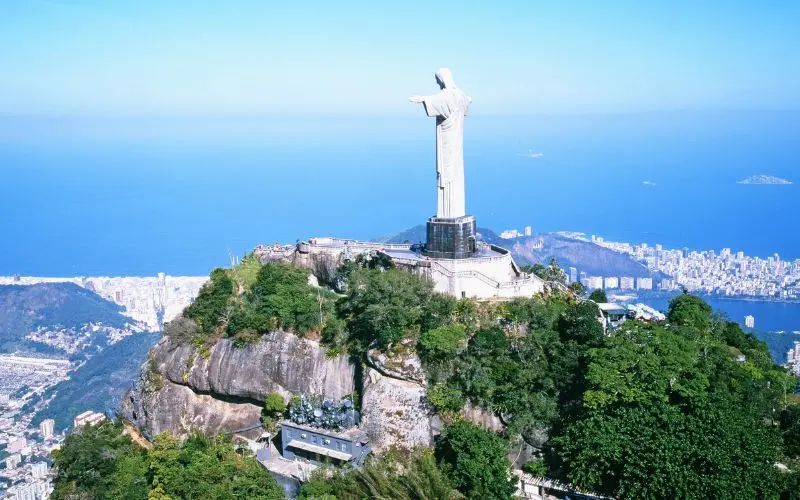
Brazil is impossible to experience in a single trip. Stretching across nearly half of South America, it combines lively cities, tropical beaches, dense rainforest, powerful waterfalls, and one of the continent’s richest cultural traditions. While Rio de Janeiro often steals the spotlight, every region has its own character and reasons to stay a little longer.
Many first-time visitors begin in Rio, where Christ the Redeemer overlooks the city and the beaches of Copacabana and Ipanema remain at the heart of local life. From there, the scenery changes quickly. The Amazon Rainforest introduces a completely different side of Brazil, with river journeys, dense jungle, and remarkable wildlife. In the south, Iguazu Falls delivers one of the most spectacular natural sights in the world, while the Pantanal offers some of South America’s best opportunities to spot jaguars, giant otters, and hundreds of bird species in the wild.
Culture is part of every journey through Brazil. Music fills public squares, football is a national passion, and each region has its own traditions and local dishes. If your visit coincides with Carnival, expect cities to come alive with parades, street parties, and celebrations that continue well into the night.
Brazil’s summer, from December to March, is the busiest time for beach destinations and Carnival. If you’re planning to explore several regions, allow extra time between destinations. Distances are much greater than many visitors expect, and domestic flights often save both time and energy.
Read Also:
- 15 Best Places to Visit in Brazil
- Best Time to Visit Brazil: Weather, Seasons & Best Months
- Best Countries to Visit in Europe
- Most Beautiful Cities in the World You Should Visit
3. Argentina
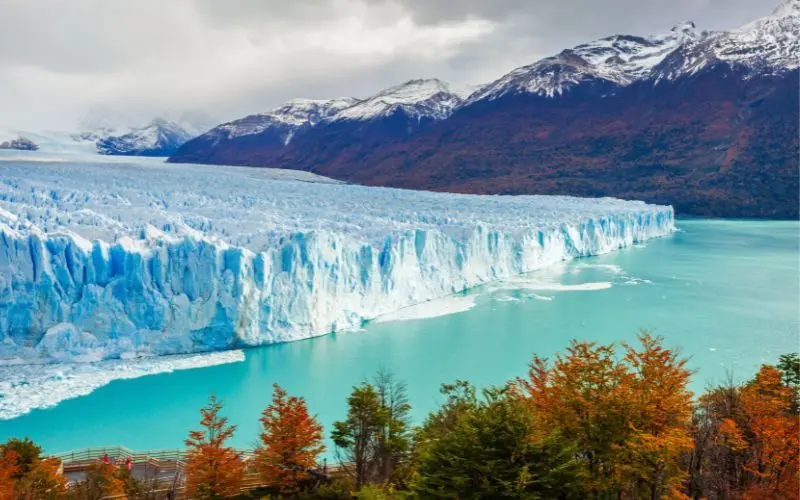
Argentina is one of South America’s most diverse destinations, known for Patagonia’s glaciers, Buenos Aires’ European-style architecture, Mendoza’s vineyards, and the spectacular Iguazú Falls. The country’s size means landscapes, climate, and local traditions change dramatically from one region to the next, giving every trip a different character.
Many travelers head south to Patagonia for its snow-capped peaks, turquoise lakes, and famous hiking trails in Los Glaciares National Park. Buenos Aires offers a different experience, with historic neighborhoods, grand boulevards, tango performances, independent bookshops, and a café culture that encourages you to slow down and enjoy the city. In western Argentina, Mendoza is the country’s leading wine region, where vineyard tours and Malbec tastings are set against the backdrop of the Andes. In the northeast, Iguazú Falls ranks among the world’s greatest natural attractions, with hundreds of waterfalls spread across a vast subtropical national park.
Argentina is equally rewarding for food lovers. Traditional parrillas serve some of the country’s best grilled meats, empanadas are found in every region, and locally produced Malbec has earned international recognition. Sharing long meals with family and friends remains an important part of daily life and gives visitors a genuine introduction to Argentine culture.
November to March is ideal for exploring Patagonia, while spring and autumn bring comfortable temperatures to Buenos Aires, Mendoza, and many other parts of the country.
Argentina is much larger than it appears on a map. Instead of trying to cover the entire country in one trip, choose two or three regions and spend more time exploring each one.
Read Also:
- Best Places to Visit in Argentina: 14 Must-See Destinations
- Iguazu Falls Argentina: Complete Travel Guide
4. Chile
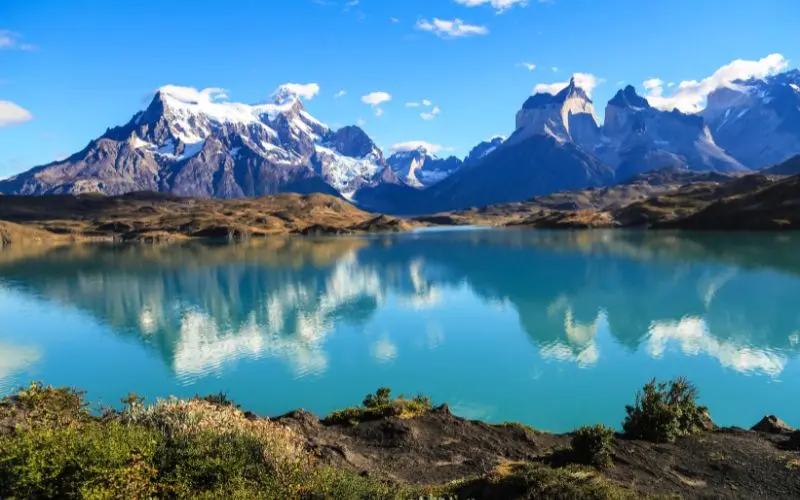
Chile stretches for more than 4,000 kilometers along South America’s Pacific coast, creating one of the continent’s most varied travel experiences. Within a single country, you can walk through the world’s driest desert, explore wine valleys, hike beneath snow-covered peaks, and cruise past glaciers and fjords. Few destinations offer such a dramatic change in scenery from north to south.
Northern Chile is home to the Atacama Desert, where salt flats, steaming geysers, colorful lagoons, and some of the clearest night skies on Earth attract photographers and stargazers throughout the year. Central Chile combines vibrant city life in Santiago with nearby vineyards and the colorful hillside city of Valparaíso. Farther south, Patagonia offers national parks, glacier-fed lakes, granite peaks, and some of the best hiking routes in South America, including Torres del Paine National Park.
Chile is a natural choice for travelers who enjoy the outdoors. Hiking, skiing, kayaking, wildlife watching, and scenic road trips are all part of the experience, with landscapes changing dramatically as you travel through the country.
October to April is the best time to explore Patagonia, while the Atacama Desert can be visited throughout the year thanks to its dry climate.
Chile covers a long distance from north to south, so focus on one or two regions instead of trying to see everything in a single trip. It will save time and allow you to experience each destination at a more relaxed pace.
Read Also:
- Best Places to Visit in Chile: 8 Destinations to Your Itinerary
- Best Time to Visit Chile: When to Go
5. Colombia
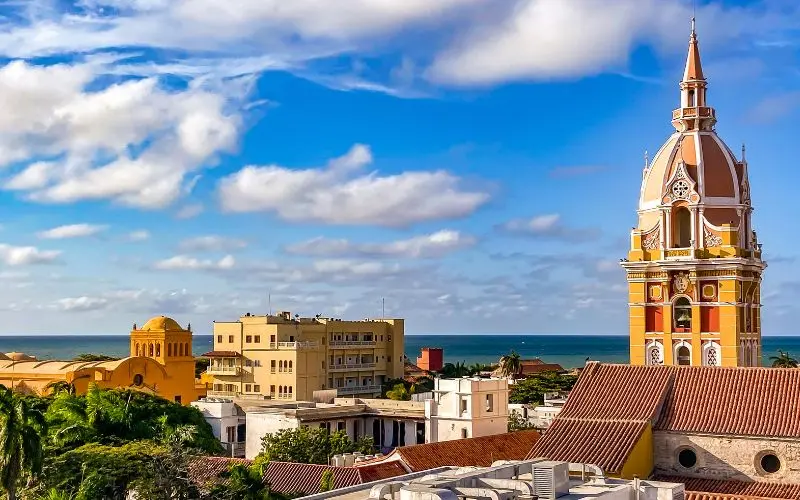
Colombia has become one of South America’s most exciting destinations, combining vibrant cities, mountain landscapes, coffee farms, and a Caribbean coastline within easy reach of one another. Every region has its own traditions, music, and cuisine, making the journey as rewarding culturally as it is geographically.
Bogotá introduces visitors to Colombia’s history through museums, colonial streets, and panoramic views from Monserrate. Medellín showcases the country’s modern side with innovative public spaces, art districts, and a mild climate throughout the year. Cartagena brings together centuries-old architecture, lively plazas, and a walled historic center overlooking the Caribbean Sea, making it one of Colombia’s most visited cities.
Beyond the cities, the Coffee Cultural Landscape offers tours of traditional coffee farms surrounded by green hills and small villages. Along the Caribbean coast, destinations such as Tayrona National Natural Park and the Rosario Islands combine tropical beaches with opportunities for hiking, snorkeling, and diving.
Music and festivals are woven into daily life across Colombia. Whether it’s salsa in Cali, traditional rhythms on the Caribbean coast, or local celebrations throughout the year, culture is experienced as much through the people as the places.
December to March and July to August generally bring drier weather to many parts of the country, making them popular months for sightseeing and outdoor activities.
Colombia’s landscapes and climate change quickly with elevation, so pack for warm coastal weather as well as cooler temperatures in mountain cities like Bogotá.
Read Also:
6. Ecuador
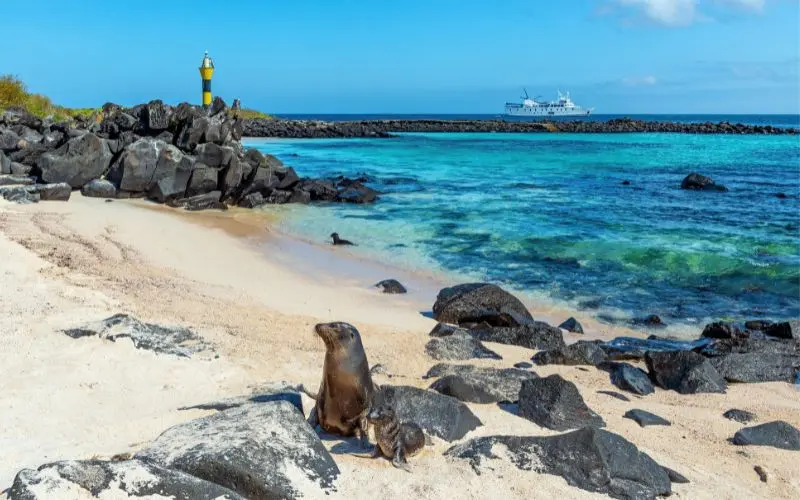
Ecuador is one of the easiest countries in South America to explore because the distances between its main attractions are surprisingly short. Within a single trip, you can walk through Quito’s historic center, stand beneath the snow-capped peak of Cotopaxi, explore the Amazon Rainforest, and continue to the Galápagos Islands, where wildlife is protected in its natural habitat.
The Galápagos Islands are the country’s biggest highlight and unlike anywhere else in the world. Giant tortoises, marine iguanas, blue-footed boobies, and playful sea lions can often be seen at close range, making the islands a favorite for wildlife enthusiasts and nature photographers. On the mainland, Quito combines colonial architecture with Andean scenery, while Cotopaxi National Park attracts hikers and climbers with one of the world’s highest active volcanoes. Travelers with more time should consider the Ecuadorian Amazon, where guided tours provide opportunities to spot monkeys, colorful birds, caimans, and other rainforest wildlife.
One of Ecuador’s biggest advantages is that you don’t need weeks to experience its diversity. A well-planned itinerary can combine the Andes, the Amazon, and the Pacific coast without covering the vast distances found in larger South American countries.
The Galápagos Islands can be visited throughout the year, although June to November is often preferred for wildlife viewing and cooler conditions. The mainland is a year-round destination, with weather varying by region and altitude.
If you want to visit the Galápagos Islands, book flights, accommodation, and island cruises as early as possible. Visitor numbers are managed to protect the fragile ecosystem, and the most popular tours often fill months in advance.
7. Bolivia
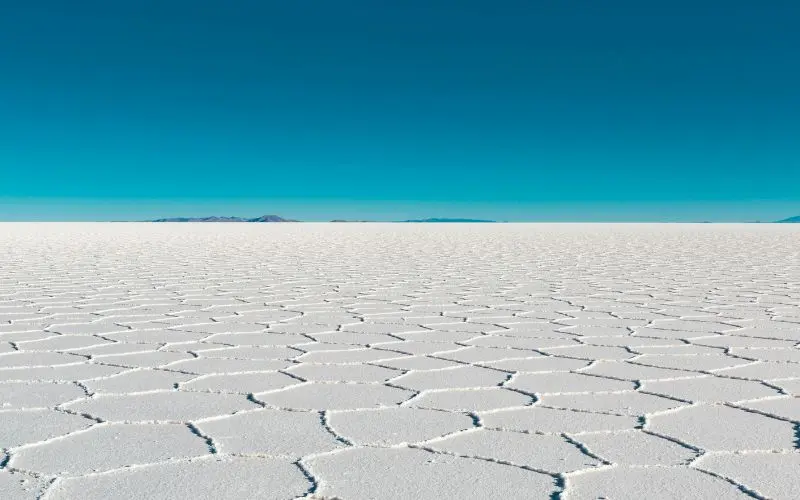
Bolivia offers a very different side of South America. Instead of famous beaches or bustling capitals, you’ll find vast salt flats, snow-capped mountains, high-altitude lakes, and traditions that remain deeply connected to the country’s Indigenous heritage. It’s a destination that appeals to travelers looking for dramatic scenery and experiences beyond the usual tourist route.
The country’s best-known attraction is Salar de Uyuni, the world’s largest salt flat. During the rainy season, its thin layer of water creates mirror-like reflections that have made it one of South America’s most photographed landscapes. Nearby, colorful lagoons, steaming geysers, volcanic peaks, and roaming llamas add to the region’s striking scenery. Lake Titicaca, shared with Peru, offers a quieter experience where small villages preserve local customs that have been passed down for generations. In La Paz, cable cars glide above the city, connecting neighborhoods while revealing spectacular views of the surrounding mountains.
Bolivia’s culture is shaped by its Indigenous communities, and that influence can be seen in local festivals, traditional markets, colorful textiles, and everyday life. Visitors who take time to explore beyond the main attractions often discover some of the country’s most memorable experiences.
The dry season, from May to October, generally offers the clearest weather for exploring the salt flats, hiking, and visiting the Andean highlands.
Many destinations in Bolivia sit above 3,500 meters, so it’s worth allowing a day or two to adjust to the altitude before planning long hikes or busy sightseeing days.
Read Also:
8. Uruguay
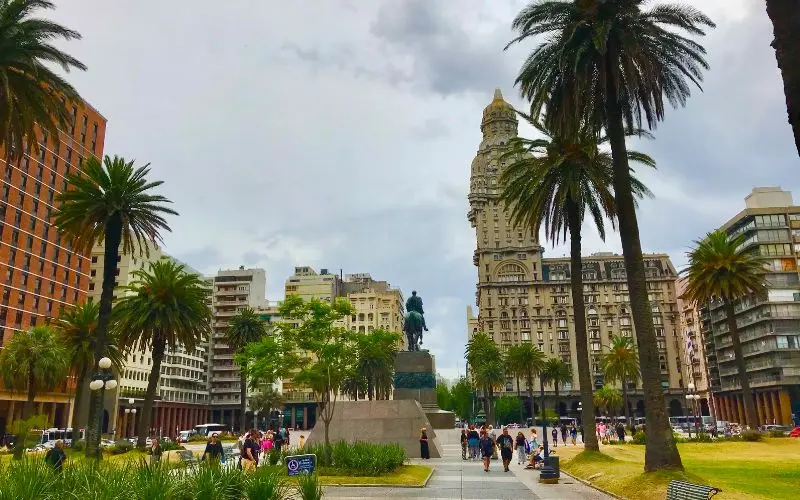
Uruguay is often overlooked in favor of Argentina and Brazil, but that’s exactly what many travelers appreciate about it. The country is known for its Atlantic coastline, historic towns, family-run wineries, and relaxed beach resorts. Short travel distances also make it easy to combine several destinations in one trip without spending long hours on the road.
Montevideo blends city life with the coast, where long waterfront promenades, local markets, and neighborhood cafés are part of everyday life. Punta del Este is Uruguay’s best-known beach resort, while nearby José Ignacio offers quieter beaches and a growing food scene. Inland, Canelones is the country’s leading wine region, producing Tannat wines that have become Uruguay’s signature variety. Colonia del Sacramento, with its cobbled streets and well-preserved colonial quarter, is one of the country’s most rewarding places to explore.
Uruguayan cuisine centers around quality local ingredients. Grilled meats, fresh seafood, artisan cheeses, and Tannat wines appear on menus throughout the country, while sharing mate remains a familiar part of daily life in parks, beaches, and public squares.
December to March is the busiest season along the coast, with warm weather that’s ideal for beach holidays. Spring and autumn bring comfortable temperatures for exploring Montevideo, Colonia del Sacramento, and the country’s wine regions.
If you’re traveling between Buenos Aires and southern Brazil, Uruguay fits naturally into the route. Ferries connect Buenos Aires with Colonia del Sacramento and Montevideo, making it simple to include the country in a longer South American itinerary.
9. Venezuela
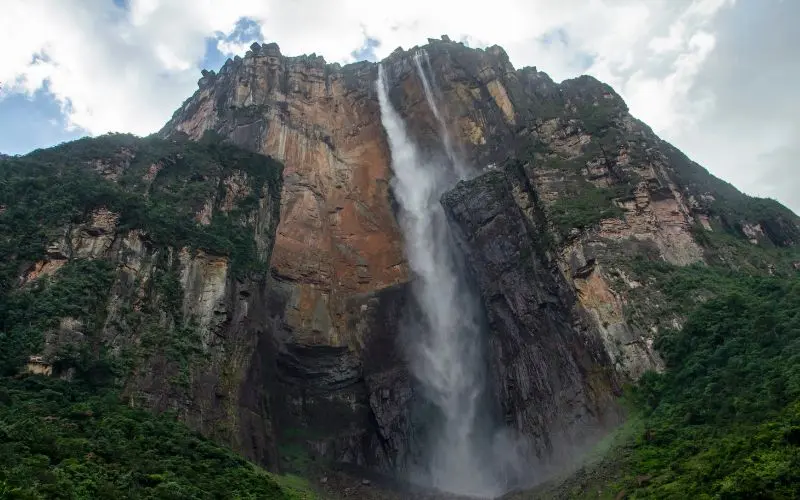
Venezuela is home to Angel Falls, the world’s highest uninterrupted waterfall, along with Caribbean islands, rainforest, and the distinctive flat-topped mountains known as tepuis. Although fewer international travelers visit today than in the past, the country’s natural landscapes remain among the most impressive in South America.
Canaima National Park is the starting point for trips to Angel Falls, with most visitors reaching the area by small aircraft followed by a guided river journey. Off the northern coast, the Los Roques Archipelago is known for white-sand beaches, coral reefs, and clear water that’s popular for snorkeling, diving, and sailing. The Orinoco Delta provides a different experience, where winding waterways pass through tropical rainforest that supports monkeys, river dolphins, and a wide variety of birdlife.
Nature is the main reason to visit Venezuela. From the Andes in the west to the Caribbean coast and the vast plains of Los Llanos, the country includes several distinct landscapes, each with its own wildlife and outdoor experiences.
December to April is generally the driest time to visit many parts of the country, although weather conditions vary between regions.
Before making travel plans, check the latest government travel advisories and entry requirements. Guided tours are the safest and most practical way to visit remote destinations such as Canaima National Park and the Orinoco Delta.
10. Guyana
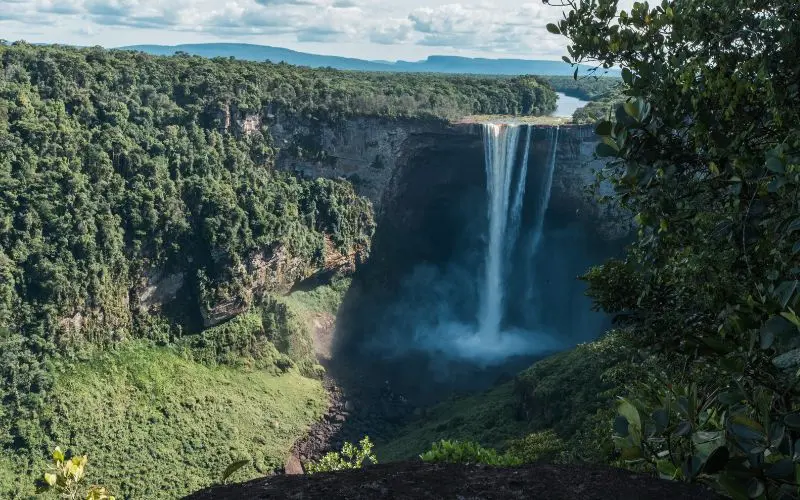
Guyana is one of South America’s least-visited countries, making it a good choice for travelers who enjoy nature and prefer destinations away from busy tourist routes. Much of the country is covered by rainforest, with rivers, wetlands, and protected reserves supporting an extraordinary variety of wildlife.
Kaieteur Falls is Guyana’s best-known attraction. Standing more than four times higher than Niagara Falls, it plunges into a remote rainforest surrounded by untouched wilderness. The Rupununi region is another highlight, where grasslands, forests, and rivers provide opportunities to spot giant anteaters, jaguars, giant river otters, black caimans, and hundreds of bird species. Georgetown, the capital, adds another perspective with its colonial-era wooden buildings, lively markets, and botanical gardens.
Wildlife watching is at its best during the dry seasons, generally from February to April and August to November, when access to remote areas is often easier.
Many of Guyana’s top attractions are reached by small aircraft or guided river trips. Booking with experienced local operators is the most practical way to explore the country’s remote national parks and nature reserves.
11. Suriname
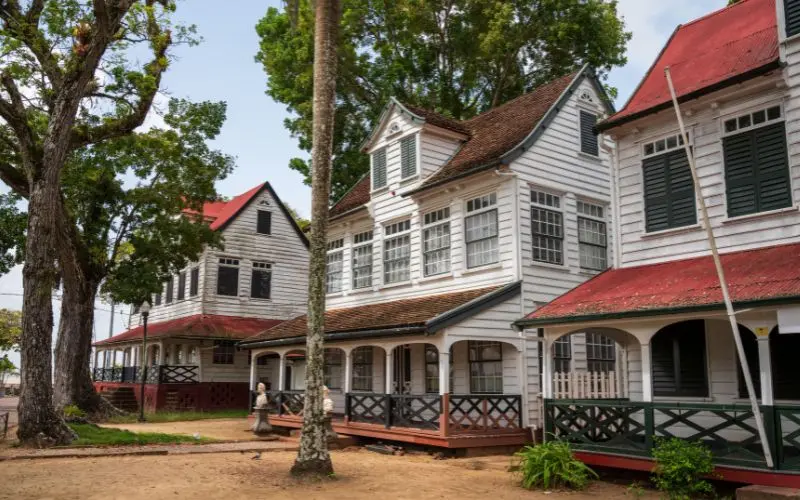
Suriname combines Dutch colonial history with one of the largest areas of protected rainforest in South America. The country’s diverse population has shaped a culture where different languages, traditions, and cuisines exist side by side, giving visitors an experience unlike anywhere else on the continent.
Paramaribo, a UNESCO World Heritage Site, is known for its wooden colonial buildings, historic churches, mosques, and lively waterfront. Beyond the capital, rivers lead into vast stretches of rainforest where nature reserves protect monkeys, sloths, colorful birds, and other native wildlife. Boat journeys to traditional villages offer a closer look at local communities and everyday life along the river.
Suriname can be visited throughout the year, although the drier months, from February to April and August to November, are generally more comfortable for exploring rainforest areas and traveling by river.
Transport outside Paramaribo can take longer than many visitors expect, so allow extra time if your itinerary includes remote lodges or nature reserves. Guided excursions are the easiest way to reach many of the country’s rainforest destinations.
12. Paraguay
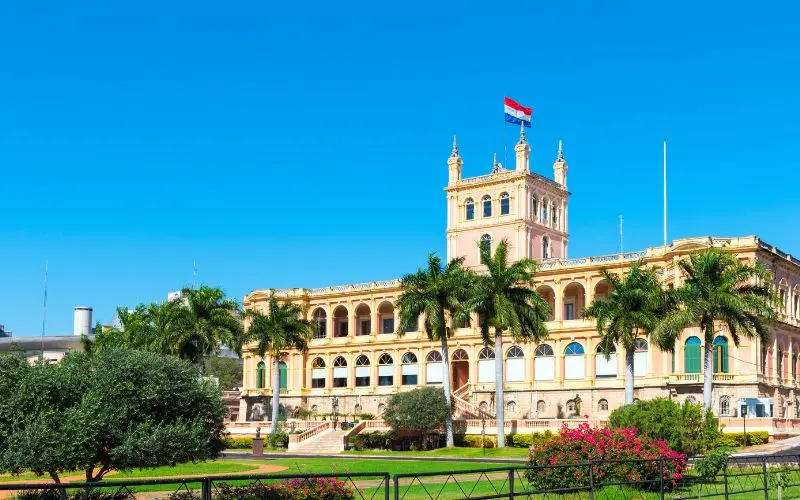
Paraguay is a great place to experience South America’s local culture and history. The country is known for its Jesuit missions, peaceful countryside, national parks, and strong Guaraní traditions. It may not be as famous as its neighbors, but it offers a slower pace, friendly locals, and places that are rarely crowded.
Asunción, the capital, has historic buildings, riverside parks, museums, and local markets. The Jesuit Missions of La Santísima Trinidad de Paraná and Jesús de Tavarangue, both UNESCO World Heritage Sites, are among Paraguay’s most important historic landmarks. Ybycuí National Park is a good place for hiking, waterfalls, and wildlife, while the Chaco region is well known for birdwatching and wide natural landscapes.
Guaraní is spoken across the country alongside Spanish, giving Paraguay a culture that is different from anywhere else in South America. Traditional food, local festivals, and handmade crafts are all part of everyday life.
The best time to visit is from May to September, when the weather is cooler and more comfortable for sightseeing and outdoor activities.
Many of Paraguay’s top attractions are outside the main cities, so renting a car or joining a guided tour is a good way to explore more of the country.