15 Best Places to Visit in Brazil in 2026
Published: 11 Aug 2026
Brazil is one of those countries where choosing where to go can be harder than deciding to visit in the first place. You have famous beaches, huge cities, rainforest, waterfalls, historic towns, and islands spread across a country that covers almost half of South America.
Rio de Janeiro is an obvious choice for first-time visitors, with Copacabana Beach, Sugarloaf Mountain, and Christ the Redeemer. But Brazil has much more to offer beyond Rio. You can explore the Amazon rainforest, see the power of Iguazu Falls, relax on the beaches of Florianópolis, discover the colonial streets of Salvador, or head to places such as Jericoacoara for a quieter beach escape.
The best places to visit in Brazil depend on what kind of trip you want. Some destinations are better for beaches and nightlife, while others are ideal for nature, wildlife, history, or a slower pace. In this guide, I’ve picked the best destinations to help you decide where to go based on what you want to experience.
1. Rio de Janeiro
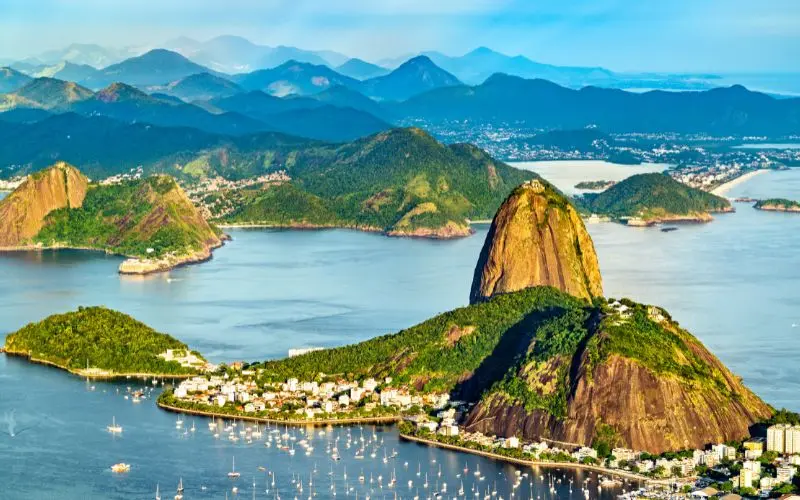
Rio de Janeiro is one of the best places to visit in Brazil for a first trip. The city brings together famous landmarks, long beaches, mountain views, nightlife, and Brazilian culture. Christ the Redeemer and Sugarloaf Mountain are the big highlights, but places like Copacabana, Ipanema, and Lapa show a different side of the city.
If you’re visiting Rio for the first time, start with Christ the Redeemer, the huge statue overlooking the city from Corcovado Mountain. The views are just as impressive as the monument itself, stretching across Rio’s beaches, mountains, and urban areas.
Sugarloaf Mountain is another must-see. You can take the cable car to the top for wide views of Rio and Guanabara Bay. Sunset is a particularly good time to go, although it is also one of the busiest.
For a beach day, head to Copacabana or Ipanema. Copacabana is lively, with a busy promenade and plenty of places to eat and drink nearby. Ipanema has a more relaxed atmosphere and is especially popular around sunset.
Don’t skip the Selarón Steps in Lapa either. The colorful tiled staircase is one of Rio’s most recognizable spots and is easy to add between other attractions in the city center.
Plan on spending 3 to 5 days in Rio de Janeiro. Three days is enough for the main sights, while five days gives you time for the beaches, neighborhoods, viewpoints, and a more relaxed pace. If you’re visiting during Carnival, allow extra time because the city becomes much busier and the experience is very different from a normal trip.
For a more detailed itinerary, you can also check out our guide to things to do in Rio de Janeiro.
2. Ilha Grande
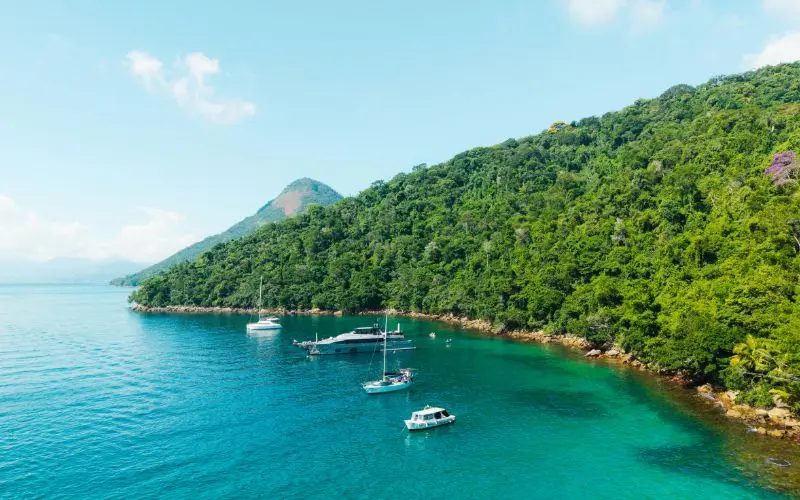
If you want to escape the busy streets of Rio de Janeiro and spend a few days surrounded by beaches and rainforest, Ilha Grande is a great choice. This island off the coast of Rio is known for its clear water, forest-covered mountains, quiet beaches, and hiking trails. Cars are not allowed on most of the island, so getting around on foot or by boat is part of the experience.
Most visitors stay in Vila do Abraão, the island’s main village. From here, you can walk to several beaches, follow trails through the rainforest, or take a boat to places that are farther along the coast.
One of the main reasons people visit Ilha Grande is Lopes Mendes Beach. The long stretch of pale sand and clear water is beautiful enough to make the trip worthwhile on its own. It is also a good place for swimming and surfing, although the waves can be stronger depending on the conditions. You can reach the beach by hiking from Vila do Abraão or taking a boat for part of the journey and walking the rest.
If you enjoy hiking, make time for Pico do Papagaio. The trail climbs through dense forest before opening up to wide views over Ilha Grande and the surrounding ocean. It is a challenging hike, so you’ll want proper shoes, enough water, and plenty of time. Starting early is a good idea, especially during the hotter months.
Another worthwhile walk takes you to Cachoeira da Feiticeira, a waterfall tucked into the rainforest. The trail passes through lush forest and leads to a small natural swimming area near the falls. You can also continue toward Praia da Feiticeira, a quieter beach that makes a nice place to cool off after the hike.
For an easier way to explore the coastline, take a boat trip around the island. Popular stops include Lagoa Azul and Lagoa Verde, where clear water makes them good places for swimming and snorkeling. A boat trip is also useful if you want to visit several beaches in one day without spending hours hiking between them.
I’d allow 2 to 3 days for Ilha Grande. Two days gives you enough time for a beach and a hike, while three days lets you explore more of the island without rushing. If you’re coming from Rio, it also works well as a short island break before continuing your Brazil itinerary.
Read Also:
- 12 Best Countries to Visit in South America
- Best Time to Visit Brazil: When to Go and What to Expect
- 15 Most Beautiful Cities in the World to Visit
3. São Paulo
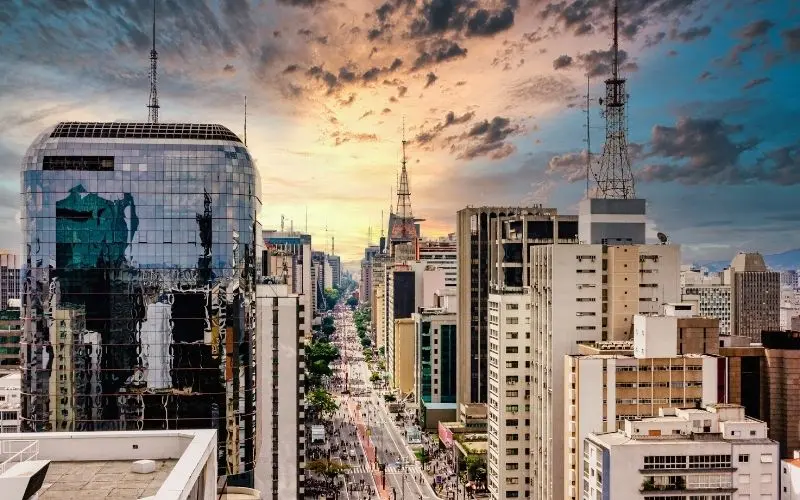
São Paulo is a very different experience from Rio de Janeiro. Brazil’s largest city is busy, sprawling, and packed with restaurants, museums, markets, galleries, and neighborhoods with their own character. It may not have Rio’s famous beaches and mountain views, but if you want to experience Brazil through its food, culture, and city life, São Paulo deserves a place on your itinerary.
Start around Avenida Paulista, one of the city’s best-known streets. It is lined with museums, shops, restaurants, and cultural spaces, including the São Paulo Museum of Art (MASP). On Sundays, the avenue is closed to most traffic and becomes a lively place to walk, cycle, and browse street stalls.
For a taste of São Paulo’s food scene, head to Mercadão de São Paulo, the city’s famous municipal market. You’ll find fresh produce, Brazilian ingredients, local snacks, and the enormous mortadella sandwiches the market is known for. The Liberdade neighborhood is another must-visit, especially if you enjoy Japanese and Asian food. Its streets, restaurants, shops, and weekend market make it one of the most distinctive areas of the city.
Art lovers should make time for Pinacoteca de São Paulo, one of Brazil’s most important art museums, while Ibirapuera Park offers a break from the city’s concrete and traffic. The huge park has walking paths, green spaces, museums, and cultural buildings, making it an easy place to spend a few relaxed hours.
São Paulo is also worth considering if you want to explore Brazilian nightlife and restaurants. From casual local spots to some of the country’s most acclaimed restaurants, the city has an enormous range of places to eat and drink.
I’d allow 2 to 4 days in São Paulo. Two days is enough for the main neighborhoods, museums, and food stops, while four days gives you time to explore beyond the central sights. It also makes a good starting or ending point for a longer Brazil trip because of its huge international airport and extensive transport connections.
4. Salvador
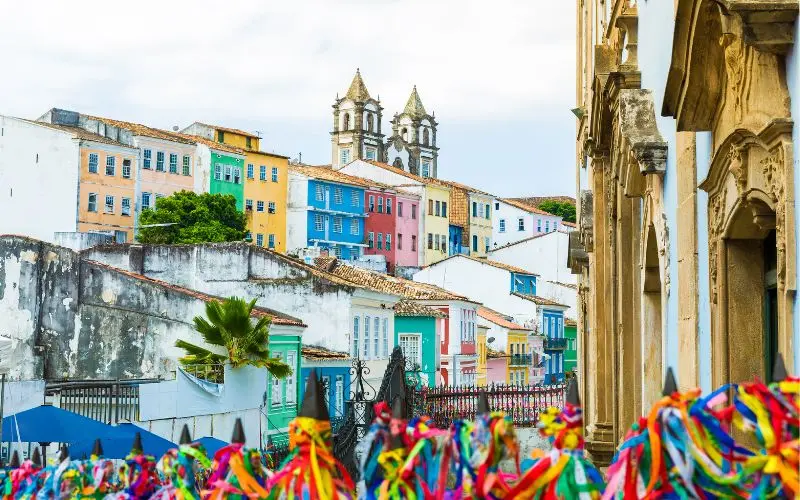
Salvador is one of the best places to visit in Brazil if you want to experience the country’s history and culture. The capital of Bahia sits on Brazil’s northeastern coast, so you can combine colorful colonial streets and historic landmarks with beaches and a lively food scene. The city also has a strong Afro-Brazilian identity that you’ll notice in its music, dance, religion, and cuisine.
Start in Pelourinho, Salvador’s historic center and one of the most recognizable parts of the city. Its cobblestone streets are lined with brightly colored colonial buildings, churches, small shops, and restaurants. São Francisco Church and Convent is one of the highlights, with an ornate interior covered in detailed gold decoration.
Salvador is also a great place to try Bahian food. Look for local dishes such as acarajé, a fried black-eyed pea fritter traditionally filled with shrimp and spicy sauces. You’ll find vendors selling it around the city, including near some of Salvador’s busiest neighborhoods and beaches.
When you want some time by the water, head to Porto da Barra Beach. It is close to the city center and is a convenient place to swim and watch the sunset. For a quieter beach experience, you can travel farther along the coast to places such as Praia do Flamengo.
If you’re interested in Brazilian culture, Salvador is also closely connected with Capoeira, the Afro-Brazilian martial art that combines movement, music, and dance. You may see performances in Pelourinho and other parts of the city, particularly in the evenings.
Give yourself 2 to 3 days in Salvador to explore the historic center, try the local food, visit the main churches, and spend some time at the beach. If you visit during Carnival, expect a completely different atmosphere, with huge street celebrations, music, dancing, and crowds throughout the city.
5. Foz do Iguaçu
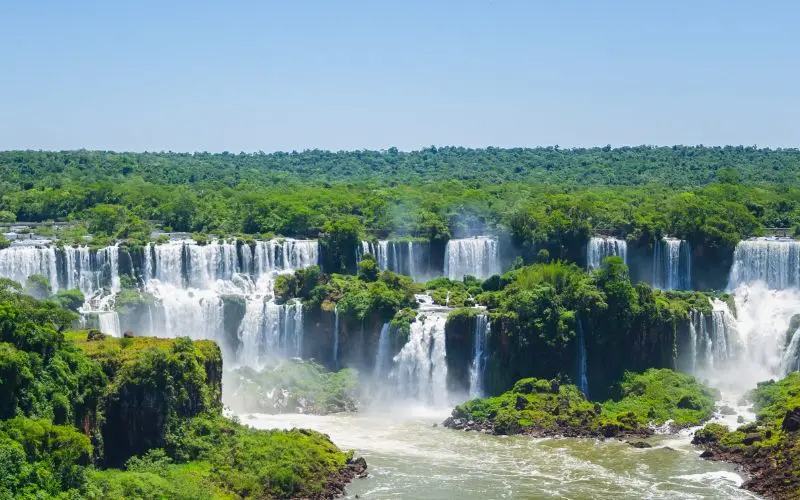
Foz do Iguaçu is the place to visit in Brazil if you want to see one of the most spectacular natural sights in South America. The city sits in southern Brazil near the borders of Argentina and Paraguay, and its main attraction is Iguazu Falls, a huge collection of waterfalls surrounded by rainforest.
The Brazilian side of Iguazu Falls is inside Iguaçu National Park and gives you wide panoramic views of the waterfalls. The walk along the viewing paths brings you closer to the falls as you move toward the main viewpoint, where the amount of water rushing over the rocks is incredible. Be prepared to get wet, especially near the larger falls.
One of the most impressive parts is the Devil’s Throat, where enormous amounts of water crash into the gorge below. You can see it from the Brazilian side, although the Argentine side offers a different experience with longer walkways and views from closer to the falls.
Foz do Iguaçu is also a good base for exploring beyond the waterfalls. You can cross into Argentina to visit the Argentine side of Iguazu Falls, or visit Ciudad del Este in Paraguay for a completely different experience. Just remember that you’ll need to check the entry requirements for each country before crossing the borders.
If you have time, visit the falls early in the day. The park can get busy, particularly during holidays and peak travel periods, and starting early gives you more time to enjoy the trails without rushing.
I’d allow 2 to 3 days for Foz do Iguaçu. One full day is enough for the Brazilian side, but staying longer gives you time to visit the Argentine side and explore some of the other attractions around the city.
Read Also:
6. The Amazon Rainforest
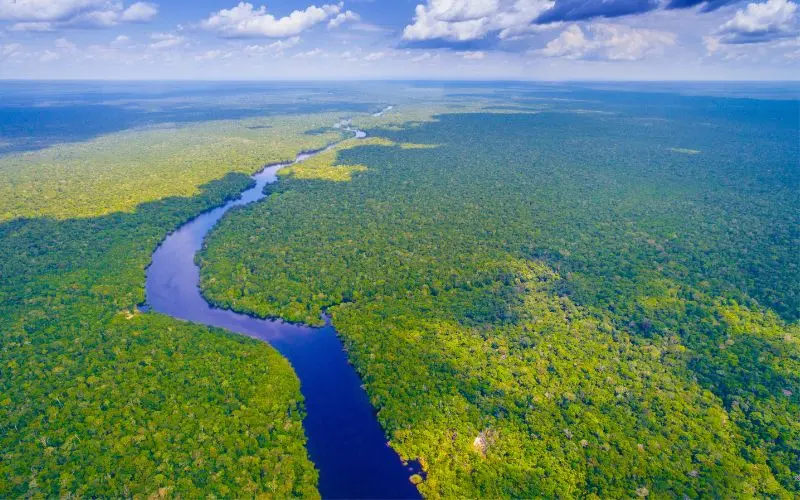
The Amazon Rainforest is one of the most unforgettable places to visit in Brazil, especially if you want to experience wildlife and nature rather than another city or beach. Brazil is home to the largest share of the Amazon, with huge areas of rainforest, rivers, and remote communities spread across the northern part of the country.
For most travelers, Manaus is the main starting point. The city sits in the middle of the Amazon and is where many trips into the rainforest begin. From here, you can join a multi-day lodge stay or boat trip to explore the forest and surrounding waterways.
One of the most interesting sights near Manaus is the Meeting of the Waters, where the dark Rio Negro and the sandy-colored Solimões River flow alongside each other before eventually joining. You can see the contrast between the two rivers from a boat, often as part of a wider Amazon excursion.
Once you leave Manaus, the experience becomes much more about the rainforest itself. Depending on where you stay, you may have opportunities to take canoe trips through smaller waterways, walk along forest trails, look for monkeys and birds, and learn about plants and traditional ways of life in the region. Wildlife sightings are never guaranteed, but the variety of birds, insects, reptiles, and other animals is part of what makes the Amazon so special.
I’d spend at least 3 to 4 days in the Amazon if you can. A longer stay gives you more chances to explore different areas and experience the forest at different times of day. Many rainforest lodges are reached by boat from Manaus, so include the transfer time when planning your trip.
The Amazon is also very different from visiting a normal Brazilian attraction. You’ll be dealing with heat, humidity, mosquitoes, and basic conditions in some remote areas, so pack accordingly and choose a reputable lodge or tour operator.
7. Jericoacoara
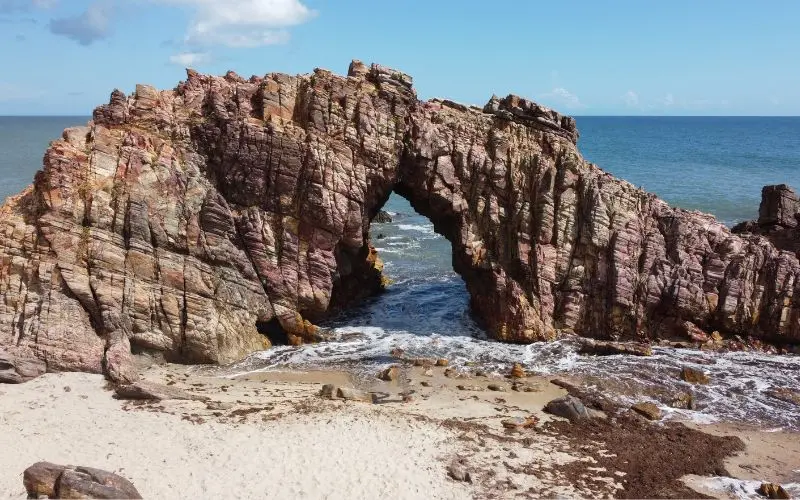
Jericoacoara is one of the best places to visit in Brazil if you want beautiful beaches without the feel of a large resort town. This small beach village in Ceará is surrounded by sand dunes, lagoons, and a wide stretch of coastline. Its remote setting is part of the charm, and getting there is part of the adventure.
The main beach is right in the village, so you can easily spend the day swimming, relaxing, or walking along the shore. But some of the best spots are outside the village, where you’ll find huge sand dunes and clear lagoons. A buggy or 4×4 trip is one of the easiest ways to explore the area.
One of the most famous places nearby is Lagoa do Paraíso. The clear water and sandy bottom make it a great place to swim and spend a few quiet hours. You’ll find restaurants and beach clubs around parts of the lagoon, so you can make a full day of it.
Jericoacoara is also known for its sunsets. The Sunset Dune is one of the most popular places to watch the sun go down, and travelers often climb the dune in the late afternoon for views over the beach and village.
The village itself is small and easy to explore on foot. At night, the sandy streets become busy with restaurants, small bars, and places serving fresh seafood. The relaxed atmosphere is one of the reasons many travelers stay longer than they first planned.
I’d spend around 3 to 4 days in Jericoacoara. That gives you enough time for the main beaches and lagoons, a buggy trip, and a few slow afternoons by the water. Keep in mind that reaching Jeri takes longer than getting to Brazil’s major cities, so it makes more sense as part of a longer trip through northeastern Brazil.
8. Florianópolis
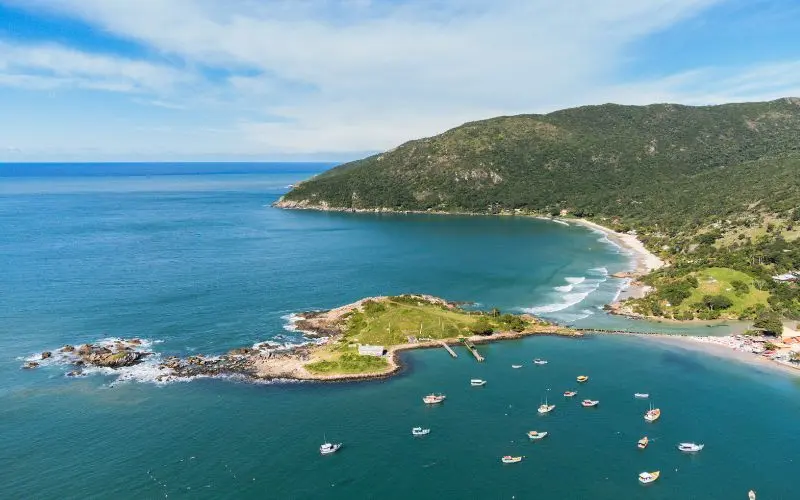
Florianópolis is a great choice if you want to enjoy Brazil’s beaches while still having plenty of restaurants, shops, and places to explore. The capital of Santa Catarina sits on an island connected to the mainland, and its coastline is filled with beaches ranging from busy surf spots to quieter stretches of sand.
One of the best-known beaches is Praia da Joaquina, which is popular with surfers and also famous for its large sand dunes. Praia Mole is another favorite for surfing and a lively beach atmosphere, while Praia do Campeche is a better choice if you want more space and views toward Ilha do Campeche.
For a different side of Florianópolis, visit the small fishing village of Santo Antônio de Lisboa. Its old streets, seafood restaurants, and views across the bay make it a pleasant place to spend an afternoon, especially around sunset.
Hiking is another reason to explore the island. Trails lead through forests and hills to beaches that cannot be reached by car. The hike to Lagoinha do Leste is one of the most popular, ending at a beautiful and more remote stretch of coastline. Check the weather before going, as some trails can become difficult after heavy rain.
Food is another part of the Florianópolis experience. Fresh seafood is common on local menus, especially in the smaller coastal communities. You can spend the morning on a beach, stop for a seafood lunch in a fishing village, and finish the day watching the sunset over the water.
Three or four days gives you enough time to explore different parts of the island instead of staying at one beach. Summer brings the biggest crowds and higher prices, while the months around the peak season can offer a more relaxed experience while still giving you plenty of time outdoors.
9. Lençóis Maranhenses National Park
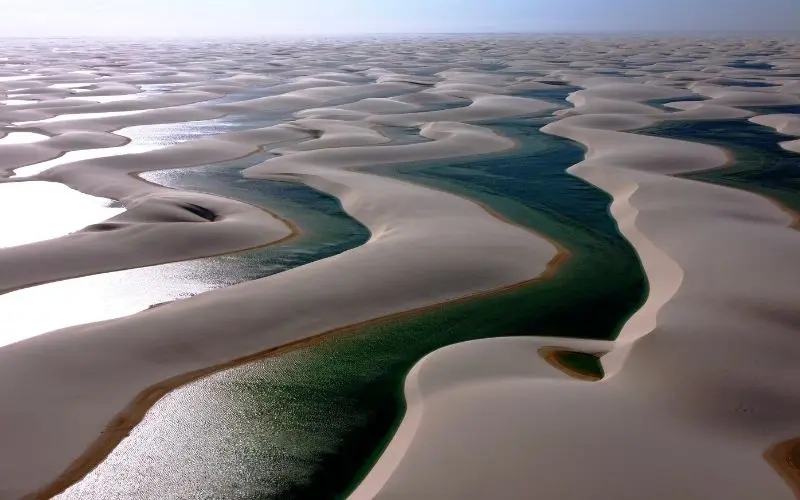
Lençóis Maranhenses National Park looks almost unreal. White sand dunes stretch across the landscape for miles, with clear freshwater lagoons sitting between them during the rainy season. It is very different from the beaches and rainforest found elsewhere in Brazil, which is exactly why it deserves a place on this list.
The town of Barreirinhas is the main base for visiting the park and has plenty of tours heading into the dunes. Most trips use 4×4 vehicles because there are no normal roads through the sandy landscape. From the park entrance, you can walk across the dunes to reach the lagoons, but be ready for strong sun and plenty of sand.
The lagoons are the main attraction. Lagoa Azul and Lagoa Bonita are two of the most popular, and both offer clear water where you can cool off after walking across the hot sand. The exact look of the park changes during the year because the lagoons fill with rainwater and slowly disappear as the dry season continues.
Sunset is one of the best times to be in the dunes. The white sand takes on warm colors as the sun drops, and the views become even more impressive. Some tours are planned around sunset, while others visit earlier in the day when the heat is easier to handle.
Barreirinhas is not the only way to visit Lençóis Maranhenses. Atins, a smaller village on the edge of the park, has become popular with travelers who want a quieter base and easier access to some of the park’s eastern areas. Santo Amaro is another option and can be a good choice if you want to explore parts of the park with fewer visitors.
The best time to see the lagoons is generally after the rainy season, when they are full of water. A visit during this period gives you the classic view of bright blue pools surrounded by huge white dunes, making Lençóis Maranhenses one of the most memorable stops on a Brazil itinerary.
10. Paraty
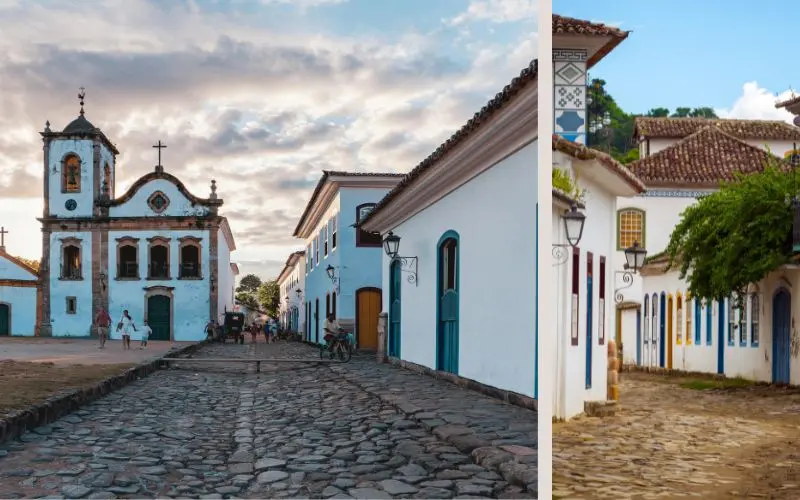
Paraty is one of the most charming places to visit in Brazil if you want a mix of history, beaches, and small-town atmosphere. Located on the Costa Verde between Rio de Janeiro and São Paulo, the town is surrounded by green mountains and rainforest, with the Atlantic Ocean just beyond them.
The historic center is the main reason to visit. Its cobblestone streets are lined with colorful colonial buildings, old churches, small shops, galleries, and restaurants. The area is easy to explore on foot, and the low white buildings with colorful doors give Paraty a very different look from Brazil’s larger cities.
Paraty is also known for its unusual streets. Many parts of the historic center can flood during high tide, with seawater flowing through the old stone streets. It can be surprising to see, but it is part of what makes the town so distinctive.
Once you have explored the old town, head out onto the water. Boat trips from Paraty take you to small islands and quiet beaches around the bay, where you can swim, snorkel, and spend a few hours away from the crowds. The surrounding coastline is dotted with hidden coves, so a boat is one of the best ways to see more of the area.
The rainforest-covered mountains around Paraty also offer hiking opportunities and waterfalls. One of the better-known routes leads to Cachoeira do Tobogã, where smooth rocks form a natural waterslide. Nearby, you can also visit the historic Caminho do Ouro, an old stone road built during Brazil’s gold-mining period.
Paraty works well as a two- or three-day stop, especially if you are traveling between Rio de Janeiro and São Paulo. It is also a good place to slow down for a few days after visiting Brazil’s bigger cities, with enough history, nature, and beaches to keep you busy without feeling rushed.
11. Bonito
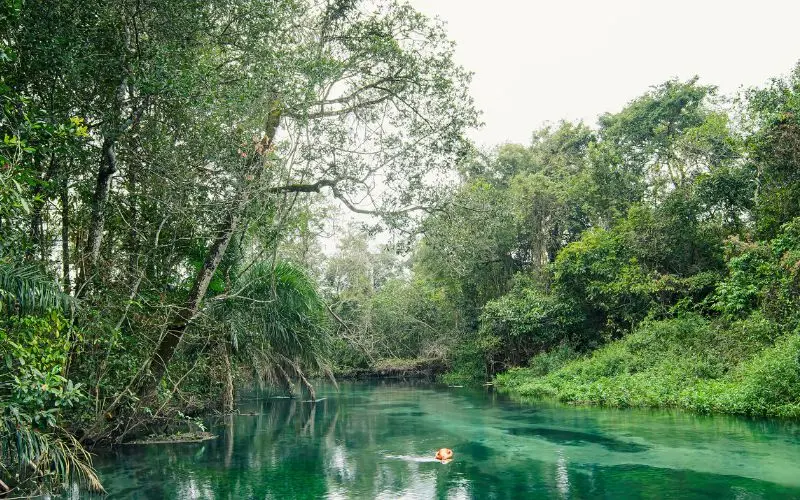
Bonito is one of the best places to visit in Brazil for clear rivers, caves, and outdoor adventures. Located in Mato Grosso do Sul, this small town is surrounded by forests and limestone landscapes, with some of the clearest freshwater in the country. It is a very different experience from Brazil’s famous beaches and big cities.
Snorkeling in the crystal-clear rivers is the main reason many travelers come here. The water is so clear in places like Rio da Prata that you can float along the river while watching colorful fish swim beneath you. The current does most of the work, making this one of the easiest ways to see the area’s underwater life.
The region is also home to some impressive caves. Gruta do Lago Azul is the most famous, with a large underground lake surrounded by unusual rock formations. The cave is especially beautiful when sunlight reaches the water, although access is limited and visits are done with a guide.
For something more adventurous, head to Estância Mimosa or Rio do Peixe for waterfalls, forest trails, and swimming areas. These attractions combine short hikes with time in the water, making them a good choice if you want more than just sightseeing.
Wildlife is another part of the Bonito experience. The surrounding area is home to birds, monkeys, reptiles, and other animals, and some tours also visit nearby areas where you may spot larger wildlife. The Pantanal is close enough to combine with Bonito, making this region a good choice for travelers who want to see more of Brazil’s natural side.
Allow at least 3 days for Bonito if you want to fit in a river snorkeling trip, a cave, and one of the waterfall or nature tours. The town is small, but the attractions are spread around the surrounding countryside, so trips usually involve some driving.
12. Recife and Olinda
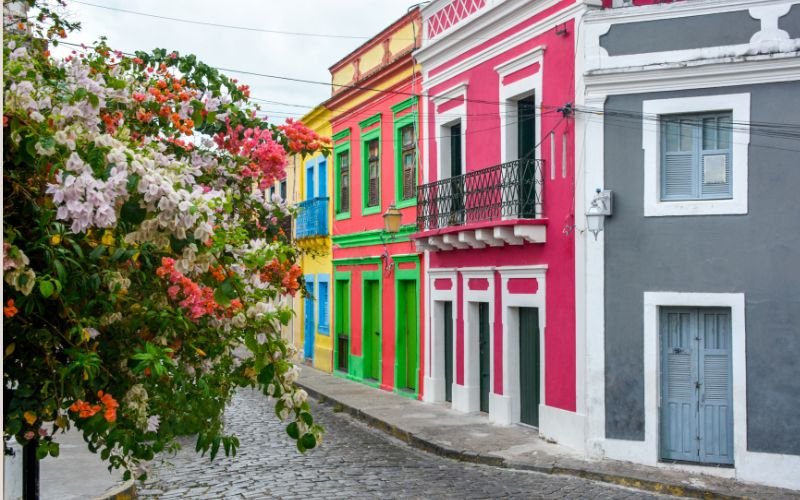
Recife and Olinda make a great combination for travelers who want to see a more historic and cultural side of Brazil. Recife is the larger and busier of the two, with beaches, museums, markets, and a lively city center, while nearby Olinda is known for its colorful colonial buildings, old churches, and steep cobblestone streets.
Start in Recife’s historic area, where you can explore the old streets around Recife Antigo. The neighborhood is home to colorful buildings, cultural spaces, restaurants, and the Marco Zero square, which is a good starting point for exploring the city.
For a beach day, Boa Viagem is Recife’s most famous stretch of coastline. The long beach is lined with hotels, restaurants, and shops, making it easy to combine sightseeing with some time by the water. Be careful about swimming outside marked safe areas, as parts of the coast are known for strong currents and shark activity.
Olinda is only a short trip from Recife but feels like another world. Its historic center is a UNESCO World Heritage Site, with brightly painted houses, churches, small art galleries, and narrow streets climbing up the hills. The views from Alto da Sé are especially good, with the city and coastline stretching out below.
Olinda is also closely linked with Carnival. During the festival, giant colorful puppets, music, dancing, and street parties fill the historic center. Even outside Carnival season, the city has a strong arts scene and is worth visiting for its architecture and relaxed atmosphere.
You can see the main highlights of both cities in around 3 days, although staying longer gives you more time for Recife’s museums, beaches, and food scene. The two destinations are close enough that you don’t need to choose between them when planning a trip to northeastern Brazil.
13. Fernando de Noronha
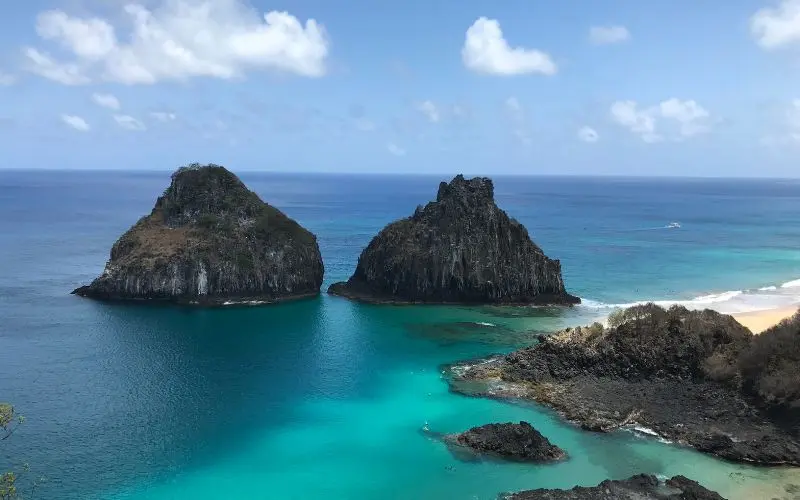
Fernando de Noronha is one of Brazil’s most beautiful island destinations, especially if you love beaches, clear water, and marine life. This small archipelago sits far off Brazil’s northeastern coast and is known for its protected beaches, rocky coastline, and excellent snorkeling and diving.
Baía do Sancho is the island’s biggest highlight and has often been listed among the world’s best beaches. The water is clear enough to spot fish and other marine life, while the cliffs and green hills around the beach make the setting even more impressive. Getting down to the beach involves stairs and a narrow access point, so it is not the easiest beach to reach.
The water around Fernando de Noronha is just as important as the beaches. Snorkeling and diving can bring you close to sea turtles, colorful fish, rays, and dolphins. At Baía dos Porcos, you can also swim in clear natural pools surrounded by volcanic rocks when sea conditions are suitable.
If you want to see dolphins, head out early in the morning toward Baía dos Golfinhos. The bay is known for spinner dolphins, and viewing them from the cliffs gives you a chance to see them in their natural environment without disturbing them.
Because the islands are protected, visitor numbers and access to some areas are controlled. There are also environmental fees to pay, so Fernando de Noronha usually costs more than many other Brazilian destinations. That extra planning is worth keeping in mind before adding it to your itinerary.
A few days is enough to enjoy the main beaches and water activities, but the island deserves more than a rushed day trip. Give yourself around 3 to 5 days if snorkeling, diving, hiking, and relaxing on the beaches are the main reasons you want to visit.
14. Búzios
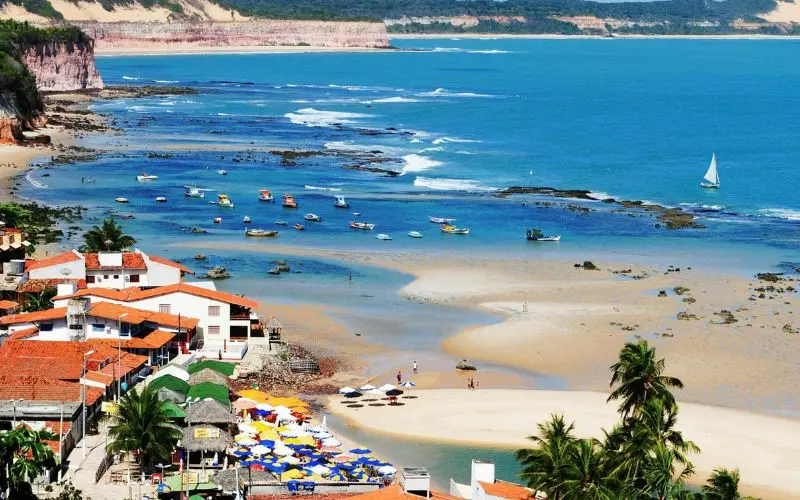
Búzios is a good choice if you want a beach getaway with a little more style and nightlife. This former fishing village on the coast of Rio de Janeiro state is now known for its small beaches, clear water, seafood restaurants, and lively streets. It is easy to combine with a trip to Rio, making it a popular stop for travelers who want some time away from the city.
The town’s main street, Rua das Pedras, comes alive in the evening. You’ll find restaurants, cafés, small shops, and bars along the cobbled street, while the waterfront is a pleasant place for an evening walk. The atmosphere is busy without feeling like a large Brazilian city.
Beaches are the main attractions here during the day. Praia de Geribá is popular with surfers and has a wide stretch of sand, while Praia da Ferradura is more sheltered and better suited to swimming. João Fernandes is another favorite, with calm water and several restaurants close to the beach.
One of the best ways to explore Búzios is by boat. Trips around the peninsula stop at several beaches and small islands, giving you a chance to swim in different parts of the coast without having to travel between them by road.
For a good view over the coastline, walk up to one of the viewpoints around the peninsula. The area around Praia de João Fernandes and Praia Brava has some beautiful spots for watching the sunset, while the waterfront near the center is a good choice if you want to stay close to restaurants afterward.
Búzios is easy to visit in 2 to 3 days, although you could stay longer if your main goal is to relax on different beaches. It is around a few hours from Rio de Janeiro by road, so it works particularly well as a short beach break after exploring the city.
15. Brasília
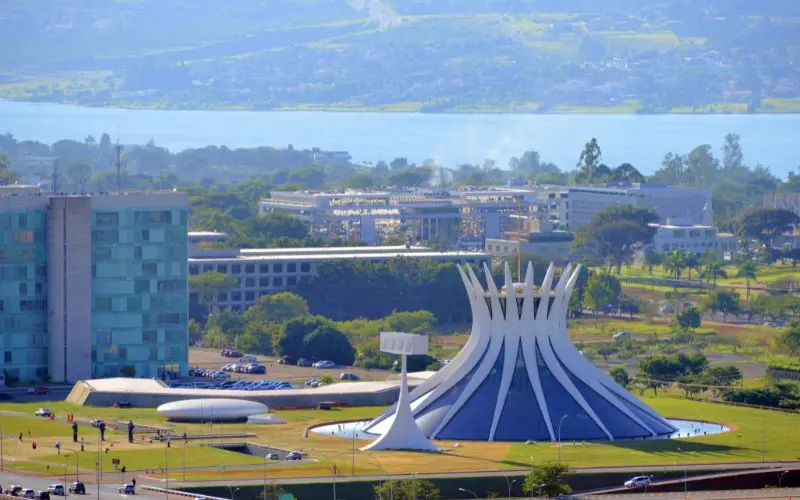
Brasília is unlike almost anywhere else in Brazil. Built as the country’s capital in the late 1950s, the city was designed around a bold modern plan, with wide avenues, large open spaces, and striking buildings by famous architect Oscar Niemeyer. It is worth adding to your Brazil itinerary if you enjoy architecture, history, and places that feel very different from the country’s coastal cities.
The best place to start is the Monumental Axis, where several of Brasília’s most famous landmarks are close to each other. The Cathedral of Brasília stands out with its curved concrete structure and large stained-glass windows, while the National Congress buildings are among the city’s most recognizable sights.
The Palácio da Alvorada, the official residence of Brazil’s president, is another important part of the city, although access is limited. Nearby, the Praça dos Três Poderes brings together the main buildings connected to Brazil’s government and is one of the best places to understand Brasília’s unusual city design.
Brasília is also surrounded by large green areas and lakes, so there is more to the city than its famous buildings. Parque da Cidade is a good place to walk and relax, while Lake Paranoá offers opportunities for boating and enjoying the city from the water.
Unlike Rio or Salvador, Brasília is not a destination you visit mainly for beaches or nightlife. Its appeal comes from its architecture and the story behind the city itself. Brasília was planned from scratch and became a UNESCO World Heritage Site because of its unique modernist design.
Two days is usually enough to see the main sights, although architecture fans may want longer. The city is also a useful stop if you want to explore central Brazil rather than following the more common coastal route.
More Places to Visit in Brazil
There are plenty of other places worth adding to your Brazil itinerary. If you have more time or want to take a different route, these places are also worth looking at.
Natal is a great choice for warm weather, long beaches, sand dunes, and coastal views. The nearby Genipabu dunes are one of the area’s biggest attractions, and buggy rides are a popular way to explore them.
Pipa is another beautiful beach destination in northeastern Brazil. The small coastal town is known for its cliffs, clear water, beaches, and lively atmosphere. It is also a good place to look for dolphins along the coast.
Porto de Galinhas is famous for its natural pools, where you can swim among colorful fish when the tide is low. The town has a relaxed beach atmosphere and works well for a few days by the sea.
Chapada Diamantina is a better choice if you prefer mountains, waterfalls, caves, and hiking. Located in Bahia, the region has some of Brazil’s most impressive landscapes, with trails leading to places such as Cachoeira da Fumaça and Morro do Pai Inácio.
Manaus is another option for travelers interested in the Amazon. It is the main gateway to many rainforest trips and is also home to the impressive Teatro Amazonas and the Meeting of the Waters nearby.
Arraial do Cabo is worth considering if clear water and beautiful beaches are high on your list. Located in Rio de Janeiro state, it is known for white sand, rocky coastlines, and boat trips around the surrounding beaches and islands.