25 Best Things to Do in Peru: Top Places to Visit
Published: 8 Jul 2026
Before visiting Peru, most travelers have one image in mind: Machu Picchu rising above the Andes. I was the same. I knew Peru as the home of the Incas and one of the world’s most famous ancient wonders, but I quickly discovered that this country has so much more to offer.
Peru is a place where history, nature, and adventure exist side by side. You can walk through centuries-old streets in Cusco, explore mysterious archaeological sites in the Sacred Valley, taste incredible food in Lima, search for wildlife in the Amazon rainforest, and stand among the colorful landscapes of the Andes.
What makes Peru special is its incredible variety. In one trip, you can experience ancient civilizations, mountain villages, desert landscapes, Pacific coast views, and some of the most breathtaking scenery in South America.
Whether you are visiting Peru for the first time or looking for places beyond Machu Picchu, this guide covers the best things to do in Peru, the top destinations to visit, and the experiences that make this country unforgettable.
Planning Your Peru Trip: Everything You Need to Know
Planning your first trip to Peru is exciting, but with so many incredible places to explore, deciding where to go can feel overwhelming. The country is packed with ancient ruins, mountain landscapes, coastal cities, and rainforest adventures, and the biggest challenge is deciding where to spend your limited time.
One thing I learned while researching Peru is that trying to see everything in one visit is almost impossible. The distances between destinations are bigger than many travelers expect, and each region offers a completely different experience. A first Peru trip is usually best planned around a few key areas rather than rushing through the entire country.
For most first-time visitors, Cusco is the natural starting point because it gives you access to Machu Picchu, the Sacred Valley, and some of Peru’s most impressive Inca sites. Adding Lima allows you to experience Peru’s famous food scene and coastal culture, while destinations like Arequipa, the Amazon, Lake Titicaca, Paracas, and Huacachina offer completely different landscapes and adventures.
Your ideal itinerary depends on how much time you have. A shorter trip can focus on Lima, Cusco, the Sacred Valley, and Machu Picchu, while two weeks or more gives you the chance to explore beyond the classic route. If you want a deeper experience, slow travel is the better option because Peru’s culture, history, and natural beauty deserve time.
Before finalizing your plans, remember that altitude can affect your journey, especially around Cusco and other Andean destinations. Give yourself time to adjust, plan transportation between regions carefully, and book popular attractions like Machu Picchu in advance.
With the right planning, Peru becomes much more than a visit to one famous landmark. It becomes a journey through ancient civilizations, breathtaking landscapes and some of South America’s most unforgettable experiences.
Peru Attractions: The Best Places to Visit and Things to Do
Peru is famous for Machu Picchu, but this incredible country offers far more than one ancient wonder. With so many incredible places to explore, choosing what to include in a Peru trip can be challenging. Here are the top destinations that deserve a spot on your Peru itinerary.
1. Explore Machu Picchu, Peru’s Iconic Inca Wonder
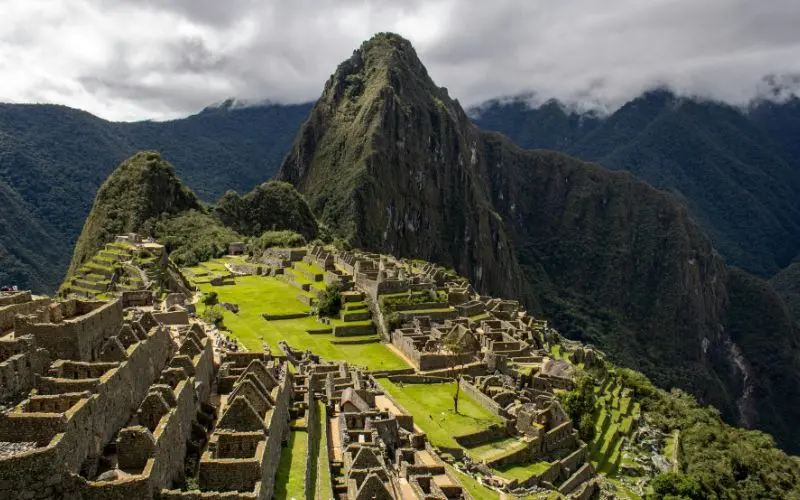
If there is one place you cannot miss on your Peru trip, it is Machu Picchu. Hidden high in the Andes Mountains, this ancient Inca citadel is even more impressive when you finally see it in person. Recognized as one of the world’s most famous archaeological sites, this beautiful UNESCO World Heritage Site makes it one of the most unforgettable places you can visit in South America.
When you arrive at Machu Picchu, take your time exploring beyond the famous viewpoints. Walk through the ancient terraces, learn how the Incas built this incredible city, and enjoy the surrounding landscapes that make the journey just as memorable as the destination itself.
To make the most of your visit, plan your tickets early, arrive prepared for changing weather, and give yourself enough time to experience the site without rushing. Whether you visit as a day trip from Cusco or include it as part of a longer Peru itinerary, Machu Picchu will likely be the highlight of your adventure.
Read Also:
2. Explore Cusco and the Sacred Valley of the Incas
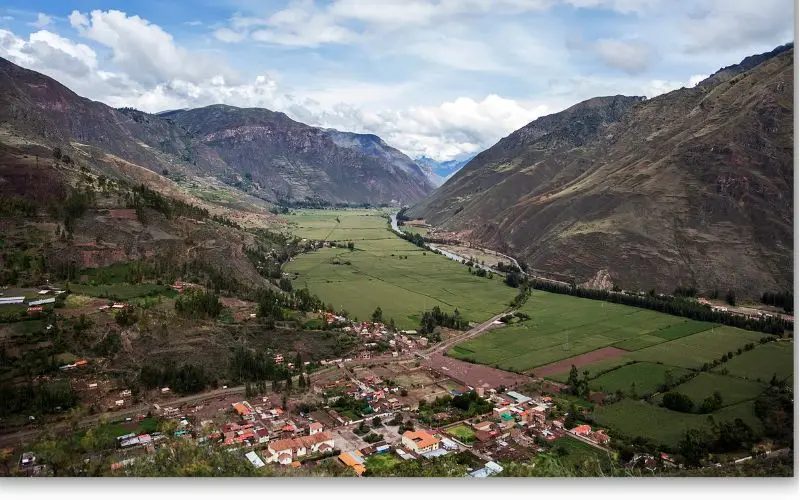
Before heading to Machu Picchu, spend time exploring Cusco and the Sacred Valley because this is where you truly begin to understand Peru’s Inca history. Cusco was once the capital of the Inca Empire, and today you can still see that heritage in its ancient walls, archaeological sites, traditional markets, and charming streets.
As you travel through the Sacred Valley, you will find some of Peru’s most fascinating attractions, including Pisac Market, Ollantaytambo, Moray Terraces, and Chinchero. Each place offers something different, from colorful local crafts and mountain villages to impressive examples of Inca farming and architecture.
A few days in this region also helps you adjust to the altitude before visiting higher destinations. Take your time, enjoy the scenery, and explore the smaller villages along the way because the Sacred Valley is much more than just a stop before Machu Picchu.
3. Hike Rainbow Mountain and See Peru’s Colorful Andes Landscape
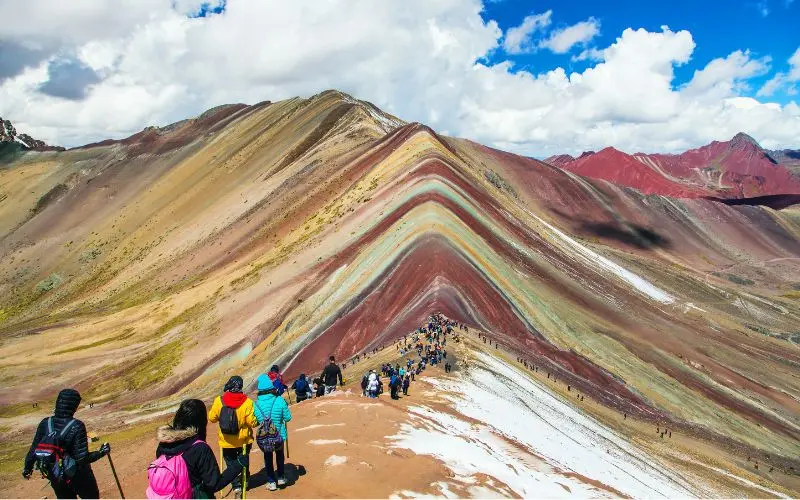
Rainbow Mountain, also known as Vinicunca, is one of Peru’s most unique natural attractions. Located high in the Andes, this famous mountain is known for its striking layers of red, yellow, green, and other mineral colors that create a landscape unlike anywhere else in the country.
The journey to Rainbow Mountain is part of the experience. As you hike through the high-altitude Andes, you will pass snow-capped peaks, grazing alpacas, and wide-open valleys that show a quieter side of Peru beyond its ancient ruins.
Before visiting, prepare for the altitude because Rainbow Mountain sits at more than 5,000 meters above sea level. Take time to acclimatize in Cusco first, dress in layers, and start early to enjoy better weather and fewer crowds.
4. Explore the Amazon Rainforest and Discover Peru’s Wild Side
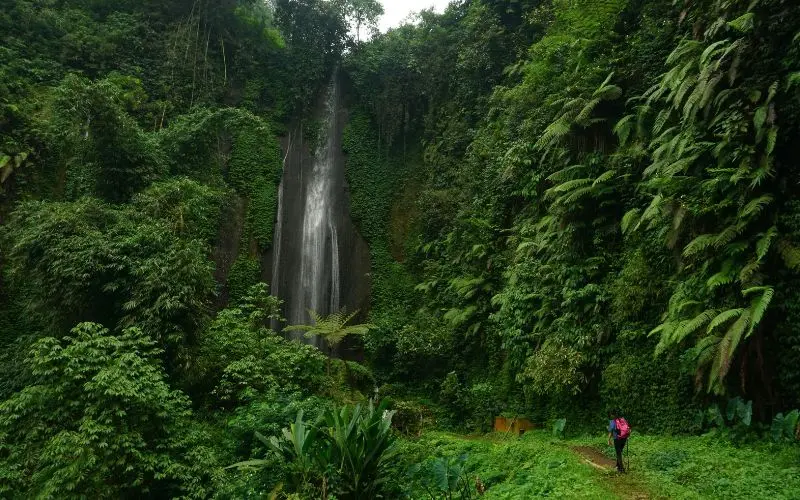
The Amazon Rainforest shows a completely different side of Peru. While many visitors come for the Andes and Inca history, the Peruvian Amazon offers incredible wildlife, river adventures, and some of the most diverse ecosystems on Earth.
You can explore the rainforest from destinations like Iquitos or Puerto Maldonado, where guided jungle tours take you deep into the Amazon to search for colorful birds, monkeys, river creatures, and other unique wildlife. A stay at an Amazon lodge allows you to experience the sounds of the jungle, explore hidden waterways, and learn about the plants and communities that call this region home.
The Amazon is one of the best places to visit in Peru if you want to go beyond the famous landmarks and experience the country’s natural diversity.
5. Discover Lima’s Culture, Coastline, and Incredible Food Scene
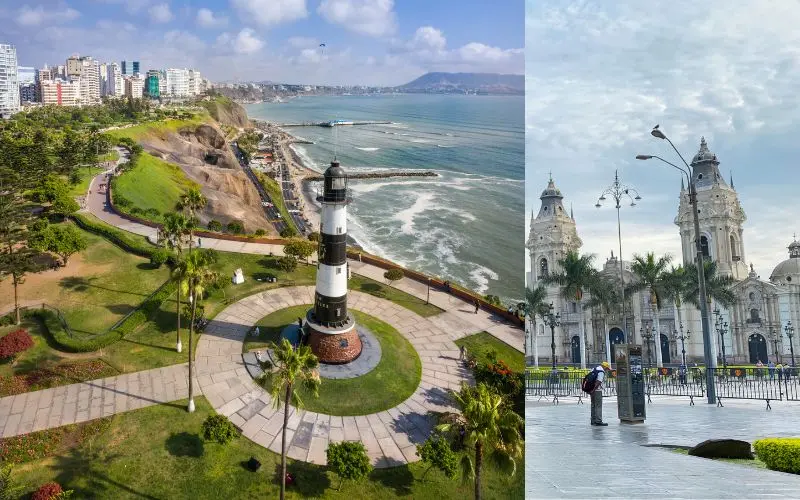
Many travelers pass through Lima on their way to other parts of Peru, but the capital deserves time on your itinerary. Located along the Pacific coast, Lima offers a mix of colonial history, ocean views, vibrant neighborhoods, and a modern atmosphere that feels different from the mountain regions.
Spend some time exploring the historic center, admire the colorful streets of Barranco, and enjoy the coastal views in Miraflores. These areas show different sides of the city, from old architecture and local traditions to creative spaces, cafés, and seaside walks.
Lima is also the perfect place to discover Peru’s diverse cuisine. From fresh seafood and traditional Peruvian dishes to innovative restaurants, the city has become one of the best places in South America to experience the country’s incredible flavors.
6. Explore Lake Titicaca and Peru’s Andean Culture
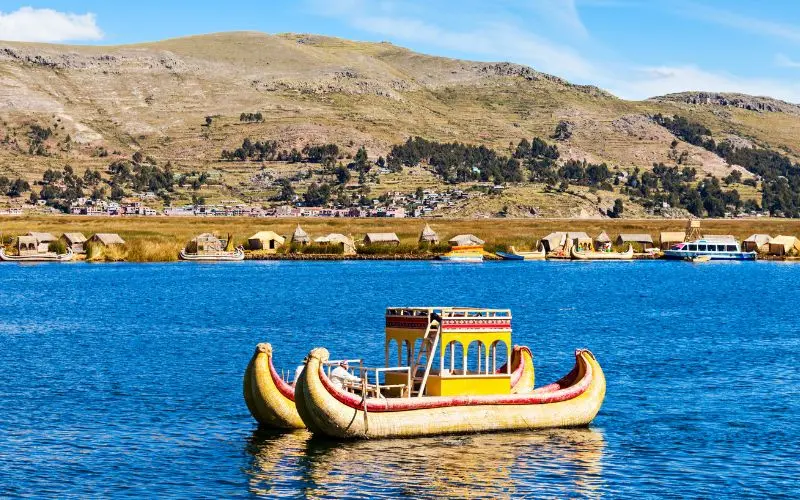
High in the Andes near Puno, Lake Titicaca is one of Peru’s most fascinating destinations. Its deep blue waters, mountain surroundings, and traditional communities create an experience that feels completely different from the ancient ruins and busy cities found elsewhere in the country.
A visit to the Uros Floating Islands gives you a glimpse into a unique way of life built around the lake’s natural resources. You can also explore Taquile Island, where local traditions, handmade textiles, and peaceful landscapes reveal the rich heritage of the Andean communities.
Lake Titicaca is a place where you can slow down and appreciate a quieter side of Peru. The scenery is beautiful, but the real highlight is connecting with the history, culture, and traditions that have shaped life in this region for centuries.
7. Explore Arequipa and the Dramatic Colca Canyon
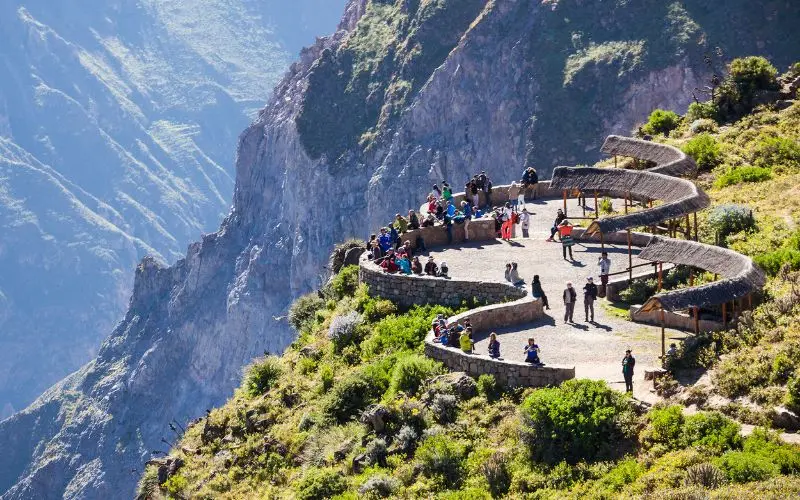
Known as the “White City” because of its beautiful buildings made from white volcanic stone, Arequipa is one of Peru’s most charming cities. Surrounded by volcanoes, the city offers a mix of colonial architecture, fascinating history, and a more relaxed atmosphere compared with Cusco and Lima.
One of the biggest reasons to visit this region is Colca Canyon, one of the deepest canyons in the world. The journey there takes you through incredible Andean scenery, traditional villages, and viewpoints where you may spot the impressive Andean condor soaring above the canyon.
Take time to explore Arequipa’s historic center, visit the famous Santa Catalina Monastery, and enjoy the local cuisine before heading into the dramatic landscapes surrounding the city. This area gives you a chance to experience Peru’s natural beauty while discovering a different side of its culture and history.
8. Discover Huacachina Oasis and the Paracas Coast
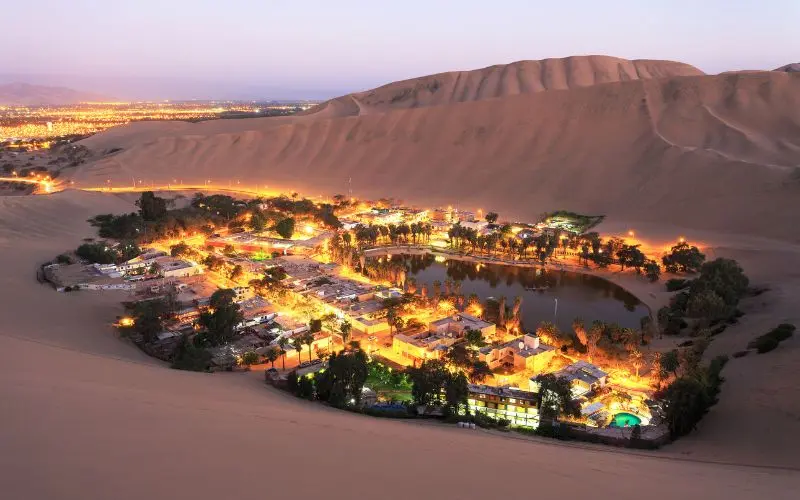
Peru is not only about mountains and ancient ruins. Along the Pacific coast, you can find completely different landscapes, including the desert oasis of Huacachina and the wildlife-rich Paracas National Reserve.
Surrounded by towering sand dunes, Huacachina is one of Peru’s most unique destinations. You can ride across the desert in a dune buggy, try sandboarding, or simply enjoy the incredible sunset views over the dunes.
Nearby, Paracas offers a beautiful coastal escape with dramatic cliffs, ocean views, and opportunities to see marine wildlife. A boat trip to the Ballestas Islands lets you spot sea lions, penguins, and thousands of seabirds in their natural environment.
Adding Huacachina and Paracas to your Peru itinerary shows you a side of the country that many visitors miss, where desert landscapes meet the Pacific Ocean.
9. See the Mysterious Nazca Lines
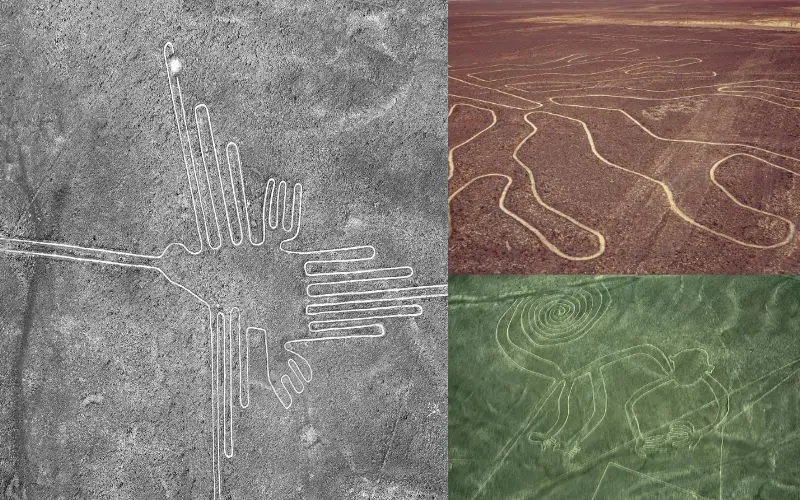
The Nazca Lines are one of Peru’s most fascinating ancient mysteries. Hidden in the desert near the southern coast, these enormous geoglyphs feature shapes of animals, plants, and geometric designs that were created by the Nazca civilization more than a thousand years ago.
The true purpose of the Nazca Lines is still debated, which makes visiting them even more intriguing. The best way to appreciate their massive scale is from above on a scenic flight, where you can see famous figures such as the hummingbird, spider, and monkey spread across the desert floor.
A visit to the Nazca Lines adds a completely different experience to your Peru journey. Away from the mountains and jungle, you will discover an ancient wonder that continues to attract historians, archaeologists, and curious travelers from around the world.
10. Visit Sacsayhuamán and Discover Cusco’s Inca Legacy
A short journey from Cusco takes you to Sacsayhuamán, a remarkable Inca site that showcases the incredible skill of ancient builders. This massive fortress is known for its enormous stone walls, where perfectly fitted blocks were placed together without mortar, showcasing the incredible skills of the Inca builders.
Walking through Sacsayhuamán gives you a deeper appreciation of Cusco’s importance as the former capital of the Inca Empire. The site also offers beautiful views over the city and the surrounding Andes Mountains.
Many visitors include Sacsayhuamán as part of a Cusco sightseeing route because it can be combined with other nearby attractions. Exploring this ancient site helps you understand the history and craftsmanship behind one of South America’s greatest civilizations.
11. Explore Ollantaytambo, the Living Inca Town
Ollantaytambo is one of the most fascinating places to visit in the Sacred Valley because it combines ancient history with everyday Peruvian life. This small mountain town still preserves its original Inca streets, stone channels, and traditional layout, making it feel like a place where the past and present exist together.
The highlight of Ollantaytambo is its impressive archaeological site, where you can climb stone terraces built into the mountainside and enjoy incredible views over the valley. The massive unfinished stones at the site show the advanced skills of Inca builders and the importance of this location within the empire.
Many travelers pass through Ollantaytambo on the way to Machu Picchu, but it deserves more than a quick stop. Spend time walking through its cobblestone streets, exploring local markets, and enjoying the peaceful atmosphere of one of Peru’s most unique towns.
12. Discover Puerto Maldonado and Peru’s Amazon Wildlife
For a completely different side of Peru, head to Puerto Maldonado, one of the main gateways to the Amazon Rainforest. Far away from the high Andes, this region offers lush jungle landscapes, winding rivers, and incredible biodiversity.
A visit here allows you to explore protected areas such as Tambopata National Reserve, where you can search for colorful birds, monkeys, caimans, and other rainforest wildlife. Guided jungle walks, river excursions, and overnight stays at Amazon lodges make it easier to experience the rainforest up close.
Puerto Maldonado is a great addition to a Peru itinerary if you want more than ancient ruins and mountain scenery. It shows the incredible natural diversity that makes Peru one of the most varied destinations in South America.
13. Discover Chachapoyas and the Ancient Fortress of Kuélap
Hidden in the cloud forests of northern Peru, Chachapoyas offers a quieter and less crowded side of the country. This region is known for dramatic landscapes, waterfalls, and the fascinating history of the Chachapoya civilization, often called the “Cloud Warriors.”
The main attraction here is Kuélap, an ancient fortress built high in the mountains before the rise of the Inca Empire. Its massive stone walls, hundreds of structures, and mountain setting make it one of Peru’s most impressive archaeological sites beyond Machu Picchu.
Exploring Chachapoyas takes more effort than visiting Peru’s classic destinations, but the reward is a deeper connection with the country’s history and natural beauty. It is an ideal choice if you want to discover a more off-the-beaten-path part of Peru.
14. Visit the Ballestas Islands and See Peru’s Coastal Wildlife
Located near Paracas on Peru’s southern coast, the Ballestas Islands are one of the best places to experience the country’s marine wildlife. Often called the “Galápagos of Peru,” these rocky islands are home to large colonies of sea lions, Humboldt penguins, and thousands of seabirds.
The best way to explore the islands is by taking a boat tour from Paracas. As you cruise along the coastline, you can enjoy views of dramatic rock formations while watching wildlife in its natural environment.
The Ballestas Islands add a completely different experience to a Peru trip. After exploring mountains, ruins, and cities, this coastal adventure gives you the chance to see Peru’s rich ocean ecosystem.
15. Relax on the Beaches of Máncora
After exploring Peru’s mountains, ruins, and busy cities, Máncora offers a completely different side of the country. Located on Peru’s northern coast, this beach town is known for its warm weather, beautiful coastline, fresh seafood, and relaxed atmosphere.
If you want to slow down during your Peru trip, Máncora is a great place to add a few relaxing days. You can enjoy the sandy beaches, watch incredible sunsets, try surfing, or simply take a break by the ocean after days of sightseeing.
Do not overlook Peru’s coastline when planning your itinerary. While places like Machu Picchu and Cusco often get the most attention, destinations like Máncora show another side of Peru filled with sunshine, beaches, and coastal charm.
16. Visit Gocta Waterfall in Peru’s Cloud Forest
If you are looking for a destination away from Peru’s most famous tourist routes, Gocta Waterfall is worth adding to your itinerary. Located near Chachapoyas in northern Peru, this impressive waterfall is surrounded by green cloud forests, mountains, and peaceful countryside.
The journey to Gocta is part of the experience. The trail takes you through peaceful forest landscapes where you can admire mountain views, look for local wildlife, and enjoy a more untouched side of Peru.
I recommend adding Gocta Waterfall if you want to see more than ancient ruins and famous landmarks. It is a place where you can enjoy Peru’s landscapes at a slower pace and discover one of the country’s most beautiful hidden gems.
17. Explore Huaraz and the Stunning Cordillera Blanca
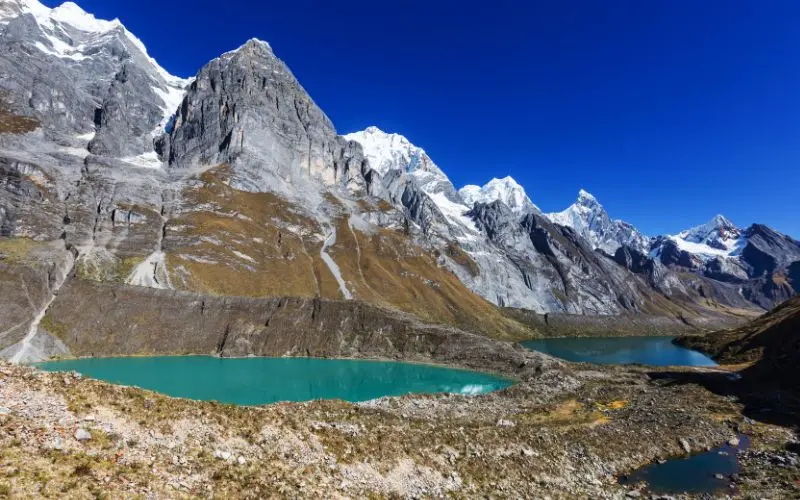
If you enjoy mountain scenery and outdoor adventures, Huaraz is one of the best places to add to your Peru itinerary. Located in the Andes, this destination is surrounded by the Cordillera Blanca, a spectacular mountain range filled with snow-covered peaks, turquoise lakes, and dramatic valleys.
The region offers some of Peru’s most beautiful hiking experiences. You can explore places like Laguna 69, where bright blue water sits beneath towering mountains, or visit nearby viewpoints to take in the incredible landscapes without needing a long trek.
Huaraz gives you a different perspective of Peru beyond Machu Picchu and ancient ruins. If you want to spend more time surrounded by nature, fresh mountain air, and some of the country’s most impressive scenery, this region is worth considering.
18. Discover the Historic City of Trujillo and Ancient Temples
Located on Peru’s northern coast, Trujillo is a destination where you can explore a different chapter of the country’s history. Known for its colorful colonial architecture and nearby archaeological sites, the city offers a fascinating look beyond the famous Inca attractions.
A short trip from Trujillo takes you to Chan Chan, the largest adobe city in the world and an impressive reminder of the ancient Chimú civilization. You can also visit the Temples of the Sun and Moon, where remarkable murals and carvings reveal the importance of pre-Inca cultures.
Adding Trujillo to your Peru journey allows you to discover civilizations that existed before the Incas and experience a less crowded but historically rich part of the country.
19. Visit Chinchero and Experience Traditional Andean Culture
Located in the Sacred Valley, Chinchero is a small mountain village where you can experience Peru’s living traditions alongside impressive Inca history. The town is known for its ancient terraces, colonial church, and traditional weaving practices that have been passed down through generations.
When you visit Chinchero, take time to explore the local markets and watch artisans create colorful textiles using traditional techniques. The surrounding mountain scenery also makes this one of the most beautiful stops in the Sacred Valley.
Chinchero is often included on routes between Cusco and other Inca sites, but it deserves more attention. It offers a chance to connect with Peru’s culture beyond famous ruins and see how ancient traditions continue in everyday life.
20. Escape to Vilcabamba, Peru’s Peaceful Mountain Retreat
For a quieter experience away from Peru’s busiest destinations, Vilcabamba offers a beautiful mountain escape surrounded by valleys, forests, and peaceful landscapes. Located in southern Peru, this remote area is known for its natural beauty and relaxed atmosphere.
You can spend your time exploring scenic trails, enjoying views of the Andes, and discovering a slower pace of life far from the main tourist routes. The surrounding landscapes make Vilcabamba a great choice if you want to combine nature, hiking, and local culture.
21. Explore Manu National Park and Peru’s Incredible Wildlife
If you want to experience Peru beyond mountains and ancient ruins, Manu National Park offers one of the most unforgettable nature experiences in the country. Located in the Amazon region, this protected area is known for its incredible biodiversity, untouched rainforest, and rare wildlife.
A journey into Manu takes you deep into one of the most diverse ecosystems on Earth. With a local guide, you can explore jungle trails, travel along rivers, and look for animals such as colorful macaws, monkeys, giant otters, and other Amazon wildlife.
The remote location means reaching Manu requires more planning, but that is part of what makes it special. Here, you can experience Peru’s wild side away from crowded attractions and discover a rainforest that remains remarkably preserved.
22. Discover Caral, the Ancient City Older Than the Inca Empire
Long before the Incas built their famous empire, an ancient civilization was already thriving in Peru. Located north of Lima, Caral is considered one of the oldest known civilizations in the Americas, dating back more than 5,000 years.
Walking through the remains of Caral gives you a chance to see massive pyramids, ceremonial spaces, and ancient structures that reveal the achievements of this early society. The peaceful desert setting also makes the visit feel completely different from Peru’s better-known archaeological sites.
If you are interested in Peru’s history, Caral adds an important perspective to your journey. It shows that the country’s fascinating past began thousands of years before Machu Picchu and the Inca civilization.
23. Explore Ausangate and the Remote Beauty of the Andes
If you want to see a quieter and more dramatic side of Peru’s mountains, the Ausangate region is one of the most beautiful places to explore. Located near Cusco, this area is known for towering snow-covered peaks, turquoise lakes, colorful landscapes, and traditional Andean communities.
The Ausangate Trek offers a different experience from the busy routes around Machu Picchu. As you travel through the high Andes, you can discover peaceful valleys, encounter local alpacas, and enjoy some of Peru’s most breathtaking scenery away from the crowds.
This region is also home to the famous Rainbow Mountain area, but exploring beyond the viewpoint allows you to appreciate the incredible landscapes that surround it. Add Ausangate to your itinerary if you want adventure, nature, and a deeper connection with Peru’s mountain culture.
24. Experience Ayacucho’s History, Art, and Local Traditions
Ayacucho is one of Peru’s most culturally rich cities, offering beautiful colonial architecture, traditional crafts, and a deeper look into the country’s history. Known as the “City of Churches,” it is filled with historic buildings, charming streets, and local traditions that have been preserved for generations.
Beyond the city, you can explore nearby archaeological sites such as Wari, which belonged to one of the most important civilizations that existed before the Incas. The region is also famous for its handmade artwork, festivals, and unique cultural celebrations.
Ayacucho is a great addition if you want to discover a less crowded destination and experience a more authentic side of Peru. It offers history, culture, and traditions that many visitors miss when following the classic tourist route.
25. Discover Choquequirao, Peru’s Hidden Inca Treasure
If you want to explore an incredible Inca site away from the crowds, Choquequirao is one of Peru’s most rewarding destinations. Often compared to Machu Picchu, this ancient city sits high in the Andes and offers a much more remote and adventurous experience.
Reaching Choquequirao requires a challenging multi-day trek, but the journey takes you through dramatic mountain scenery, deep valleys, and breathtaking views that make the effort worthwhile. Once you arrive, you can explore massive terraces, ancient plazas, and stone structures surrounded by the peaceful Andes.
While Machu Picchu attracts millions of visitors each year, Choquequirao remains much quieter and gives you a rare opportunity to experience Peru’s Inca heritage in a more secluded setting. If you enjoy hiking and want to discover one of the country’s most impressive hidden gems, this is a destination worth adding to your itinerary.
How Many Days Do You Need in Peru?
The ideal length of a Peru trip depends on how much of the country you want to experience. A short visit can cover the famous highlights, but having extra time allows you to explore beyond Machu Picchu and discover Peru’s incredible variety.
For a first visit, 7 to 10 days in Peru is enough to experience the classic route, including Lima, Cusco, the Sacred Valley, and Machu Picchu. This gives you time to explore the country’s most famous attractions without rushing too much.
If you have two weeks or more, you can slow down and add destinations like the Amazon Rainforest, Lake Titicaca, Arequipa, Colca Canyon, or Peru’s coastal landscapes. More time also allows you to adjust better to the altitude and enjoy each destination at a comfortable pace.
With three weeks or longer, you have enough time to go beyond the highlights and experience Peru’s history, nature, and lesser-known destinations at a comfortable pace.
No matter how long you stay, avoid trying to fit every region into one itinerary. Peru is a large and diverse country, and the best experiences come from taking time to explore each place properly.
Best Time to Visit Peru
The best time to visit Peru depends on where you want to go and what experiences you want to have. Because the country has mountains, coastline, and rainforest regions, the weather can be very different from one destination to another.
For most first-time visits, the dry season from May to September is considered the best time to explore Peru, especially Cusco, the Sacred Valley, and Machu Picchu. During these months, you can expect clearer skies, better hiking conditions, and more comfortable weather for exploring the Andes.
June to August is the busiest period because many visitors plan their Peru trips during the summer holidays. If you visit during this time, book popular attractions like Machu Picchu, trains, and accommodation in advance.
The shoulder seasons of April to May and September to October can be a great choice if you want fewer crowds while still enjoying good weather. You may find better availability and a more relaxed experience at popular destinations.
The rainy season from November to March brings more showers, especially in the Andes, but it also has advantages. The landscapes become greener, there are fewer visitors, and places like the Amazon can still be enjoyable with the right planning.
Before choosing your travel dates, consider your itinerary. The best month for hiking in the Andes may not be the same as the best time for visiting the Amazon or relaxing along Peru’s coast.
Peru Transportation Guide
Getting around Peru is easier when you plan your route in advance. Since the country stretches from the Pacific coast to the Andes Mountains and the Amazon rainforest, travel times can vary greatly between destinations.
For longer distances, domestic flights are often the most convenient option. Flying between major cities like Lima, Cusco, and Arequipa can save hours and gives you more time to explore instead of spending a full day on the road.
Long-distance buses are another popular way to travel through Peru. They connect many major destinations and are a good choice if you want to enjoy the changing scenery along routes such as Lima to Paracas or Arequipa to Cusco.
In the Cusco region, trains and local transfers are commonly used to reach places like the Sacred Valley and Machu Picchu. Most visitors take a train to Aguas Calientes before continuing to the famous Inca site.
For getting around cities, taxis, ride-hailing apps, and local transportation are practical options. If you are visiting multiple attractions in one day, guided tours or private transfers can make your journey much easier.
My advice is to avoid adding too many destinations to a short itinerary. Distances in Peru can be longer than expected, and giving yourself enough time between stops will make your trip more enjoyable.
Essential Peru Travel Tips for First-Time Visitors
A little preparation can make your Peru trip much more enjoyable. From high-altitude destinations to popular attractions that sell out quickly, these simple tips will help you avoid common mistakes and make the most of your adventure.
- Book Machu Picchu tickets early. Entry numbers are limited, especially during the busiest months, so reserve your tickets well in advance.
- Give yourself time to adjust to the altitude. If your itinerary includes Cusco, Rainbow Mountain, or Lake Titicaca, spend a day or two acclimatizing before doing strenuous activities.
- Pack for changing weather. You may experience warm sunshine, cool mountain temperatures, and rain during the same trip, so lightweight layers are your best option.
- Carry some cash. While cards are widely accepted in larger cities, smaller towns, local markets, and remote areas often prefer cash.
- Learn a few basic Spanish phrases. Even simple greetings and polite expressions can make interactions more enjoyable, especially outside major tourist areas.
- Leave room for flexibility. Peru has so much to offer that you may want to spend extra time in places you did not expect to love.
Peru Travel Costs: How Much Should You Budget?
Peru is one of South America’s best-value destinations, with options for every budget. Your total travel costs will depend on where you go, how you get around, and the type of accommodation you choose.
- budget travel: Around $30–60 USD per day if you stay in hostels or budget guesthouses, use public transportation, and eat at local restaurants.
- Mid-range travel: Expect to spend $80–150 USD per day, including comfortable hotels, a mix of restaurants, domestic flights, and guided tours.
- Luxury travel: Budget $250 USD or more per day for upscale hotels, private tours, fine dining, and premium experiences.
Keep in mind that Machu Picchu is usually the biggest expense. Entry tickets, train travel, and guided tours can significantly increase your overall budget, so it’s worth booking in advance and including these costs in your trip planning.
You can also save money by traveling during the shoulder season, booking transportation early, and spending more time in each destination instead of taking frequent domestic flights.
What to Eat in Peru: Must-Try Traditional Dishes

Trying the local food is one of the highlights of visiting Peru. Every region has its own specialties, so do not leave without tasting a few traditional dishes along the way. Whether you are exploring the streets of Lima, visiting a local market in Cusco, or stopping at a family-run restaurant in the Sacred Valley, Peru’s food is an experience in itself.
Ceviche is the first dish I recommend trying, especially if you are visiting Lima or Peru’s coastal cities. Made with fresh fish marinated in lime juice, it is refreshing, full of flavor, and considered Peru’s national dish.
If you are looking for a filling meal after a day of sightseeing, order Lomo Saltado. This popular dish combines stir-fried beef, onions, tomatoes, fries, and rice, creating one of the country’s most loved comfort foods.
Do not miss Aji de Gallina if you enjoy creamy dishes. This traditional chicken recipe has a rich, mildly spicy sauce and is served in restaurants throughout Peru.
If you enjoy trying local street food, give Anticuchos a chance. These grilled skewers have been part of Peruvian cuisine for generations and are often served fresh from evening food stalls.
For something different, try Causa, a chilled potato dish layered with fillings such as chicken, tuna, or avocado. It is light, flavorful, and perfect for lunch.
To end your meal, look for Picarones, a sweet treat made from pumpkin and sweet potato dough, fried until golden and served with a warm syrup. They are especially popular in local markets and make a great dessert after a day of exploring.
My advice is to eat where the locals eat whenever you can. Small restaurants, neighborhood cafés, and busy food markets often serve some of the most authentic meals, giving you a better taste of Peru than many tourist-focused restaurants.
Peru Travel FAQ: Everything You Need to Know Before Your Trip
Is Peru safe to visit?
Peru is generally safe for tourists, especially in popular destinations like Lima, Cusco, the Sacred Valley, and Machu Picchu. Like any country, it is important to stay aware of your surroundings, avoid showing expensive belongings, and use trusted transportation options.
Do you need cash in Peru?
Yes, carrying some cash is useful when traveling in Peru. While hotels, larger restaurants, and many tourist businesses accept cards, smaller shops, local markets, taxis, and rural areas often prefer Peruvian soles.
How much does a trip to Peru cost?
A Peru trip can fit different budgets. Budget travelers can expect to spend around $30–60 USD per day, while a comfortable mid-range trip usually costs about $80–150 USD per day. Luxury travel with premium hotels, private tours, and fine dining can cost $250 USD or more per day.
What is the best airport to fly into Peru?
The main international airport in Peru is Jorge Chávez International Airport in Lima. Most international visitors arrive there before connecting to destinations such as Cusco, Arequipa, and other regions.
What is the best season for a trip to Peru?
The best time to visit Peru is generally from May to September, during the dry season when destinations like Cusco, Machu Picchu, and the Andes usually have clearer weather. April, May, September, and October are good shoulder-season options with fewer crowds.
Is Peru family friendly?
Yes, Peru can be a great family destination. Families can enjoy ancient ruins, wildlife experiences, colorful markets, cultural activities, and scenic landscapes. When traveling with children, plan enough rest time, especially in high-altitude destinations.
What are the best local transportation options for tourists in Peru?
The best local transportation options for tourists in Peru include taxis, ride-hailing apps, local buses, colectivos (shared vans), and private transfers. In cities like Lima, Cusco, and Arequipa, taxis and trusted ride apps are convenient choices, while buses and colectivos are useful for affordable short-distance travel.
Is Uber available in Peru?
Yes, Uber is available in major Peruvian cities such as Lima, Cusco, and Arequipa. It is a convenient option for many tourists because fares are shown in advance and payment can be handled through the app. Availability may be limited in smaller towns.
Are taxis safe in Peru?
Taxis in Peru are generally safe when you use official taxi services, hotel recommendations, or trusted ride-hailing apps. Avoid accepting random taxis from the street, especially at airports, and confirm the fare before starting your ride.
What are the Best Historical Sites to visit in Peru?
The top historical sites in Peru include Machu Picchu, Sacsayhuamán, Ollantaytambo, the Sacred Valley, Nazca Lines, Chan Chan, Kuélap, and Caral. These sites reveal the history of ancient civilizations including the Inca, Chimú, and Norte Chico cultures.
What outdoor activities can you do around Cusco?
Popular outdoor activities around Cusco include hiking to Machu Picchu, trekking Rainbow Mountain, visiting Humantay Lake, exploring the Sacred Valley, mountain biking, and hiking through the Andes. Cusco is one of Peru’s best destinations for adventure experiences.