Best Things to Do in Hanoi: Top Attractions, Food & Hidden Spots
Published: 5 Jul 2026
Hanoi is one of Southeast Asia’s most dynamic capitals, known for its chaotic Old Quarter, rich history, street food culture, and hidden cafés.If you’re planning a trip, there are plenty of things to do in Hanoi, from exploring the Old Quarter and Hoan Kiem Lake to visiting historic landmarks, trying street food and discovering tucked-away cafés that most travelers miss.
In this guide, you’ll find the best things to do in Hanoi, along with cultural highlights, food experiences and practical travel tips. It also covers how many days to stay, the best time to visit, and where to base yourself in the city.
Hoan Kiem Lake & Ngoc Son Temple (Heart of Hanoi)
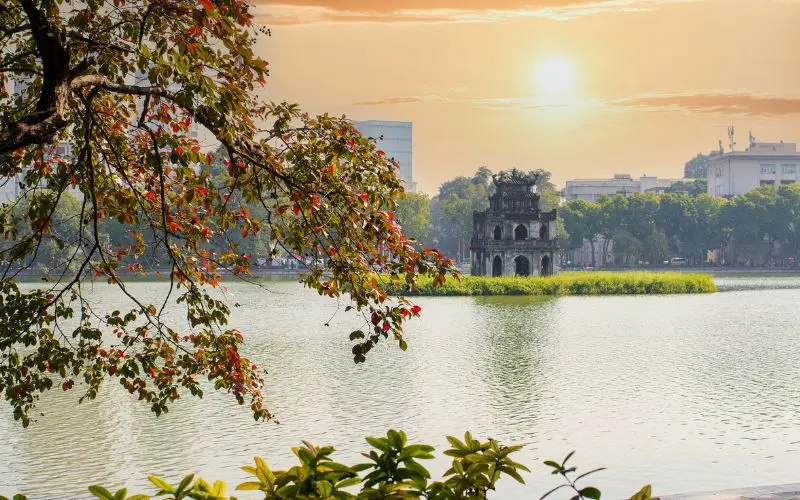
If you’re wondering where to begin in Hanoi, start at Hoan Kiem Lake. Many of the city’s top attractions are within walking distance, so it’s easy to build the rest of your day from here.
The atmosphere changes throughout the day. Early mornings are surprisingly peaceful, with locals walking, jogging, and practicing tai chi by the water. By evening, the lake becomes a popular gathering spot where families, street performers, and food vendors create a completely different energy.
In the middle of the lake sits Ngoc Son Temple, reached by the iconic red The Huc Bridge. It doesn’t take long to explore, but it’s one of Hanoi’s most recognizable landmarks and offers a glimpse into the city’s spiritual traditions.
Since the Old Quarter begins just across the road, this is also the perfect place to start or end your day before wandering through Hanoi’s historic streets.
Best time to visit: Early morning for a quieter atmosphere or around sunset when the lake comes alive.
Hanoi Old Quarter (36 Historic Streets)
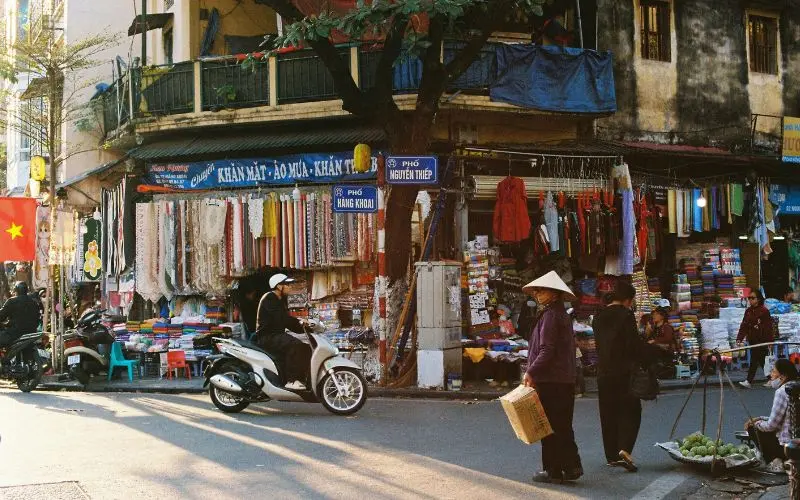
The Old Quarter isn’t just another attraction, it’s the part of Hanoi you’ll probably remember most. Rather than ticking off landmarks, this is where you experience the city’s everyday life through its streets, food, cafés and constant movement.
Every block feels different. One street is lined with tiny coffee shops, the next is filled with street food, while another is packed with local businesses that have traded here for generations. There’s always something happening, which makes wandering far more rewarding than following a strict itinerary.
Don’t worry about getting a little lost. Some of the best bánh mì shops, hidden cafés, and small temples are tucked away in side streets you’d probably walk past otherwise.
You’ll likely return here more than once during your trip, not because you missed something, but because the atmosphere changes from morning to night, making each visit feel a little different.
Best time to visit: Late afternoon and evening, when the streets are at their liveliest and food vendors are in full swing.
Read More:
- Best Things to Do in Vietnam
- Most Beautiful Places in the World to Visit Once in a Lifetime
- Cheapest Countries in Asia to Travel
Temple of Literature Hanoi (Vietnam’s First University)
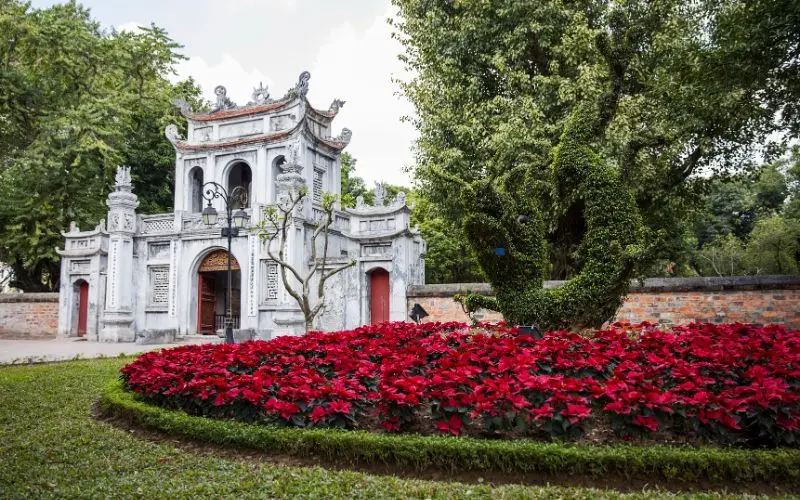
The Temple of Literature is one of the few places in Hanoi where you can step away from the traffic and crowds for a while. Behind its ancient gates, you’ll find peaceful courtyards, shady gardens, ponds, and traditional Vietnamese architecture that make it feel completely different from the streets outside.
Built in 1070, it was Vietnam’s first university and a place where scholars studied for centuries. As you walk through the complex, you’ll pass stone steles engraved with the names of successful graduates, giving you a glimpse into how highly education has been valued in Vietnamese culture.
Even if history isn’t usually your thing, the temple is worth visiting for its atmosphere alone. It’s a pleasant place to slow down, wander through the courtyards, and admire one of Hanoi’s best-preserved historic landmarks.
Best time to visit: Early morning or late afternoon for cooler weather and a quieter experience.
Ho Chi Minh Mausoleum (Hanoi Landmark Visit)
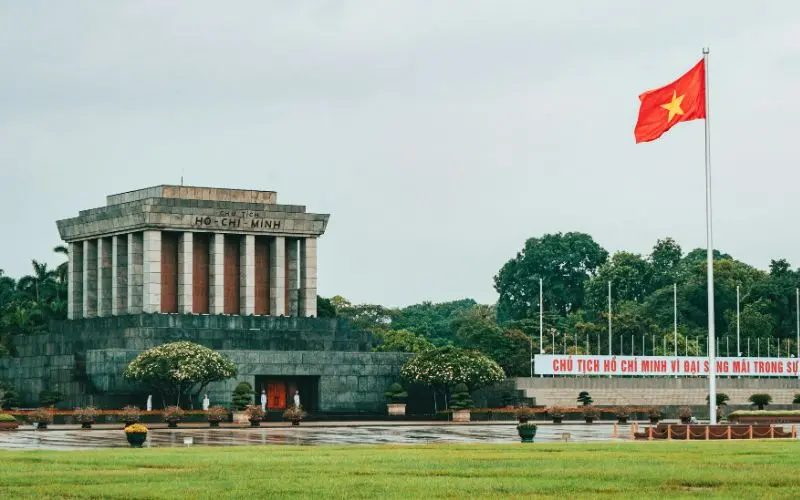
The Ho Chi Minh Mausoleum is one of the most heavily regulated sites in Hanoi. Everything here runs on strict order like security checks, dress rules, and a fixed walking route through the complex.
Inside the main building lies the preserved body of Ho Chi Minh, Vietnam’s former leader, presented in a formal setting that reflects his importance in the country’s modern history. The visit itself is quiet, with visitors moving through in a slow, organized line.
Outside, the complex opens into large spaces that include Ba Dinh Square, the Presidential Palace grounds, and Ho Chi Minh’s Stilt House. These areas help you understand his daily life and working environment without needing much background explanation.
It’s not a flexible or casual stop, but it is one of the key places in Hanoi to understand Vietnam’s political history and national identity.
Best time to visit: Early morning to avoid queues and midday heat.
Read More:
- 10 Safest Countries in Asia to Travel
- Most Beautiful Asian Countries You Should Visit Once
- Best Beaches in Asia for Your Next Tropical Adventure
One Pillar Pagoda (Unique Hanoi Landmark)
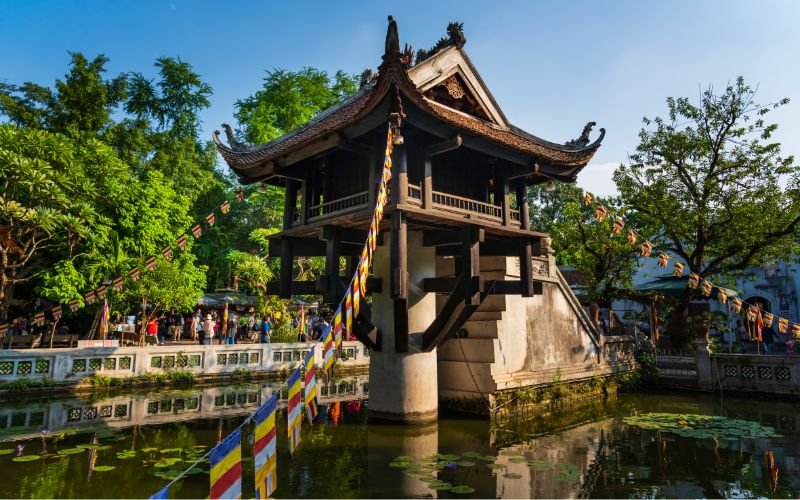
One Pillar Pagoda is one of Hanoi’s smallest but most recognizable landmarks. Built in the 11th century, it stands on a single stone pillar rising from a lotus-shaped pond, which makes it visually very different from other temples in the city.
It doesn’t take long to visit, but it fits well into a half-day route around the Ho Chi Minh Mausoleum area. Most people stop here briefly while exploring nearby attractions rather than spending a long time on site.
The setting is simple, but it reflects an important part of Vietnam’s Buddhist history and architecture. It’s especially popular for photos because of its unusual structure and peaceful surroundings.
Best time to visit: Early morning before tour groups arrive or late afternoon for softer light.
Imperial Citadel of Thang Long
The Imperial Citadel of Thang Long is worth visiting if you enjoy history but don’t want to spend hours inside a museum. As the political center of Vietnam for nearly 1,000 years, it tells the story of the country’s imperial past through ancient gates, royal buildings, and archaeological remains.
Unlike Hanoi’s busier attractions, the grounds feel open and uncrowded, making it easy to explore at your own pace. You’ll walk through historic courtyards, see excavated foundations from different dynasties, and visit exhibition halls that explain how the site evolved over the centuries.
What makes it different is that you’re not looking at history behind glass—you’re walking through the place where much of it actually happened. If you’re interested in Vietnam beyond its food and street life, this is one of the best places to understand how the country developed over the centuries.
Best time to visit: Morning or late afternoon, when the weather is cooler and the open grounds are more comfortable to explore.
Vietnam Museum of Ethnology
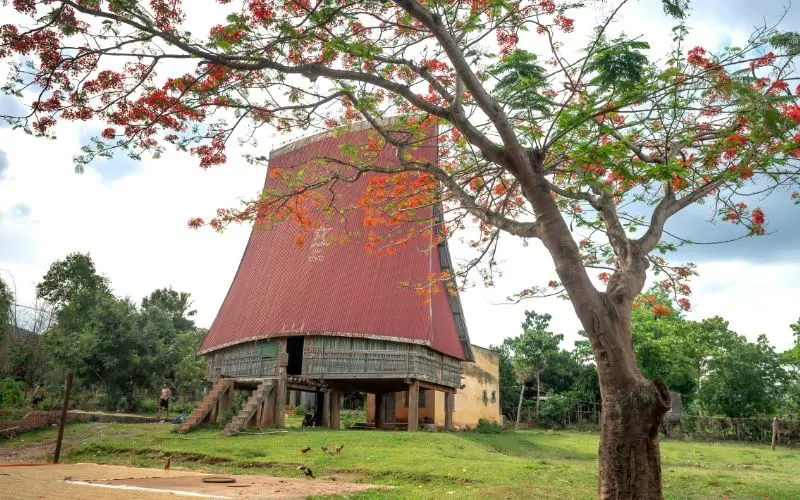
If you’re only visiting one museum in Hanoi, make it the Vietnam Museum of Ethnology. Instead of focusing on wars or dynasties, it introduces you to the people who make up modern Vietnam.
Inside, you’ll find traditional clothing, handmade crafts, musical instruments, and everyday objects used by more than 50 ethnic groups across the country. It gives you a much better understanding of Vietnam’s culture before you continue exploring the rest of the country.
The highlight is the outdoor garden, where you can walk inside full-size traditional houses from different regions of Vietnam. Seeing how each community designed and lived in these homes brings the exhibits indoors to life in a way photos and display cases can’t.
It’s a refreshing change from Hanoi’s busy streets and one of the few attractions where you’ll leave feeling like you’ve learned something about the country, not just the city.
Best time to visit: Morning, when it’s cooler and you have plenty of time to explore both the indoor galleries and outdoor exhibits.
St. Joseph’s Cathedral (French Quarter Landmark)
St. Joseph’s Cathedral sits just outside the Old Quarter and feels noticeably different from the surrounding streets. The architecture, bell towers, and open square give it a more structured, colonial-era character compared to the dense city around it.
Built in the late 1800s, it is one of the oldest churches in Hanoi and still functions as an active place of worship. During certain times of the day, you’ll see locals gathering in front of the cathedral steps, sitting at nearby cafés, or simply using the space as a meeting point.
The surrounding streets are lined with small cafés and bakeries, so you’ll notice people sitting longer, drinking coffee, and taking their time. It’s an easy place to pause for a while and step out of the Old Quarter’s constant movement without going far.
At night, the cathedral is softly lit and the area becomes more atmospheric, especially with cafés spilling out onto the street.
Best time to visit: Late afternoon into evening for café atmosphere and lighting.
West Lake Hanoi (Local Evening Escape)
West Lake is the largest lake in Hanoi and feels more spread out and relaxed compared to the compact energy of the Old Quarter. The roads around it are wider, the air feels slightly more open, and the pace is noticeably slower.
During the day, it’s mostly a quiet residential and café area, but in the late afternoon it becomes one of the best places to watch daily life shift into evening mode. People come here to walk, cycle, sit by the water, or stop at cafés and rooftop spots along the shoreline.
Unlike Hoan Kiem Lake, West Lake doesn’t feel like a central landmark—it feels more like a local living space where people naturally spend time without much structure or sightseeing focus. That’s why it works well as a place to slow down for a bit after spending time in the busier parts of the city.
The sunset view over the lake is one of the calmer moments you’ll find in Hanoi, especially when the city noise fades slightly and the streets feel less compressed.
Best time to visit: Late afternoon for sunset and slower evening atmosphere.
Tran Quoc Pagoda (Hanoi’s Oldest Buddhist Temple)
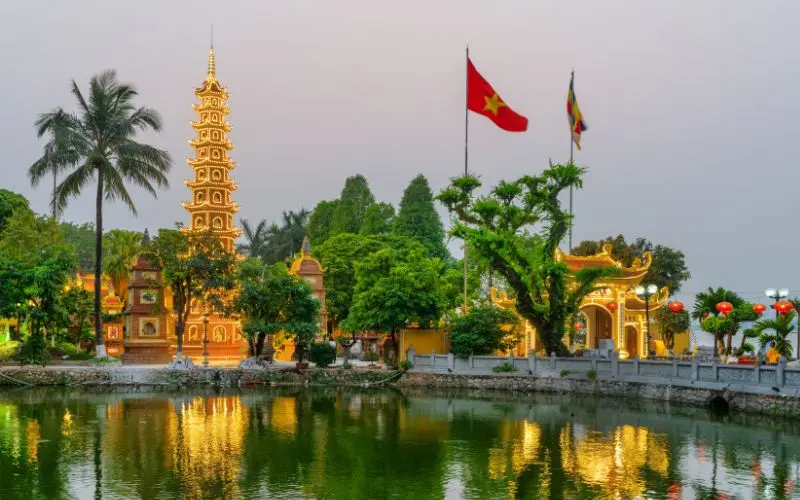
If you only have time to visit one pagoda in Hanoi, make it Tran Quoc Pagoda. Sitting on a small island along West Lake, it offers a quieter experience than many of the city’s busier attractions.
The pagoda dates back more than 1,500 years, making it the oldest Buddhist temple in Hanoi. As you walk through the grounds, you’ll find peaceful gardens, traditional shrines, and a striking red stupa reflected in the lake. It doesn’t take long to explore, but it’s a pleasant place to slow down and enjoy a different side of the city.
Many travelers combine it with a visit to West Lake since they’re only a short walk apart. It works especially well if you’re looking for a break from the crowds of the Old Quarter before continuing your day.
Best time to visit: Early morning for a peaceful atmosphere or late afternoon when the light over West Lake is at its best.
Dong Xuan Market (Hanoi’s Largest Local Market)
Dong Xuan Market is Hanoi’s largest covered market and a busy trading hub inside the Old Quarter. It’s packed with stalls selling clothing, fabrics, household items, souvenirs, and everyday goods.
Inside, the walkways are narrow and tightly packed. Vendors are focused on selling, and the experience is more about seeing how local trade works than browsing comfortably.
What you can enjoy here is the raw, unfiltered side of Hanoi’s daily commerce—quick exchanges, dense stalls, and a constant flow of activity that feels very local rather than curated for visitors.
Outside the main building, the streets fill with food stalls in the evening. You can stop for snacks, sit along the sidewalks, and eat while the area shifts into a more relaxed street-food atmosphere compared to the indoor market.
Best time to visit: Morning for the indoor market, or evening for street food outside.
Long Bien Bridge (Historic Hanoi Crossing)
Long Bien Bridge is one of the oldest surviving bridges in Hanoi and still functions as a working route for trains, motorbikes, and pedestrians across the Red River.
It’s worth coming here because it shows a very different side of the city—less polished, more functional, and still actively used in daily life rather than preserved as a tourist site.
You walk along exposed steel tracks with constant movement around you. Trains pass through at intervals, motorbikes squeeze by, and below you can see the river, small boats, and farmland stretching out from the city edge.
There’s no viewing platform or setup here—you’re walking directly through the structure itself, which is what makes it feel different from other bridges in Hanoi.
Best time to visit: Early morning or late afternoon when the light hits the river and traffic is lighter.
Unique Experiences in Hanoi
Some of the best parts of Hanoi aren’t the famous landmarks, but the small experiences in between quiet cafés, street food corners, and local activities that give the city its character.
Egg Coffee Experience (Hanoi’s Signature Drink)
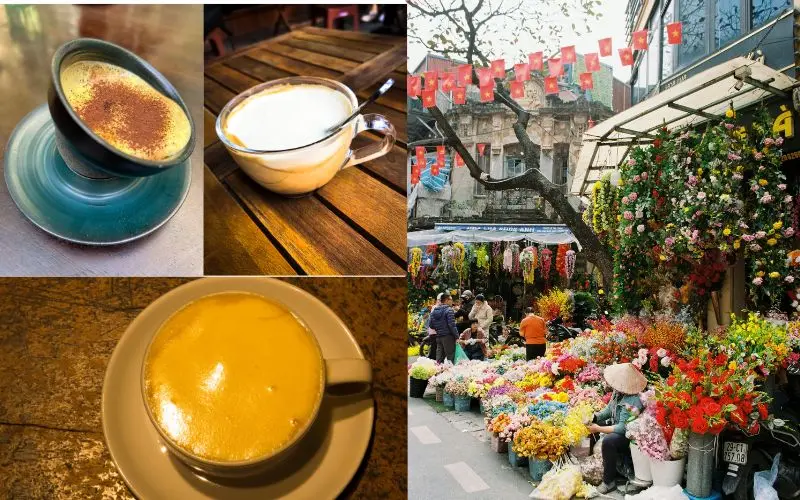
Egg coffee is a Hanoi specialty you won’t really find the same way elsewhere in Vietnam. It’s made by whipping egg yolk with sugar and condensed milk into a thick foam and layering it over strong Vietnamese coffee.
It’s worth trying because it’s not just coffee—it feels closer to a dessert drink, and the texture is the main reason people order it more than once.
You’ll usually find it in small cafés around the Old Quarter or near Hoan Kiem Lake. Most places serve it in small cups, and it’s meant to be sipped slowly rather than rushed.
Best time to try: Afternoon break or after a meal when you want something sweet and heavy instead of a standard coffee.
Hanoi Train Street (Coffee by the Railway Tracks)
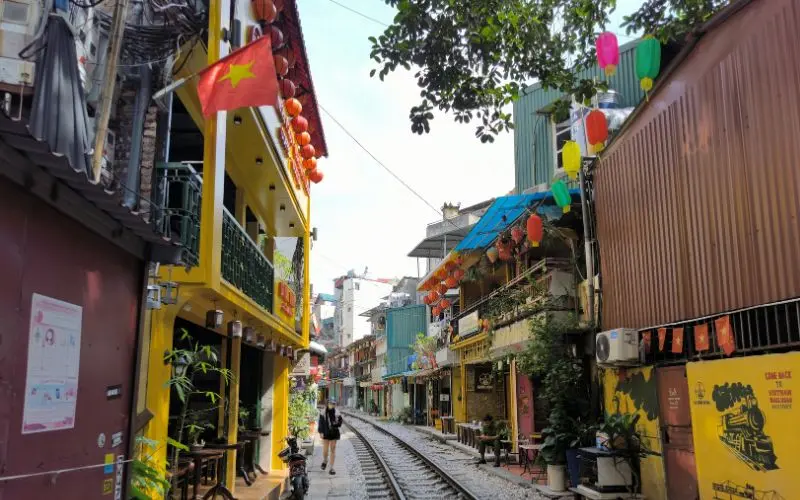
Train Street is one of the most unusual things to do in Hanoi, where cafés and homes sit directly along an active railway line. The tracks run through a narrow residential corridor, with daily life continuing just inches from passing trains.
Between train schedules, the street functions like a tight café lane. Visitors sit close to the rails, order drinks, and wait in a setting that feels calm despite the environment it’s built around.
When a train approaches, the entire scene shifts quickly. Tables are pulled inward, people move back against walls, and the space clears just before the train passes through at close range. The experience is brief but intense because of how close everything happens.
Access conditions can change depending on local regulations and café arrangements, so the setup may vary from visit to visit.
Best time to visit: Late afternoon for better lighting and higher chance of catching a train.
Hanoi Street Food Tour
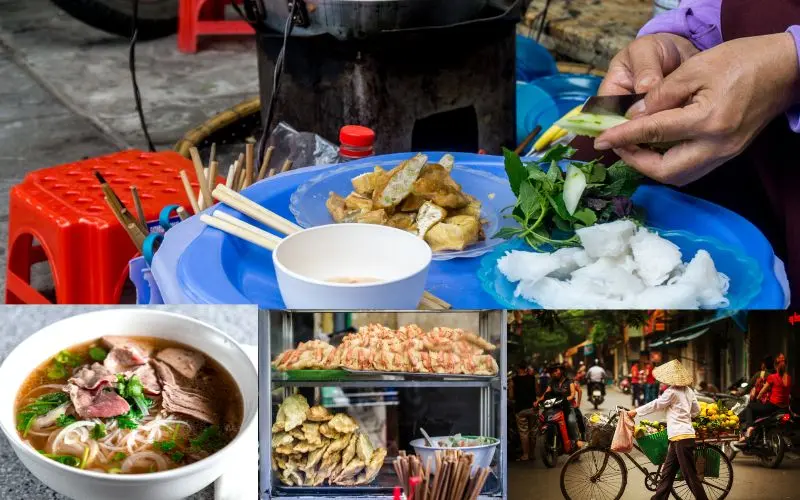
A street food tour is one of the easiest ways to understand how Hanoi actually eats. Instead of going to restaurants, you move through small street stalls, alleyways, and local spots where most dishes are cooked fresh on the spot.
It’s worth doing because Hanoi’s food isn’t centralized—you’ll find different dishes in different corners of the Old Quarter, and most of them don’t show up clearly unless someone guides you or you already know what to look for.
You’ll try a mix of dishes like pho, bun cha, banh mi, grilled meats, and small snacks you’d normally walk past without noticing. Most tours also take you into hidden lanes where seating is basic and the focus is entirely on the food.
Best time to visit: Evening when stalls are fully set up and the streets are busiest.
Cooking Class (Hands-on Vietnamese Food Experience)
A cooking class in Hanoi is one of the most practical ways to understand Vietnamese food beyond just eating it. You usually start with a market visit, where ingredients are explained before you move into preparing the dishes yourself.
It’s worth doing because most Vietnamese dishes look simple but rely on balance—fresh herbs, fish sauce, textures, and timing. Cooking them yourself makes that balance much easier to understand than just ordering in a restaurant.
You’ll typically make a small set of dishes like pho, spring rolls, or bun cha, depending on the class. Everything is guided step by step, so you don’t need any cooking experience to follow along.
Best time to visit: Morning or early afternoon so you can combine it with a market visit and still have time for other activities.
Fine Arts Museum (Vietnamese Art & Architecture Stop)
The Fine Arts Museum sits inside a restored colonial building and gives a quieter break from Hanoi’s busier attractions. Inside, you’ll move through multiple floors of traditional and modern Vietnamese art, including paintings, sculptures, and religious artifacts.
It’s worth visiting if you want a different angle on Vietnamese culture that isn’t focused on history or street life. The collection shows how art evolved through different periods, from ancient Buddhist influences to more modern styles.
You don’t need a long visit here—most people spend around an hour walking through the galleries and courtyard before moving on.
Best time to visit: Late morning or early afternoon when it’s less crowded and easier to move through the galleries.
Hidden Alley Cafés (Old Quarter Coffee Spots)
Hidden alley cafés are one of the most interesting parts of Hanoi’s coffee culture. Instead of facing the main streets, many cafés sit deep inside narrow lanes or tucked behind small entrances you can easily miss.
It’s worth exploring because these cafés feel very different from the busy street-side spots. You often climb narrow staircases or pass through small corridors before reaching quiet seating areas above the street.
Once inside, the noise from the Old Quarter drops and you get a slower, more relaxed atmosphere with strong Vietnamese coffee, egg coffee, or simple iced drinks.
Best time to visit: Afternoon when you want a break from walking and street traffic.
Nightlife & Evening Things to Do in Hanoi
Evenings in Hanoi are when the city feels most alive. Food stalls open up, walking streets fill with people, and different neighborhoods turn into easy places to eat, walk, and spend time outdoors.
Water Puppet Show (Traditional Hanoi Performance)
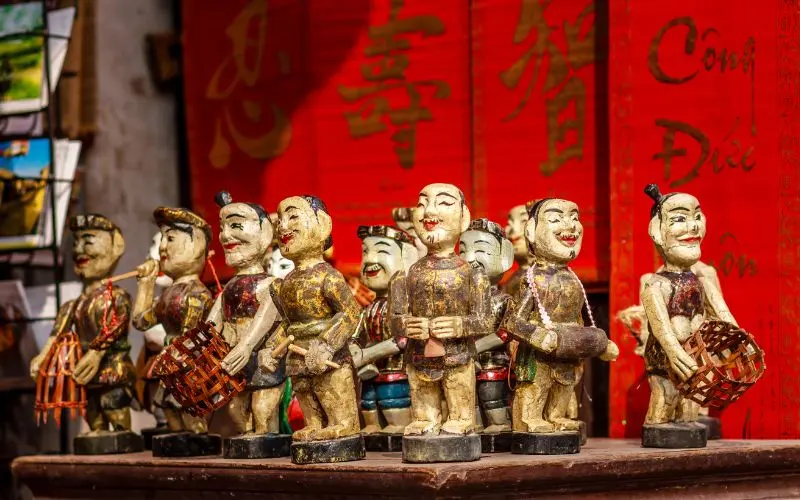
The water puppet show is a traditional Vietnamese performance where wooden puppets move across a shallow water stage, controlled by hidden puppeteers standing behind a screen. It’s one of those cultural experiences that feels simple at first but is very specific to Vietnam.
The stories come from rural village life and old Vietnamese folklore—fishing scenes, farming routines, daily village activities, and a few mythical tales mixed in. Even without understanding the language, you can follow what’s happening just by watching the movements and music.
The show is short, usually around an hour, and works well as a relaxed evening activity after a full day of walking around Hanoi. It’s not a big production, but it’s one of the few traditional art forms in the country that’s still performed regularly.
Best time to visit: Evening show after dinner or city exploration.
Ta Hien Beer Street (Hanoi Nightlife Street)
Ta Hien Beer Street is one of the busiest nightlife spots in Hanoi, tucked inside the Old Quarter where small bars spill out onto the street and plastic stools fill every corner.
It’s worth coming here if you want to see how locals and travelers mix in the same space over cheap beer and street snacks. The setup is simple—order a drink, sit outside, and you’re part of the street rather than just watching it.
You’ll find constant movement here: groups chatting, music from different bars overlapping, and people squeezing through narrow gaps between tables. It’s loud, crowded, and very social, especially after sunset.
Best time to visit: After 8 PM when the street is fully packed and the nightlife is active.
Hanoi Night Market (Weekend Walking Streets)
The Hanoi Night Market runs through the Old Quarter on weekends when the main streets close to traffic and turn into a long pedestrian stretch filled with stalls and food vendors.
It’s worth visiting because the same streets you see during the day completely change—what feels like traffic-heavy lanes turn into open walking space filled with lights, street food, and casual shopping.
You can walk through slowly, try small snacks, browse souvenirs, or just follow the crowd without needing a plan. The whole area feels more social at night, with music, street performances, and groups gathering along the road.
It connects naturally with Hoan Kiem Lake, so you can move between both areas without any effort.
Best time to visit: Friday to Sunday evening when the pedestrian streets are fully active.
Best Day Trips from Hanoi
If you have extra time in Hanoi, stepping outside the city is worth it. Within a few hours, the landscape changes completely from limestone cliffs and rivers to ancient temples hidden in mountains. These day trips are some of the most rewarding parts of a Hanoi itinerary.
Ha Long Bay Cruise Experience

Ha Long Bay is one of the most popular day trips from Hanoi, known for its limestone islands rising out of emerald water. Most visits are done by boat, where you slowly move between cliffs, caves, and calm open stretches of sea.
The experience is mostly about the scenery. You spend much of the day on deck, watching the landscape change as you pass through different parts of the bay. Some tours include kayaking or short cave stops, but the main highlight is the view itself.
It’s a longer day trip, but it feels completely different from anything you’ll see inside the city.
Best time to visit: October to April for clearer skies and calmer waters.
Ninh Binh Province (Trang An / Tam Coc)
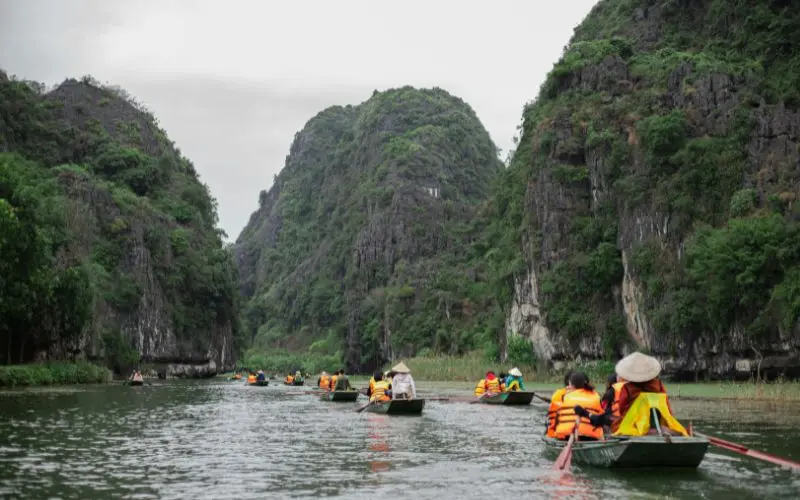
Ninh Binh Province is often called the “Ha Long Bay on land,” but the experience feels more grounded and quieter. Instead of open water, you move through rivers surrounded by rice fields and limestone mountains.
A boat ride through Trang An Scenic Landscape Complex or Tam Coc is the main highlight. You drift through narrow waterways, pass under caves, and glide past steep cliffs that rise on both sides.
It’s a slower, more relaxed day compared to Ha Long Bay, with less travel time and fewer crowds depending on the route you choose.
Best time to visit: Dry season (October to April) when the scenery is clearest and rice fields are green.
Perfume Pagoda Day Trip
Perfume Pagoda is a mix of river journey and mountain climb that leads to a cave temple complex hidden in limestone hills.
The trip usually starts with a boat ride along a peaceful river, followed by a cable car or hike up to the main pagoda inside Huong Tich Cave. The journey itself is a big part of the experience, moving from water to mountain landscapes in one route.
It’s less crowded than the other two day trips and feels more traditional, especially if you’re interested in Vietnam’s religious and cultural side.
Best time to visit: Dry season months for easier travel and clearer mountain views.
What to Eat in Hanoi
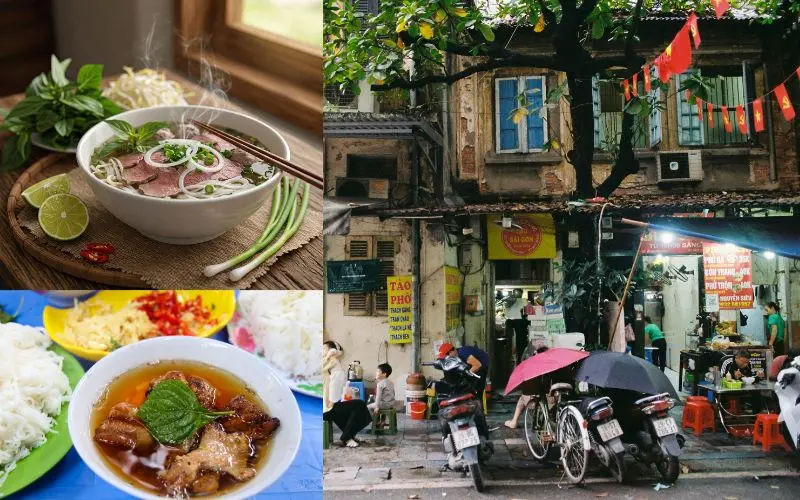
Food in Hanoi is one of the easiest parts of the trip to enjoy because most dishes are simple, quick, and available everywhere—from small street stalls to tiny local shops tucked inside the Old Quarter.
You’ll often eat on low plastic stools right on the sidewalk while food is cooked in front of you. It’s not formal, but that’s part of how eating works here, especially in the evenings when streets fill up with stalls.
Pho is the most common dish you’ll see in the city. It’s a light noodle soup with herbs and beef or chicken, usually eaten in the morning when stalls start serving early.
Bun Cha is a Hanoi specialty made with grilled pork served in a dipping bowl with noodles and herbs on the side. It’s usually a lunch dish and often eaten at small local restaurants rather than tourist spots.
Banh Mi is the quick option while walking around. A simple baguette filled with meat, pate, pickled vegetables, and herbs—easy to grab between stops.
Egg coffee is something you’ll only really notice in Hanoi. It’s thick, sweet, and closer to a dessert drink than regular coffee, usually served in small cups and meant to be sipped slowly.
In the evening, street food becomes more visible across the Old Quarter. You don’t really plan meals here—you stop where there’s smoke from grills, small crowds, or food being prepared fresh on the spot.
Where to Stay in Hanoi
Where you stay in Hanoi changes how you experience the city. Some areas put you right in the middle of the action, while others feel more open and relaxed. Most travelers choose between the Old Quarter, Hoan Kiem Lake, or West Lake depending on the kind of trip they want.
Old Quarter (Best for First-Time Visitors)
The Old Quarter is the most popular place to stay in Hanoi, especially if it’s your first visit. Everything is within walking distance street food, cafés, night markets and many of the city’s main attractions.
Once you’re outside, you’re right in the flow of daily activity. Streets are busy from morning until late at night, and there’s always something happening just around the corner. It’s not the quietest area, but it’s the most convenient if you want to explore without relying on transport.
Best for: First-time visitors, short stays, food-focused trips
Hoan Kiem Lake Area (Balanced Stay)
Staying near Hoan Kiem Lake gives you a slightly calmer version of central Hanoi while still keeping you close to everything. You’re just a short walk from the Old Quarter, but the streets around the lake feel more open and easier to navigate.
Mornings here are especially nice. Locals gather for walks, exercise, and quiet routines before the city fully wakes up. In the evening, the area becomes more active again, especially around cafés and walking streets.
Best for: Balanced travel, couples, slower-paced city exploration
West Lake (Relaxed & Local Vibe)
West Lake is the best area if you want space and a slower rhythm. It’s the largest lake in Hanoi and feels less crowded compared to the Old Quarter.
The area is filled with cafés, lakeside roads, and longer walking routes. It takes more time to reach major attractions, but the trade-off is a more relaxed environment where you can slow down between sightseeing days.
Sunset is one of the best times here, especially along the lakeside cafés and walking paths.
Best for: Longer stays, relaxed trips, digital nomads, slower travel style
How Long Should You Stay in Hanoi?
How long you stay in Hanoi depends on how much you want to see beyond the main streets. The city itself is compact, but the experience changes depending on how slowly you explore it.
Two days is enough to cover the main highlights of Hanoi. You can walk around Hoan Kiem Lake, explore the Old Quarter, visit a couple of key landmarks, and still get a feel for the food and street life.
Three days works better if you want to slow down a bit. It gives you time to mix sightseeing with cafés, try more street food, and visit places like museums or the Temple of Literature without rushing.
If you stay four days or more, you can add day trips outside the city like Ninh Binh or Ha Long Bay and still have time to explore Hanoi at a relaxed pace in between.
Most travelers end up feeling that 2–3 days covers the core experience, and anything extra is for deeper exploration rather than essential sightseeing.
Best Time to Visit Hanoi
The best time to visit Hanoi is during the cooler, drier months when walking around the city is more comfortable and outdoor areas are easier to explore.
From October to April, the weather is generally more pleasant, with lower humidity and clearer days. This is the most comfortable period for spending long hours in the Old Quarter, visiting temples, and doing day trips outside the city.
Summer months from May to September are hotter and more humid, with frequent rain showers. The city is still active during this time, but moving around during the middle of the day can feel tiring, especially if you’re doing a lot of walking.
If you’re planning a trip focused on food, walking, and sightseeing, the cooler months make everything easier. If you don’t mind heat and occasional rain, summer still works, especially for fewer crowds.
Hanoi Travel Tips
Crossing streets in Hanoi is something you learn quickly. Don’t wait for traffic to stop completely, just walk slowly and steadily so motorbikes can move around you. Sudden stops make it harder for drivers to react.
For street food, look for places where locals are eating. Small plastic stools, quick turnover, and busy cooking stations are usually better signs than a polished-looking shop.
Carry small cash notes with you. Many street stalls, taxis, and local cafés prefer cash, and it saves time for quick purchases like drinks or snacks.
Start your day early if possible. Mornings are the easiest time to walk around Hoan Kiem Lake and visit temples without crowds or heat. Save indoor attractions or cafés for the hotter middle of the day.
If you’re staying in the Old Quarter, try walking instead of relying on transport for short distances. Many streets are close together, but traffic can make short rides slower than just walking.
FAQs
What are the best things to do in Hanoi?
The best things to do in Hanoi include exploring the Old Quarter, walking around Hoan Kiem Lake, trying street food, visiting the Temple of Literature, and seeing cultural sites like museums and the Ho Chi Minh Mausoleum.
What to see and do in Hanoi for first-time visitors?
First-time visitors usually focus on the Old Quarter, Hoan Kiem Lake, major temples, local markets, and evening street food areas. These spots give a clear introduction to the city’s daily life and history.
What are the top attractions in Hanoi?
Top attractions in Hanoi include Hoan Kiem Lake, Hanoi Old Quarter, Temple of Literature, Ho Chi Minh Mausoleum, Vietnam Museum of Ethnology, and the Water Puppet Show.
How many days do you need in Hanoi?
Two to three days is enough to see the main highlights of Hanoi, explore the Old Quarter, try local food, and visit a few cultural landmarks.
What is Hanoi best known for?
Hanoi is best known for its street food culture, Old Quarter streets, historical landmarks, egg coffee, and traditional Vietnamese heritage.
Is Hanoi safe for tourists?
Yes, Hanoi is generally safe for tourists. The main things to be careful with are traffic when crossing streets and personal belongings in crowded areas.
What is the best time to visit Hanoi?
The best time to visit Hanoi is from October to April when the weather is cooler and more comfortable for walking and sightseeing.
Where should you go in Hanoi?
Most visitors go to the Old Quarter, Hoan Kiem Lake, West Lake, cultural museums, and nearby day trip destinations like Ninh Binh or Ha Long Bay.
What is Hanoi famous for?
Hanoi is famous for its Old Quarter, street food culture, French colonial architecture, historical sites, and traditional coffee culture.
What can you do in Hanoi at night?
At night, you can walk around Hoan Kiem Lake, explore the Old Quarter, try street food, visit Ta Hien Beer Street, or relax at a rooftop bar.
Is Hanoi in north or south Vietnam?
Hanoi is located in northern Vietnam and serves as the capital city of the country.