Want a Safe Trip to Asia? These Are the 10 Safest Countries in Asia (2026)
Published: 5 Mar 2026
Planning a trip to Asia but concerned about safety? Some destinations are far safer, cleaner and easier to explore than others, especially for solo and first-time travelers.
In this guide, we ranked the 10 safest countries in Asia for 2026 based on crime rates, travel safety, infrastructure quality and overall traveler experience.
The safest countries in Asia in 2026 are Japan, Singapore, South Korea, Taiwan and Hong Kong. These destinations are known for low crime rates, reliable public transport and traveler-friendly environments, making them ideal for solo, female and family travelers.
Safety Comparison Table – Top 10 Safest Countries in Asia (2026)
Here’s a quick comparison of the safest countries in Asia, including crime levels, solo and female traveler safety and night safety:
| Rank | Country | Major City / Capital | Crime Level | Solo-Friendly | Female-Friendly | Night Safety |
|---|---|---|---|---|---|---|
| 1 | Japan | Tokyo / Osaka | Extremely Low | ✅ Yes | ✅ Yes | ✅ High |
| 2 | Singapore | Singapore | Extremely Low | ✅ Yes | ✅ Yes | ✅ High |
| 3 | South Korea | Seoul | Low | ✅ Yes | ✅ Yes | ✅ High |
| 4 | Taiwan | Taipei | Low | ✅ Yes | ✅ Yes | ✅ High |
| 5 | Hong Kong | Hong Kong | Low | ✅ Yes | ✅ Yes | ✅ High |
| 6 | Malaysia | Kuala Lumpur / Penang | Low | ✅ Yes | ✅ Yes | ✅ Medium |
| 7 | Thailand | Bangkok / Phuket | Low | ✅ Yes | ✅ Yes | ✅ Medium |
| 8 | Vietnam | Hanoi / Ho Chi Minh City | Low | ✅ Yes | ✅ Yes | ✅ Medium |
| 9 | Brunei | Bandar Seri Begawan | Extremely Low | ✅ Yes | ✅ Yes | ✅ High |
| 10 | Bhutan | Thimphu | Extremely Low | ✅ Yes | ✅ Yes | ✅ High |
Japan and Singapore consistently rank as the safest countries across all measures, while Southeast Asian countries like Thailand, Malaysia and Vietnam remain safe in popular tourist areas.
How We Ranked the Safest Countries in Asia
These rankings are based on a combination of internationally recognized safety indicators and real-world travel conditions to assess how safe each destination feels for visitors in 2026.
The countries were evaluated using the following key safety factors:
- Violent and petty crime rates
- Tourist safety and scam risk levels
- Solo and female traveler safety
- Political stability and governance quality
- Public transport safety and reliability
- Cleanliness and public order
- Global Peace Index and international safety data
This approach combines official safety indexes such as the Global Peace Index and Numbeo safety statistics with observed travel conditions in major tourist areas. The goal is to present a practical, travel-focused safety ranking that reflects both statistical data and real-world visitor experience.
Top Safest Countries in Asia (2026 Rankings)
Here are the 10 safest countries in Asia in 2026.
These rankings are based on international safety indicators such as the Global Peace Index, national crime statistics, infrastructure quality and overall traveler experience. While small differences exist between countries, all listed below consistently rank among the safest in Asia.
1. Japan
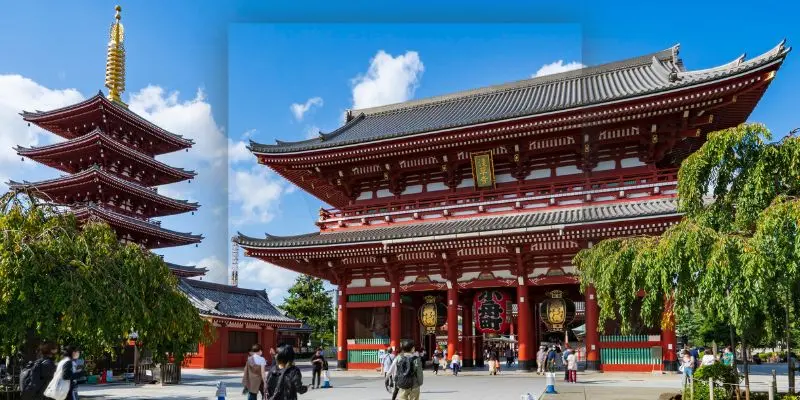
Japan ranks as the safest country in Asia in 2026 due to its consistently extremely low violent crime rate, high public order and strong respect-based social system. It is one of the few large countries where both residents and tourists experience a consistently high level of safety across cities, including Tokyo, Osaka and Kyoto.
Compared to other top-ranking Asian destinations, Japan stands out for its combination of low street crime and predictable public behavior. Petty crime exists but remains rare in major tourist zones, and incidents involving travelers are uncommon.
Japan’s transport system is also a major safety advantage. The country’s rail and metro networks are among the most reliable globally, with high punctuality and strong surveillance, reducing risks associated with late-night or solo travel.
From a ranking perspective, Japan leads Asia primarily because it performs consistently across all safety categories rather than excelling in just one area. It scores highly in violent crime control, infrastructure reliability, and public trust, placing it above other safe destinations like Singapore and South Korea.
Safety Overview:
Extremely low violent crime • Highly reliable transport system • Strong public order • Safe for solo and night travel
Planning a trip to Japan?
Read : Things to Know Before Visiting Japan to get insider tips
2. Singapore
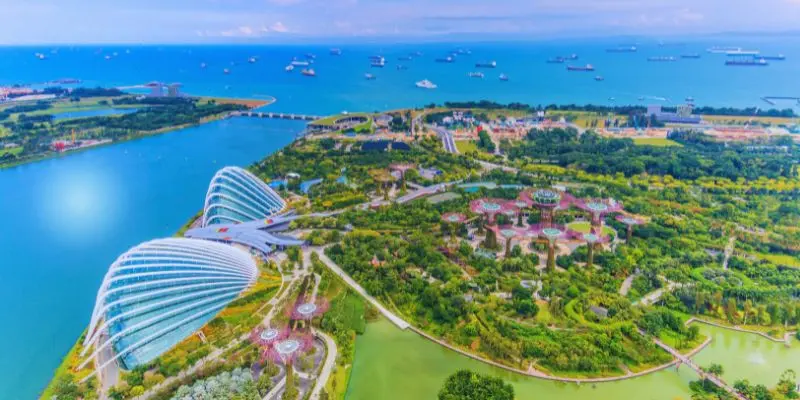
Singapore ranks as one of the safest countries in Asia and globally due to its strict legal system, highly regulated public spaces and extremely low crime rates. It is especially strong in urban safety, making it one of the most secure city-state destinations for travelers in 2026.
Compared to Japan, Singapore has even stricter enforcement of laws, which significantly reduces petty crime such as theft, scams and public disturbances. Tourist areas like Marina Bay, Orchard Road, and Sentosa are heavily monitored, well-lit, and designed for controlled public movement.
However, unlike Japan, Singapore’s safety advantage is more enforcement-driven rather than cultural. While Japan relies heavily on social order and behavior norms, Singapore relies on strict penalties and active surveillance systems.
In ranking terms, Singapore closely competes with Japan but ranks slightly lower overall because of its smaller geographic diversity and more controlled urban-only environment. Japan offers broader nationwide safety consistency, while Singapore excels as one of the safest cities in the world.
Safety Overview:
Extremely low crime rate • Strict law enforcement • Highly monitored urban environment • One of the safest city-states globally
Read Also:
- Best Tourist Attractions in Singapore You Must Visit
- Singapore 3 Day Itinerary: Top Things to Do & Places to Visit
- Sentosa Island Singapore Attractions: Ultimate Guide
- Cost of Singapore Trip: How Much You’ll Really Spend
3. South Korea
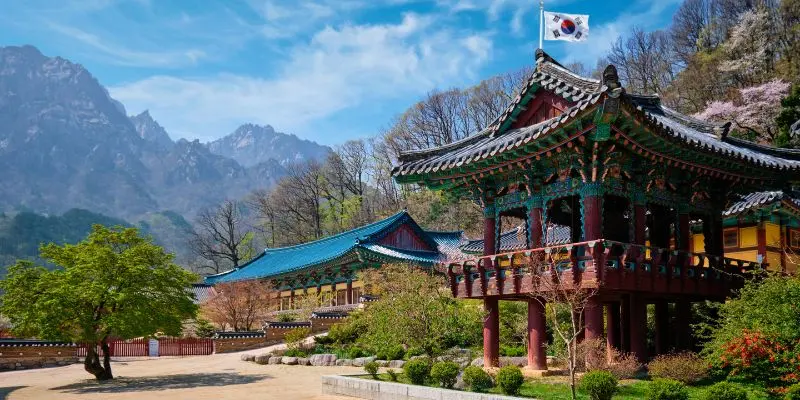
South Korea ranks among the safest countries in Asia, especially in terms of urban safety, infrastructure quality and low violent crime rates. Major cities like Seoul and Busan are highly organized, with strong public surveillance, efficient emergency response systems and reliable public transport that operates safely even late at night.
Compared to Japan, South Korea has a slightly more fast-paced urban environment, but it still maintains very low levels of serious crime. Tourist areas, nightlife districts, and transport hubs are generally safe, and incidents involving visitors are uncommon.
From a ranking perspective, South Korea performs strongly in city safety and infrastructure reliability. However, it ranks slightly below Japan due to Japan’s broader nationwide safety consistency and even lower overall crime rates across both urban and rural regions.
Safety Overview:
Low violent crime • Safe nightlife areas • Highly reliable public transport • Strong urban infrastructure
4. Taiwan
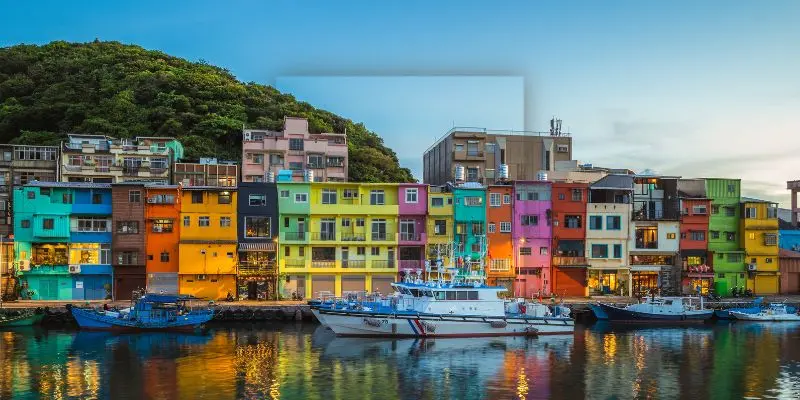
Taiwan is one of the safest countries in Asia, known for its extremely low crime rates, welcoming culture, and relaxed urban environment. Cities such as Taipei are clean, well-organized, and easy to navigate, making Taiwan especially comfortable for solo and first-time travelers.
Compared to South Korea, Taiwan has a more laid-back atmosphere and lower intensity in urban environments. While both countries are very safe, Taiwan stands out for its strong sense of public order, low petty crime levels, and friendly local interactions, especially in night markets and public spaces.
In ranking terms, Taiwan is slightly below South Korea due to less developed large-scale urban infrastructure and nightlife systems, but it remains one of the most consistently safe and stable travel destinations in Asia.
Safety Overview:
Extremely low crime • Relaxed urban environment • Very solo-travel friendly • Safe public spaces
5. Hong Kong
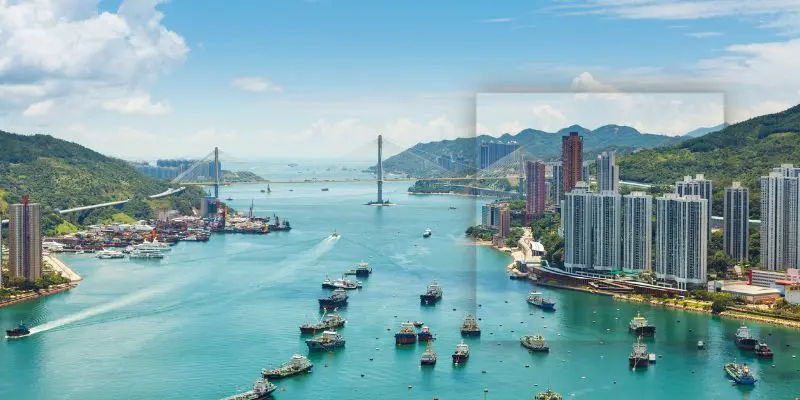
Hong Kong ranks among the safer major cities in Asia in 2026, particularly in terms of low violent crime, efficient public transport, and strong urban organization. As a major global financial hub, it maintains a highly structured environment in key districts such as Central, Tsim Sha Tsui, and Hong Kong Island, where tourist safety is generally high.
Compared to Malaysia, Hong Kong ranks higher due to stronger urban infrastructure, more consistent safety conditions in central areas, and a more reliable public transport system. While both destinations are generally safe for tourists, Hong Kong offers a more uniform safety experience within its main commercial and tourist zones.
However, Hong Kong still ranks below top-tier countries like Japan and Singapore because of its dense urban environment and slightly higher exposure to petty crime in crowded transit areas. Outside main districts, safety can vary more compared to highly regulated city-states.
Safety Overview:
Low violent crime • Highly safe central districts • Excellent transport system • Minor petty theft risk in crowded areas • Strong urban safety consistency
6. Malaysia
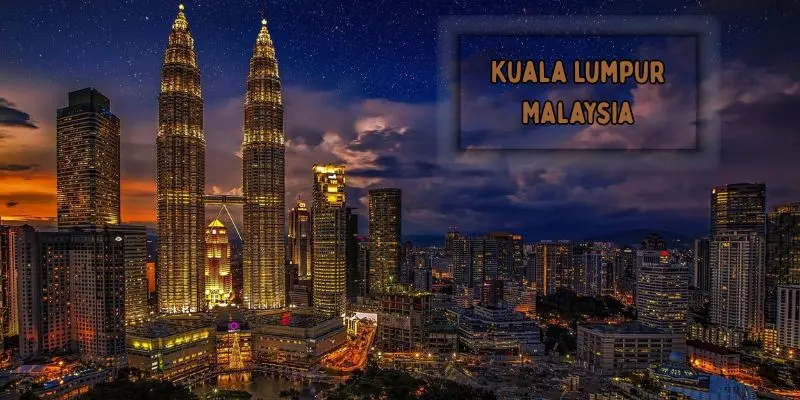
Malaysia is a generally safe travel destination in Southeast Asia in 2026, known for its tourism-friendly cities such as Kuala Lumpur, Penang, and Langkawi. It offers a comfortable travel environment with modern infrastructure and well-developed tourism services, making it a popular choice for both short and long-term visitors.
Compared to Hong Kong, Malaysia ranks slightly lower due to more variation in safety levels between tourist zones and less-developed areas. While major destinations are well-policed and safe for travelers, petty crime such as pickpocketing and scams can be more noticeable in crowded urban locations.
Malaysia still remains significantly safe compared to many global destinations and performs well for budget travel and regional tourism. However, its safety consistency is not as strong as higher-ranked East Asian destinations or major global city hubs like Hong Kong.
Safety Overview:
Low violent crime • Safe tourist regions • Moderate petty theft risk in cities • Good infrastructure • Safety varies by location
7. Thailand

Thailand is generally a safe country for travelers in Southeast Asia, especially in major tourist destinations such as Bangkok, Phuket, Chiang Mai, and Krabi. Most visits are trouble-free, and violent crime against tourists remains uncommon.
However, compared to higher-ranked countries like Japan or Singapore, Thailand has a higher level of petty crime in busy tourist areas. Incidents such as pickpocketing, scams, and overcharging can occur, particularly in crowded nightlife zones and transport hubs. These risks are not widespread, but they are more noticeable compared to East Asian destinations.
From a ranking perspective, Thailand is placed in the mid-tier of safe countries in Asia. It performs well in tourist safety and hospitality, but ranks lower due to inconsistent street-level security and higher exposure to minor scams in major cities.
Safety Overview:
Low violent crime • Petty theft possible in tourist areas • Safe in major destinations • Requires basic travel awareness
Read Also:
8. Vietnam

Vietnam is another safe destination for travelers in Southeast Asia, particularly in major cities such as Hanoi, Ho Chi Minh City, and Da Nang. Violent crime is rare, and most tourists experience a safe and welcoming environment throughout their visit.
Compared to Thailand, Vietnam has a similar overall safety level but a slightly higher need for caution in traffic-heavy urban areas. The biggest risk for travelers is not crime, but road safety, especially due to dense traffic and fast-moving scooters in major cities.
In ranking terms, Vietnam sits in the mid-safe category in Asia. It performs strongly in violent crime safety and traveler friendliness, but ranks lower than East Asian destinations due to infrastructure challenges and higher urban traffic risk.
Safety Overview:
Low violent crime • Safe for tourists • High traffic caution needed • Strong local hospitality
Read Also:
- 20 Best Things to Do in Vietnam
- Best Things to Do in Hanoi
- Most Beautiful Places in the World to Visit Once in a Lifetime
- Top 10 Most Beautiful Asian Countries You Should Visit Once
- Best Beaches in Asia for Your Next Tropical Adventure
9. Brunei
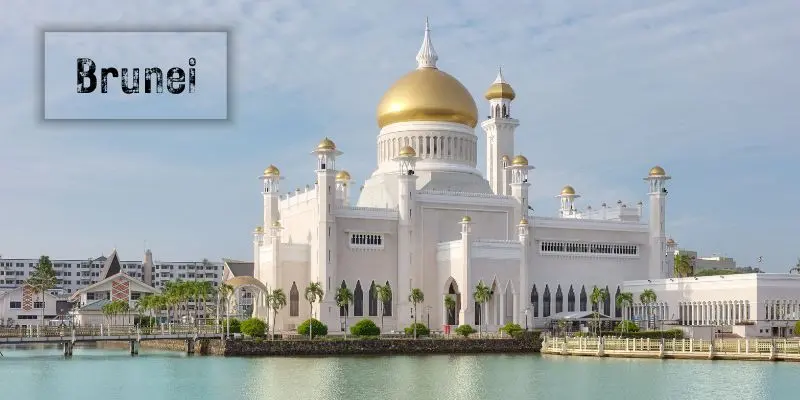
Brunei is one of the safest countries in Asia in 2026, known for its extremely low crime rate, strict laws, and quiet, well-organized environment. The capital city, Bandar Seri Begawan, is calm and orderly, with very low levels of street crime and minimal public disturbance.
Compared to other Southeast Asian countries like Thailand and Vietnam, Brunei offers a significantly more controlled and peaceful environment. Crime levels are among the lowest in the region, and both locals and tourists experience a strong sense of public safety at all times.
In ranking terms, Brunei performs extremely well in terms of crime prevention and public order. However, it ranks slightly lower overall due to limited tourism infrastructure and fewer large-scale travel attractions compared to top destinations like Japan or Singapore.
Safety Overview:
Extremely low crime • Very calm public environment • Strong law enforcement • Limited tourist infrastructure
10. Bhutan

Bhutan is widely regarded as one of the safest countries in Asia in 2026, offering a peaceful, low-crime environment supported by strong cultural values and a focus on social harmony. Cities such as Thimphu and Paro are calm, clean, and highly secure for both solo and family travelers.
Compared to more urbanized destinations like South Korea or Singapore, Bhutan offers a very different type of safety experience. Instead of heavy surveillance or strict enforcement, safety in Bhutan is driven by strong community values, respect for others, and a low population density.
In ranking terms, Bhutan is among the safest countries in Asia for personal safety and peaceful travel experiences. However, it ranks slightly lower in infrastructure and accessibility compared to highly developed countries like Japan and Singapore.
Safety Overview:
Extremely low crime • Peaceful and culturally stable • Very safe for solo travel • Limited infrastructure and accessibility
Conclusion
Asia is generally very safe for travelers, but safety levels vary by country. Japan and Singapore consistently rank as the safest due to extremely low crime, strong public infrastructure and reliable transport systems.
South Korea, Taiwan and Hong Kong also offer high levels of urban safety, while Malaysia, Thailand, and Vietnam are generally safe in tourist areas but require more basic awareness due to petty crime risks.
Smaller countries like Brunei and Bhutan stand out for their peaceful environments and extremely low crime rates, even though they are less developed for tourism.
Overall, East Asia remains the safest region in Asia, with Southeast Asia offering good but more variable safety depending on the destination.
FAQs – Safest Countries in Asia
Japan, Singapore, and Taiwan are the safest countries in Asia for solo female travelers due to low crime rates, safe public transport, and clean, well-organized cities.
Absolutely. Many of the top 10 safest countries, such as Singapore, Japan, and Taiwan are family-friendly with clean public spaces and reliable infrastructure.
The Global Peace Index and national tourism boards provide up-to-date safety and crime information. You can check the GPI here: https://www.visionofhumanity.org/maps/#/
While these countries are generally safe, avoid isolated rural areas at night in countries like Thailand or Vietnam. Stick to tourist-friendly districts for peace of mind.
Absolutely. Countries like Singapore, Japan, Taiwan, and Bhutan are extremely family-friendly with clean streets, safe public transport and kid-friendly attractions.
Countries like Japan, Singapore and Bhutan are often considered as safe or even safer than many European destinations, especially in terms of low violent crime and traveler-friendliness.