Antarctica Packing List (2026): What to Pack for a Cruise
Published: 3 Jul 2026
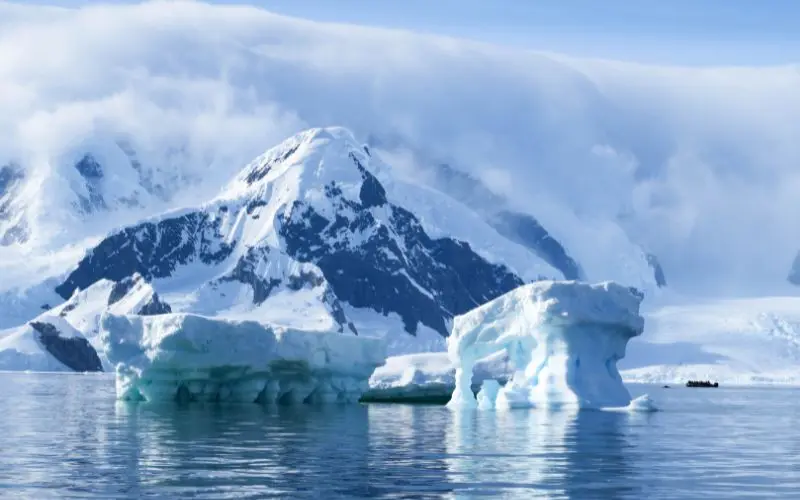
Most expedition cruises operate in extreme wind, wet landings, and rapidly changing temperatures, so the focus is on layering, waterproof protection, and function over volume.You can easily avoid packing a different outfit for every day. You’ll rotate the same core pieces throughout the trip.
This Antarctica packing list guide breaks down exactly what to bring for an Antarctica cruise, what clothing actually works in polar conditions, and what most travelers forget until it’s too late. You’ll also see what’s usually provided on expedition ships, so you don’t overpack or waste luggage space.
QUICK ANTARCTICA PACKING CHECKLIST
This is your essential core packing list for an Antarctica cruise. These are the non-negotiable items that support cold, wind, and wet-landing conditions.
- Thermal base layer (top + bottom)
- Mid-layer fleece or wool insulation
- Waterproof outer pants
- Insulated waterproof gloves or mittens
- Warm hat covering ears
- Neck gaiter or buff
- Wool socks (multiple pairs)
- Waterproof expedition boots (often provided)
- UV-protection sunglasses
- Seasickness medication
- Dry bag for camera or electronics
- Power bank (cold-resistant use)
Antarctica Cruise Packing List: What to Pack by Category
Packing for Antarctica is very different from other destinations. You’re not packing for style or variety, you’re packing for function, protection, and adaptability in extreme conditions.
Instead of thinking in outfits, it helps to think in systems: clothing layers, weather protection, health essentials, and expedition gear. This breakdown shows exactly what each category covers so you don’t miss anything important or overpack unnecessary items.
Clothing System (Layer-Based Packing Strategy)
Antarctica clothing is built around a layering system rather than fixed outfits. Conditions can shift quickly between wind, snow spray, and sun reflection, so your clothing must adapt instead of relying on a single heavy jacket.
The goal is heat regulation through adjustable layers that you can add or remove during zodiac landings and onboard transitions.
- Base layers for moisture control and warmth retention
- Mid layers (fleece or wool) for insulation during low activity periods
- Outer layers for wind resistance during deck exposure
- Waterproof shell to protect against wet landings and sea spray
Footwear System
Footwear in Antarctica is less about walking comfort and more about stability in wet, icy, and uneven terrain. Most cruise operators provide expedition boots, but what you wear underneath still matters for insulation and friction control.
Since zodiac landings often involve stepping into shallow water, keeping feet dry is a priority over insulation alone.
- Thermal wool socks for cold retention during excursions
- Waterproof expedition boots (usually provided onboard)
- Sock liners to reduce friction during long shore walks
- Optional insulated insoles for added warmth in extreme cold
Weather Protection Gear
Weather exposure in Antarctica comes from multiple sources — wind chill, UV reflection off ice, and direct spray during zodiac transfers. Protection gear is designed to block exposure rather than provide bulk warmth.
Even on relatively mild days, wind can significantly reduce perceived temperature, making face and hand protection essential.
- UV-protection sunglasses to reduce snow glare strain
- Insulated waterproof gloves or mittens for wet cold conditions
- Neck gaiter or buff for wind and spray protection
- Warm insulated hat covering ears completely
Health & Cold-Weather Essentials
The most common discomfort during Antarctica cruises is not extreme cold, but motion sickness and dry wind exposure. The Drake Passage can be rough, so preparation is important even for experienced travelers.
Cold air also dehydrates the body faster, which increases fatigue during excursions.
- Motion sickness medication for sea crossings
- Lip balm to prevent windburn and cracking
- Basic pain relief medication for physical strain
- Electrolytes or hydration tablets for dry air conditions
Electronics & Camera Gear
Cold environments reduce battery efficiency and increase condensation risk, especially during indoor-outdoor transitions. Electronics must be protected both from temperature drops and moisture exposure.
Keeping batteries warm is more effective than carrying extras alone.
- Spare camera batteries stored close to body heat
- Power bank kept inside inner jacket layers
- Waterproof dry bag for zodiac transfers
- Lens cleaning cloth for condensation buildup
- Protective camera cover for spray exposure
- Extra SD cards for extended expedition shooting days
- Hand strap or secure grip system for wind-heavy conditions
Travel Documents & Expedition Essentials
Antarctica cruises involve frequent movement between ship, zodiacs, and landing sites, so documents and essentials must be kept both secure and accessible.
Waterproof protection is important due to constant exposure to spray and snow during transfers.
- Passport and cruise boarding documents
- Waterproof document pouch for excursions
- Compact daypack for daily landing gear
- Emergency contact information (printed backup)
Read Also:
Antarctica Outfit Guide
What to Wear on an Expedition Cruise (By Activity)
Unlike most destinations, Antarctica doesn’t have a single “outfit of the day.” Your clothing changes based on activity, exposure level, and how much time you spend outdoors. A zodiac ride, for example, exposes you to wind, spray, and potential wet landings, while onboard time is mostly warm and comfortable.
The key is understanding that Antarctica clothing is activity-driven, not outfit-driven. You adjust layers depending on whether you are on a boat transfer, walking on snow, or standing on deck for wildlife viewing. This approach prevents overheating during movement and protects you from sudden wind chill during inactivity.
Zodiac Landings (Wet, Windy, High Exposure)
Zodiac landings are the most exposure-heavy part of an Antarctica cruise. You are often boarding inflatable boats close to water level, and depending on the site, you may step into shallow water during entry or exit. Wind spray is constant, and conditions can change within minutes.
This is where waterproof protection becomes more important than insulation alone, because even short exposure to wet conditions can quickly reduce body warmth.
- Thermal base layers for core warmth
- Mid-layer fleece or insulation layer
- Waterproof Pants Designed for Spray and Wet Landing Protection
- Insulated waterproof gloves or mittens
- Neck gaiter to protect face from wind chill
- Waterproof boots (usually provided by cruise operator)
- UV sunglasses for glare during open water travel
Shore Excursions (Walking, Photography, Wildlife Viewing)
Once you step onto land, movement increases significantly. You’ll walk across mixed terrain such as compacted snow, gravel, or rocky shorelines depending on the landing site. This activity level often leads to overheating if layers are not managed properly.
Unlike zodiac transfers, this stage requires more balance between insulation and breathability so you can move comfortably without sweating into your base layers.
- Layered clothing system (adjustable base + mid layers)
- Waterproof outer shell for snow or wet ground conditions
- Gloves that allow camera or phone use if needed
- Adjustable hat for temperature control during movement
- Lightweight neck protection for shifting wind exposure
Onboard the Expedition Ship (Comfort + Weather Transitions)
Inside the ship, temperatures are controlled and significantly warmer than outside conditions. However, Antarctica cruises often involve short-notice announcements for wildlife sightings or deck stops, meaning you may need to go outside within minutes.
Because of this, your clothing onboard should prioritize comfort while still allowing quick transition to outdoor gear.
- Base layers or light fleece for indoor comfort
- Comfortable trousers for cabin and lounge use
- Easy-access outer jacket for quick deck calls
- Warm socks or cabin slippers for extended indoor time
- Lightweight hat for sudden outdoor sightings
Wildlife Viewing from Deck (Wind Exposure Focus)
Deck time is usually unpredictable and can last from a few minutes to over an hour depending on wildlife activity or navigation routes. Even on relatively calm days, wind exposure is constant and can make temperatures feel significantly lower than what weather reports suggest.
This is where windproof layering becomes critical, especially for protecting your face, hands, and core temperature during prolonged stillness.
- Windproof outer jacket or expedition parka (often provided)
- Insulated gloves or mittens for sustained exposure
- Neck gaiter or buff fully covering lower face
- UV sunglasses for snow and water reflection
- Layered core clothing to maintain stable body heat
Medical & Motion Sickness Kit (Cold + Sea Essentials)
Health preparation for Antarctica is mainly about managing seasickness on the Drake Passage and staying comfortable in cold, dry air conditions. The most common issues are motion-related discomfort during sea crossings and dehydration or dryness during outdoor excursions.
A small, well-prepared medical kit helps manage the most common discomforts during both sea crossings and shore landings.
- Seasickness medication for rough ocean conditions
- Antihistamines for nausea or allergy-related discomfort
- Pain relief tablets for headaches or muscle strain
- Blister plasters for long walking excursions on uneven terrain
- Lip balm to prevent windburn and cracking
- Hydration tablets or electrolytes for dry cold air conditions
- Anti-diarrheal medication for travel-related stomach sensitivity
- Cold/flu relief tablets for mild respiratory symptoms in cold air
- Antiseptic wipes for minor cuts or abrasions during landings
FAQs – Antarctica Packing List
What is the most important thing to pack for Antarctica?
The most important items are a proper layering system and waterproof protection. Base layers, mid layers, insulated gloves, and waterproof outerwear matter more than quantity of clothing because conditions shift between wind, snow, and wet zodiac landings.
What should you NOT wear in Antarctica?
Avoid cotton clothing, especially jeans and basic t-shirts, because they hold moisture and lose insulation when wet. Non-waterproof shoes and fashion-only outfits are also unsuitable for expedition conditions where wind and water exposure are constant.
Do I need special boots for Antarctica?
You usually do not need to bring boots. Most expedition cruise operators provide waterproof insulated boots for shore landings. You should, however, bring warm wool socks and sock liners for insulation and comfort.
How many layers should you wear in Antarctica?
A three to four-layer system works best: a moisture-wicking base layer, an insulating mid layer, an optional thermal layer depending on temperature, and a waterproof outer shell for wind and water protection.
Can I wear jeans in Antarctica?
Jeans are not recommended because they absorb moisture, dry slowly, and offer poor insulation in wet and windy conditions. Technical or thermal pants are far more suitable for Antarctic excursions.
Do I need waterproof gloves for Antarctica?
Yes. Waterproof insulated gloves or mittens are essential because hands are highly exposed during zodiac rides and landings. Wet cold conditions can quickly lead to discomfort or loss of dexterity.
Is a parka provided on Antarctica cruises?
Most expedition cruise operators provide a branded insulated parka for guests. However, it is still important to bring your own base layers and mid layers, as the parka is only the outer protection layer.
How cold is Antarctica during cruise season?
During the main cruise season (November to March), temperatures in the Antarctic Peninsula typically range from about -2°C to 8°C. Wind chill and moisture often make it feel colder than the actual temperature.
How many clothes do I need for Antarctica?
You don’t need a large wardrobe. A small set of layered clothing that can be reused and rotated is enough, since most cruises offer laundry services and focus on repeat-use expedition gear.