Best Places to Visit in Antarctica (2026 Travel Guide)
Published: 3 Jul 2026
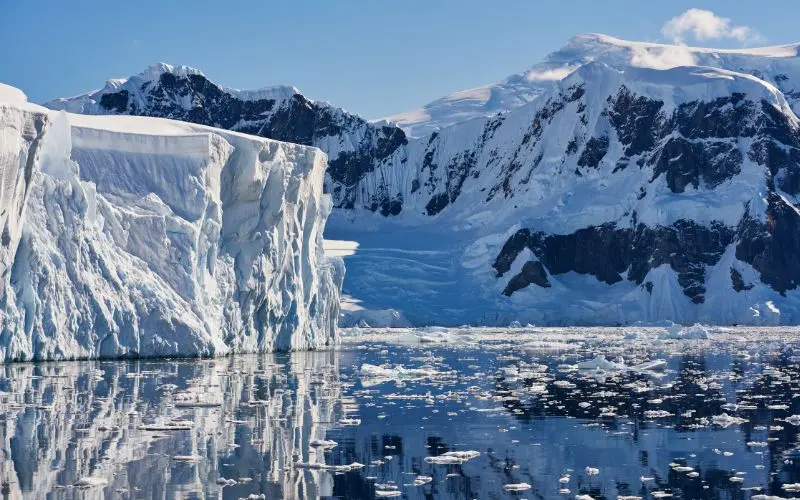
If you’re looking for a destination that feels completely different from anywhere you’ve traveled before, Antarctica is hard to match. Instead of busy cities and famous landmarks, this frozen continent offers something far more rare, untouched landscapes, massive glaciers, incredible wildlife, and remote places that few travelers ever experience.
Most visitors explore Antarctica by expedition cruise, discovering places like the Antarctic Peninsula and remote islands across the Southern Ocean. Each region has its own unique character, from towering ice formations and scenic waterways to some of the world’s most impressive wildlife encounters.
In this guide, you’ll discover the best places to visit in Antarctica, what makes each location special, and what to expect during your journey to this extraordinary part of the world.
How Do You Explore Antarctica?
Unlike most travel destinations, Antarctica doesn’t have cities, roads, or hotels to explore on your own. Almost every visitor experiences the continent on an expedition cruise, with specially designed ships traveling through the Southern Ocean to reach remote landing sites.
Most itineraries focus on the Antarctic Peninsula, the closest and most accessible part of the continent. Depending on your cruise, you may also visit nearby islands known for their spectacular scenery, historic sites, and abundant wildlife.
Once you arrive, daily excursions by Zodiac boats allow you to step ashore, hike across snowy landscapes, observe penguin colonies, and cruise past towering glaciers and floating icebergs. Every expedition is different, with routes shaped by weather, sea ice, and wildlife conditions, making each journey a unique adventure.
Read Also:
- Antarctica Packing List: What to Pack for a Cruise
- Best Time to Visit Antarctica: Weather, Wildlife & Cruise Season
- Most Beautiful Places in the World to Visit Once in a Lifetime
- Largest Desert in the World Ranked by Size
Best Places to Visit in Antarctica
Although Antarctica is covered in ice, every region offers something different. Some places are famous for towering glaciers and dramatic mountain scenery, while others are known for penguin colonies, historic expedition sites, or excellent wildlife viewing.
Most expedition cruises visit a selection of these destinations rather than the entire continent. The exact itinerary depends on the route, weather conditions, and sea ice, but each stop offers a unique glimpse into one of the world’s last great wildernesses.
Here are some of the best places to visit in Antarctica that deserve a spot on your itinerary.
Antarctic Peninsula
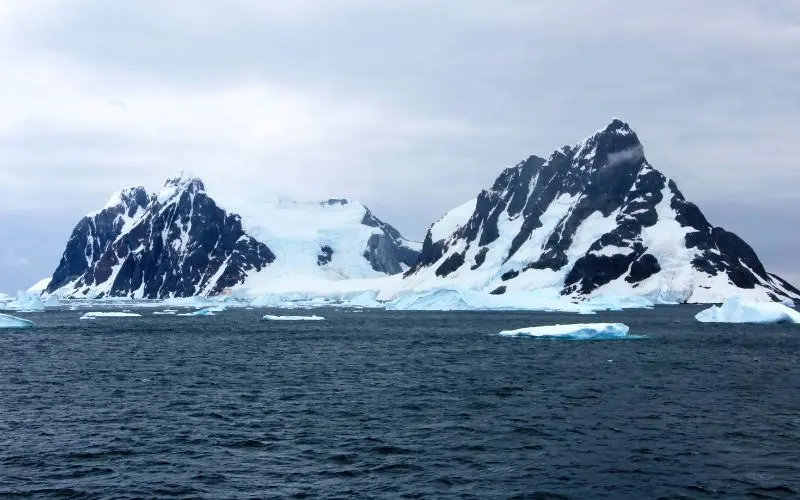
Few places capture the spirit of Antarctica quite like the Antarctic Peninsula. With towering ice formations, rugged mountains, and thriving wildlife, it offers an unforgettable introduction to the frozen continent. Stretching toward the southern tip of South America, it offers some of Antarctica’s most spectacular scenery while being one of the easiest regions to access.
Towering glaciers, snow-covered mountains, and floating icebergs create breathtaking landscapes at every turn. It’s also one of the best places to see Antarctica’s famous wildlife, including gentoo, chinstrap, and Adélie penguins, along with seals, seabirds, and seasonal whale sightings.
Many cruises make multiple landings along the peninsula, giving travelers the chance to hike ashore, cruise through icy bays in Zodiac boats, and experience the continent up close. For first-time visitors, the Antarctic Peninsula delivers the perfect mix of stunning scenery, unforgettable wildlife, and classic Antarctic experiences.
South Shetland Islands
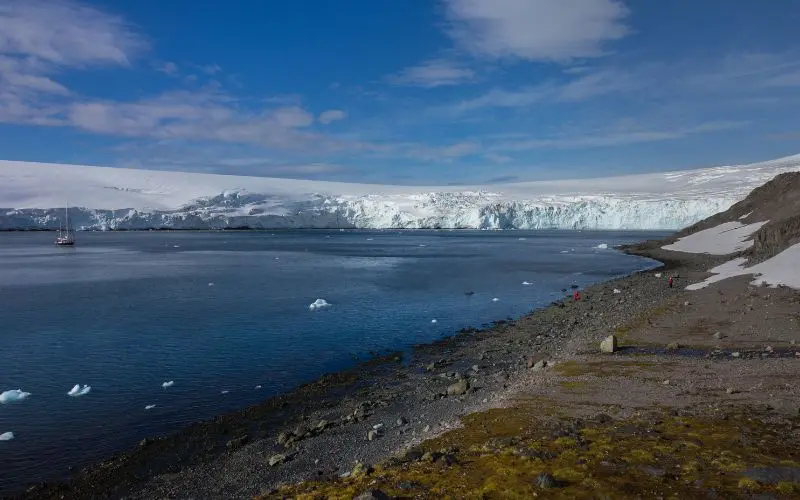
Before reaching the Antarctic mainland, many expeditions pass through the South Shetland Islands, an archipelago scattered just north of the Antarctic Peninsula. These islands provide a fascinating introduction to the region, where volcanic landscapes, snow-covered shores, and busy wildlife colonies exist side by side.
Landing sites vary by itinerary, but visitors often encounter gentoo and chinstrap penguins, seals resting along the shoreline, and seabirds soaring overhead. Some islands also preserve reminders of Antarctica’s early exploration, with abandoned whaling stations and research facilities offering a glimpse into the continent’s past.
Because the South Shetland Islands combine diverse landscapes with abundant wildlife, they often become one of the most memorable stops on an Antarctic expedition.
Deception Island
Deception Island is one of Antarctica’s most unusual destinations. Formed inside the flooded caldera of an active volcano, it is one of the few places where ships can sail directly into the center of the island through a narrow opening known as Neptune’s Bellows.
The island’s black volcanic beaches stand in striking contrast to the surrounding snow and ice, creating a landscape unlike anywhere else in Antarctica. Visitors may also come across the remains of old whaling stations and abandoned research buildings, offering a glimpse into the island’s fascinating past.
Depending on weather and landing conditions, some expeditions allow travelers to walk along the volcanic shoreline, observe seabirds and seals, or even take the famous polar plunge in the chilly Antarctic waters. It’s a destination that combines dramatic scenery, history, and geology in a single stop.
Lemaire Channel
The Lemaire Channel is a narrow waterway along the Antarctic Peninsula where steep mountain walls rise directly from the sea. Ships pass through this tight passage between towering cliffs and drifting ice, creating one of the most striking navigation routes in Antarctica.
The channel is shaped by deep glacial erosion, which has left a corridor of jagged peaks, hanging glaciers, and calm reflective waters. Because of its sheltered conditions, icebergs often gather here, moving slowly with the currents and changing the scenery from hour to hour.
Expedition cruises time their passage through the Lemaire Channel carefully, as visibility and ice conditions determine whether it can be safely crossed. When conditions allow, travelers can watch the landscape unfold from the deck or experience it up close during Zodiac excursions.
Paradise Bay
Paradise Bay is a sheltered inlet along the Antarctic Peninsula where glaciers flow directly into calm, icy waters. It is one of the areas where expedition ships often pause, allowing travelers to observe the landscape from both the deck and small Zodiac boats.
The bay is surrounded by steep, snow-covered slopes and broken icebergs that drift slowly across the surface. Large glaciers occasionally calve into the water, creating sudden shifts in the scenery that feel both powerful and unpredictable.
Wildlife is often present in and around the bay. Seals rest on floating ice, while seabirds circle overhead and whales sometimes appear in the deeper waters just offshore. Conditions vary daily, so every visit to Paradise Bay looks slightly different, shaped by weather, light, and ice movement.
South Georgia Island
South Georgia Island lies in the remote Southern Ocean and is often included in longer Antarctic expedition routes. Although it is not part of the Antarctic mainland, it is closely connected to polar exploration history and some of the largest wildlife gatherings in the region.
The island’s coastline is lined with glaciers, rugged mountains, and long stretches of pebbled beaches that become crowded with wildlife during the breeding season. Massive king penguin colonies dominate certain areas, with thousands of birds gathered in tightly packed groups along the shore.
South Georgia also carries strong historical significance. It played a central role in early Antarctic exploration journeys, including the survival route of Ernest Shackleton’s expedition. Today, visitors can still see remnants of whaling stations and research outposts scattered across the island’s coastline.
Elephant Island
Elephant Island sits on the edge of the Antarctic region, exposed to strong winds and rough Southern Ocean conditions. It is best known as a remote, rugged landmass that played a critical role in early Antarctic exploration history.
The island is dominated by steep cliffs, glaciers, and constantly shifting sea conditions that make landings rare and highly weather-dependent. Most expedition cruises only pass by, allowing travelers to view its dramatic coastline from a distance.
Elephant Island is closely linked to Ernest Shackleton’s expedition, where his crew took shelter after their ship was lost in the ice. This historical connection adds depth to the landscape, turning an isolated stretch of rock and ice into one of the most symbolic locations in Antarctic exploration history.
Best Things to Do in Antarctica
Antarctica travel is built around movement rather than fixed attractions. There are no cities or marked sightseeing routes, so most experiences come from ship-based exploration and short landings in remote coastal areas.
Expedition ships use Zodiac boats to reach shorelines and ice-filled bays. These smaller vessels allow travelers to step onto snow-covered ground, navigate between ice formations, and access areas where larger ships cannot operate.
Wildlife observation is a core part of most journeys. Penguin colonies can be seen on rocky coastlines, seals rest on ice floes or beaches, and whales often appear while ships travel between landing sites. Encounters are unpredictable and depend heavily on location and season.
Photography also becomes a constant activity rather than a planned stop. Light conditions shift quickly across the Antarctic landscape, with reflections from ice and water changing the appearance of the environment throughout the day. Even familiar locations can look completely different within hours.
How to Plan Your Antarctica Trip
Planning a trip to Antarctica is different from planning most other destinations because access is limited and almost all travel happens through organized expedition cruises.
The first step is choosing the right time of year. Most voyages operate between November and March, with each part of the season offering a different experience in terms of ice conditions, wildlife activity, and sea access. Your choice of month will directly influence what you see and how far ships are able to travel.
Next comes selecting a cruise route. Most itineraries focus on the Antarctic Peninsula, while longer expeditions may include remote locations such as South Georgia Island. Trip length can range from around 10 days to several weeks depending on how deep the route goes into the Southern Ocean.
Travelers also need to plan for the journey to the departure point, which is typically Ushuaia in Argentina or Punta Arenas in Chile. From there, expedition ships begin their crossing toward Antarctica, often passing through the Drake Passage.
Finally, preparation matters. Conditions can change quickly, so flexibility is essential. Expedition teams adjust routes based on weather, ice movement, and wildlife activity to ensure both safety and the best possible experience.
Antarctica Travel Cost: What to Expect
A trip to Antarctica is one of the most expensive travel experiences because it requires expedition ships, specialized equipment, and remote logistics to reach the continent.
Prices usually vary depending on the length of the cruise, route, and cabin type. A short Antarctic Peninsula cruise typically starts at around $5,000–$8,000 per person, while longer journeys that include destinations like South Georgia Island can range from $10,000–$20,000+ per person.
Luxury cabins, premium cruise operators, and peak-season departures (especially January and February) can increase the total cost even further.
Most Antarctica cruises are all-inclusive once the journey begins, covering accommodation, meals, guided excursions, and Zodiac landings. However, flights to departure points like Ushuaia (Argentina) or Punta Arenas (Chile) are usually not included.
Tips for Visiting Antarctica
Traveling to Antarctica requires a different level of preparation compared to most destinations, mainly because conditions can shift quickly and plans are always flexible.
Layered clothing is essential throughout the journey. Even during the summer season, temperatures can feel cold on deck due to wind chill, especially during Zodiac rides and shore landings. Waterproof outer layers combined with thermal insulation work best for changing conditions between ship and land.
Footwear also matters. Most expedition cruises provide guidance on waterproof boots for landings, since terrain can include snow, ice, and wet coastal areas. Staying dry is key to staying comfortable during excursions.
In Antarctica, itineraries adjust constantly based on weather, ice movement, and wildlife activity. Expedition routes are adjusted based on weather, sea ice movement, and wildlife activity. This means no two itineraries are exactly the same, and changes are a normal part of the experience.
Connectivity is limited across most of Antarctica. Internet access may be slow or unavailable for long periods, so travelers should be prepared for offline time during the voyage.
Is Antarctica Safe to Visit?
Antarctica is considered safe for tourists when visited through an organized expedition cruise. All travel is controlled under international regulations that prioritize safety and environmental protection.
Expedition ships are built for polar conditions and are operated by experienced crews who continuously monitor weather, sea ice, and landing conditions. Shore visits and Zodiac excursions are guided, with strict safety protocols in place.
Independent travel is not permitted, which reduces risk significantly and ensures all visitors follow established safety procedures.