Best Time to Visit Antarctica: Weather, Wildlife & Cruise Season
Published: 1 Jul 2026
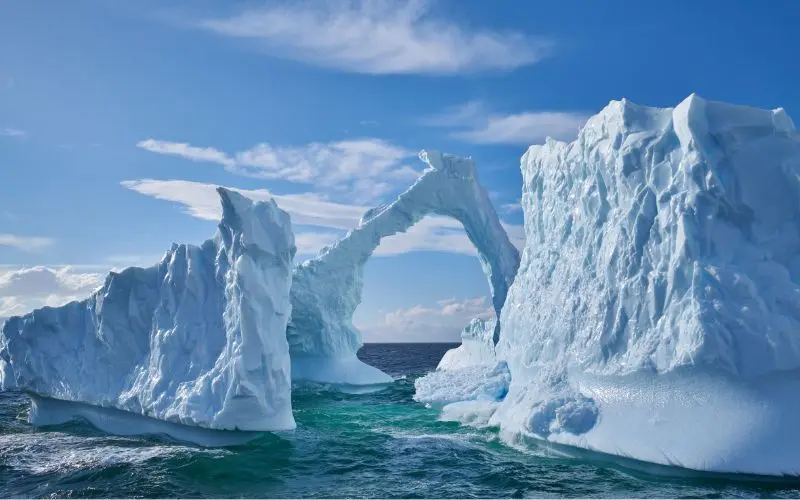
Antarctica is one of the most unforgettable places you can visit. The frozen landscapes, towering glaciers, and incredible wildlife make it a dream destination for many travelers and a true highlight among the best places to visit in the world.
The best time to visit Antarctica is during the summer months, from November to March. This is when expedition cruises operate, days are much longer, and the continent becomes easier to explore.
Each month brings a different experience. Early season trips offer breathtaking ice scenery, while later months are known for active wildlife encounters, including penguins, seals and whales.
In this guide, you’ll learn when to visit Antarctica, what the weather is like each month, the best time for wildlife and how to choose the right season for your adventure.
Best Time to Visit Antarctica
The best time to visit Antarctica is during the summer season between November and March. This is when expedition cruises can reach the continent, daylight lasts much longer, and wildlife activity is at its peak.
Unlike many destinations, Antarctica does not have a typical year-round travel season. The continent experiences extreme winter conditions, with freezing temperatures, heavy sea ice, and months of darkness that make regular tourism almost impossible.
During the summer months, conditions become more suitable for exploration. Travelers can enjoy:
- Longer daylight hours
- Easier access by expedition ships
- Active penguin colonies
- Better chances of spotting whales and seals
The best time to visit depends on what you want to see and do. Some travelers prefer early-season trips for untouched ice landscapes, while others choose mid or late summer for wildlife encounters and easier exploration.
Read Also:
When Is Antarctica Open for Visitors?
Antarctica is not open to travelers all year. The short visitor season runs during the Southern Hemisphere’s summer, usually from November to March, when conditions become more manageable and expedition ships can reach the continent.
During these months, the sea ice starts to retreat, daylight lasts much longer, and coastal areas become accessible for exploration. It is also the time when Antarctica’s wildlife is most active, with penguins nesting, seals gathering, and whales returning to feed in the surrounding waters.
The rest of the year brings a completely different Antarctica. From April to October, the continent enters a long winter period with extreme cold, limited daylight, and heavy sea ice. Regular tourist cruises stop operating, leaving the region mainly to research teams.
For most travelers, the Antarctic summer offers the best combination of accessibility, wildlife, and unforgettable scenery.
Antarctica Weather by Month
Antarctica’s weather changes quickly throughout the travel season, and each month offers a slightly different experience. While summer is the only practical time to visit, conditions can vary depending on the amount of daylight, sea ice, and wildlife activity.
November: The Start of the Season
November is when Antarctica begins to welcome visitors again after the long winter. The landscape is still covered in fresh snow, and ice formations create some of the most dramatic scenery of the year.
It is a great month for travelers who want to see Antarctica looking untouched, with fewer ships and a quieter atmosphere.
December: Longer Days and Active Wildlife
December brings warmer conditions and extended daylight. Wildlife activity increases as penguins begin nesting and coastal areas become more lively.
This is a good time for travelers who want a balance of beautiful scenery and wildlife encounters.
January: The Peak of Antarctic Summer
January brings some of the warmest weather of the season, along with larger crowds. The long daylight hours allow more time for exploring by ship, Zodiac, and on foot.
Many visitors choose January for the chance to see young penguin chicks and active colonies.
February: A Favorite Month for Wildlife
February is often considered one of the best months for wildlife lovers. As ice levels drop, more regions become accessible and marine life becomes easier to observe.
It is an excellent time for photography and marine wildlife viewing.
March: The End of the Travel Season
March marks the transition toward colder conditions. The days become shorter, but Antarctica still offers incredible scenery and wildlife opportunities.
The softer light during this time creates beautiful views across glaciers, mountains, and ice-covered landscapes.
Best Time to Visit Antarctica for Wildlife
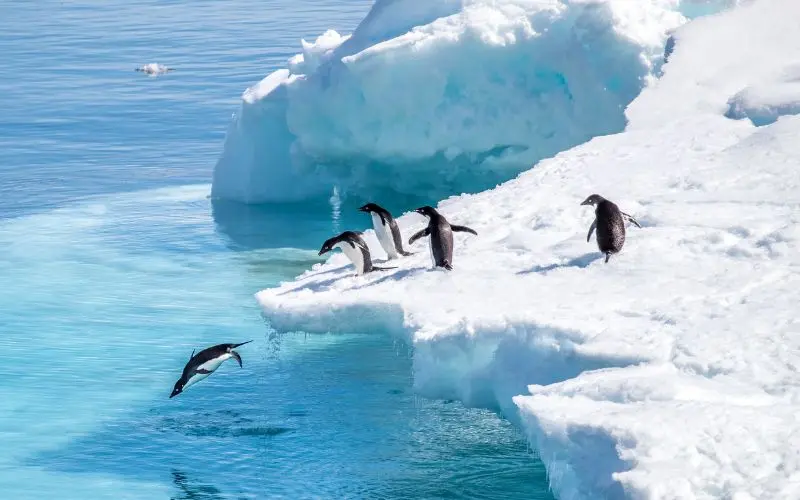
Antarctica is home to some of the world’s most fascinating wildlife, but the animals you see can depend on when you visit. The short summer season brings different stages of breeding, feeding, and migration across the continent.
Penguins
Penguins are one of the biggest highlights of an Antarctic journey. During the early part of the season, many colonies are busy nesting and preparing for new arrivals. As summer continues, chicks become more active and begin exploring around their colonies.
Different penguin species you may encounter include gentoo, chinstrap, and Adélie penguins, each with their own unique behaviors.
Whales
Whale sightings become especially exciting later in the season when these giants return to Antarctic waters to feed. The nutrient-rich Southern Ocean attracts several species, creating unforgettable moments for travelers.
You may spot humpback whales, minke whales, orcas, and other marine life while cruising between icy landscapes.
Seals and Seabirds
Antarctica’s coastline is also filled with marine wildlife. Seals can often be seen resting on ice floes or along the shore, while seabirds follow the ships and soar above the ocean.
For wildlife enthusiasts, visiting between December and February often offers some of the most active moments of the Antarctic summer.
Best Time for an Antarctica Cruise
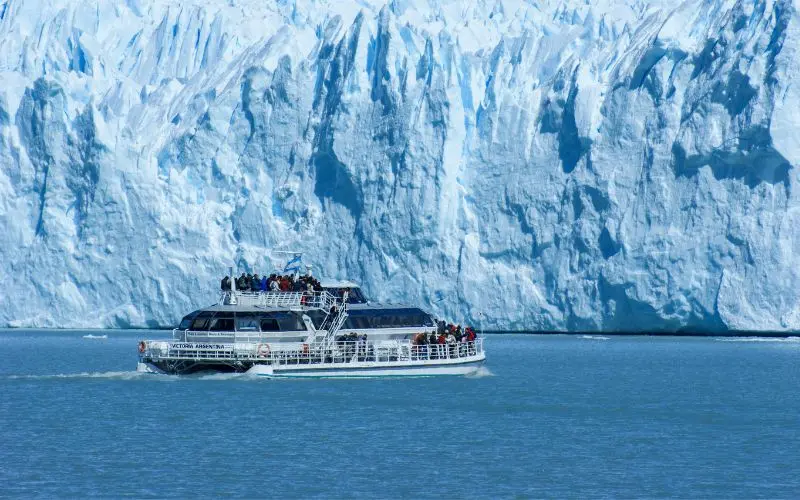
For most travelers, an expedition cruise is the easiest way to experience Antarctica. Ships only operate during the short summer season because winter conditions bring extreme cold, darkness, and heavy sea ice.
The main cruise period runs from November to March, and each part of the season offers a different type of adventure.
Early Season Cruises (November–December)
Early-season voyages are ideal for travelers who want dramatic ice scenery and a quieter atmosphere. The landscape often feels untouched, with fresh snow covering the mountains and coastline.
This period is especially appealing for photographers and travelers who want to experience Antarctica at its most pristine.
Peak Season Cruises (January–February)
January and February are the most popular months for Antarctic cruises. The conditions are generally more favorable, and there is plenty of time for shore landings and outdoor activities.
Travelers can enjoy:
- Longer exploration days
- More active wildlife
- Better chances for whale sightings
- Kayaking and Zodiac excursions
Late Season Cruises (March)
March offers a calmer end-of-season experience. Fewer travelers visit, and the changing light creates a different atmosphere across the ice-covered landscapes.
The best cruise time depends on what you want most from your journey — wildlife encounters, photography, quieter voyages, or classic Antarctic scenery.
Daylight Hours in Antarctica
One of the most unique parts of visiting Antarctica is the unusual amount of daylight during the summer season. Because the continent sits near the South Pole, the sun follows a very different pattern compared with most destinations.
During the main travel months, Antarctica experiences extremely long days, giving travelers extra time to enjoy the landscape. Expedition cruises can take advantage of these extended daylight hours for scenic sailing, wildlife watching, and shore activities.
The Midnight Sun
During the height of summer, Antarctica experiences the midnight sun, a natural phenomenon where the sun stays above the horizon for long periods. Instead of dark nights, travelers may see a soft glow over the ice, mountains, and ocean even late at night.
This creates a magical atmosphere and makes every moment feel like part of the adventure.
How Daylight Changes Throughout the Season
The amount of daylight changes as the season progresses. November and December bring some of the longest days, while January reaches the peak of summer conditions. By February and March, the days slowly become shorter, but the lower sunlight creates beautiful golden tones across the frozen landscapes.
The long summer daylight is one of the reasons Antarctica feels so different — it allows travelers to spend more time exploring a place that already feels like another world.
Tips Before Visiting Antarctica
A trip to Antarctica is different from a typical vacation. The weather, remote location, and limited travel season mean that a little preparation can make your journey much more enjoyable.
Flexibility is essential because travel plans can shift unexpectedly. Weather and sea conditions can affect landing spots, sailing routes, and daily activities. A flexible mindset helps you enjoy the experience instead of focusing on a fixed schedule.
Packing the right clothing is also essential. Even during summer, Antarctica can feel cold because of strong winds and changing conditions. Warm layers, waterproof outerwear, and comfortable gear will help you stay outside longer and enjoy the scenery.
Travelers should also respect Antarctica’s fragile environment. The continent has very few human impacts, and visitors play an important role in protecting its wildlife and landscapes. Following expedition guidelines helps keep this unique place safe for future generations.
Most importantly, take time to enjoy the journey. Whether you are watching glaciers drift by, spotting wildlife, or standing on the shore of a remote island, Antarctica is an experience unlike anywhere else.