Oldest Zoos in the World Still Operating as Public Zoos Today
Published: 20 May 2026
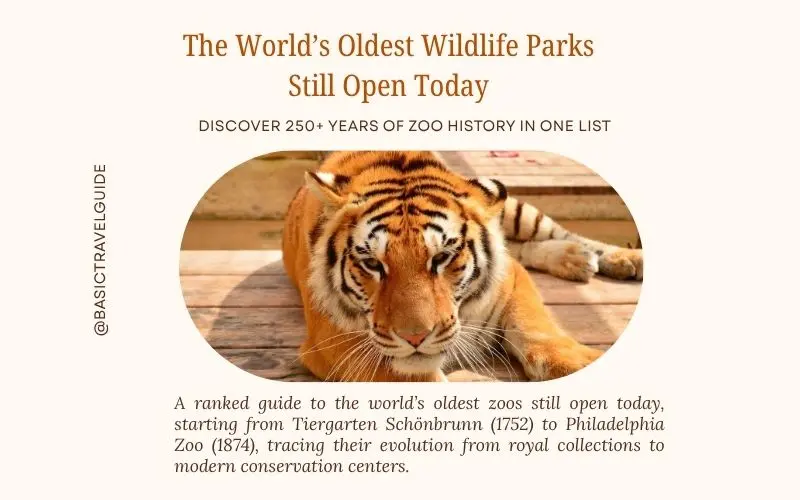
The oldest zoo in the world still operating today is Tiergarten Schönbrunn, established in 1752.It is widely considered the oldest zoological garden in the world that has remained in continuous operation.
Many of the world’s oldest zoos originated as royal menageries and private animal collections before evolving into modern zoological parks focused on wildlife protection programs.
This ranked list of the oldest zoos in the world highlights historic institutions by opening year, including iconic sites such as London Zoo and Berlin Zoological Garden.
READ ALSO : BIGGEST ZOOS IN THE WORLD
Oldest Zoos in the World Ranked by Opening Year
| Rank | Zoo | Country | Opened |
|---|---|---|---|
| 1 | Tiergarten Schönbrunn | Austria | 1752 |
| 2 | Ménagerie du Jardin des Plantes | France | 1794 |
| 3 | London Zoo | England | 1828 |
| 4 | Dublin Zoo | Ireland | 1831 |
| 5 | Philadelphia Zoo | USA | 1874 |
| 6 | ARTIS Royal Zoo | Netherlands | 1838 |
| 7 | Antwerp Zoo | Belgium | 1843 |
| 8 | Berlin Zoological Garden | Germany | 1844 |
| 9 | Thiruvananthapuram Zoo | India | 1857 |
| 10 | Melbourne Zoo | Australia | 1862 |
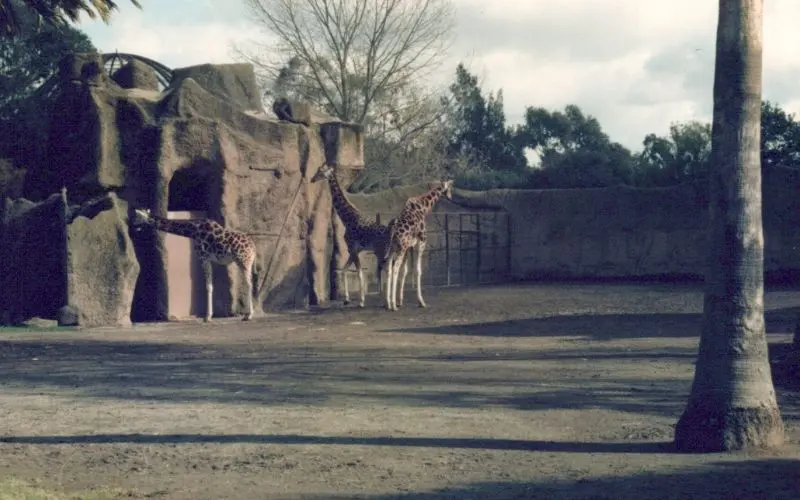
Why These Are Considered the Oldest Zoos in the World
The oldest zoos in the world are defined by their continuous operation, historical foundation date and transformation from early animal collections into public zoological institutions.
The earliest examples, such as Tiergarten Schönbrunn (1752), began as royal menageries where exotic animals were kept by European monarchs for study, prestige and entertainment. Over time, these private collections evolved into structured zoological gardens open to the public.
A key factor in identifying the oldest zoos is continuous operation. Institutions like London Zoo, established in 1828, are considered historic because they have remained active for nearly two centuries while continuously adapting to modern standards of animal care, conservation, and education.
Another defining factor is scientific and educational purpose. Zoos such as Berlin Zoological Garden expanded beyond exhibition to include breeding programs, species conservation and research, which helped shape the modern concept of a zoological park.
In summary, these zoos are classified as the oldest in the world because they meet three core criteria:
- Early establishment date (18th–19th century origins)
- Continuous public or institutional operation
- Evolution from private menageries into modern conservation-focused zoos
READ ALSO : FACTS ABOUT ZOOS: PROS AND CONS
Oldest Zoos in the World Located in Europe
Europe is home to the majority of the world’s oldest zoos, many of which trace their origins back to royal menageries and early scientific collections established between the 18th and 19th centuries. These institutions played a major role in shaping the modern concept of zoological gardens focused on education, conservation, and research.
The oldest zoo in Europe is Tiergarten Schönbrunn, established in 1752. It began as an imperial menagerie for the Habsburg monarchy and is widely recognized as the world’s oldest continuously operating zoo.
Another landmark institution is Ménagerie du Jardin des Plantes, founded in 1794. It was created during the French Revolution to preserve exotic animals from royal collections and remains an important scientific and educational facility today.
In the United Kingdom, London Zoo (1828) is one of the most influential early scientific zoos. It was initially established for research purposes by the Zoological Society of London before opening to the public in 1847.
Other historically significant European zoos include Dublin Zoo (1831), ARTIS Royal Zoo (1838) and Antwerp Zoo (1843). These institutions reflect the rapid expansion of zoological gardens across Europe during the 19th century.
In Germany, Berlin Zoological Garden (1844) stands out as one of the most diverse and scientifically significant zoos in the world, known for its large species collection and long history of conservation work.
Together, these zoos form the core of early global zoo development, with Europe serving as the primary origin region for modern zoological institutions.
READ ALSO : TOP 10 BIGGEST ZOOS IN UK
READ ALSO : LARGEST ZOOS IN EUROPE
Oldest Zoos in the World Outside Europe
While Europe contains many of the world’s earliest zoological gardens, several historic zoos outside Europe also play an important role in global zoo history.
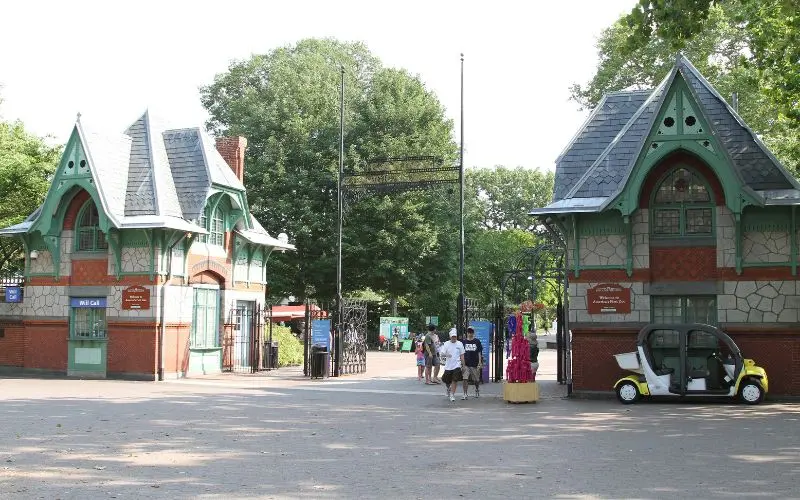
Philadelphia Zoo, established in 1874, is widely recognized as the oldest zoo in the United States. It was the first major zoo in America to focus on scientific management and public education.
In Asia, Thiruvananthapuram Zoo (1857) is one of the earliest zoological institutions, originally developed from royal collections before becoming a public zoo.
In Australia, Melbourne Zoo (1862) is the country’s oldest zoo and was modeled after European zoological gardens, reflecting the global spread of the zoo concept in the 19th century.
Together, these institutions show how zoological parks expanded beyond Europe during the 19th century, adapting to different regions while maintaining scientific and educational goals.
READ ALSO : LARGEST ZOOS IN ASIA
Summary of the Oldest Zoos by Continent
- Europe: Majority of the world’s oldest zoos, established between 1750s–1840s
- Asia: Early transition from royal collections to public zoos in the mid-1800s
- North America: Scientific public zoo development began in the late 1800s
- Australia: Expansion of European-style zoological gardens in the 1860s
READ ALSO : TOP 10 LARGEST ZOOS IN US
What Was the First Zoo in the World?
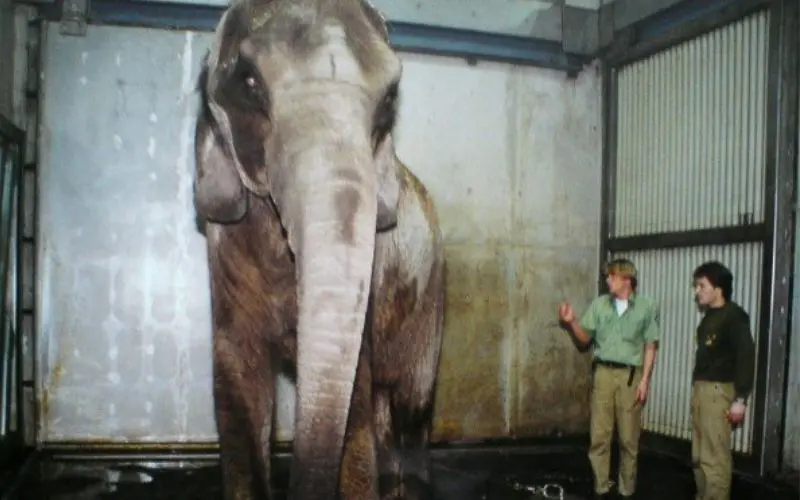
The first modern zoo in the world is considered to be Tiergarten Schönbrunn, established in 1752. It was originally created as an imperial menagerie for the Habsburg monarchy and later opened to the public.
However, earlier forms of animal collections existed in ancient civilizations, including royal menageries in Egypt, China, and Mesopotamia. These were not public zoos but private collections of exotic animals kept by rulers.
Modern zoos evolved from these early collections into structured institutions focused on research, conservation, and education.
How the Oldest Zoos in the World Are Ranked
The oldest zoos in the world are ranked based on their official founding year, continuous operation and historical evolution from early animal collections into modern public zoological institutions.
Zoos that began as royal menageries but later became public scientific facilities are included if they have remained continuously operational.
When founding dates are close, preference is given to institutions with verified historical records and uninterrupted operation as zoological parks.
10 Oldest Zoos in the World Still Operating Today
Below is a detailed overview of the world’s oldest zoos still operating today. Each institution played an important role in the development of modern zoological parks, evolving from early animal collections into conservation-focused zoos.
1. Tiergarten Schönbrunn (1752) – Austria
Tiergarten Schönbrunn is the oldest zoo in the world still operating today. It was originally established as an imperial menagerie for the Habsburg monarchy and later evolved into a public zoological garden focused on conservation and research.
2. Ménagerie du Jardin des Plantes (1794) – France
Ménagerie du Jardin des Plantes was created during the French Revolution to preserve royal animal collections. Today, it functions as a scientific zoo dedicated to education, research, and species preservation.
3. London Zoo (1828) – England
London Zoo is one of the world’s first scientific zoos. It was initially used for research by zoologists before opening to the public and becoming a model for modern zoos globally.
READ ALSO : London Zoo Facts, History & Hidden Stories
4. Dublin Zoo (1831) – Ireland
Dublin Zoo was designed in the 19th century and quickly became an important center for animal care and breeding programs, especially for endangered species conservation.
5. ARTIS Royal Zoo (1838) – Netherlands
ARTIS Royal Zoo is one of Europe’s oldest zoological gardens, combining animal exhibits with botanical and cultural heritage in a single historic site.
6. Antwerp Zoo (1843) – Belgium
Antwerp Zoo is known for its long-standing role in scientific breeding programs and its well-preserved 19th-century architecture.
7. Berlin Zoological Garden (1844) – Germany
Berlin Zoological Garden is one of the most species-rich zoos in the world and has contributed significantly to wildlife conservation and zoological research.
8. Thiruvananthapuram Zoo (1857) – India
Thiruvananthapuram Zoo began as a royal collection and later became one of Asia’s earliest public zoological parks focused on education and conservation.
READ ALSO : TOP 10 LARGEST ZOOS IN INDIA
9. Melbourne Zoo (1862) – Australia
Melbourne Zoo is Australia’s oldest zoo and was modeled after European zoological gardens, helping establish modern zoo standards in the region.
10. Philadelphia Zoo (1874) – USA
Philadelphia Zoo is the oldest zoo in the United States and was originally planned as a public zoological park focused on education and scientific research.
Key Facts About the Oldest Zoos in the World
• Oldest zoo in the world: Tiergarten Schönbrunn (1752)
• Oldest zoo in Europe: Tiergarten Schönbrunn
• Second oldest zoo in the world: Ménagerie du Jardin des Plantes (1794)
• Oldest scientific zoo: London Zoo (1828)
• Oldest zoo in the USA: Philadelphia Zoo (1874)
• Most common founding era: 18th–19th century
• Origin of most early zoos: Royal menageries and private animal collections
• Main purpose today: Conservation, education and wildlife research
Conclusion
The oldest zoos in the world still operating today trace their origins back to the 18th and 19th centuries, when early royal menageries evolved into public zoological gardens. The oldest among them is Tiergarten Schönbrunn, established in 1752, which remains widely recognized as the oldest continuously operating zoo in the world.
Most historic zoos, including London Zoo and Berlin Zoological Garden, reflect the shift from private animal collections to scientific institutions focused on conservation, education, and wildlife research.
In summary, the world’s oldest zoos are defined not just by their age, but by their continuous operation and their role in shaping modern zoological practices that continue to evolve today.