Facts About Zoos: Importance, Animal Care & Fun Facts
Published: 10 May 2026
Zoos have been part of human history for centuries, evolving from royal animal collections into modern centres for conservation, education, and wildlife research. Today, zoos play an important role in protecting endangered species, caring for rescued animals, and teaching millions of visitors about biodiversity and ecosystems.
From fun facts about animals and zookeepers to the debate over animal welfare and captivity, zoos remain one of the most discussed wildlife institutions in the world. This guide explores facts about zoos, why zoos are important, how they help animals and some of the concerns surrounding modern zoos.
READ: WHAT WAS THE OLDEST ZOO IN THE WORLD
What Are Zoos and Why Were They Created?
Zoos are facilities where animals are cared for, displayed, and studied for education, conservation, and scientific research. Modern zoos are designed to protect wildlife, support breeding programs, and help visitors learn more about animals from around the world.
The earliest zoos were created thousands of years ago by kings and wealthy rulers who kept exotic animals as symbols of power and status. These private animal collections later evolved into public zoos during the 18th and 19th centuries.
Today, many modern zoos focus on:
- Wildlife conservation
- Protecting endangered species
- Animal rescue and rehabilitation
- Public education and awareness
- Scientific research and breeding programs
Unlike older traditional zoos, many modern wildlife parks now use natural habitat-style enclosures designed to improve animal welfare and better reflect animals’ natural environments.
READ: Biggest Zoos in the Word
Why Zoos Are Important Today
Zoos today are much more than places to see animals up close. Today, in many parts of the world, zoos operate as conservation centres dedicated to protecting animals whose populations are shrinking in nature.
One of their primary responsibilities is the protection and survival of endangered species. Through carefully managed breeding programs, zoos can support populations of animals like big cats, primates, and rare birds when their natural habitats are under threat.
Zoos also play a strong educational role.They are often the first true connection to wildlife for many people, especially children living in cities. Seeing animals in person often builds awareness and respect for nature in a way books or videos cannot fully achieve.
In addition, modern zoos contribute to research and veterinary care. Scientists and animal experts study behaviour, nutrition, and health, which can also help protect wild populations outside zoos.
Key contributions of modern zoos:
- Support conservation breeding programs for endangered species
- Educate the public about wildlife and ecosystems
- Providing rescue and care for injured or displaced wildlife.
- Contribute to scientific and veterinary research
- Help raise awareness about habitat loss and environmental issues
Many accredited zoos work closely with global conservation networks, such as the Smithsonian’s National Zoo & Conservation Biology Institute, to support wildlife research and endangered species protection.
How Zoos Care for Animals
Modern zoos focus heavily on animal welfare, and care practices have changed a lot compared to the past. Today, most accredited zoos follow strict guidelines to make sure animals are healthy, safe, and as comfortable as possible in captivity.
One of the most important aspects of care is nutrition. Animals are given carefully planned diets that match their natural eating habits, often designed by veterinary nutrition experts. This helps maintain their health, energy levels, and overall wellbeing.
Zoos also provide regular veterinary care. Animals undergo health checks, vaccinations, and medical treatment when needed. Many large zoos even have fully equipped wildlife hospitals on-site for emergencies and long-term care.
Another key area is environmental enrichment. This means creating activities, spaces, and challenges that keep animals mentally and physically active. It can include climbing structures, puzzle feeders, water features, or hidden food to encourage natural hunting and foraging behaviour.
Modern zoos also design natural-style habitats instead of traditional cages. These spaces aim to resemble the animals’ natural environments, giving them more room to move and express natural behaviours.
Main ways zoos care for animals:
- Balanced, species-specific diets
- Regular veterinary monitoring and treatment
- Enrichment activities for mental stimulation
- Spacious, natural habitat-style enclosures
- Protection from predators, poaching, and habitat loss
Overall, the goal is to ensure animals live in safe conditions while still maintaining as much natural behaviour as possible within a controlled environment.
Concerns and Criticism About Zoos
Even though modern zoos focus on conservation and education, they are still widely debated. Some people and animal welfare groups raise concerns about whether wild animals should live in captivity at all, even under improved conditions.
One common concern is space limitations. Many animals in the wild roam over large territories, and even well-designed enclosures can feel restrictive compared to their natural habitats. This is especially discussed for large species like elephants, big cats, and marine animals.
Another issue is stress and behaviour changes. Some animals may show signs of stress or repetitive behaviours in captivity, particularly if their environment does not fully meet their physical or mental needs.
There are also concerns about variation in zoo standards. While accredited zoos follow strict welfare rules, not all facilities maintain the same level of care. This leads to differences in animal wellbeing depending on location and management.
Some critics also question the idea of keeping animals for public viewing, even if conservation is involved, arguing that true wildlife protection should focus more on preserving natural habitats rather than captivity.
Main concerns about zoos:
- Limited space compared to natural habitats
- Potential stress or unnatural behaviour in some animals
- Differences in welfare standards between zoos
- Ethical debate about keeping wild animals in captivity
- Focus on conservation vs. exhibition balance
Despite these concerns, many zoos continue to improve conditions, focusing more on conservation, rescue work, and habitat simulation than traditional display-based models.
10 Interesting Facts About Zoos
Here are some fascinating and lesser-known facts about zoos that show how much they’ve changed over time and how they operate today.
1. Zoos didn’t start as conservation places
They originally began as private animal collections for kings and wealthy rulers — not for education or protection.
2. Some animals in zoos were never captured from the wild
Many are born in zoos today as part of long-term breeding programs.
3. Zoos now help protect animals in the wild
Modern zoos often fund conservation projects far outside their own gates.
4. Animals get “mental workouts” too
Zoos use puzzles, feeding games and challenges so animals don’t get bored.
5. Some zoos have full animal hospitals
Big zoos can treat everything from broken bones to complex surgeries.
6. Every animal has a genetic “record”
Zoos track family lines to avoid inbreeding and protect species health.
7. Some zoo animals live longer than wild ones
Regular food, safety, and medical care can increase lifespan.
8. Baby animals are planned carefully
Many births are coordinated globally for conservation reasons, not chance.
9. Enclosures are built using wild research
Designs often come from studying animals in their natural habitats.
10. Zoos sometimes send animals back to the wild
Some species are bred and then reintroduced into protected natural areas.
READ: San Diego Zoo Facts: Size, Why It Is Famous & What Makes It Special
Facts About Zookeepers
Zookeepers look after the daily needs, health, and wellbeing of animals living in zoos.Their work is much more than just feeding animals, it involves science, observation and hands-on care every single day.
Key facts about zookeepers:
- They follow strict feeding and care schedules for each animal
- Many are trained in animal science, biology, or veterinary care
- They monitor behaviour to detect illness or stress early
- Cleaning habitats is part of ensuring animal health and safety
- They often build trust with animals over long periods
Fun facts about zookeepers:
- Enrichment activities are often designed and tested by zookeepers themselves
- Some animals can recognize their specific keeper’s voice or routine
- Zookeepers often work early mornings, weekends and holidays
- They sometimes assist in animal births and emergency care
- Many spend years specializing in just a few species
- Enrichment activities are often designed and tested by zookeepers themselves
READ: London Zoo Facts, History & Hidden Stories
The Biggest Zoo by Species
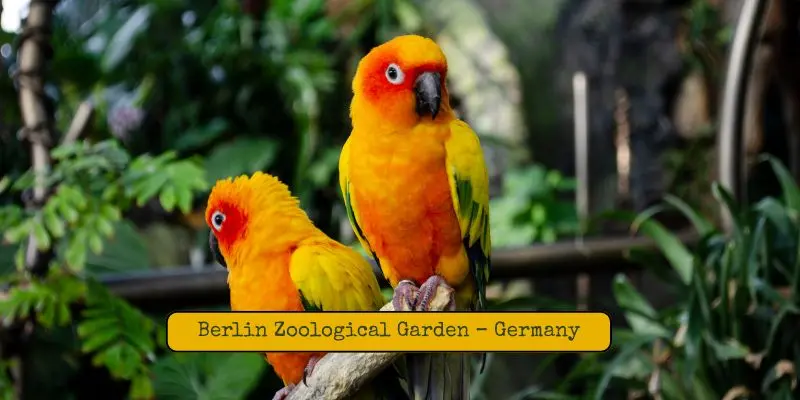
When it comes to species diversity, the zoo most often recognized as the leader is the Berlin Zoological Garden.
Why it stands out:
- Home to around 1,300+ animal species
- Houses more than 20,000 individual animals
- Ranked among the world’s top zoos for biological diversity.
- Strong focus on conservation and breeding programs
- Berlin Zoological Garden is also widely considered one of the largest zoos in total animal population, not just species count.
- It consistently ranks at or near the top globally for species diversity, making it a key reference point in zoological studies.
Famous Zoos Around the World
Some of the most well-known zoos globally include:
- San Diego Zoo is famous for conservation programs and natural habitats
- Chester Zoo is one of the largest and most popular zoos in the United Kingdom.
- Singapore Zoo is known for its “open concept” rainforest-style enclosures
These zoos are widely recognized for their focus on animal welfare, education and global conservation work.
FAQ About Zoos
Zoos can be both. Accredited zoos help conservation and education, but concerns exist about animal welfare in poorly managed facilities.
Zoos are important because they help protect endangered species, educate the public, and support wildlife research and conservation programs.
Berlin Zoological Garden is widely recognized for having one of the largest animal collections in the world.
Zoos were originally created as private animal collections for rulers and wealthy individuals, later evolving into public institutions focused on education and conservation.
Zoos help animals through medical care, breeding programs, rescue operations, habitat protection efforts and long-term conservation projects.