Largest Shopping Malls in Asia – Top 10 Mega Malls 2026
Published: 2 Jun 2026
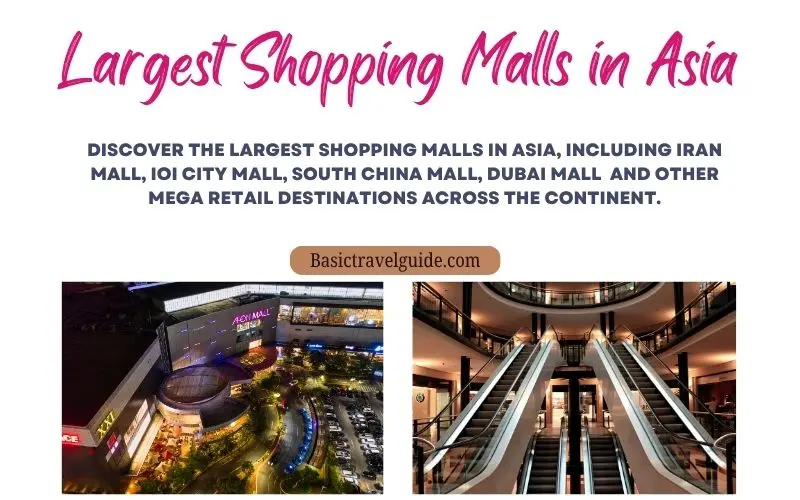
Asia contains most of the world’s largest shopping malls due to rapid urban development and large-scale commercial projects. Iran Mall is the biggest shopping mall in Asia, followed by IOI City Mall and South China Mall. Other major mega malls include SM Mall of Asia, Dubai Mall, ICONSIAM and CentralWorld.
These malls combine retail, entertainment and tourism experiences, making them major lifestyle destinations. This page ranks the top 10 largest shopping malls in Asia in 2026 based on size.
Top 10 Largest Shopping Malls in Asia (2026 Ranking)
This ranking shows the top 10 largest shopping malls in Asia based on gross leasable area (GLA) in 2026.
| Rank | Mall | Country | Size (sq ft) | Highlight (SEO Intent) |
|---|---|---|---|---|
| 1 | Iran Mall | Iran | ~21M | Biggest shopping mall in Asia & world largest mall |
| 2 | IOI City Mall | Malaysia | ~15.4M | Largest shopping mall in Southeast Asia |
| 3 | South China Mall | China | ~7.1M | One of the biggest malls in Asia |
| 4 | SM Mall of Asia | Philippines | ~6.3M | Largest mall in Philippines & top Asia mall |
| 5 | Dubai Mall | UAE | ~12.1M | Most visited shopping mall in Asia Middle East |
| 6 | CentralWorld | Thailand | ~5.9M | Largest shopping mall in Bangkok Thailand |
| 7 | ICONSIAM | Thailand | ~5.6M | Luxury riverside mega mall in Bangkok |
| 8 | Isfahan City Center | Iran | ~7.0M | Large mixed-use shopping mall in Iran |
| 9 | Berjaya Times Square | Malaysia | ~7.5M | Indoor theme park mall in Malaysia |
| 10 | Siam Paragon | Thailand | ~4.3M | Luxury shopping mall in Bangkok Asia |
Largest Shopping Malls in Asia by Country
Some of the world’s largest shopping malls are located in Asia, often offering experiences that feel closer to exploring a city than visiting a shopping center. Across countries like Iran, China, Malaysia, Thailand, the UAE, the Philippines, and India, these developments have grown into lifestyle destinations where people spend entire days exploring shopping, dining, entertainment, and cultural experiences under one roof.
Instead of being concentrated in a single region, Asia’s largest malls are spread across fast-growing urban centers, each reflecting the design style and consumer culture of its country.
Iran — Where Mega Malls Feel Like Cities
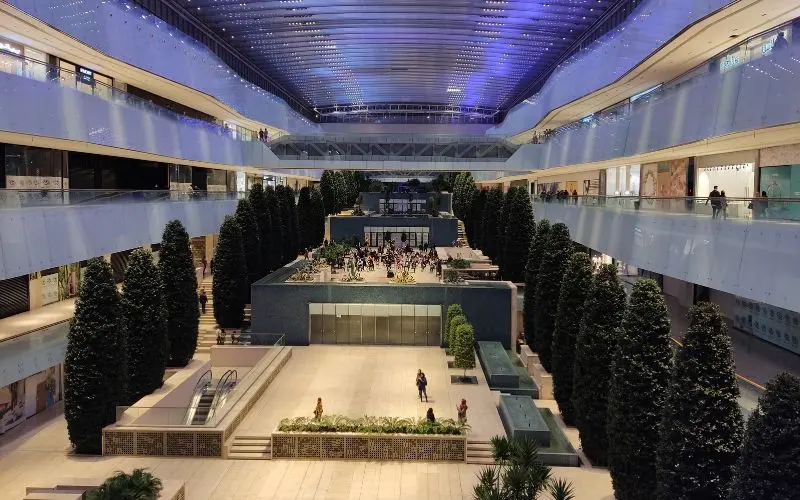
Iran Mall in Tehran, Iran, is one of the biggest shopping malls in Asia and a popular modern attraction in the country. Located in northwest Tehran, this huge complex offers much more than shopping, with luxury stores, restaurants, cultural spaces, a library, sports facilities, and beautiful indoor areas.
Visitors can explore unique features such as art galleries, gardens, entertainment areas, and leisure spaces that make Iran Mall feel more like a complete city experience than a traditional shopping center.
Another major destination is Isfahan City Center in Isfahan, Iran, which combines shopping with cinemas, hotels, dining, and entertainment. These large malls show how shopping destinations in Iran are designed as places where locals and travelers can shop, relax, and spend an entire day exploring.
Want to compare Asia’s largest shopping malls with other regions?
Read Also:
- Largest Shopping Malls in the World
- Largest Shopping Malls in Europe
- Largest Shopping Malls in the USA
China — Bold Experiments in Retail Scale
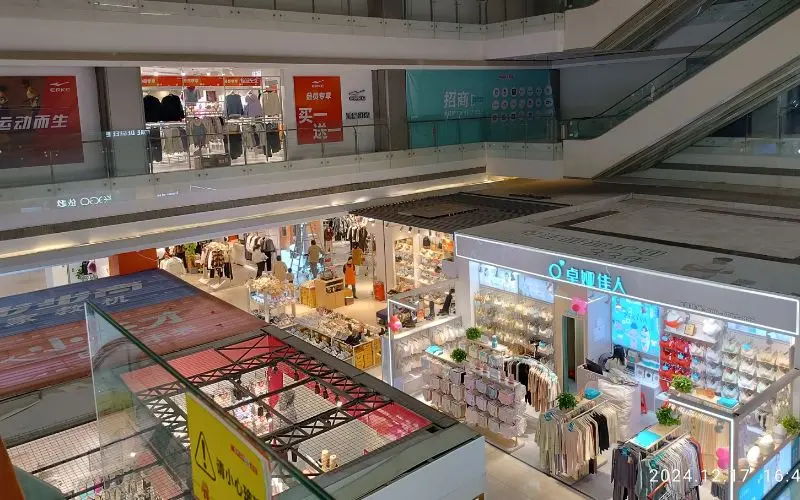
China is home to some of the largest shopping malls in Asia, with many mega malls built to combine shopping, dining, and entertainment. South China Mall in Dongguan is one of the country’s most famous examples, known for its huge size, wide shopping areas, and themed zones inspired by different parts of the world.
Golden Resources Mall in Beijing is another major shopping destination, offering visitors a large mix of stores, restaurants, and leisure spaces across multiple floors.
What makes China’s biggest malls unique is their incredible scale and variety. Many of these shopping centers are designed as complete lifestyle destinations where visitors can shop, eat, relax, and enjoy entertainment in one place.
Read Also:
- Things to Do in Beijing and Best Places to Visit
- Most Beautiful Places in the World to Visit
- Most Beautiful UNESCO World Heritage Sites
Malaysia — Shopping Malls Built for Everyday Life
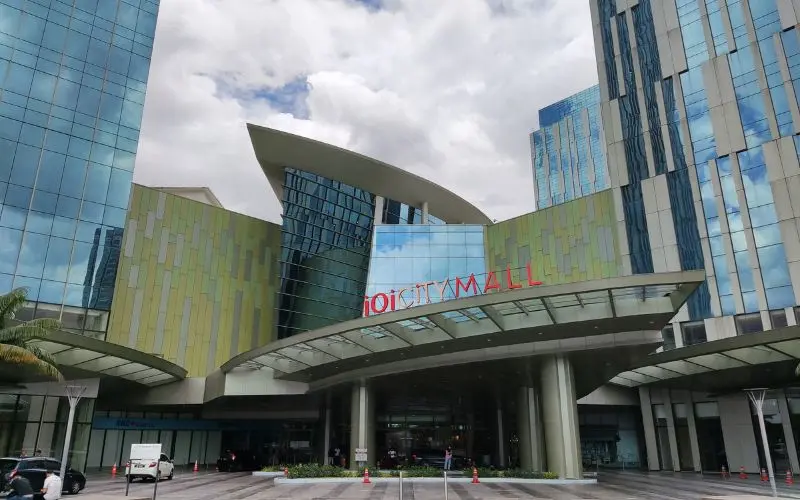
Malaysia’s modern retail scene has grown rapidly, with huge shopping malls becoming popular places for shopping, entertainment, and family activities. IOI City Mall in Putrajaya is a great example, offering a mix of stores, restaurants, indoor attractions, and leisure spaces where visitors can spend an entire day.
1 Utama Shopping Centre in Petaling Jaya and Berjaya Times Square in Kuala Lumpur add to Malaysia’s impressive mall landscape with extensive shopping areas, entertainment zones, and unique attractions, including indoor theme park experiences.
These malls highlight how shopping centers in Malaysia have evolved beyond simple retail spaces. They now serve as lifestyle destinations where locals and travelers can shop, dine, relax, and enjoy different experiences under one roof.
Read Also:
Thailand — Where Shopping Meets Culture
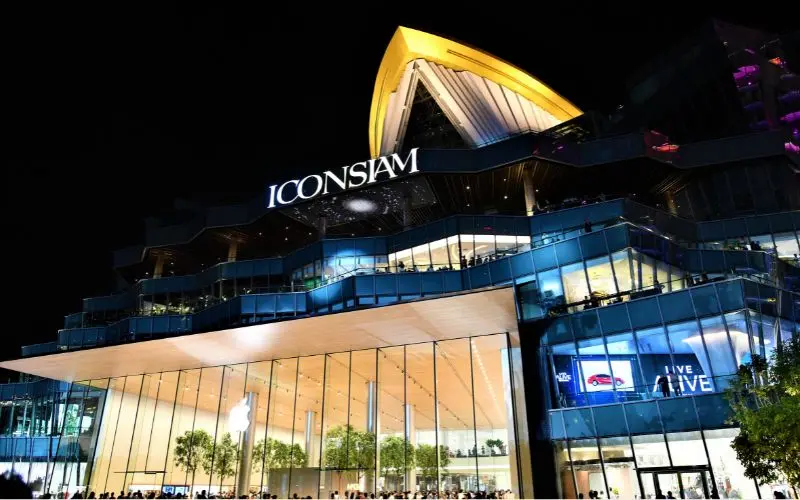
Bangkok, Thailand, is home to some of Asia’s most impressive shopping malls, where shopping combines with dining, entertainment, and cultural experiences. ICONSIAM, located along the Chao Phraya River, is one of the city’s most famous malls, offering luxury stores, cultural displays, restaurants, and unique attractions inspired by Thai traditions.
CentralWorld in the heart of Bangkok is another major shopping destination, known for its huge retail space, events, festivals, and entertainment options. Siam Paragon offers a more luxury-focused experience, with high-end brands, an aquarium, cinemas, and fine dining.
Together, Bangkok’s largest shopping malls show why Thailand’s capital is considered one of Asia’s top shopping destinations, attracting both local shoppers and international visitors.
Philippines — A Mall That Feels Like a Destination
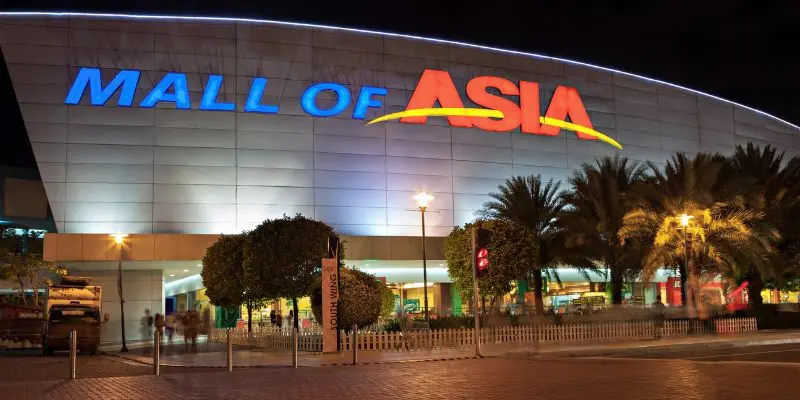
SM Mall of Asia in Pasay City, Metro Manila, Philippines, is one of the largest shopping malls in Asia and a popular destination for both locals and tourists. Located along Manila Bay, this huge mall offers much more than shopping, with retail stores, restaurants, entertainment areas, an ice-skating rink, and large event spaces.
Its waterfront location makes it different from many other malls, as visitors can enjoy shopping while also experiencing views of Manila Bay and nearby leisure attractions.
SM Mall of Asia has become an important part of the Philippines’ modern lifestyle, offering a place where people can shop, dine, relax, and enjoy entertainment all in one destination.
Read Also:
- Cheapest Countries in Asia to Travel
- Best Time to Visit Southeast Asia
- Safest Countries in Southeast Asia for Tourists
United Arab Emirates — Retail Meets Global Tourism
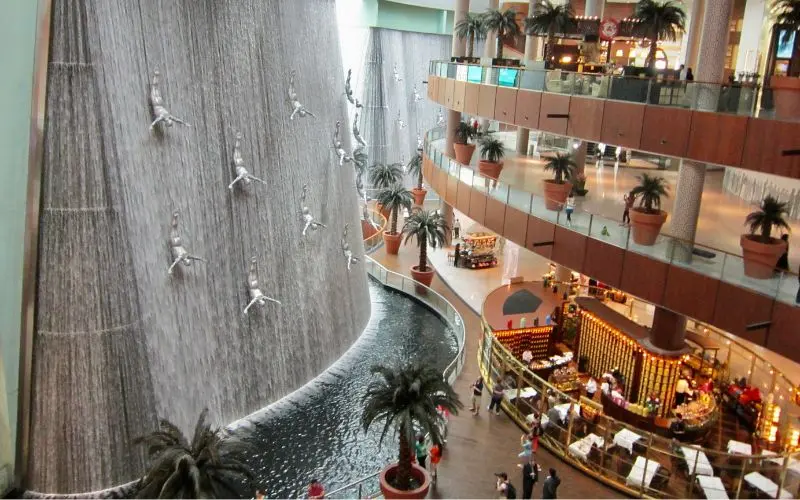
Dubai Mall in Dubai, United Arab Emirates, is one of the largest shopping malls in Asia and one of the city’s top tourist attractions. Located in Downtown Dubai next to the iconic Burj Khalifa, this massive mall combines shopping, dining, entertainment, and sightseeing in one unforgettable experience.
Visitors can explore thousands of stores, enjoy attractions like Dubai Aquarium & Underwater Zoo, experience indoor entertainment options, and choose from hundreds of restaurants and cafés. Its central location also makes it easy to visit nearby landmarks such as the Burj Khalifa and Dubai Fountain on the same trip.
Unlike a traditional shopping center, Dubai Mall is a complete entertainment destination where travelers can spend several hours exploring, relaxing, and experiencing modern Dubai.
Read Also:
- Best Places to Visit in Dubai
- Things to Do in Dubai with Family
- Dubai Dress Code for Women
- Best Places to Visit in Sharjah for Tourists
India — Growing Mega Mall Market in Asia
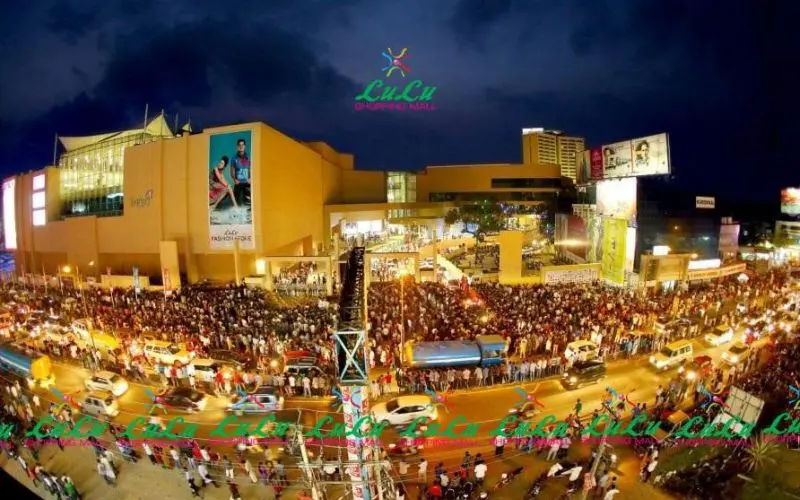
India’s shopping mall scene has grown quickly as cities expand and more people look for modern shopping and entertainment experiences. Large malls like Lulu Mall, DLF Mall of India, and Phoenix Marketcity show the country’s growing retail industry.
These malls offer much more than shopping, with cinemas, restaurants, entertainment areas, and family activities. Located in major cities across India, they have become popular places for locals and travelers to spend time and enjoy a complete day out.
Although India’s malls are still growing compared with some of Asia’s largest shopping destinations, the country is becoming an important part of the Asian retail market.
Key Takeaways
Asia is home to some of the world’s largest and most diverse shopping malls, ranging from massive retail complexes in China and Iran to entertainment-driven destinations in Thailand, Malaysia, and the Philippines. These malls go far beyond shopping, offering visitors a mix of dining, leisure, tourism, and cultural experiences under one roof.
While each country has its own approach to mall development, the region as a whole continues to lead global trends in large-scale retail infrastructure. From luxury-focused destinations like Dubai Mall to lifestyle mega complexes such as ICONSIAM and IOI City Mall, Asia’s shopping malls reflect how modern urban spaces are evolving into full experience-driven environments.
As development continues, even more advanced and larger malls are expected to emerge, further strengthening Asia’s position as the global hub for mega shopping destinations.
FAQs – Largest Shopping Malls in Asia (2026)
The largest shopping mall in Asia is Iran Mall in Tehran, Iran. It is known for its massive retail space along with entertainment, cultural halls, libraries, and leisure facilities.
The top 10 largest shopping malls in Asia include Iran Mall, IOI City Mall, South China Mall, SM Mall of Asia, Dubai Mall, CentralWorld, ICONSIAM, Isfahan City Center, Berjaya Times Square, and Siam Paragon.
China, Iran, Malaysia, Thailand, the Philippines, and the UAE have some of the largest shopping malls in Asia due to rapid urban development and large-scale commercial projects.
IOI City Mall in Malaysia is the largest shopping mall in Southeast Asia, offering a mix of retail stores, entertainment attractions, and leisure facilities.
Some of the biggest shopping malls in India include Lulu International Shopping Mall, DLF Mall of India, and Phoenix Marketcity, which are among the largest retail developments in South Asia.
Shopping malls in Asia are large because they are designed as mixed-use lifestyle destinations. They often combine shopping, dining, entertainment, tourism, and cultural attractions in one complex.
Sources & References
- Iran Mall Official Website
- IOI City Mall Official Website
- SM Mall of Asia Official Website
- Dubai Mall Official Website