Largest Airports in the World by Size: Top 20 Ranked List
Published: 5 Jun 2026
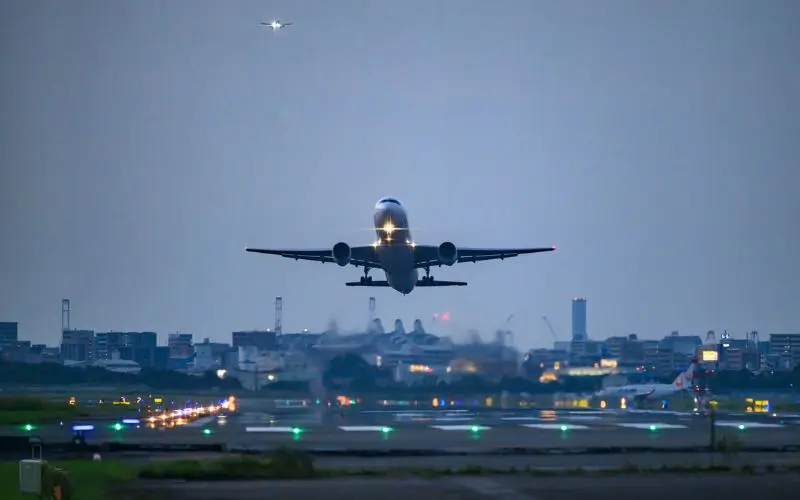
King Fahd International Airport in Saudi Arabia is the largest airport in the world by land area, covering approximately 776 square kilometers (300 square miles). The airport is vastly larger than Denver International Airport in the United States, which spans about 137.8 square kilometers and Kuala Lumpur International Airport in Malaysia which covers around 100 square kilometers.
Airport size is measured by the total land occupied by airport facilities, runways, terminals and surrounding operational areas rather than passenger traffic. The ranking below highlights the 20 largest airports in the world by size and explores the key features that set each airport apart.
Largest Airports in the World by Size
These are the 20 largest airports in the world, ranked by total land area, including runways, terminals, cargo zones and other operational facilities.
| Rank | Airport | Country | City | Total Area (km² / sq mi) |
|---|---|---|---|---|
| 1 | King Fahd International Airport | Saudi Arabia | Dammam | 776 / 300 |
| 2 | Denver International Airport | United States | Denver | 137.8 / 53.2 |
| 3 | Kuala Lumpur International Airport | Malaysia | Sepang | 100 / 38.6 |
| 4 | Istanbul Airport | Turkey | Istanbul | 76.5 / 29.5 |
| 5 | Dallas/Fort Worth International Airport | United States | Dallas–Fort Worth | 69.7 / 26.9 |
| 6 | Washington Dulles International Airport | United States | Washington, D.C. | 47.8 / 18.4 |
| 7 | Beijing Daxing International Airport | China | Beijing | 47.0 / 18.1 |
| 8 | Orlando International Airport | United States | Orlando | 46.9 / 18.1 |
| 9 | George Bush Intercontinental Airport | United States | Houston | 44.5 / 17.2 |
| 10 | Shanghai Pudong International Airport | China | Shanghai | 40.0 / 15.4 |
| 11 | Cairo International Airport | Egypt | Cairo | 37.0 / 14.3 |
| 12 | Suvarnabhumi Airport | Thailand | Bangkok | 32.4 / 12.5 |
| 13 | Charles de Gaulle Airport | France | Paris | 32.38 / 12.5 |
| 14 | Adolfo Suárez Madrid–Barajas Airport | Spain | Madrid | 30.5 / 11.8 |
| 15 | Dubai International Airport | UAE | Dubai | 29.0 / 11.2 |
| 16 | Frankfurt Airport | Germany | Frankfurt | 23.0 / 8.9 |
| 17 | Tokyo Haneda Airport | Japan | Tokyo | 21.5 / 8.3 |
| 18 | Munich Airport | Germany | Munich | 15.6 / 6.0 |
| 19 | London Heathrow Airport | United Kingdom | London | 12.3 / 4.7 |
| 20 | Zurich Airport | Switzerland | Zurich | 9.9 / 3.8 |
What Makes an Airport One of the Largest?
The world’s largest airports are defined by the total amount of land they occupy, not by how many passengers they serve. This overall area includes runways, terminals, cargo and logistics zones, taxiways, maintenance hangars, and additional land set aside for future development. As a result, some airports cover vast spaces even though their passenger numbers are relatively modest compared to major global hubs.
Top 20 Largest Airports in the World (Detailed Overview)
1. King Fahd International Airport (DMM)
King Fahd International Airport is the largest airport in the world by land area, covering an enormous section of eastern Saudi Arabia near Dammam.
- Largest airport globally by total area
- Covers approximately 776 km² (300 sq mi)
- Serves Saudi Arabia’s Eastern Province
- Designed with significant room for future expansion
2. Denver International Airport (DEN)
Denver International Airport is the largest airport in the United States and the second-largest airport in the world by land area.
- Covers approximately 137.8 km² (53.2 sq mi)
- Features multiple long parallel runways
- Built with extensive expansion capacity
- Major hub connecting North America
3. Kuala Lumpur International Airport (KUL)
Kuala Lumpur International Airport is Malaysia’s primary international gateway and one of Asia’s largest airports by land area.
- Covers around 100 km² (38.6 sq mi)
- Major hub for Southeast Asian travel
- Designed for long-term passenger growth
- Supports extensive cargo operations
4. Istanbul Airport (IST)
Istanbul Airport is Turkey’s flagship aviation hub and one of Europe’s largest airport developments.
- Covers approximately 76.5 km² (29.5 sq mi)
- Major connection point between Europe and Asia
- Built to accommodate future expansion phases
- Handles significant international passenger traffic
5. Dallas/Fort Worth International Airport (DFW)
Dallas/Fort Worth International Airport is one of the world’s busiest and largest airport complexes.
- Covers around 69.7 km² (26.9 sq mi)
- Major hub for domestic and international flights
- Located between Dallas and Fort Worth
- Features multiple terminals and runways
6. Washington Dulles International Airport (IAD)
Washington Dulles International Airport serves the US capital region and ranks among North America’s largest airports.
- Covers approximately 47.8 km² (18.4 sq mi)
- Primary international gateway for Washington, DC
- Extensive runway infrastructure
- Significant land reserved for future growth
7. Beijing Daxing International Airport (PKX)
Beijing Daxing International Airport is one of the newest mega-airports in the world.
- Covers approximately 47 km² (18.1 sq mi)
- Famous for its futuristic starfish-shaped terminal
- Built to relieve congestion in Beijing
- Designed for high passenger capacity
8. Orlando International Airport (MCO)
Orlando International Airport is one of the busiest tourism-focused airports in the world.
- Covers approximately 46.9 km² (18.1 sq mi)
- Gateway to Florida’s major attractions
- Handles substantial domestic and international traffic
- Continues to expand terminal capacity
9. George Bush Intercontinental Airport (IAH)
George Bush Intercontinental Airport is the leading international airport serving Houston.
- Covers approximately 44.5 km² (17.2 sq mi)
- Major hub for international travel
- Strong cargo and passenger operations
- Important connection point for Latin America
10. Shanghai Pudong International Airport (PVG)
Shanghai Pudong International Airport is one of China’s busiest aviation hubs.
- Covers approximately 40 km² (15.4 sq mi)
- Major gateway for international travel in China
- Extensive cargo handling facilities
- Continues to expand passenger infrastructure
11. Cairo International Airport (CAI)
Cairo International Airport is Egypt’s largest airport and a major gateway to Africa and the Middle East.
- Covers approximately 37 km² (14.3 sq mi)
- Largest airport in Egypt
- Important regional aviation hub
- Supports growing international traffic
12. Suvarnabhumi Airport (BKK)
Suvarnabhumi Airport serves as the country’s leading international airport.
- Covers approximately 32.4 km² (12.5 sq mi)
- One of Southeast Asia’s busiest airports
- Major tourism and transit hub
- Features large-scale expansion plans
13. Charles de Gaulle Airport (CDG)
Charles de Gaulle Airport is France’s largest airport and a leading European aviation hub.
- Covers approximately 32.38 km² (12.5 sq mi)
- Main international gateway to France
- Major hub for long-haul travel
- Significant cargo operations
14. Adolfo Suárez Madrid–Barajas Airport (MAD)
Madrid–Barajas Airport is Spain’s largest airport by area and passenger traffic.
- Covers approximately 30.5 km² (11.8 sq mi)
- Main gateway to Spain
- Important link between Europe and Latin America
- Features one of Europe’s largest terminal complexes
15. Dubai International Airport (DXB)
Dubai International Airport is one of the world’s busiest airports for international passengers.
- Covers approximately 29 km² (11.2 sq mi)
- Global hub connecting East and West
- Home to extensive long-haul operations
- Critical gateway for the Middle East
16. Frankfurt Airport (FRA)
Frankfurt Airport is Germany’s busiest airport and a major European hub.
- Covers approximately 23 km² (8.9 sq mi)
- Major intercontinental connection point
- Significant cargo operations
- One of Europe’s leading aviation centers
17. Tokyo Haneda Airport (HND)
Tokyo Haneda Airport is recognized as one of the busiest air travel hubs across Asia.
- Covers approximately 21.5 km² (8.3 sq mi)
- Serves domestic and international routes
- Located close to central Tokyo
- Known for operational efficiency
18. Munich Airport (MUC)
Munich Airport is one of Europe’s most highly rated airports.
- Covers approximately 15.6 km² (6 sq mi)
- Major hub in southern Germany
- Modern terminal facilities
- Strong European and international connectivity
19. London Heathrow Airport (LHR)
As the UK’s leading aviation hub, Heathrow Airport is the country’s busiest airport.
- Covers approximately 12.3 km² (4.7 sq mi)
- One of the world’s leading international hubs
- Serves hundreds of global destinations
- Critical gateway to the UK
20. Zurich Airport (ZRH)
Zurich Airport is Switzerland’s largest international airport.
- Covers approximately 9.9 km² (3.8 sq mi)
- Primary gateway to Switzerland
- Known for efficiency and passenger experience
- Major European connection hub
Largest Airports vs Busiest Airports
The largest airports in the world are measured by total land area, while the busiest airports are measured by passenger traffic.
- Largest airports = land size (km²)
- Busiest airports = number of passengers per year
For example, King Fahd International Airport is the largest airport in the world by size, but it is not among the busiest. In contrast, Hartsfield–Jackson Atlanta International Airport is one of the busiest airports in the world due to high passenger traffic.
This means a large airport does not always handle more passengers. Many of the world’s largest airports were designed with extra land for future expansion, while busy airports focus on handling high traffic efficiently.
Largest Airports by Region
The largest airports in the world are spread across different continents, with each region having its own major hub in terms of land area.
- Europe: Istanbul Airport (Turkey) is largest by land area London and Heathrow Airport (United Kingdom) ranks among the Largest Airports in the Europe by Passenger Traffic.
- Asia: King Fahd International Airport (Saudi Arabia)
- North America: Denver International Airport is largest airport in United States.
- Africa: Cairo International Airport (Egypt)
- South America: El Dorado International Airport (Colombia)
This breakdown helps show how airport size varies globally, with most of the largest airports concentrated in Asia and North America.
Read: Largest Aquariums in the World
Summary
The world’s largest airports are ranked based on total land area, not passenger traffic. These airports span vast regions that include runways, terminals, cargo facilities, taxiways, and additional land reserved for future expansion. King Fahd International Airport remains the largest airport in the world by a significant margin, followed by Denver International Airport and Kuala Lumpur International Airport.
Sources & References
- Airports Council International (ACI)
- International Civil Aviation Organization (ICAO)
- General Authority of Civil Aviation (GACA) Saudi Arabia