20 Best Things to Do in Vietnam (2026 Travel Guide)
Published: 1 Jul 2026
Vietnam is a destination where every day brings a new experience. You can explore ancient towns filled with colorful lanterns, cruise past dramatic limestone islands, trek through mountain villages, or sit on a small street corner enjoying authentic Vietnamese food.
With beautiful landscapes, rich history, lively cities, and incredible local culture, Vietnam has something for every traveler. Whether you are planning your first Vietnam trip or looking for unique places beyond the usual tourist spots, there are countless experiences worth adding to your itinerary.
In this guide, you’ll discover the best things to do in Vietnam, including famous attractions, hidden gems, outdoor adventures, food experiences and must-see places that make this country unforgettable.
1. Explore Hoi An Ancient Town
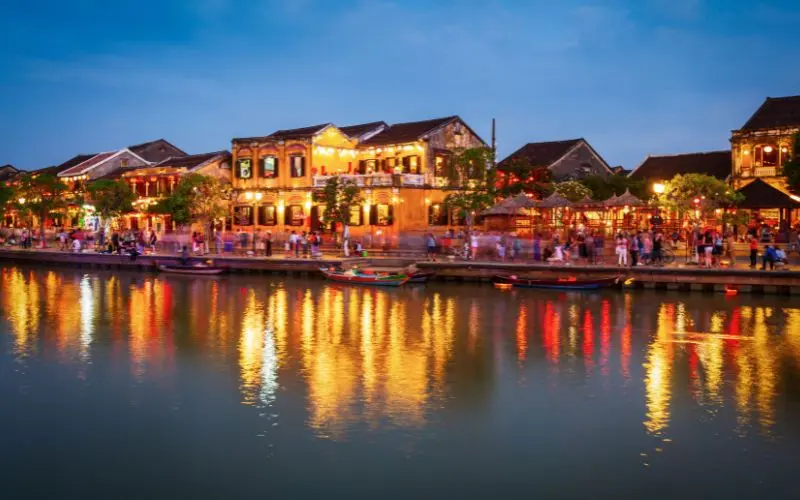
Hoi An Ancient Town is one of the most beautiful places to visit in Vietnam and a must-add to your itinerary. This historic riverside town is known for its charming yellow buildings, traditional architecture, colorful lanterns, and peaceful streets.
The best way to experience Hoi An is by simply walking around the old town. Visit the famous Japanese Covered Bridge, explore local markets, browse small shops, and watch the town come alive when the lanterns light up after sunset.
One of the highlights of Hoi An is its food scene. Don’t leave without trying local specialties like Cao Lau noodles, white rose dumplings, and freshly made Vietnamese banh mi. The town is also famous for custom tailoring, where you can have clothes made quickly at affordable prices.
For a more relaxing experience, take a boat ride along the Thu Bon River in the evening and enjoy the beautiful views of the glowing lanterns reflected on the water.
Traveler Tip: Visit early in the morning to enjoy Hoi An without the crowds, then return after sunset for the full lantern experience.
2. Cruise Through Ha Long Bay
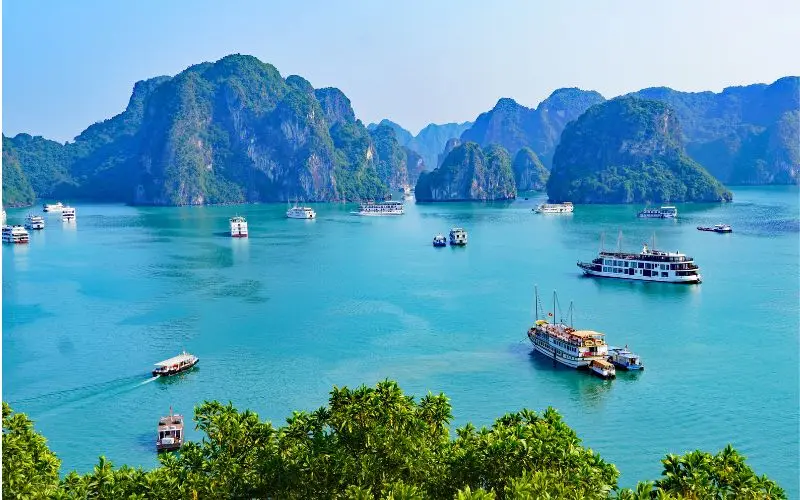
Ha Long Bay is one of the most famous attractions in Vietnam and among the most beautiful places in the world you should not miss on your trip. This best UNESCO World Heritage Site is known for its emerald waters, towering limestone islands, and dramatic natural scenery.
One of the best ways to experience Ha Long Bay is by taking an overnight cruise. You can wake up surrounded by beautiful landscapes, explore hidden caves, kayak through quiet lagoons, and enjoy incredible sunrise and sunset views over the bay.
Popular activities include visiting caves like Sung Sot Cave, taking a bamboo boat ride through floating villages, and relaxing on the deck while watching the limestone cliffs pass by.
If you want a quieter experience, consider exploring nearby areas like Lan Ha Bay or Bai Tu Long Bay, which offer similar scenery with fewer crowds.
Traveler Tip: Choose a 2-day, 1-night cruise if you want enough time to enjoy the views without rushing. Book a cruise with good reviews because the experience can vary a lot.
Read Also:
3. Wander Through Hanoi Old Quarter
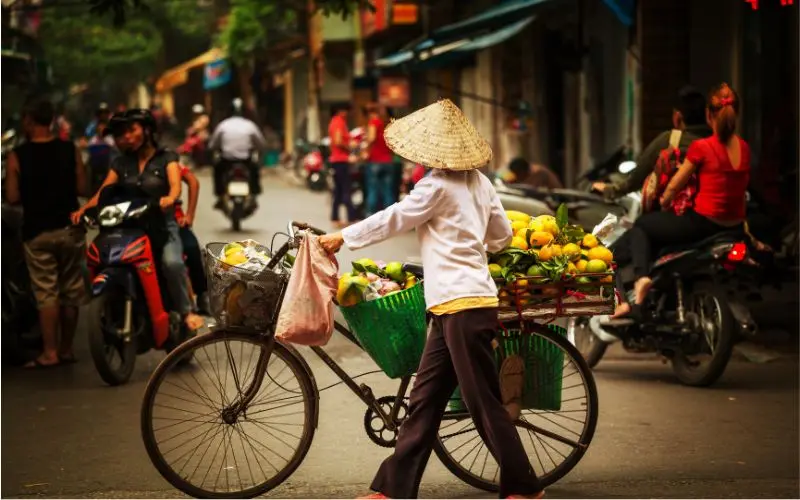
Hanoi Old Quarter is the perfect place to experience the energy and culture of Vietnam’s capital city. The narrow streets are filled with historic buildings, local markets, small cafés, street food stalls, and the sounds of daily life.
One of the best things to do in Hanoi is simply walk around the Old Quarter and explore at your own pace. Stop by Hoan Kiem Lake, visit the beautiful temples, admire the French colonial architecture, and enjoy the lively atmosphere that makes Hanoi unique.
Food lovers will especially enjoy this area. Try classic Vietnamese dishes like pho, bun cha, fresh spring rolls, and the famous Vietnamese egg coffee. The small street-side restaurants may look simple, but many serve some of the best food in the city.
The Old Quarter is also a great place for shopping, photography, and discovering hidden cafés tucked away above busy streets.
Traveler Tip: Visit early in the morning to see Hanoi’s local life before the streets become busy, then return in the evening for the best food and atmosphere.
Read Also:
- Hanoi Travel Guide: Best Things to do and See
- Cheapest Countries in Asia to Travel
- 10 Safest Countries in Asia to visit
- Most Beautiful Asian Countries You Should Visit Once
4. Experience Vietnamese Street Food
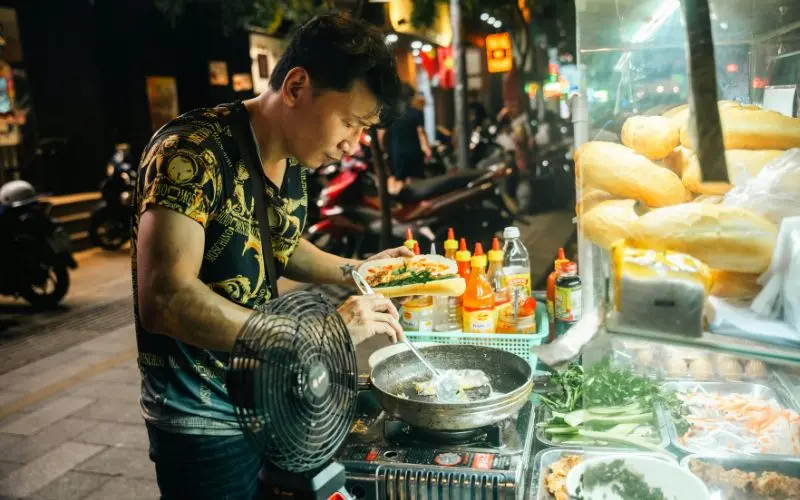
Trying Vietnamese street food is one of the best things to do in Vietnam. Food is a huge part of the country’s culture, and some of the most memorable meals are found at small local stalls, busy markets, and tiny street-side restaurants.
Start with Vietnam’s famous dishes like pho, a flavorful noodle soup usually enjoyed for breakfast, and banh mi, a crispy baguette filled with meat, vegetables, herbs, and sauces. You should also try bun cha, banh xeo, and regional specialties that change depending on where you travel.
Each region has its own food style. Northern Vietnam is known for lighter flavors, central Vietnam offers bold and spicy dishes, while the south is famous for sweeter and more tropical flavors.
A great way to discover local cuisine is by joining a food tour or simply following the crowds. Busy stalls filled with locals are usually a good sign.
Traveler Tip: Don’t only eat at restaurants. Some of the best Vietnamese food experiences happen on small plastic stools on the street.
5. Visit the Golden Bridge in Da Nang
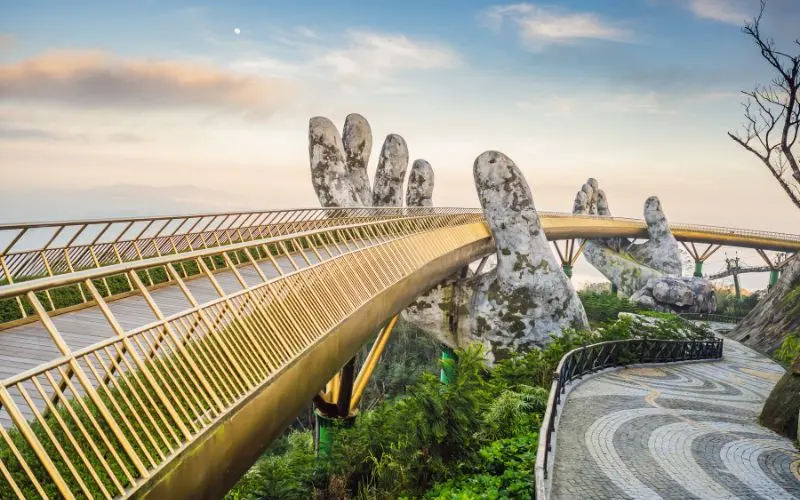
The Golden Bridge in Da Nang is one of the most recognizable attractions in Vietnam. Located inside Ba Na Hills, this unique pedestrian bridge is famous for its giant stone-like hands holding the walkway above the mountains.
The bridge offers incredible views of the surrounding forests and is one of the most photographed places in Vietnam. The journey to reach it is also part of the experience, as you take one of the world’s longest cable car rides up to Ba Na Hills.
Besides the Golden Bridge, visitors can explore the French-style village, gardens, viewpoints, and other attractions around the mountain resort.
While Ba Na Hills can get crowded, visiting early gives you a better chance to enjoy the bridge and take photos with fewer people around.
Traveler Tip: Go early in the morning or later in the afternoon for cooler weather and smaller crowds.
6. Drive Along the Hai Van Pass
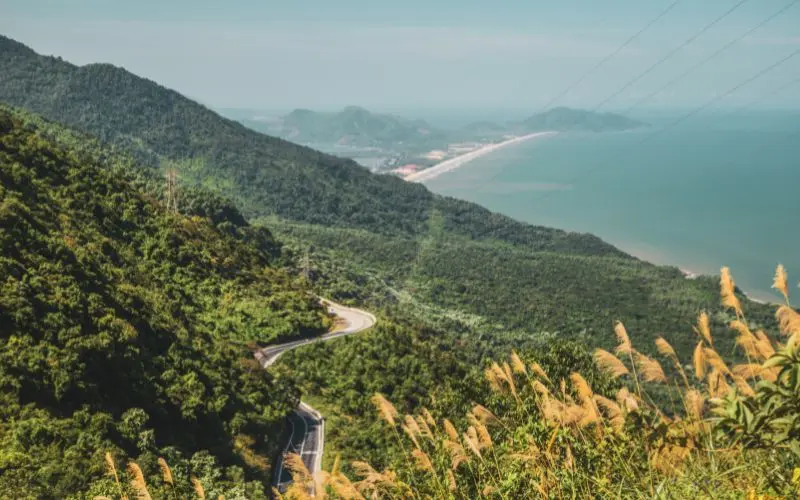
The Hai Van Pass is one of the most scenic road trips in Vietnam and a favorite experience for adventure lovers. This winding mountain road connects Da Nang and Hue, offering breathtaking views of the coastline, green hills, and the blue waters below.
The journey is famous for its dramatic landscapes, especially when you reach the highest points of the pass where you can stop for photos and enjoy panoramic views. Many travelers choose to ride a motorbike, but you can also take a private car or guided tour if you prefer a more comfortable option.
Along the way, you’ll find small viewpoints, local cafés, and peaceful stops where you can enjoy the scenery. The drive is not just about reaching the destination, the journey itself is the highlight.
Traveler Tip: Start early in the day for better weather and clearer views. Always check conditions before riding because mountain roads can become challenging during rainy weather.
7. Explore Phong Nha-Ke Bang National Park
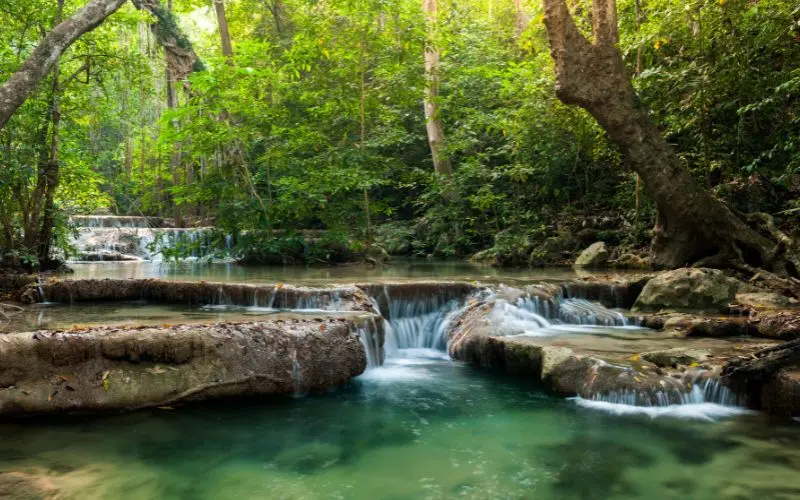
Phong Nha-Ke Bang National Park is one of the most incredible natural attractions in Vietnam and a paradise for nature lovers. This UNESCO World Heritage Site is famous for its massive cave systems, underground rivers, limestone mountains, and lush jungle scenery.
The park is home to some of the world’s largest caves, including Son Doong Cave, along with other impressive caves that are easier to visit, such as Phong Nha Cave and Paradise Cave.
Beyond caves, you can enjoy jungle trekking, kayaking, wildlife spotting, and adventurous tours through the park. The peaceful countryside around Phong Nha also makes it a great place to slow down and experience a different side of Vietnam.
For travelers who love outdoor adventures, this is easily one of the best places to add to a Vietnam itinerary.
Traveler Tip: Spend at least two days here to explore the caves and enjoy the national park without rushing.
8. Discover the Imperial City of Hue
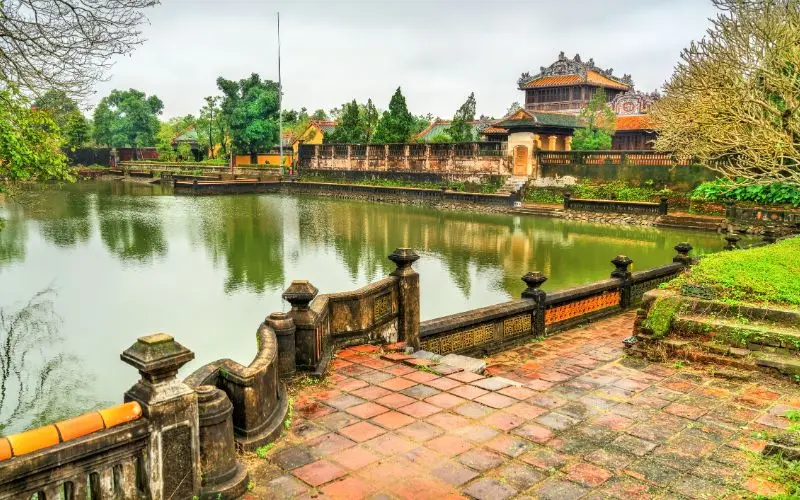
The Imperial City of Hue is one of the most important historical attractions in Vietnam. Once the capital of the Nguyen Dynasty, this massive royal complex gives you a glimpse into the country’s past through ancient temples, palaces, gates, and peaceful gardens.
Walking through the Imperial City feels like stepping back in time. Explore the impressive Ngo Mon Gate, visit the royal courtyards, admire traditional Vietnamese architecture, and learn about the history of the emperors who ruled here.
Hue is also known for its unique food culture. After exploring the historic sites, try local specialties like bun bo Hue, a spicy beef noodle soup that originated in the city.
The Imperial City is large, so take your time to explore instead of rushing through. It is one of the best places in Vietnam for travelers who enjoy history, culture, and photography.
Traveler Tip: Visit early in the morning to avoid the heat and crowds. Wear comfortable shoes because you’ll do a lot of walking.
9. Trek Through Sapa Rice Terraces
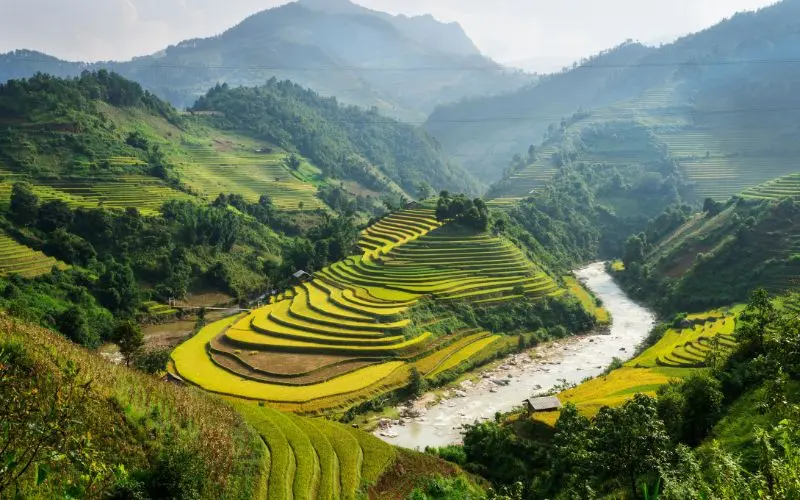
Sapa is one of the most beautiful mountain destinations in Vietnam, famous for its endless rice terraces, misty landscapes, and traditional villages. Located in northern Vietnam, this region offers a completely different experience from the busy cities.
One of the best things to do in Sapa is trekking through the countryside. The trails take you through green rice fields, mountain valleys, and small villages where you can meet local communities and experience a slower way of life.
Many travelers choose to stay in a homestay, which is a great way to enjoy local food, learn about traditions, and see everyday life in the mountains.
The scenery changes with the seasons, making Sapa beautiful throughout the year. The rice fields are especially stunning during harvest season when the mountains turn golden.
Traveler Tip: Bring comfortable walking shoes and a light jacket because Sapa can be cooler than other parts of Vietnam, even when the cities are warm.
10. Experience the Ha Giang Loop
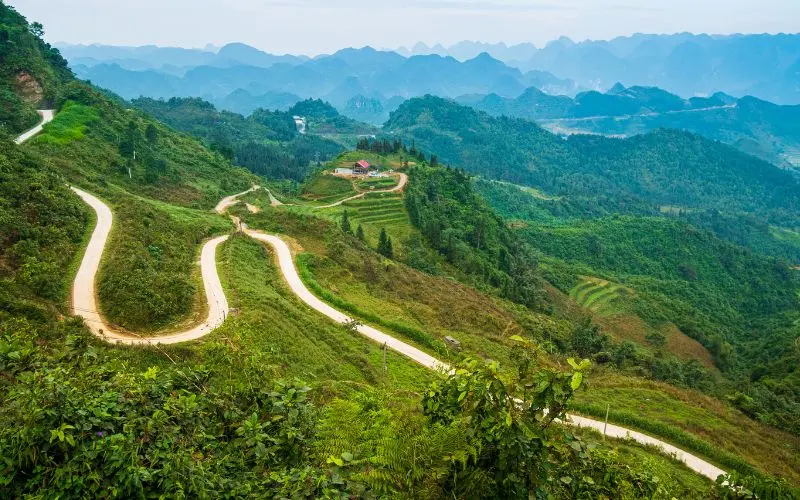
The Ha Giang Loop is one of the most unforgettable adventures you can have in Vietnam. Located in the far north near the Chinese border, this scenic route is famous for dramatic mountain roads, deep valleys, winding passes, and some of the country’s most breathtaking landscapes.
The journey takes you through remote villages, traditional communities, and viewpoints that look completely different from the busy tourist areas. Many travelers explore the loop by motorbike, but you can also join a guided tour with a local driver if you want to enjoy the scenery without handling the roads yourself.
Along the way, you’ll see colorful markets, meet local people, and stay in family-run homestays where you can experience authentic Vietnamese hospitality.
The Ha Giang Loop is not just about the views — it’s about the feeling of adventure and discovering a quieter side of Vietnam.
Traveler Tip: Plan at least 3–4 days for the loop. The roads can be challenging, so choose a guided option if you are not an experienced rider.
11. Take a Boat Ride in Ninh Binh
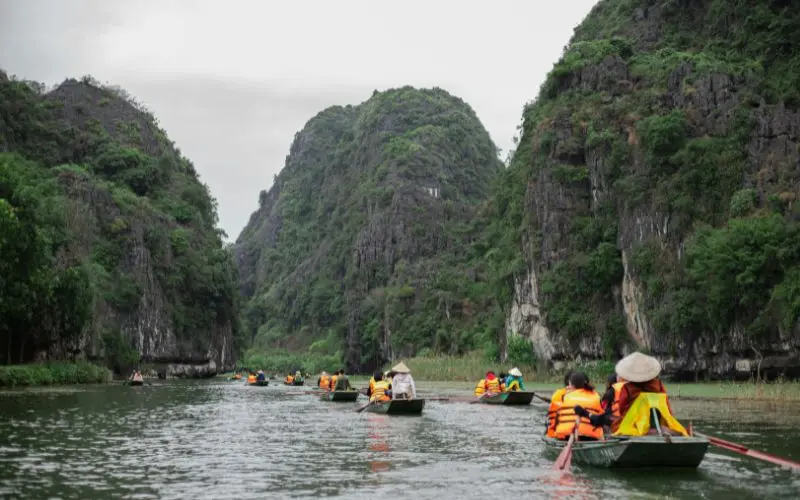
Ninh Binh is often called the “Ha Long Bay on land” because of its dramatic limestone mountains, peaceful rivers, and beautiful countryside scenery. It is one of the best places to visit in Vietnam for travelers who love nature and photography.
One of the top experiences here is taking a boat ride through Trang An or Tam Coc, where you’ll travel between towering cliffs, green rice fields, and quiet caves. The calm surroundings make it a relaxing escape from Vietnam’s busy cities.
Besides the boat rides, you can explore ancient temples, cycle through villages, and hike up to viewpoints like Hang Mua Peak for amazing panoramic views.
Ninh Binh is a perfect mix of adventure, culture, and natural beauty, making it one of the must-see destinations in Vietnam.
Traveler Tip: Visit early in the morning or around sunset for cooler weather and beautiful lighting for photos.
12. Hike to the Hang Mua Viewpoint
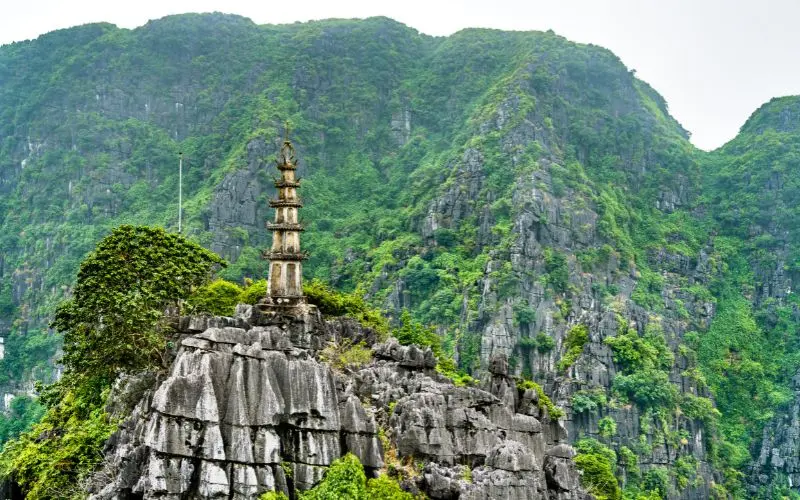
If you want one of the best panoramic views in Vietnam, make sure to visit Hang Mua Viewpoint in Ninh Binh. After climbing nearly 500 stone steps, you’ll be rewarded with breathtaking views of limestone mountains, winding rivers, and lush rice fields stretching across the countryside.
The hike is moderately challenging, but the scenery at the top makes every step worthwhile. The iconic stone dragon statue and pagoda are popular photo spots, while the viewpoint offers incredible views in every direction.
Because Hang Mua is located close to Trang An and Tam Coc, it’s easy to combine these attractions into a full-day trip. Whether you’re a photographer or simply want to enjoy Vietnam’s natural beauty, this is one of the country’s most rewarding viewpoints.
Traveler Tip: Visit around sunrise or late afternoon to avoid the midday heat and capture the best photos.
13. Visit My Son Sanctuary
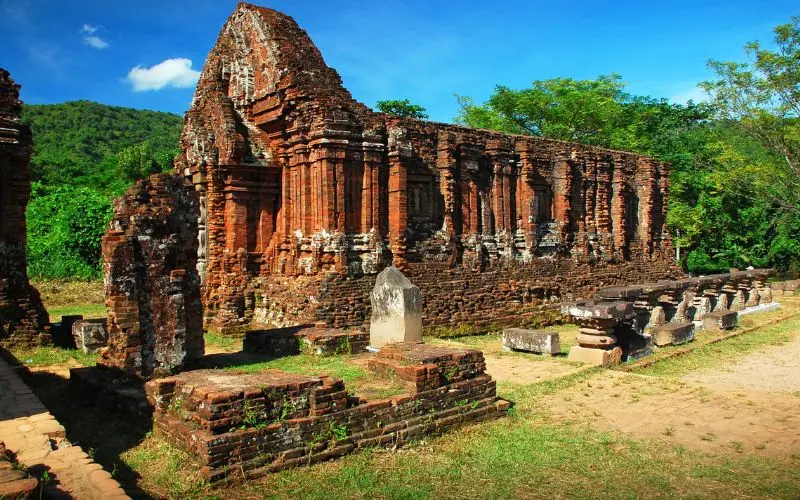
My Son Sanctuary is one of Vietnam’s most fascinating archaeological sites and a UNESCO World Heritage Site. Hidden in a lush valley near Hoi An, this ancient temple complex was built between the 4th and 13th centuries by the Champa Kingdom and remains one of Southeast Asia’s most important historical landmarks.
As you walk through the red-brick temple ruins, you’ll discover intricate carvings, centuries-old towers, and peaceful surroundings that tell the story of Vietnam’s rich cultural heritage. Although parts of the site were damaged during the Vietnam War, many temples have been carefully preserved and restored.
A visit to My Son Sanctuary offers a quieter experience than many of Vietnam’s popular attractions, making it an excellent choice for travelers interested in history, architecture, and photography.
Traveler Tip: Arrive early in the morning to enjoy cooler temperatures, smaller crowds, and better lighting for photos. Consider combining your visit with a half-day trip from Hoi An.
14. Relax on Phu Quoc Island
If you’re looking for beautiful beaches and crystal-clear water, Phu Quoc Island is one of the best places to visit in Vietnam. Located off the country’s southern coast, this tropical island is known for its white-sand beaches, luxury resorts, vibrant sunsets, and laid-back atmosphere.
Spend your days swimming, snorkeling, kayaking, or simply relaxing under the palm trees. Popular beaches like Long Beach, Sao Beach, and Khem Beach offer soft sand and calm waters, making them perfect for couples, families, and solo travelers alike.
Beyond the beaches, you can explore local fishing villages, visit the famous night market, discover pepper farms, or enjoy some of the island’s freshest seafood. Whether you’re planning a romantic getaway or a relaxing break after exploring Vietnam’s cities, Phu Quoc delivers the perfect island escape.
Traveler Tip: Visit during the dry season (November to April) for sunny weather and calm seas. Don’t miss watching the sunset from Long Beach—it’s one of the island’s highlights.
15. Ride the World’s Longest Three-Wire Cable Car in Phu Quoc
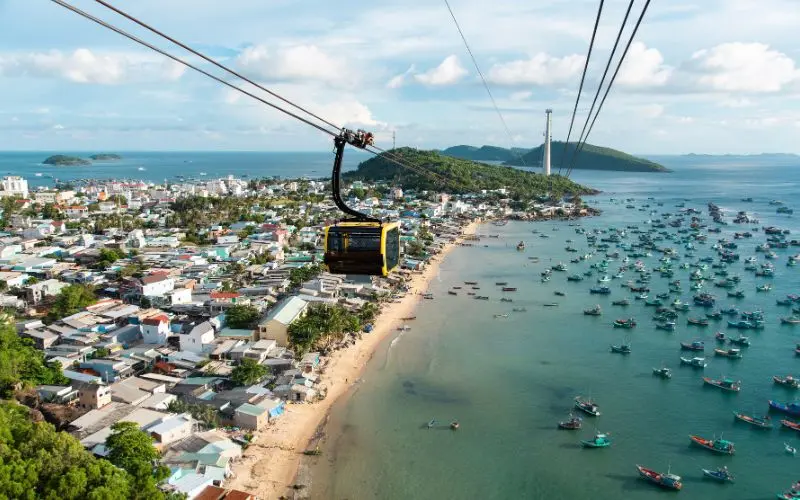
One of the most unique things to do in Vietnam is riding the Phu Quoc Cable Car, which holds the record as the world’s longest three-wire sea cable car. The journey stretches nearly 8 kilometers across the ocean, offering spectacular views of turquoise water, small islands, and colorful fishing boats below.
The cable car connects An Thoi Town with Hon Thom (Pineapple Island), where you’ll find beautiful beaches, water activities, and Sun World Hon Thom Nature Park. The ride itself lasts around 15 minutes, making it one of the island’s top attractions.
Even if you don’t plan to spend the entire day at the island, the panoramic views from the cable car alone make the experience worthwhile. Bring your camera—you’ll have plenty of opportunities to capture some of Vietnam’s most impressive coastal scenery.
Traveler Tip: Choose a morning ride for the clearest views and fewer crowds. If you’re visiting the water park, arrive early to enjoy the attractions before they get busy.
16. Explore Ho Chi Minh City
Ho Chi Minh City is Vietnam’s largest city and a place where history, modern life, and local culture come together. Formerly known as Saigon, this busy city is filled with historic landmarks, colorful markets, rooftop views, and some of the best food experiences in the country.
Start your visit by exploring famous attractions like the War Remnants Museum, Independence Palace, and the beautiful French colonial buildings around the city center. For an authentic local experience, spend some time at Ben Thanh Market. It’s the perfect place to pick up souvenirs, try traditional Vietnamese street food, and enjoy the lively atmosphere loved by both locals and visitors.
The city is also known for its incredible café culture and nightlife. Spend an afternoon discovering hidden coffee shops, enjoy Vietnamese iced coffee, or head to a rooftop bar for views over the city skyline.
Ho Chi Minh City is fast-paced and chaotic, but that is part of its charm. It is a destination that shows the modern side of Vietnam while still keeping its traditions alive.
Traveler Tip: The city is huge, so plan your sightseeing by neighborhoods to avoid spending too much time in traffic.
17. Explore the Cu Chi Tunnels
The Cu Chi Tunnels are one of the most unique historical attractions in Vietnam. Located outside Ho Chi Minh City, this underground tunnel network played an important role during the Vietnam War and gives visitors a closer look at the country’s history.
The tunnels stretch for hundreds of kilometers and were used as hiding places, living areas, supply routes, and communication paths. During your visit, you can explore parts of the tunnels, learn about the difficult conditions people lived through, and see displays showing how the underground system worked.
A trip to Cu Chi is not only about history, it is also an opportunity to understand Vietnam’s resilience and the experiences that shaped the country.
Traveler Tip: The tunnels can feel narrow and challenging, so choose the larger sections if you are uncomfortable with tight spaces. Visit early in the day for a more comfortable experience.
18. Ride Through the Mekong Delta
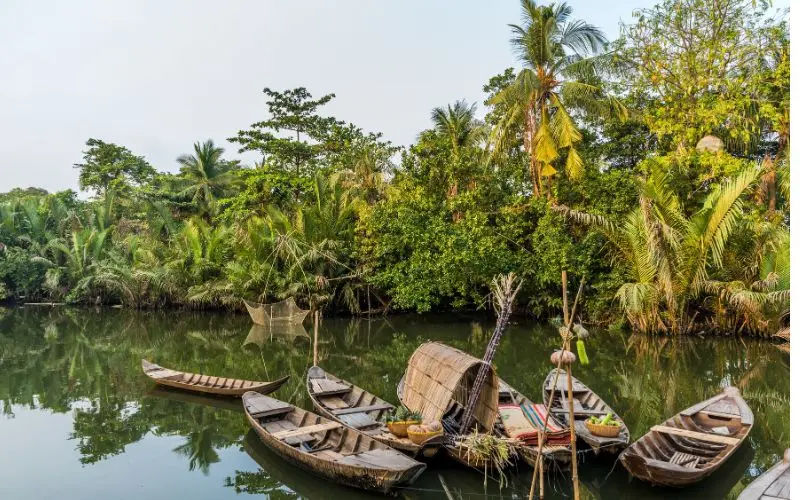
The Mekong Delta reveals a completely different side of Vietnam. Known as the country’s “Rice Bowl,” this vast network of rivers, canals, and islands is home to floating markets, fruit orchards, traditional villages, and peaceful waterways.
One of the best ways to explore the delta is by taking a small boat through the narrow canals lined with coconut palms. Along the way, you can visit local workshops, sample tropical fruits, watch traditional crafts being made, and experience the slower pace of life that makes this region so special.
If you’re lucky enough to visit an authentic floating market early in the morning, you’ll see boats loaded with fresh produce, creating one of Vietnam’s most colorful and unique shopping experiences.
The Mekong Delta is perfect for travelers who want to experience local culture beyond the country’s famous cities and beaches.
Traveler Tip: Start your tour before sunrise to visit floating markets at their busiest and enjoy cooler temperatures.
19. Discover Da Lat’s Cool Climate and Waterfalls
Surrounded by pine forests and rolling hills, Da Lat is unlike anywhere else in Vietnam. Thanks to its higher elevation, the city enjoys cool temperatures year-round, making it a refreshing escape from the tropical heat.
Da Lat is famous for its beautiful waterfalls, flower gardens, coffee plantations, and scenic mountain views. Visit attractions like Datanla Waterfall, stroll around Xuan Huong Lake, or take a ride on the historic Da Lat Railway Station. Adventure lovers can also enjoy canyoning, mountain biking, and hiking through the surrounding countryside.
The city is equally popular with coffee lovers. Spend time at one of Da Lat’s cafés to enjoy locally grown Vietnamese coffee while taking in the peaceful atmosphere.
Whether you’re looking for outdoor adventures or a relaxing mountain retreat, Da Lat deserves a place on every Vietnam itinerary.
Traveler Tip: Pack a light jacket, especially if you’re visiting in the evening, as temperatures are much cooler than in most parts of Vietnam.
20. Watch the Dragon Bridge Fire and Water Show
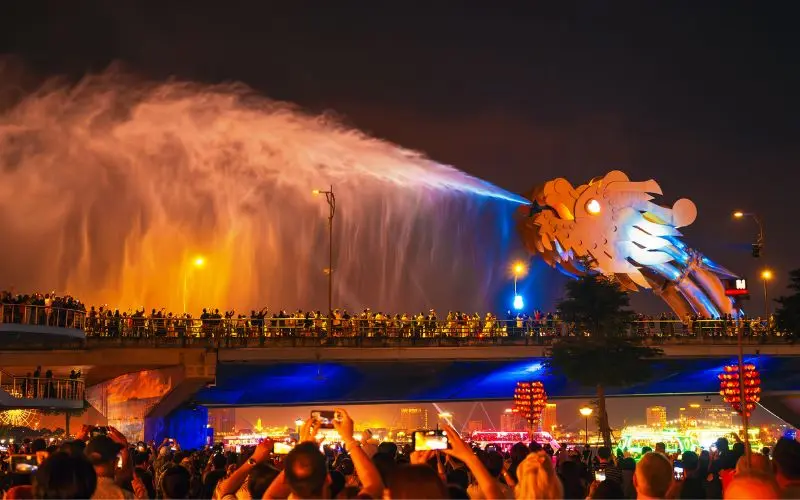
No trip to Da Nang is complete without seeing the famous Dragon Bridge Fire and Water Show. Stretching across the Han River, this impressive dragon-shaped bridge is one of Vietnam’s most recognizable landmarks and becomes the center of attention every weekend evening.
At the scheduled showtime, the dragon breathes bursts of fire followed by streams of water, creating a spectacular display that attracts both locals and visitors. The atmosphere around the bridge is lively, with families, street performers, and food vendors adding to the excitement.
Before the show, take a walk along the Han River promenade, enjoy dinner at a nearby restaurant, or relax at a riverside café while watching the city lights reflect on the water. It’s a great way to experience Da Nang after dark and end your day on a memorable note.
Traveler Tip: Arrive at least 30–45 minutes early to secure a good viewing spot. The bridge usually hosts the fire and water show on Friday, Saturday, and Sunday evenings, but always check the latest schedule before your visit.
Best Time to Visit Vietnam
Vietnam is a year-round destination, but the best time to visit depends on which regions you plan to explore. Because the country stretches from north to south, the weather can be completely different between cities.
For most travelers, November to April is the best overall time to visit Vietnam. During these months, many areas enjoy pleasant weather, making it easier to explore cities, beaches, mountains, and outdoor attractions.
Northern Vietnam (Hanoi, Sapa, Ha Long Bay) is best from October to April when the weather is cooler and less humid.
Central Vietnam (Hoi An, Da Nang, Hue) is ideal from February to August for sunny days and beach trips.
Southern Vietnam (Ho Chi Minh City, Mekong Delta, Phu Quoc) is usually best from November to April during the dry season.
The rainy season does not mean you should avoid Vietnam completely. Some regions still offer amazing experiences, and you’ll often find fewer crowds and better prices.
Traveler Tip: If you’re visiting multiple regions, plan your route around the weather instead of choosing only one season for the entire country.