20 Most Beautiful UNESCO World Heritage Sites in the World (Travel Guide)
Published: 23 Jun 2026
The world is home to thousands of remarkable places, but UNESCO World Heritage Sites stand apart as destinations recognized for their outstanding cultural, historical, or natural importance. These protected sites are found across every continent, from ancient cities in Asia and the Middle East to dramatic landscapes in Africa, Europe, and the Americas.
Some of the world’s most famous UNESCO sites include Machu Picchu in Peru, Petra in Jordan, Angkor Wat in Cambodia, the Taj Mahal in India, and the Great Barrier Reef in Australia. Each one tells a different story through ancient civilizations, unique architecture, wildlife, or landscapes shaped by nature over millions of years.
In this guide, we explore the most beautiful UNESCO World Heritage Sites in the world, including historic landmarks, natural wonders, and cultural treasures worth adding to your travel bucket list.
Quick Facts About UNESCO World Heritage Sites
- What is a UNESCO World Heritage Site?
A UNESCO World Heritage Site is a place recognized for its outstanding cultural, historical, scientific, or natural importance and protected for future generations. - How many UNESCO World Heritage Sites are there?
There are more than 1,000 UNESCO World Heritage Sites around the world, including cultural landmarks, natural wonders, and mixed heritage locations. - Types of UNESCO sites:
UNESCO sites are mainly divided into three categories: cultural sites, natural sites, and mixed sites that combine both. - Famous UNESCO World Heritage Sites:
Some of the most well-known examples include Machu Picchu in Peru, Petra in Jordan, Angkor Wat in Cambodia, the Taj Mahal in India, and the Great Barrier Reef in Australia. - Countries with many UNESCO sites:
Countries across Europe, Asia, and the Americas have large numbers of UNESCO-listed places, reflecting their rich history, architecture, and natural landscapes.
How We Selected These UNESCO World Heritage Sites
This list highlights some of the most remarkable UNESCO World Heritage Sites around the world, chosen for their cultural importance, natural beauty, historical value, and unique visitor experience.
The selection includes both cultural heritage sites and natural world heritage sites recognized by UNESCO for their outstanding universal value.
We considered:
- UNESCO recognition and global importance
- Historical and cultural significance
- Natural landscapes and biodiversity
- Unique experiences for travelers
This is not an official UNESCO ranking, but a curated list of destinations that showcase the diversity and wonder of world heritage sites.
20 Most Beautiful UNESCO World Heritage Sites in the World
| Rank | UNESCO Site | Country | Type |
|---|---|---|---|
| 1 | Machu Picchu | Peru | Cultural Heritage |
| 2 | Petra | Jordan | Cultural Heritage |
| 3 | Angkor Wat | Cambodia | Cultural Heritage |
| 4 | Taj Mahal | India | Cultural Heritage |
| 5 | Acropolis of Athens | Greece | Cultural Heritage |
| 6 | Colosseum & Historic Centre of Rome | Italy | Cultural Heritage |
| 7 | Historic Monuments of Ancient Kyoto | Japan | Cultural Heritage |
| 8 | Historic Centre of Prague | Czech Republic | Cultural Heritage |
| 9 | Great Wall of China | China | Cultural Heritage |
| 10 | Pyramids of Giza | Egypt | Cultural Heritage |
| 11 | Great Barrier Reef | Australia | Natural Heritage |
| 12 | Ha Long Bay | Vietnam | Natural Heritage |
| 13 | Serengeti National Park | Tanzania | Natural Heritage |
| 14 | Grand Canyon National Park | USA | Natural Heritage |
| 15 | Galápagos Islands | Ecuador | Natural Heritage |
| 16 | Canadian Rocky Mountain Parks (Banff) | Canada | Natural Heritage |
| 17 | Yellowstone National Park | USA | Natural Heritage |
| 18 | Komodo National Park | Indonesia | Natural Heritage |
| 19 | Iguazu Falls | Argentina & Brazil | Natural Heritage |
| 20 | Sundarbans | India & Bangladesh | Natural Heritage |
1. Machu Picchu, Peru
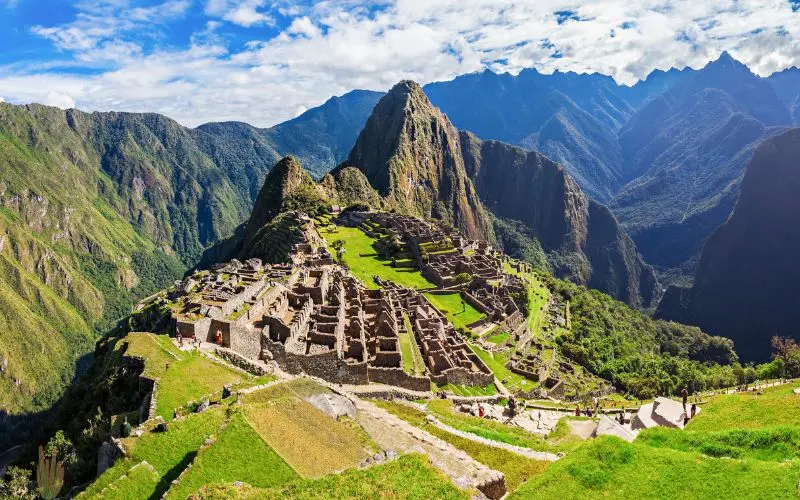
UNESCO Category: Cultural Heritage Site | Inscribed: 1983
High in the Andes Mountains of Peru, Machu Picchu is one of the most famous UNESCO World Heritage Sites in the world. Built by the Inca civilization during the 15th century, this ancient mountain citadel remains one of the greatest examples of architecture, engineering, and human adaptation.
Machu Picchu was created with remarkable precision, featuring stone temples, agricultural terraces, and carefully designed pathways that follow the natural shape of the mountains. UNESCO recognizes the site for its exceptional cultural value and the way the Inca people created a settlement that blends naturally with the surrounding landscape.
The experience of visiting Machu Picchu goes beyond seeing ancient ruins. The journey through the Sacred Valley reveals dramatic mountain scenery, while the first view of the citadel surrounded by clouds and green peaks shows why it is considered one of the world’s most unforgettable heritage destinations.
Best Time to Visit: Best months to visit Machu Picchu is from May to September, when clearer skies provide better views of the Andes.
UNESCO Highlight: Machu Picchu represents the incredible achievements of the Inca civilization, combining advanced construction techniques with a deep connection to nature.
Read Also:
2. Petra, Jordan

UNESCO Category: Cultural Heritage Site | Inscribed: 1985
Located in southern Jordan, Petra was the capital of the Nabataean Kingdom and one of the most important trading centers in the ancient Middle East. The city is best known for its rock-cut architecture, with tombs, temples, and monuments carved directly into sandstone cliffs.
UNESCO inscribed Petra on the World Heritage List in 1985, recognizing its exceptional cultural significance and its unique combination of architecture, engineering, and archaeological heritage. Today, it remains one of Jordan’s most visited attractions and a symbol of the country’s rich history.
Visitors enter Petra through the Siq, a narrow canyon that leads to the Treasury before opening into a vast archaeological landscape filled with ancient pathways, royal tombs, and ceremonial structures. Exploring beyond the Treasury reveals the true scale of a city that once connected major trade routes across the region.
Best Time to Visit: March to May and September to November.
UNESCO Highlight: Petra showcases the remarkable achievements of the Nabataean civilization, which transformed a desert landscape into a thriving cultural and commercial center.
3. Angkor Wat, Cambodia
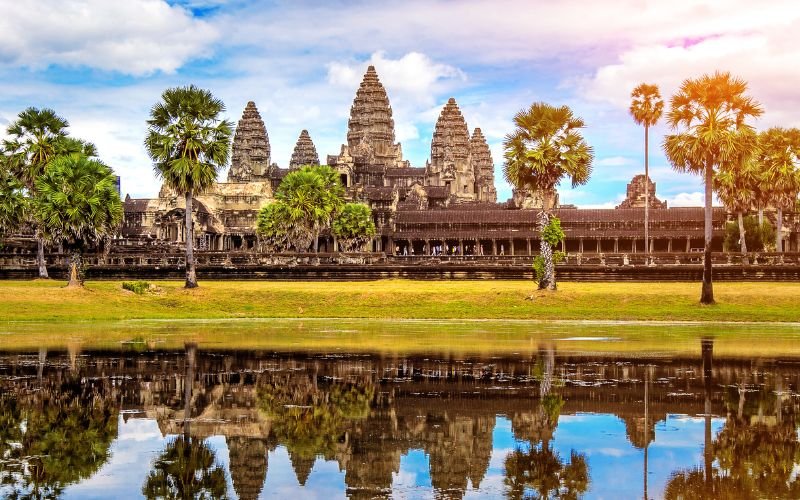
UNESCO Category: Cultural Heritage Site | Inscribed: 1992
Built in northwestern Cambodia, Angkor Wat is a magnificent temple complex that represents the grandeur and architectural achievements of the Khmer Empire. Originally built in the early 12th century as a Hindu temple dedicated to Vishnu, it later became an important Buddhist site and remains a powerful symbol of Cambodian heritage.
UNESCO added Angkor to the World Heritage List in 1992 because of its outstanding cultural value and the remarkable achievements of the Khmer Empire. The site is known for its grand scale, intricate bas-reliefs, and sophisticated architectural design, reflecting one of Southeast Asia’s greatest civilizations.
While Angkor Wat is the centerpiece, the wider archaeological park contains dozens of temples, reservoirs, and ancient urban remains spread across a vast landscape. Discovering Bayon and Ta Prohm gives you a deeper appreciation of the Khmer Empire’s immense scale and historical legacy.
Best Time to Visit: November to March, when temperatures are more comfortable and rainfall is lower.
UNESCO Highlight: Angkor preserves one of the world’s most important collections of Khmer architecture and showcases the cultural, artistic, and engineering achievements of a powerful ancient empire.
4. Taj Mahal, India
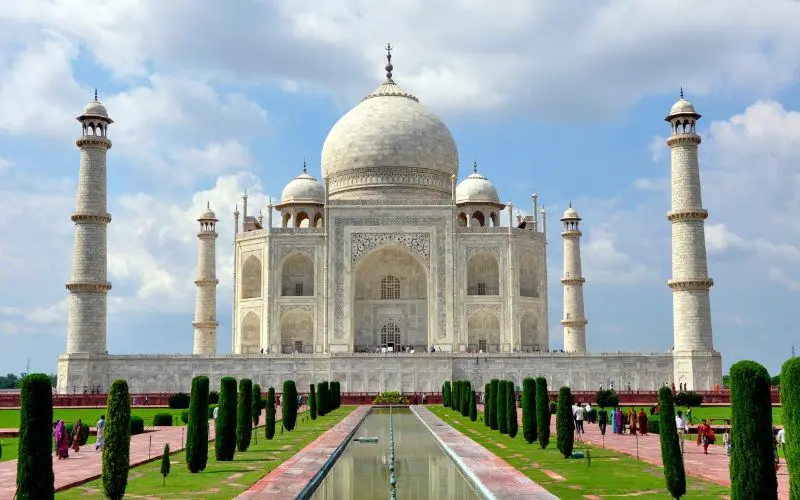
UNESCO Category: Cultural Heritage Site | Inscribed: 1983
Located in Agra, India, the Taj Mahal is one of the greatest examples of Mughal architecture and a landmark recognized around the world. Built in the 17th century by Mughal emperor Shah Jahan, the monument was created as a mausoleum for his wife Mumtaz Mahal and represents one of the most refined achievements of Indian architectural history.
UNESCO added the Taj Mahal to the World Heritage List in 1983 for its exceptional artistic value and architectural importance. The monument combines Persian, Islamic, and Indian design influences, with its white marble structure, symmetrical gardens, domes and detailed inlay work creating a carefully balanced masterpiece.
The experience of visiting the Taj Mahal changes throughout the day as light shifts across the marble surface. Beyond the main mausoleum, the surrounding complex includes reflecting pools, gateways, gardens, and other structures that show the careful planning behind the entire site.
Best Time to Visit: October to March, when temperatures are cooler and visibility is usually better.
UNESCO Highlight: The Taj Mahal represents the highest achievement of Mughal architecture, combining artistic design, engineering, and cultural influences into a single monument.
Read:
5. Acropolis of Athens, Greece

UNESCO Category: Cultural Heritage Site | Inscribed: 1987
Standing above the city of Athens, the Acropolis is one of the most important surviving landmarks of ancient Greece and a powerful symbol of classical civilization. The hilltop complex contains temples and monuments that reflect the artistic, architectural, and cultural achievements of ancient Greek society.
UNESCO added the Acropolis of Athens to the World Heritage List in 1987 because of its outstanding influence on architecture, art, and Western cultural history. The site is best known for the Parthenon, a temple dedicated to the goddess Athena and one of the greatest examples of ancient Greek architecture.
The Acropolis was more than a collection of buildings. It represented the religious and civic identity of ancient Athens, a city that played a major role in the development of democracy, philosophy, and the arts. The monuments show the precision and creativity of Greek builders, with carefully designed columns, sculptures, and proportions that influenced architecture for centuries.
Exploring the Acropolis offers views across modern Athens while connecting visitors with a civilization that shaped much of the world’s cultural heritage. Beyond the Parthenon, the site includes other important structures such as the Erechtheion and the Temple of Athena Nike, each revealing another layer of ancient Greek history.
Best Time to Visit: April to June and September to October, when the weather is comfortable for walking and sightseeing.
UNESCO Highlight: The Acropolis preserves some of the finest examples of classical Greek architecture and represents the cultural achievements of ancient Athens.
Read:
- Top Attractions in Athens, Greece: Must-See Places & Things to Do
- Most Underrated European Cities You Must Visit at Least Once
- Explore the Cheapest European Countries to Visit in July
6. Colosseum and Historic Centre of Rome, Italy
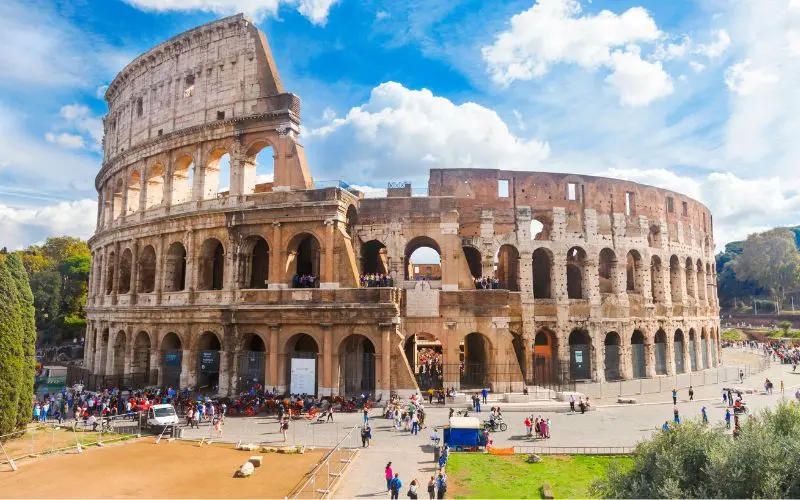
UNESCO Category: Cultural Heritage Site | Inscribed: 1980 (extended in 1990)
The historic heart of Rome preserves some of the greatest monuments of the ancient Roman world, with the Colosseum standing as its most recognizable symbol. This area represents centuries of history, from the rise of the Roman Empire to the development of one of Europe’s most influential cities.
UNESCO added the Historic Centre of Rome, the Properties of the Holy See, and San Paolo Fuori le Mura to the World Heritage List in 1980, recognizing the exceptional cultural and historical importance of the city’s monuments. The site includes ancient structures, religious buildings, and historic urban spaces that show Rome’s transformation across different eras.
Built in the 1st century AD, the Colosseum was the largest amphitheater of ancient Rome and could hold thousands of spectators for public events. Its advanced design, including multiple levels, entrances, and crowd management systems, demonstrates the engineering skills of Roman civilization.
Beyond the Colosseum, the historic centre of Rome contains layers of history at almost every corner. Ancient forums, temples, fountains, and Renaissance-era buildings exist alongside modern city life, creating a destination where different periods of European history come together.
A visit to Rome is not only about seeing individual monuments but understanding how one city became a center of politics, architecture, art, and culture for more than two thousand years.
Best Time to Visit: April to June and September to October, when temperatures are pleasant and walking through the historic areas is more comfortable.
UNESCO Highlight: Rome’s historic centre preserves an extraordinary collection of monuments that represent the cultural achievements of the Roman Empire and later European history.
Read Also:
7. Historic Monuments of Ancient Kyoto, Japan
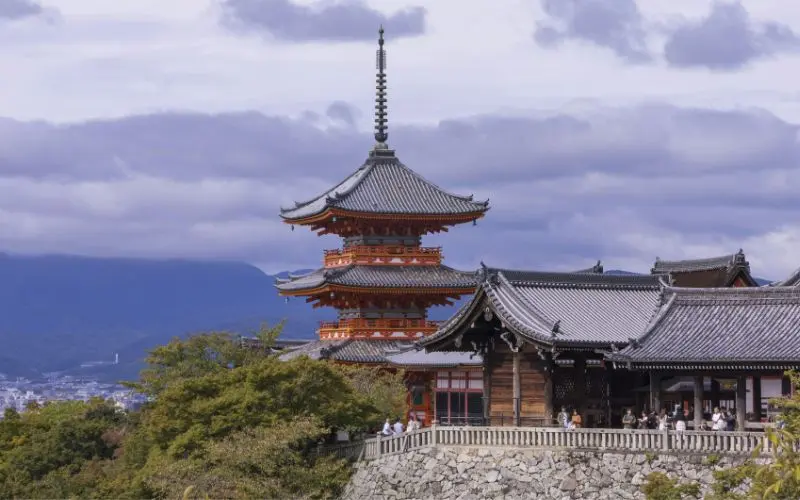
UNESCO Category: Cultural Heritage Site | Inscribed: 1994
Kyoto preserves some of Japan’s most important temples, shrines, and traditional gardens, offering a glimpse into centuries of Japanese culture and craftsmanship. Once the imperial capital of Japan, the city became a major center for religion, art, architecture, and traditional customs.
UNESCO added the Historic Monuments of Ancient Kyoto to the World Heritage List in 1994, recognizing the exceptional value of its Buddhist temples, Shinto shrines, and historic landscapes. The site includes 17 separate locations across Kyoto, Uji, and Otsu, each representing different periods of Japanese architectural development.
The beauty of Kyoto comes from the harmony between buildings and their surroundings. Wooden temple halls, carefully designed gardens, stone pathways, and natural landscapes were created according to traditional Japanese ideas of balance and simplicity. Many structures reflect centuries-old techniques that continue to influence Japanese architecture today.
Among the most famous sites are Kiyomizu-dera, known for its wooden terrace overlooking the city, and Kinkaku-ji (Golden Pavilion), recognized for its striking reflection over the surrounding pond. Together, these monuments show the connection between spirituality, nature, and design in Japanese heritage.
Exploring Kyoto feels like moving through different chapters of Japan’s history, where ancient traditions remain part of everyday life rather than existing only as museum pieces.
Best Time to Visit: March to May for cherry blossoms and October to November for colorful autumn scenery.
UNESCO Highlight: Kyoto protects some of the finest examples of Japanese religious architecture, gardens, and traditional cultural landscapes.
8. Historic Centre of Prague, Czech Republic

UNESCO Category: Cultural Heritage Site | Inscribed: 1992
Prague’s historic centre is one of Europe’s best-preserved urban heritage areas, known for its medieval streets, historic squares, castles, and architectural landmarks. The city combines centuries of European history within a compact area where Gothic, Renaissance, and Baroque influences appear side by side.
UNESCO added the Historic Centre of Prague to the World Heritage List in 1992 because of its exceptional architectural and cultural importance. The protected area includes the Old Town, Lesser Town, and Prague Castle, creating a remarkable collection of historic buildings and public spaces.
The city’s identity has been shaped by different periods of history. prague castle overlooks the city from above the Vltava River, while charles bridge connects historic districts and remains one of the most recognizable medieval bridges in Europe. The Old Town Square, with its historic buildings and astronomical clock, reflects Prague’s long role as a center of trade, politics, and culture.
What makes Prague special is the way its heritage blends into everyday life. Unlike some historical sites that exist separately from modern cities, Prague’s old streets, cafés, churches, and neighborhoods continue to function as part of the living city.
Best Time to Visit: April to June and September to October, when the weather is comfortable and the historic areas are easier to explore.
UNESCO Highlight: Prague preserves an outstanding medieval European cityscape with architecture representing centuries of cultural development.
9. Great Wall of China, China

UNESCO Category: Cultural Heritage Site | Inscribed: 1987
Stretching across mountains, deserts, and valleys in northern China, the Great Wall of China is one of the most impressive architectural achievements in human history. Built over centuries by different Chinese dynasties, the wall was created for defense, border control, and protection of ancient Chinese territories.
UNESCO added the Great Wall to the World Heritage List in 1987 because of its exceptional historical importance, remarkable engineering, and cultural significance. The structure reflects the organization, military strategies, and construction skills of ancient Chinese civilizations, with watchtowers, fortifications, and pathways following the natural landscape.
The Great Wall is not a single continuous structure but a collection of sections built during different periods, with some of the most famous areas located near Beijing. Sections like Mutianyu and Jinshanling offer breathtaking mountain views and allow visitors to experience the scale and beauty of this legendary landmark.
Walking along the Great Wall is a once-in-a-lifetime experience, where you can follow ancient pathways while surrounded by dramatic scenery. Beyond its defensive purpose, the wall represents centuries of history, innovation, and cultural identity.
Best Time to Visit: April to May and September to October, when the weather is comfortable for hiking and outdoor exploration.
UNESCO Highlight: The Great Wall represents one of the greatest examples of ancient military architecture and showcases the engineering achievements and historical legacy of Chinese civilization.
Read:
- Most Beautiful Countries in the World You Must Visit
- Things to Do in Beijing: Best Places to Visit and Tourist Attractions
10. Pyramids of Giza, Egypt
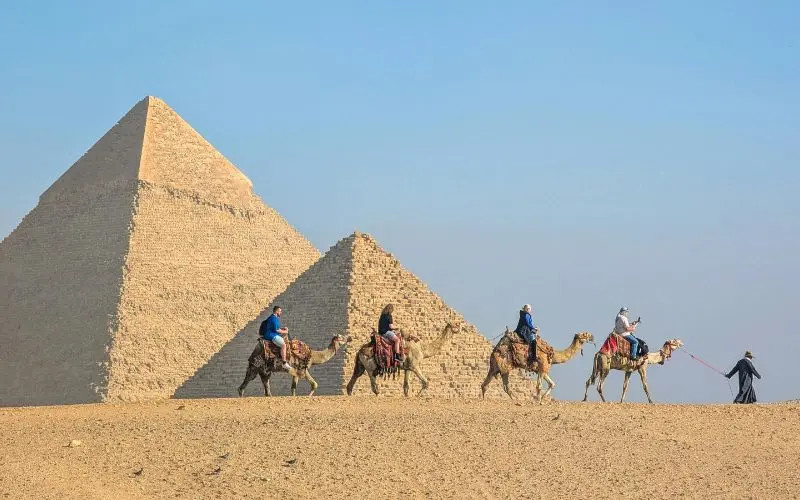
UNESCO Category: Cultural Heritage Site | Inscribed: 1979
The Pyramids of Giza stand as one of the greatest achievements of ancient Egyptian civilization and among the most beautiful places in the world. Built thousands of years ago on the edge of the Sahara Desert, these monumental structures continue to reveal the engineering skills, beliefs, and cultural traditions of ancient Egypt.
UNESCO added Memphis and its Necropolis, the Pyramid Fields from Giza to Dahshur to the World Heritage List in 1979, recognizing the exceptional historical and architectural importance of the site. The area includes the Great Pyramid of Khufu, the Pyramid of Khafre, the Pyramid of Menkaure, and the Great Sphinx.
Unlike many heritage sites that developed gradually, the Giza pyramids represent a carefully planned ancient complex built around religious beliefs and the idea of the afterlife. Their precise construction, massive limestone blocks, and alignment with the landscape continue to interest historians and visitors from around the world.
A visit to Giza offers more than a view of the pyramids themselves. The surrounding plateau provides different perspectives of the monuments, while the nearby Sphinx adds another layer to the history of this extraordinary archaeological site.
Best Time to Visit: October to April, when temperatures are more comfortable for exploring the desert plateau.
UNESCO Highlight: The Giza pyramid complex preserves some of the most important surviving monuments of ancient Egyptian civilization and represents a masterpiece of ancient engineering.
11. Great Barrier Reef, Australia
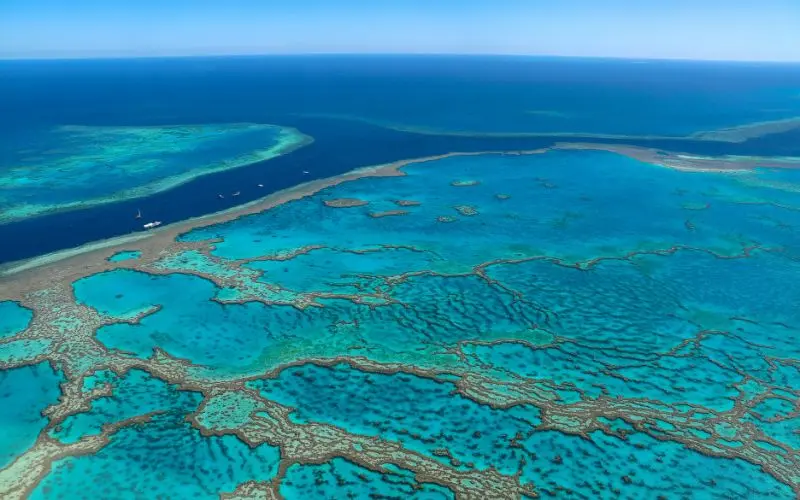
UNESCO Category: Natural Heritage Site | Inscribed: 1981
Stretching along the northeastern coast of Australia, the Great Barrier Reef is the largest coral reef system on Earth and one of the most important marine ecosystems in the world. With thousands of reefs and islands spread across the region, it supports one of the world’s most fascinating underwater ecosystems.
UNESCO added the Great Barrier Reef to the World Heritage List in 1981 because of its exceptional natural value, ecological importance, and remarkable marine life. The reef supports thousands of species, including colorful corals, sea turtles, fish, sharks, dolphins, and many other ocean creatures.
The reef offers a completely different experience from historic heritage sites. Travelers can explore it through snorkeling, diving, boat trips, and scenic flights that reveal the scale and patterns of coral formations from above. Its combination of natural beauty and ecological significance makes it one of the most important UNESCO natural World Heritage Sites to visit.
Best Time to Visit: June to October, when water conditions are generally clearer and weather is more comfortable.
UNESCO Highlight: The Great Barrier Reef is a globally significant natural treasure, preserving a vast underwater ecosystem filled with unique marine life.
Read:
12. Ha Long Bay, Vietnam

UNESCO Category: Natural Heritage Site | Inscribed: 1994
Ha Long Bay is a stunning coastal region in northeastern Vietnam, where towering limestone cliffs and islands emerge from calm, emerald-colored waters.. The bay has become one of Southeast Asia’s most recognizable natural landscapes, shaped over millions of years by geological processes and the forces of wind and water.
UNESCO added Ha Long Bay to the World Heritage List in 1994 because of its outstanding natural beauty and geological importance. The dramatic limestone pillars, hidden caves, and sheltered lagoons create a landscape that is both visually striking and scientifically significant.
Exploring Ha Long Bay is best experienced on the water, where travelers can move between islands, discover caves, and see floating communities surrounded by cliffs. Every moment brings a different view of the bay, with mist, sunlight, and reflections adding to its magical atmosphere.
Best Time to Visit: October to April, when the weather is cooler and conditions are generally better for cruising.
UNESCO Highlight: Ha Long Bay showcases one of the world’s most impressive examples of limestone karst landscapes shaped by nature over millions of years.
Read:
- Explore the Best Beaches of the World for Your Dream Vacation
- Top 10 Most Beautiful Asian Countries You Should Visit Once
- 20 Best Things to Do in Vietnam
13. Serengeti National Park, Tanzania
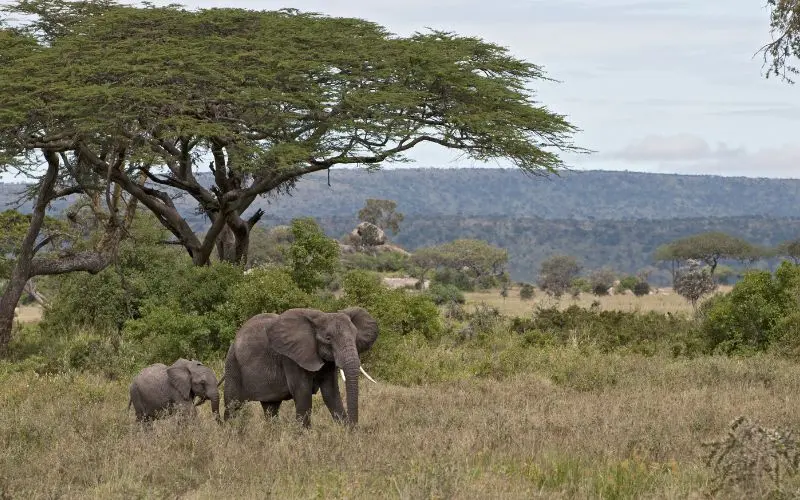
UNESCO Category: Natural Heritage Site | Inscribed: 1981
The Serengeti is one of the world’s most famous wildlife landscapes, known for its endless grasslands, diverse animal populations, and the spectacular movement of millions of animals across East Africa. This protected area has become a symbol of African wilderness and one of the most important natural heritage sites on the planet.
UNESCO added Serengeti National Park to the World Heritage List in 1981, recognizing its exceptional biodiversity and the ecological importance of its untouched habitats. The park is home to the Great Migration, where huge herds of wildebeest, zebras, and gazelles travel across the plains in a continuous search for food and water.
The landscape changes with every season. Wide open plains create perfect conditions for wildlife viewing, while rivers, woodlands, and rocky areas provide shelter for predators and other species. Lions, elephants, giraffes, cheetahs, and countless birds all form part of this complex natural ecosystem.
Best Time to Visit: June to October, when dry weather makes it easier to spot wildlife.
UNESCO Highlight: Serengeti protects one of the world’s largest remaining ecosystems and preserves a natural cycle of wildlife migration that has continued for thousands of years.
14. Grand Canyon National Park, USA
UNESCO Category: Natural Heritage Site | Inscribed: 1979
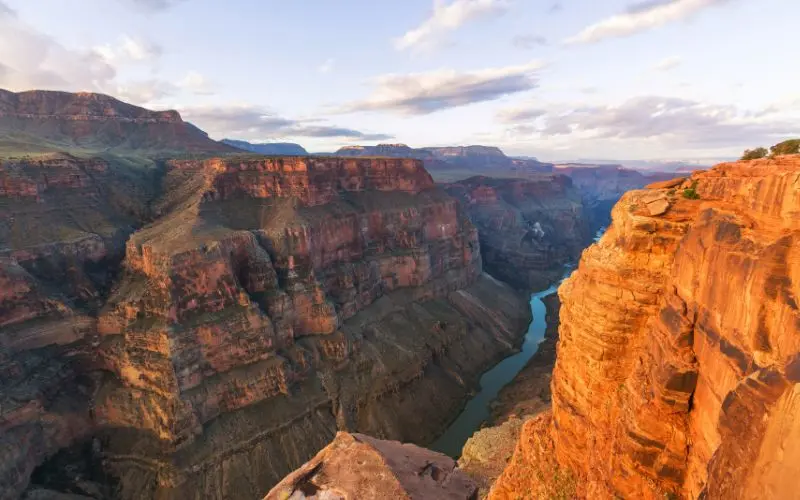
Carved through layers of rock in northern Arizona, the Grand Canyon is one of the world’s most extraordinary natural landscapes. The vast canyon reveals millions of years of geological history through its cliffs, valleys, and rock formations shaped by the Colorado River.
UNESCO added Grand Canyon National Park to the World Heritage List in 1979 because of its exceptional natural features, geological significance, and outstanding scenic value. The canyon stretches for hundreds of kilometers and exposes rock layers that tell the story of Earth’s changing landscapes over time.
The scale of the Grand Canyon is what makes it unforgettable. From the rim viewpoints, visitors can see deep ravines, colorful rock layers, and winding paths carved into the landscape. Different areas of the canyon offer completely different experiences, from sunrise views along the South Rim to hiking routes that descend into the inner canyon.
Beyond its famous viewpoints, the Grand Canyon is also home to diverse wildlife, desert ecosystems, and rare plant species adapted to the extreme environment. Its combination of natural beauty and scientific importance makes it one of the most significant UNESCO natural World Heritage Sites.
Best Time to Visit: March to May and September to November, when temperatures are milder and visibility is usually excellent.
UNESCO Highlight: The Grand Canyon protects one of the world’s greatest examples of geological history and demonstrates the powerful effects of natural forces over millions of years.
Read:
- Best National Parks in the USA: Top 10 Greatest Parks to Visit
- Top 10 Beaches in United States for Your Next Beach Vacation
- Most Beautiful Mountains in the World
15. Galápagos Islands, Ecuador
UNESCO Category: Natural Heritage Site | Inscribed: 1978
The Galápagos Islands are one of the world’s most unique UNESCO World Heritage Sites, known for their isolated ecosystems, rare wildlife, and role in shaping our understanding of evolution. Located in the Pacific Ocean off the coast of Ecuador, the archipelago consists of volcanic islands that developed separately from the mainland for millions of years.
UNESCO listed the Galápagos Islands in 1978 because of their exceptional biodiversity and scientific importance. The isolation of the islands allowed many species to evolve in their own way, creating an environment unlike anywhere else on Earth.
The islands are famous for animals that inspired scientific discoveries, including giant tortoises, marine iguanas, blue-footed boobies, and Galápagos penguins. Many species found here exist nowhere else in the world, making the islands one of the most important natural heritage sites on the planet.
The Galápagos stands out for the rare connection between its diverse animal species and the islands’ untouched natural environment. Volcanic terrain, lava fields, beaches, and surrounding waters create different habitats across the islands. Visitors can see animals living with little fear of humans, offering a rare wildlife experience.
Beyond its beauty, the Galápagos remains an important destination for conservation and research, protecting ecosystems that help scientists understand how life adapts and changes over time.
Best Time to Visit: June to November for cooler weather and excellent marine wildlife viewing, or December to May for warmer conditions and calmer seas.
UNESCO Highlight: The Galápagos protects one of the most important examples of island evolution and biodiversity in the world.
16. Banff National Park and Canadian Rockies, Canada

UNESCO Category: Natural Heritage Site | Inscribed: 1984 (extended in 1990)
The Canadian Rockies are home to some of the most impressive mountain landscapes in North America, with Banff National Park standing as one of the most famous UNESCO nature sites in Canada. The area is known for dramatic peaks, ancient glaciers, turquoise lakes, and vast wilderness shaped by natural forces over millions of years.
UNESCO recognized the Canadian Rocky Mountain Parks for their outstanding geological features, including mountain formations, glacier landscapes, and important ecosystems. The protected area includes Banff National Park along with other connected parks that preserve one of the world’s great mountain environments.
Banff’s scenery is defined by contrast. Sharp mountain peaks rise above forests, while glacial lakes reflect the surrounding landscape in shades of blue and green. Places such as Lake Louise and Moraine Lake have become iconic examples of the beauty found within the Canadian Rockies.
The region also supports diverse wildlife, including elk, mountain goats, bears, and other species adapted to mountain environments. Beyond sightseeing, the area offers opportunities for hiking, wildlife watching, and exploring landscapes that remain largely shaped by nature.
What makes Banff special is not just individual viewpoints, but the scale of the entire landscape. Valleys, glaciers, forests, and rivers connect to create one of the most remarkable natural heritage areas in the world.
Best Time to Visit: June to September for hiking, mountain views, and accessible trails. Winter offers a different experience with snow-covered landscapes and winter activities.
UNESCO Highlight: The Canadian Rocky Mountain Parks protect exceptional mountain scenery, glaciers, and geological formations of global importance.
17. Yellowstone National Park, USA
UNESCO Category: Natural Heritage Site | Inscribed: 1978
Yellowstone National Park is one of the world’s most famous natural heritage sites and the first national park established in the United States. Known for its geothermal landscapes, wildlife, and dramatic scenery, Yellowstone protects one of the most extraordinary natural environments on Earth.
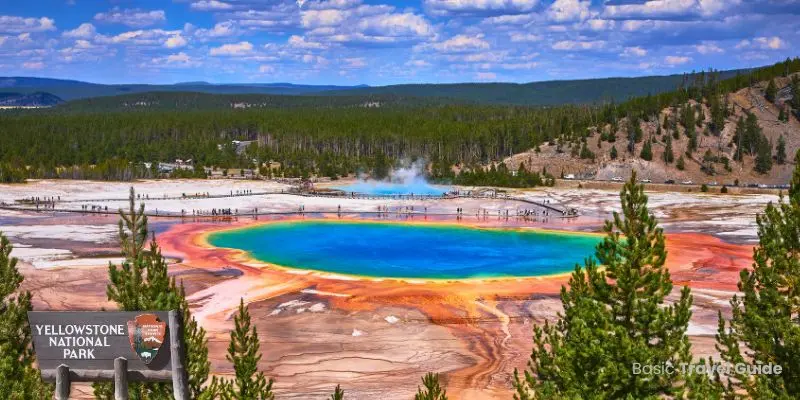
UNESCO added Yellowstone to the World Heritage List in 1978 because of its exceptional geological features and ecological importance. The park sits above a massive volcanic system that has shaped its landscape for thousands of years, creating geysers, hot springs, mud pots, and colorful thermal areas.
The most famous feature is Old Faithful, a geyser known for its regular eruptions, but Yellowstone’s geothermal wonders extend far beyond one attraction. The park contains one of the largest collections of active hydrothermal features in the world, with constantly changing pools, steam vents, and mineral formations.
Beyond its volcanic activity, Yellowstone is also a major wildlife destination. Large populations of bison, elk, wolves, bears, and other animals live across its forests, valleys, and grasslands. The park shows how a complete ecosystem can survive when protected on a large scale.
What makes Yellowstone unforgettable is the combination of powerful forces beneath the ground and the wildlife thriving above it. Few places show the connection between geology and nature so clearly.
Best Time to Visit: May to September for easier access to roads, trails, and wildlife viewing. Spring and autumn are especially good for fewer crowds and animal activity.
UNESCO Highlight: Yellowstone preserves one of the world’s largest active volcanic landscapes together with a remarkably diverse ecosystem.
18. Komodo National Park, Indonesia

UNESCO Category: Natural Heritage Site | Inscribed: 1991
Komodo National Park is one of the most unique UNESCO islands in the world, protecting a rare ecosystem shaped by volcanic landscapes, dry forests, and surrounding marine environments. Located in Indonesia, the park is famous as the home of the Komodo dragon, the largest living lizard species on Earth.
UNESCO recognized Komodo National Park as a World Heritage Site in 1991 because of its exceptional biodiversity and the importance of protecting its unique wildlife. The park includes several islands, with Komodo, Rinca, and Padar among the most well-known.
The Komodo dragon is the main attraction, but the park’s natural value goes far beyond this remarkable reptile. The islands support a variety of animals, while the waters around them contain some of the richest marine ecosystems in the world, including coral reefs, sea turtles, and diverse fish species.
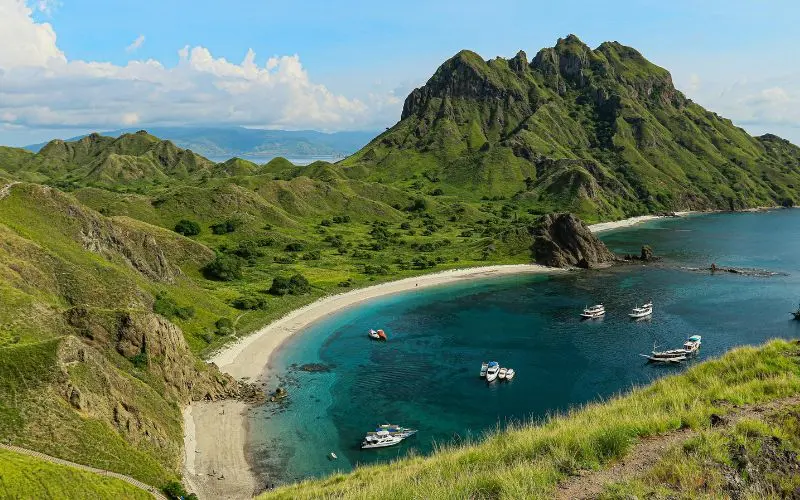
The landscape itself adds to the experience. Dry hills, rugged coastlines, pink-sand beaches, and clear tropical waters create a setting unlike many other island destinations. From viewpoints above the islands, the scenery reveals a dramatic mix of green slopes, blue bays, and scattered land formations.
Komodo National Park represents a rare combination of land and ocean conservation, where ancient species and marine habitats exist together in one protected environment.
Best Time to Visit: April to December for comfortable weather, hiking conditions, and better chances of wildlife encounters.
UNESCO Highlight: Komodo protects a unique island ecosystem where ancient reptiles and one of the world’s richest marine environments exist together.
19. Iguazu Falls, Argentina & Brazil
UNESCO Category: Natural Heritage Site | Inscribed: 1984 (Argentina) | 1986 (Brazil)
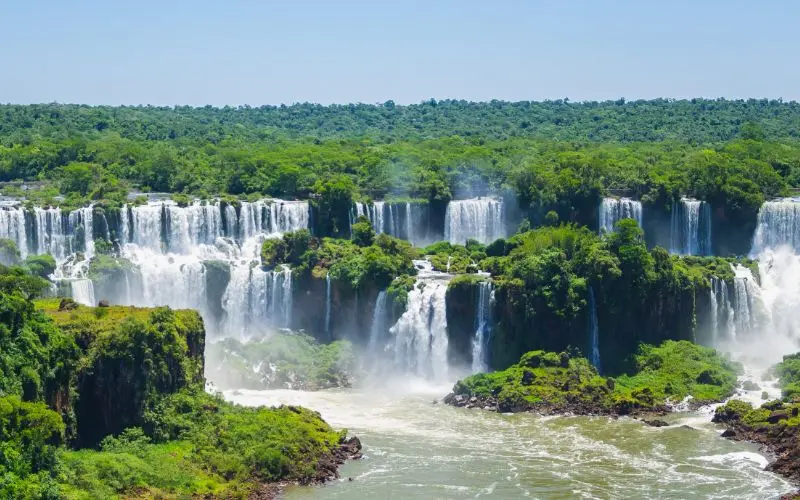
Iguazu Falls is one of the world’s most spectacular natural wonders, where hundreds of waterfalls spread across a vast rainforest landscape along the border between Argentina and Brazil. The scale of the falls, combined with the surrounding ecosystem, makes it one of the most remarkable UNESCO natural heritage sites.
UNESCO recognized the Iguazu Falls protected areas for their exceptional beauty and ecological importance. The site includes protected sections of the Atlantic Forest, one of the most diverse and threatened ecosystems in South America.
The falls are formed where the Iguazu River drops over a series of cliffs, creating a network of cascades stretching across nearly three kilometers. The most famous section, Devil’s Throat, is a powerful U-shaped waterfall surrounded by mist, rainforest, and constant movement of water.
What makes Iguazu different from many famous waterfalls is the way it exists within a living environment. The surrounding forest is home to colorful birds, butterflies, monkeys, and other wildlife, turning the visit into more than just a viewpoint experience.
The falls change with weather and seasons. Heavy rains can increase the volume of water, while clearer conditions reveal more individual cascades and wider views across the river system. Exploring both the Argentine and Brazilian sides offers completely different perspectives of this natural masterpiece.
Best Time to Visit: March to May and September to November for comfortable weather and fewer crowds.
UNESCO Highlight: Iguazu protects one of the largest and most powerful waterfall systems in the world together with a valuable rainforest ecosystem.
20. Sundarbans, India & Bangladesh
UNESCO Category: Natural Heritage Site | Inscribed: 1987 (India) | 1997 (Bangladesh)
The Sundarbans is the largest mangrove forest in the world and one of the most important UNESCO protected sites in Asia. Spread across the delta formed by the Ganges, Brahmaputra, and Meghna rivers, this vast wetland landscape creates a rare environment where land, water, and wildlife exist together.
UNESCO recognized the Sundarbans for its exceptional biodiversity and ecological importance. The forest protects a unique tidal ecosystem made up of winding waterways, mudflats, islands, and dense mangrove vegetation that can survive in salty coastal conditions.
The region is best known as a habitat for the Bengal tiger, which has adapted to life in a landscape of rivers and mangrove forests. Unlike many tiger habitats, the Sundarbans requires these animals to navigate tidal channels and swampy terrain, making it one of the most unusual wildlife environments on Earth.
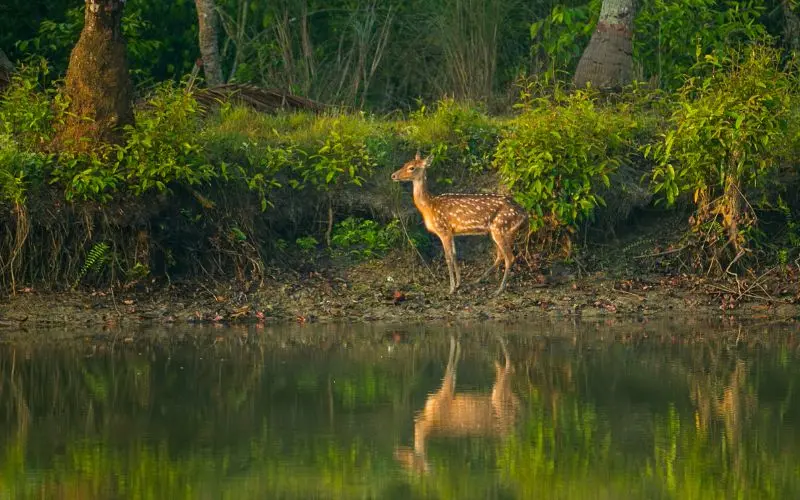
Beyond the famous tigers, the mangrove forest supports many species, including crocodiles, deer, birds, reptiles, and marine life. The complex root systems of mangrove trees also play an important role in protecting coastal areas from erosion and storms.
Exploring the Sundarbans is a different kind of nature experience. Instead of mountain trails or open landscapes, visitors travel by boat through narrow channels, watching the forest change with the movement of tides and light.
Best Time to Visit: November to February, when temperatures are cooler and wildlife viewing conditions are generally better.
UNESCO Highlight: The Sundarbans protects the world’s largest mangrove ecosystem and one of the most important coastal wildlife habitats.