Taj Mahal Travel Guide: Everything You Need to Know Before Visiting
Published: 21 Jun 2026
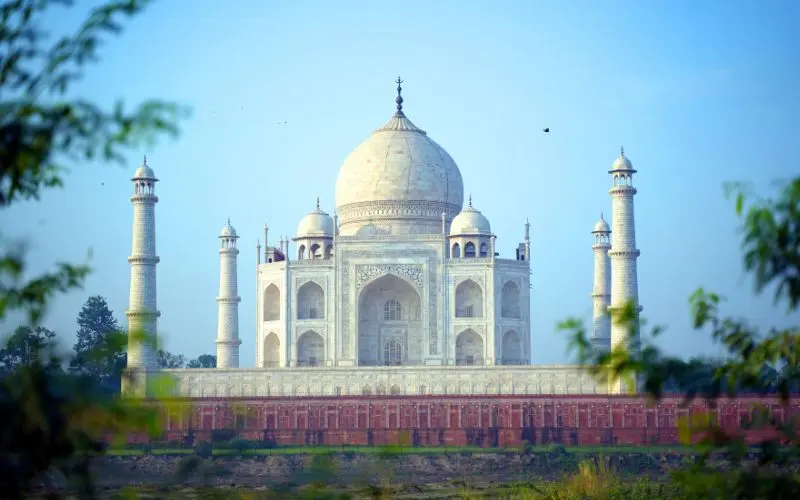
The Taj Mahal is one of the most famous landmarks in the world and once in a lifetime destination for travelers visiting India. Located in Agra, Uttar Pradesh, this breathtaking white marble monument is known for its incredible Mughal architecture, fascinating history and the love story behind its creation.
Built by Emperor Shah Jahan in memory of Mumtaz Mahal, the Taj Mahal attracts millions of visitors every year who come to admire its detailed craftsmanship, peaceful gardens, and unforgettable views.
Planning a trip to the Taj Mahal can feel overwhelming at first especially when deciding where it is located, how to reach it, which airport to use, and the best time to visit. This complete Taj Mahal travel guide covers everything you need to know before your journey, including Taj Mahal India location, how to visit the monument, nearby attractions, entry tips, and the best things to do at the Taj Mahal.
Taj Mahal India: Quick Facts
- Location: Agra, Uttar Pradesh, India
- Country: India
- Built by: Mughal Emperor Shah Jahan
- Built in memory of: Mumtaz Mahal
- Construction period: 1632–1653
- Architectural style: Mughal architecture
- Main material used: White marble
- Located near: Yamuna River
- Famous for: Marble beauty, detailed carvings, symmetry and Mughal design
- Best time to visit: October to March
- Recommended visit time: Around 2–3 hours
Where Is the Taj Mahal Located?
The Taj Mahal is located in Agra, Uttar Pradesh, India, a historic city famous for its Mughal architecture and cultural heritage.
The monument stands on the banks of the Yamuna River, surrounded by beautiful gardens and other important historical landmarks. Its location makes it one of the easiest heritage attractions to include in a northern India travel itinerary.
Agra is part of India’s famous Golden Triangle route, which connects:
- Delhi – the capital city and a major entry point for international travelers
- Agra – home to the Taj Mahal
- Jaipur – known for royal forts, palaces, and vibrant culture
The Taj Mahal is approximately:
- 230 km from Delhi
- 240 km from Jaipur
- 400 km from Lucknow
Most travelers reach Agra by train or road, especially from Delhi. While many people visit the Taj Mahal on a day trip, staying overnight gives you more time to explore Agra and enjoy the monument during quieter hours, especially around sunrise and sunset.
What Is the Taj Mahal India Famous For?
The Taj Mahal is famous for its breathtaking beauty, incredible craftsmanship, and the story behind its creation. While many travelers know it as one of the most photographed monuments in the world, seeing it in person reveals much more than just a beautiful building.
The monument is best known for:
- Its white marble architecture – The Taj Mahal was built using white marble that gives the monument its bright and elegant appearance.
- Its Mughal design – The structure combines Persian, Islamic, and Indian architectural influences, creating a style that is unique to the Mughal era.
- Its detailed craftsmanship – The walls feature delicate carvings and decorative stone inlay work created by skilled artisans.
- Its perfect symmetry – From the gardens to the main dome, every part of the complex was carefully designed to create balance and harmony.
- Its romantic history – The Taj Mahal was built by Emperor Shah Jahan as a memorial for his wife Mumtaz Mahal, which is why it is often called a symbol of love.
For travelers, the Taj Mahal is not only a monument to visit but an experience to enjoy. The way the marble changes appearance throughout the day, the peaceful gardens, and the surrounding history make it one of India’s most memorable destinations.
Taj Mahal History & Architecture
The story behind the Taj Mahal is one of the reasons it remains a once in a lifetime destination for travelers. Behind its beautiful white marble walls is a history that dates back to the 17th century Mughal era.
The Taj Mahal was commissioned by Mughal Emperor Shah Jahan after the death of his wife Mumtaz Mahal. He wanted to create a monument that reflected his love and respect for her, resulting in one of the greatest architectural achievements in history.
Construction began in 1632 and took more than 20 years to complete. Thousands of craftsmen, artists, and builders worked on the monument, bringing together different architectural influences and artistic techniques.
The Taj Mahal is admired for its:
- White marble design – The main structure was built using high-quality marble that gives it its famous glowing appearance.
- Intricate inlay work – Precious and semi-precious stones were carefully placed into the marble to create detailed floral patterns.
- Grand dome and minarets – The central dome and four surrounding minarets create the monument’s iconic silhouette.
- Mughal gardens – The gardens follow a traditional design that creates a peaceful approach toward the monument.
- Perfect balance and symmetry – Every element of the complex was carefully planned to create visual harmony.
One of the most fascinating things about visiting the Taj Mahal is noticing how the monument changes throughout the day. Morning light gives the marble a soft glow, while sunset creates warmer shades that make the architecture look completely different.
Today, the Taj Mahal is not only a symbol of India’s history but also a reminder of the incredible skill and creativity of the people who built it centuries ago.
How to Visit the Taj Mahal
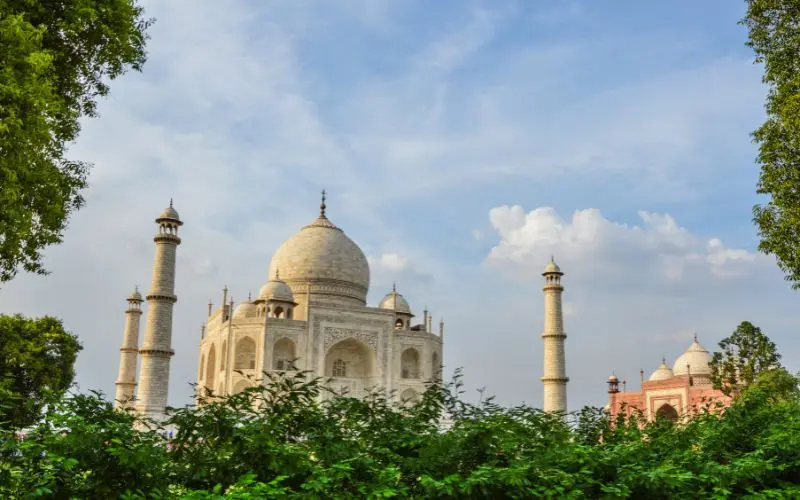
Visiting the Taj Mahal is simple when you understand how to reach Agra easily. The monument is one of India’s most popular attractions, so travelers have several options depending on their starting point and travel style.
For most visitors, the train is the easiest way to reach Agra, especially from Delhi. The city has several railway stations, but Agra Cantt Railway Station is the most convenient choice for tourists. Fast trains connect Delhi and Agra, making it possible to visit the Taj Mahal in a day. However, staying overnight gives you more time to explore Agra and enjoy the monument during quieter hours.
Traveling by road is another comfortable option. Private cars, taxis, buses, and guided tours are available from nearby cities. The journey from Delhi usually takes around 3–4 hours, depending on traffic. This option is ideal for travelers who want more flexibility during their trip.
Agra also has its own airport, but flight options are limited. Many international travelers prefer arriving at Delhi International Airport and then continuing to Agra by train or road because it offers better connections.
After you get to Agra, visiting the Taj Mahal is quite easy. Most hotels can arrange transport, and local taxis or auto-rickshaws are available near tourist areas.
To enjoy your visit at its best, try getting there early in the day. The cooler weather, smaller crowds and soft morning light make sunrise one of the most memorable times to see the Taj Mahal.
Nearest Airport to Taj Mahal
Choosing the right airport can make your Taj Mahal trip much easier. The closest airport to the monument is Agra Airport, located around 13 km from the Taj Mahal. This option works well for domestic visitors, though flight choices may be limited compared with bigger city airports.
For most international visitors, Delhi International Airport is usually the better choice. Located around 220–230 km from Agra, it offers a much wider range of international and domestic flights, making it easier to plan your journey.
After arriving in Delhi, travelers can continue to Agra by train, private car, taxi, or bus. Many visitors prefer this route because it combines better flight options with a comfortable journey to the Taj Mahal.
If your priority is reaching the monument from the closest airport, Agra Airport is the answer. However, if you are looking for convenience and more travel flexibility, Delhi Airport is often the practical option for a Taj Mahal visit.
Best Time to Visit the Taj Mahal
The best time to visit the Taj Mahal is between October and March when the weather in Agra is cooler and more comfortable for exploring.
During these months, travelers can walk through the gardens, spend more time taking photos, and enjoy the monument without dealing with extreme heat.
Each season offers a different experience:
- October to March: The most popular time to visit because of pleasant weather and better sightseeing conditions.
- April to June: Temperatures can become very hot, especially in the afternoon. If you visit during this period, an early morning trip is the best choice.
- July to September: The monsoon season brings occasional rain and fewer crowds, which can be a good option for travelers who prefer a quieter visit.
The timing of your visit can have a major impact on your experience. A sunrise visit is one of the best experiences at the Taj Mahal because the monument looks peaceful, the crowds are smaller, and the morning light creates beautiful views across the marble.
Sunset is another great time to visit, especially for travelers who want to see the Taj Mahal with warmer golden tones. No matter when you go, visiting early or later in the day usually makes the experience more enjoyable.
Taj Mahal Entry Gates Guide
Before visiting the Taj Mahal, it is helpful to know about the different entry gates. Choosing the right gate can save time and make your visit more comfortable, especially during busy hours.
The Taj Mahal has three main entrances: the Eastern Gate, Western Gate, and Southern Gate. Each one gives access to the same beautiful monument, but the experience can be slightly different depending on crowd levels and where you are coming from.
The Eastern Gate Taj Mahal is one of the most popular choices among travelers. Many visitors prefer this entrance because it is close to several hotels and is known for a smoother approach to the monument. The area around this gate is also convenient for travelers who want to arrive early for sunrise.
The Western Gate is another major entrance and is often used by visitors coming from the main city areas. It can become crowded, especially during peak visiting hours, so arriving early is a good idea.
The Southern Gate is less commonly used compared with the other two entrances. Some travelers choose it because it can feel quieter, although availability and access conditions may vary.
Whichever gate you use, reaching the Taj Mahal early in the morning is the best way to enjoy the monument with fewer crowds and a more peaceful atmosphere.
Top Things to Do at the Taj Mahal
A visit to the Taj Mahal is about more than simply seeing the monument. Taking your time to explore the gardens, admire the details, and enjoy the views makes the experience much more memorable.
One of the best things to do at the Taj Mahal is to arrive early and watch the monument during sunrise. The morning light gives the white marble a soft glow, and the peaceful atmosphere makes it one of the most special moments of the visit.
Walking through the Mughal gardens is another highlight. The carefully designed pathways, fountains, and greenery create beautiful views of the Taj Mahal and offer some of the best photo opportunities.
Photography is a major part of the experience for many travelers. The Taj Mahal looks beautiful from every angle, so explore different viewpoints instead of stopping for just one photo at the entrance.
After exploring the main monument, visit nearby attractions such as Agra Fort, another important Mughal landmark with a fascinating history. You can also head to Mehtab Bagh across the Yamuna River for a quieter view of the Taj Mahal, especially around sunset.
A Taj Mahal visit is also a chance to experience Agra beyond the monument. Exploring local markets, trying traditional food, and seeing the city’s handicrafts can make your trip feel more complete.
Read:
Taj Mahal Opening Hours, Tickets & Visiting Guidelines
Before heading to the Taj Mahal, checking the entry details can make your visit much smoother. The monument is a popular attraction, and knowing the timings, ticket process, and basic rules helps you avoid unnecessary delays.
The Taj Mahal is generally open from sunrise to sunset, giving travelers plenty of time to explore the monument during the day. It is usually closed on Fridays, so plan your visit accordingly.
Tickets are required to enter the Taj Mahal complex. It is best to arrange your ticket before arriving, especially during busy travel seasons when visitor numbers are higher.
Visitors should also be prepared for security checks at the entrance. Large bags, certain items, and anything restricted may not be allowed inside, so carrying only essentials is a good idea.
A good pair of walking shoes can make your Taj Mahal visit more enjoyable, especially while exploring the gardens and pathways. Since many travelers spend a few hours here, bringing water and planning your visit around the weather can make the experience more enjoyable.
A little preparation before your visit means you can spend less time dealing with logistics and more time appreciating the beauty and history of the Taj Mahal.
How Long Do You Need at the Taj Mahal?
Most travelers need around 2–3 hours to enjoy the Taj Mahal properly. This gives you enough time to explore the monument, walk through the gardens, take photos, and admire the details.
If you want a slower experience, especially around sunrise or sunset, allow extra time. Many visitors also stay one night in Agra so they can explore nearby attractions like Agra Fort without rushing.
A short visit is possible, but taking your time lets you appreciate why the Taj Mahal is considered one of India’s most unforgettable landmarks.
Taj Mahal Travel Tips Before You Go
A little preparation can make your Taj Mahal visit much easier and more enjoyable. The monument is a busy attraction, so planning ahead helps you spend more time enjoying the experience.
Try to arrive early, especially if you want to see the Taj Mahal in a quieter atmosphere. Morning visits usually offer better weather and beautiful lighting for photos.
Since the visit includes plenty of walking through open areas and gardens, comfortable footwear will make your experience easier. It is also a good idea to dress comfortably, especially during warmer months.
Carry only the essentials, as visitors go through security checks before entering. Keeping your belongings light makes the entry process faster.
Be respectful of the monument and follow the visitor rules. Taking your time, exploring different viewpoints, and noticing the small details will make your visit much more memorable.