London Zoo Facts, History & Hidden Stories You Didn’t Know
Published: 16 May 2026
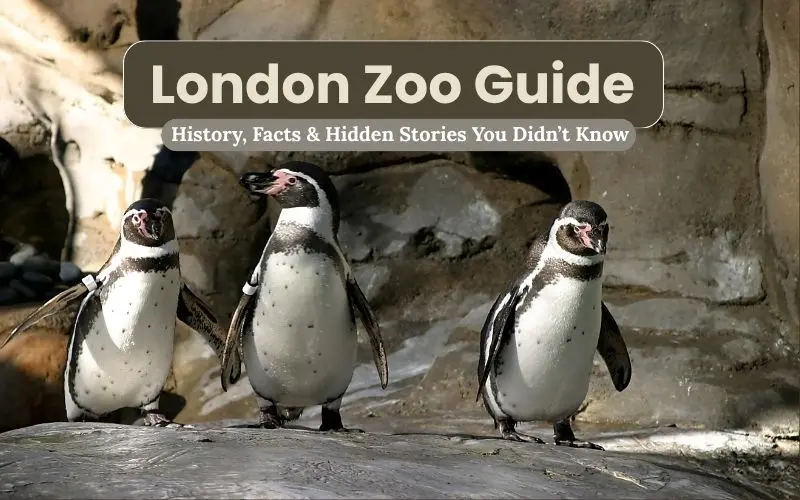
London Zoo is the world’s oldest scientific zoo, located in Regent’s Park, London and opened in 1828 by the Zoological Society of London. It is home to hundreds of animal species and is known for its long history, conservation work and famous residents like Guy the gorilla and Jumbo the elephant.Today, London Zoo combines wildlife conservation, education and visitor experiences making it one of the most important zoos in the world.
In this post, we will explore London Zoo facts, its rich history, famous animals and hidden stories you may not know.
Quick Facts About London Zoo
- Name: ZSL London Zoo
- Opened: 1828 (public access from 1847)
- Location: Regent’s Park, London, United Kingdom
- Founded by: Zoological Society of London (ZSL)
- Type: Scientific and conservation-focused zoo
- Size: Around 36 acres (14 hectares)
- Species: 700+ animal species
- Known as: World’s oldest scientific zoo
- Famous animals: Guy the gorilla, Jumbo the elephant, Winnie the bear
- Main focus: Wildlife conservation, education and research
READ: Facts About Zoos: Importance, Animal Care & Fun Facts
What is London Zoo Famous For?
Opened in 1828, ZSL London Zoo in Regent’s Park holds the title of the world’s oldest scientific zoo and remains one of the most famous. It is well known for its role in wildlife conservation, animal research, and education.
London Zoo is also famous for its historic animals and stories, including Guy the gorilla, Jumbo the elephant, and Winnie the bear, which inspired the Winnie-the-Pooh character.
Another key reason it is famous is its conservation work, including breeding programs for endangered species such as the Lake Oku clawed frog and global wildlife protection projects.
It is also known for its iconic exhibits and architecture, including Penguin Beach, the Giraffe House, and several historic listed buildings inside the zoo.
Today, London Zoo is recognized worldwide as a leading center for zoo conservation, animal science, and public education.
READ: Top 10 Zoos in the World Ranked
History of London Zoo
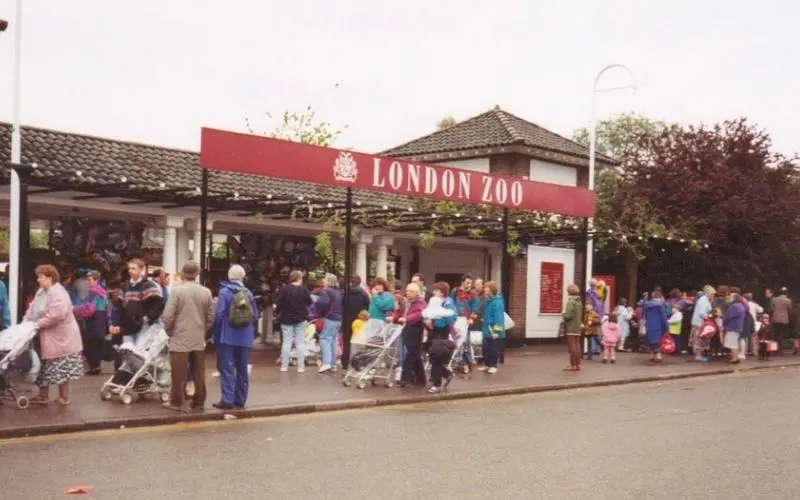
By Josie Campbell, CC BY-SA 2.0, via Wikimedia Commons
ZSL London Zoo is the world’s oldest scientific zoo, founded in 1828 by the Zoological Society of London in Regent’s Park, London.
- 1828 – Founded: Established by the Zoological Society of London for scientific study of animals.
- 1847 – Opened to Public: The zoo opened to visitors to help fund conservation and operations.
- Late 1800s – Expansion Era: Major growth in animal collections and Victorian-era exhibits.
- Early 1900s – Iconic Animals Arrive: Famous residents like Jumbo the elephant and Winnie the bear became global attractions.
- 20th Century – Modernization Begins: Shift from entertainment-focused exhibits to improved animal welfare and research.
- 21st Century – Conservation Focus: Becomes a global leader in breeding endangered species and wildlife conservation programs.
READ: Biggest Zoos in Europe Ranked by Area
Hidden Facts About London Zoo
ZSL London Zoo has a long and fascinating history, with many lesser-known facts that even frequent visitors may not realize.
- The zoo opened in 1828 but was originally restricted to scientists and ZSL members only for nearly 20 years.
- It is home to one of the UK’s oldest surviving zoo buildings still in use — the Giraffe House.
- A historic Grade I listed red telephone box still stands inside the zoo near Penguin Beach.
- Charles Darwin visited the zoo and studied an orangutan named Jenny, helping shape early ideas in evolutionary biology.
- The zoo once housed animals that are now extinct, including the quagga, a zebra-like species.
- The famous Penguin Pool was one of the first modernist zoo enclosures in the world, designed by leading architects of its time.
- London Zoo also played a key role in early public aquariums, opening the world’s first public aquarium in 1853.
How Big is London Zoo?
ZSL London Zoo covers an area of around 36 acres (14 hectares) inside Regent’s Park in central London.
- Total size: ~36 acres (14 hectares)
- Location type: Urban zoo located in Regent’s Park
- Layout: Compact and walkable design
- Comparison: Smaller than safari parks but more species-dense
- Experience: Visitors can see many animals in a short distance due to close exhibit layout
Unlike large safari parks, London Zoo is designed as a high-density conservation zoo, meaning it focuses on housing a wide variety of species in a relatively small but highly organized space.
READ: Best Safari Parks in the UK Ranked for Families
What Animals Are at London Zoo?
ZSL London Zoo is home to 700+ animal species, making it one of the most diverse zoos in the UK.
Mammals
- Lions
- Tigers
- Gorillas
- Giraffes
- Pygmy hippos
- Sloths
- Meerkats
Birds
- Penguins (Penguin Beach)
- Flamingos
- Exotic tropical birds
Reptiles & Amphibians
- Snakes
- Lizards
- Frogs (including rare conservation species)
Other Wildlife
- Insects
- Fish species in aquarium-style exhibits
Famous Animals of London Zoo
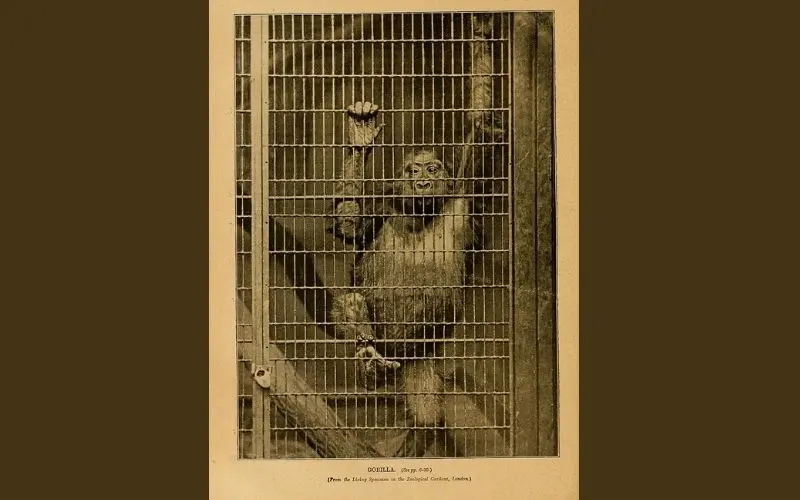
By Duncan, P. Martin – Public Domain (Wikimedia Commons)
ZSL London Zoo has been home to several famous animals that helped shape its global reputation and cultural history.
- Guy the Gorilla: One of the most loved residents (1947–1978), known for his calm and gentle nature.
- Jumbo the Elephant: A giant African elephant from the 1800s whose name became synonymous with “something very large.”
- Winnie the Bear: A tame black bear who inspired A.A. Milne’s Winnie-the-Pooh stories.
- Jenny the Orangutan: Observed by Charles Darwin, helping influence early ideas about animal behavior and evolution.
- Quagga (historical): One of the rare extinct zebra subspecies once kept at the zoo.
London Zoo Historic Buildings & Attractions
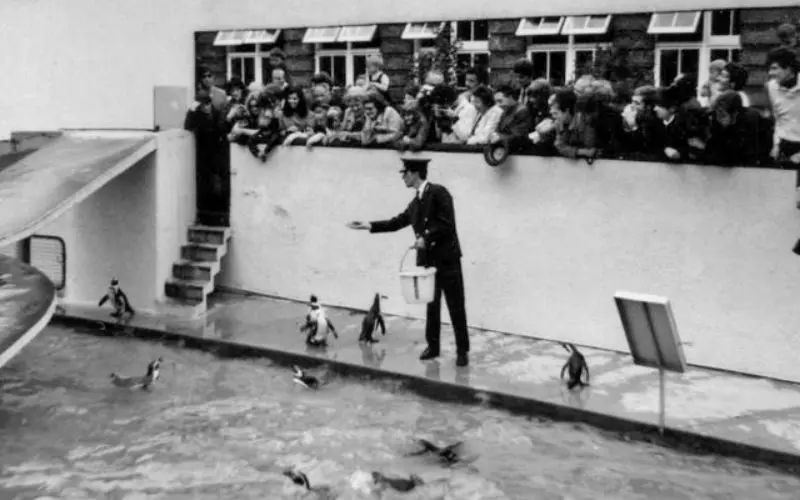
Christine Matthews / Geograph, CC BY-SA 2.0
ZSL London Zoo is not only known for its animals, but also for its historic buildings and unique architectural landmarks that reflect its long history and scientific heritage.
One of the most famous attractions is the Penguin Beach area, which includes a Grade I listed red telephone box that remains preserved as part of the zoo’s historic character.
The Casson Elephant House, designed by Sir Hugh Casson and opened in 1965, is another iconic structure that once housed elephants and is now an important architectural landmark.
The Giraffe House is especially significant as it is considered one of the oldest zoo buildings in the world still used for its original purpose, making it a rare example of functional historic design.
Another historic feature includes the old Penguin Pool, designed by modernist architects and now preserved as a key part of the zoo’s architectural legacy.
Together, these structures make London Zoo not just a wildlife destination but also a site of historic and architectural importance in London.
READ: What is the Oldest Zoos in the World
London Zoo Conservation & Endangered Species Work
ZSL London Zoo is globally known for its wildlife conservation, scientific research, and endangered species protection programs.
London Zoo plays a major role in breeding and protecting endangered animals, helping to prevent species extinction through controlled conservation programs and scientific study. One of its notable successes includes the first successful captive breeding of the Lake Oku clawed frog, a critically endangered species found only in Cameroon.
The zoo also works on international conservation projects, supporting wildlife protection in habitats around the world through research, education, and breeding programs.
Today, London Zoo is recognized not just as a visitor attraction but as a global conservation center focused on protecting biodiversity and restoring endangered species populations.
Is London Zoo Ethical?
ZSL London Zoo operates as a conservation-focused zoo and follows modern animal welfare and ethical standards. It prioritizes animal care, habitat enrichment, and scientific conservation programs over entertainment-only displays.
The zoo is part of the Zoological Society of London (ZSL) which works globally to protect wildlife and improve animal welfare. Its breeding programs for endangered species and research initiatives are designed to support long-term species survival.
Today, London Zoo is considered an ethical zoo by most conservation standards due to its strong focus on education, research, and wildlife protection rather than exploitation.
How Much Time Do You Need at London Zoo?
A typical visit to ZSL London Zoo takes around 3 to 5 hours, depending on visitor pace and crowd levels.
- Quick visit: 2–3 hours (main exhibits only)
- Standard visit: 3–4 hours (most attractions)
- Full experience: 4–5+ hours (shows, feeding times, and all zones)
The time spent can vary based on animal activity, seasonal events and how many exhibits you explore in detail.
For official visitor information, you can also check the London Zoo website.
London Zoo Tickets & Visitor Experience
Planning a trip to ZSL London Zoo? Step inside ZSL London Zoo and you’ll discover much more than animal exhibits. Located in the heart of Regent’s Park, London Zoo combines nearly 200 years of history with modern wildlife conservation, making it one of the most unique zoos in the world.
You can watch penguins dive at Penguin Beach, see giraffes inside one of London Zoo’s oldest structures and explore a site that has been part of London’s history since 1828. The zoo is also deeply involved in wildlife conservation and breeding programs for endangered species around the world.
To make your visit smoother, it’s best to book tickets online in advance especially during weekends and school holidays.