Cheapest Countries to Travel in 2026 Without Breaking the Bank
Published: 24 Jan 2026
If you are looking for the cheapest countries to travel in 2026, this guide highlights the best budget-friendly destinations around the world where you can explore more while spending less.
Whether you are traveling from the USA, UK, UAE, or anywhere else, these countries offer incredible experiences with daily travel costs as low as $25–$50 per day, including food, accommodation and local transport.
From the beaches of Southeast Asia to the historic cities of Europe, this guide breaks down the least expensive countries to visit, along with real cost estimates, travel tips and practical advice to help you plan an affordable trip without compromising on experience.
Cheapest Countries to Travel in 2026 (Daily Budget Comparison)
Here is a quick comparison of the cheapest countries to travel in 2026 based on average daily budget for travelers worldwide.
| Country | Daily Budget (USD) | Best For |
|---|---|---|
| Vietnam | $25–$40 | Street food, culture, nature |
| Cambodia | $25–$40 | Temples, history, budget stays |
| Sri Lanka | $30–$50 | Beaches, trains, safaris |
| Philippines | $30–$50 | Islands, diving, beaches |
| Thailand | $30–$60 | Food, nightlife, islands |
| Kyrgyzstan | $25–$45 | Mountains, adventure, nature |
| Turkey | $35–$60 | History, culture, landscapes |
| Portugal | $45–$75 | Cities, coastlines, Europe travel |
| Czech Republic | $40–$70 | Prague, castles, history |
| Lithuania | $35–$60 | Hidden Europe, low-cost travel |
| Croatia | $50–$80 | Adriatic coast, islands |
| Greece | $50–$80 | Islands, culture, beaches |
Vietnam
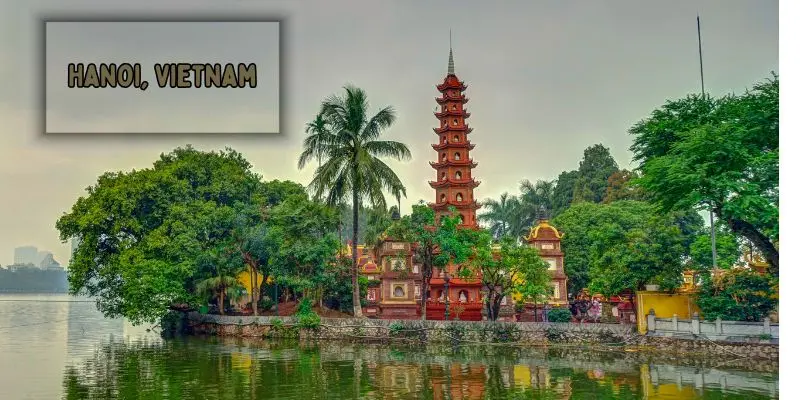
Vietnam consistently ranks as one of the cheapest and safest countries to travel in 2026, making it a top choice for budget travelers from the USA, UK, UAE, and around the world. With a daily budget of just $25–$40, travelers can comfortably explore cities, nature and culture without overspending.
From the bustling streets of Hanoi and Ho Chi Minh City to the breathtaking scenery of Ha Long Bay and Sapa, Vietnam offers a perfect mix of culture, food and natural beauty at extremely low costs. Street food meals often cost just a few dollars, while transportation and accommodation remain highly affordable across the country.
What makes Vietnam especially attractive is its strong value-for-money experience. Whether you are backpacking, traveling solo or planning a long-term stay, Vietnam allows you to enjoy rich experiences, friendly locals and diverse landscapes while staying well within a budget.
Read Also:
- Best Things to Do in Vietnam
- Best Things to Do in Hanoi: Top Attractions, Food & Hidden Spots
- Travel to Southeast Asia: 10 Best Countries to Visit
Cambodia

Cambodia stands out as one of the most affordable countries to explore in 2026, especially for travelers who are drawn to history, culture and slow-paced travel. With daily costs typically around $25–$40, it remains one of the cheapest countries in Asia for long stays on a budget.
The experience here is shaped strongly by Angkor Wat, where sunrise light hits centuries-old stone carvings and transforms the entire landscape into something almost unreal. While Siem Reap is the main gateway, the real charm of Cambodia often reveals itself in quieter moments—riverside towns, local markets, and open countryside that feels untouched by fast tourism.
What makes Cambodia especially appealing is how simple travel becomes once you arrive. Accommodation is widely available at low prices, local food is inexpensive and transport between cities is straightforward. This combination allows travelers to focus less on spending and more on experience.
Sri Lanka
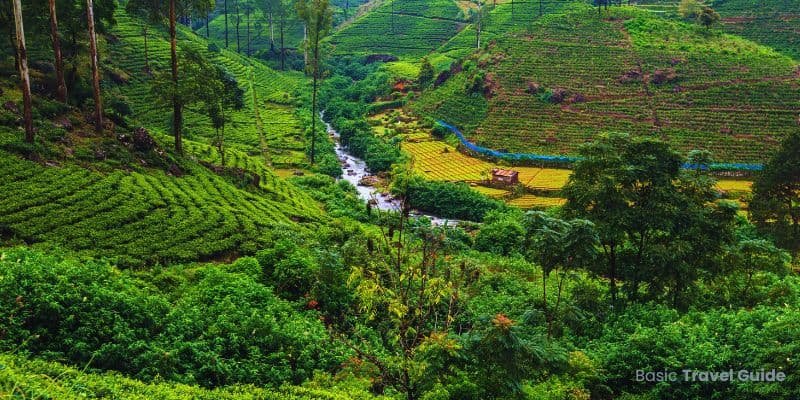
Sri Lanka is one of the most rewarding budget destinations, offering an unusual mix of coastline, mountains, wildlife and cultural heritage within a relatively small space. With average daily costs around $30–$50, it remains a strong choice for travelers who want variety without high spending.
What makes Sri Lanka memorable is how quickly the landscape changes. A single journey can take you from mist-covered tea plantations in the highlands to golden beaches along the southern coast. The famous train route between Kandy and Ella is often considered one of the most scenic travel experiences in the world, not because of luxury, but because of the slow, open view of rolling green hills and quiet villages.
Beyond scenery, Sri Lanka also offers ancient temples, national parks with elephants, and relaxed coastal towns where life moves at an easy pace. Despite its diversity, travel costs remain consistently low, making it ideal for both short trips and longer stays.
Philippines
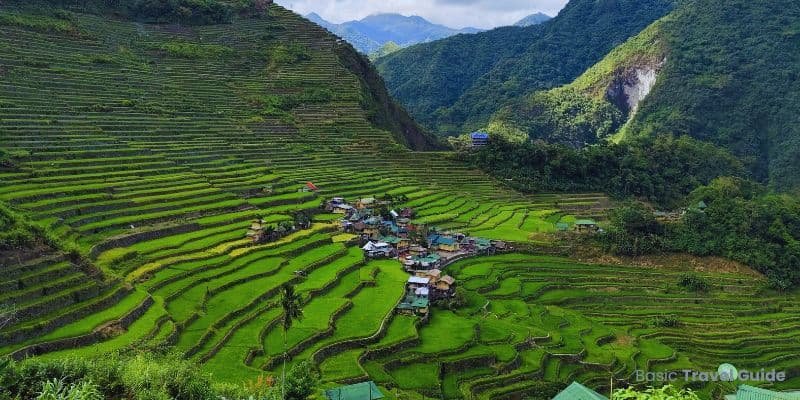
The Philippines is one of the most naturally striking and affordable countries to travel in 2026, with a daily budget of around $30–$50. Spread across thousands of islands, it offers a travel experience shaped almost entirely by the sea—clear waters, limestone cliffs, and remote beaches that still feel untouched.
Travel here is less about rushing and more about movement between islands. Places like Palawan are known for dramatic coastlines and hidden lagoons, while Cebu combines waterfalls, diving spots, and small coastal towns. Boracay, on the other hand, offers a more developed beach experience with soft sand and sunsets that attract travelers from all over the world.
Despite its scale, the Philippines remains budget-friendly once you adjust to island travel. Local ferries, simple guesthouses, and affordable meals make it possible to explore widely without high daily costs. The real value here is not just affordability, but the variety of landscapes packed into one country.
Thailand
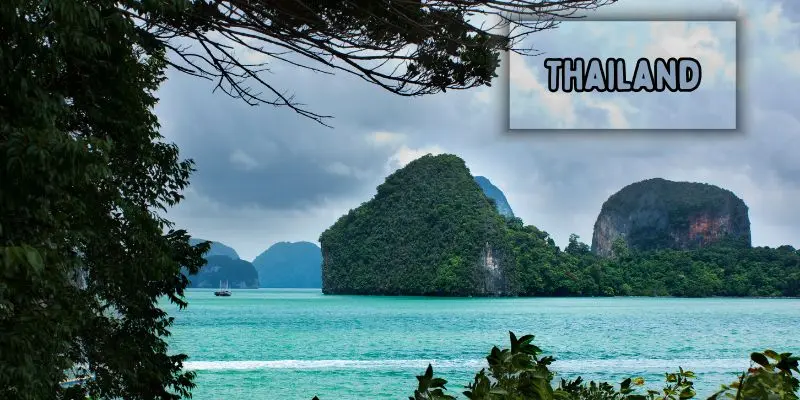
Thailand works because it doesn’t force one type of travel experience. Whether someone is chasing busy city life, quiet temples, tropical islands, or nightlife, everything exists within easy reach and still at a budget that makes long stays possible.
With daily costs around $30–$60, Thailand continues to be one of the most flexible and affordable countries to travel in 2026. Bangkok brings constant movement, street food culture and modern city energy, while Chiang Mai offers a slower rhythm shaped by temples, mountains and cafés.
Further south, the islands shift the entire experience. Krabi, Phuket, and Koh Samui focus on beaches, boat trips, and coastal life, where travel slows down and days are shaped by the sea. Despite being one of the most visited destinations in the world, Thailand still manages to stay budget-friendly through local food, transport and accommodation options.
Read Also:
Kyrgyzstan
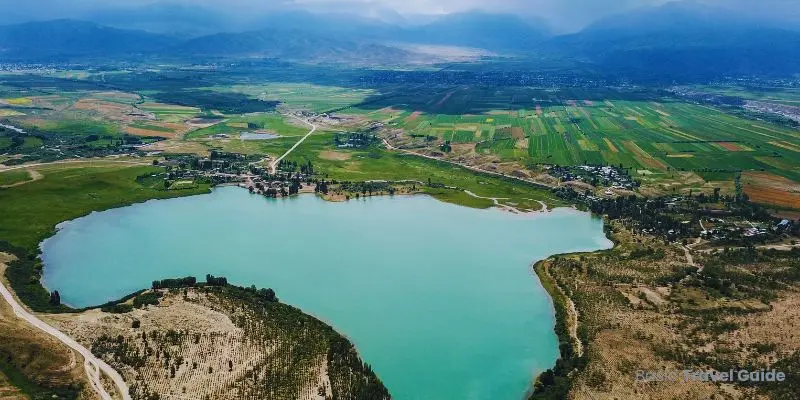
Kyrgyzstan feels less like a typical travel destination and more like stepping into a different rhythm of life. It is one of the cheapest countries to travel but its real value is not just affordability but it’s the sense of space, silence and freedom that defines the entire experience.
Instead of cities dominating the landscape, the country opens into endless mountains, high-altitude lakes, and wide valleys where movement is slow and nature feels uninterrupted. Travelers often find themselves staying in traditional yurts, sharing meals with nomadic families, and waking up to landscapes that change dramatically with the light.
What makes Kyrgyzstan stand out is the absence of distraction. There are no heavy tourist circuits or overdeveloped attractions, just raw geography and cultural simplicity. For many travelers, that simplicity becomes the highlight, offering something increasingly rare in modern travel, a complete disconnect from noise and routine.
Turkey
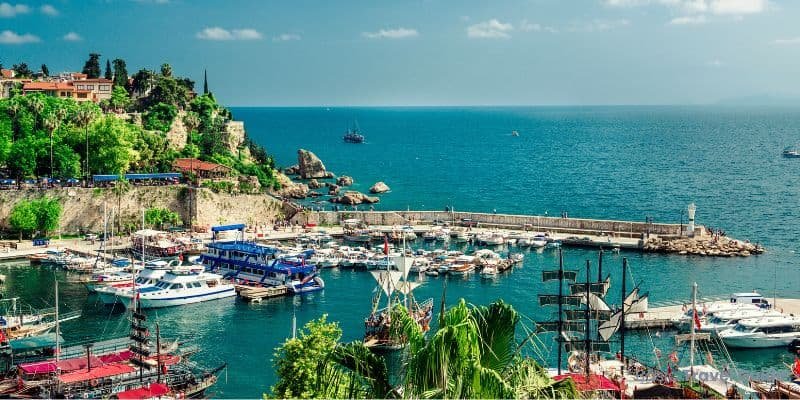
Turkey is one of the most fascinating and cheapest countries to travel , not just because of its cost, averaging around $35–$60 per day but because of the way it blends two worlds that feel distinct yet interconnected.
On one side, Istanbul moves with the energy of a modern global city, where fast ferries cross the Bosphorus and centuries-old mosques stand beside busy markets and contemporary neighborhoods. On the other side, the country stretches into landscapes that feel completely different—Cappadocia’s surreal rock formations, quiet Anatolian towns and long coastal roads along the Mediterranean.
What makes Turkey stand out is this constant shift in atmosphere. A morning can begin in a traditional tea house in a historic district and end watching the sunset over a coastline that feels far removed from city life. Street food culture, local transport, and affordable stays keep travel accessible, while the variety of experiences makes every region feel like a new chapter.
Read Also:
Portugal
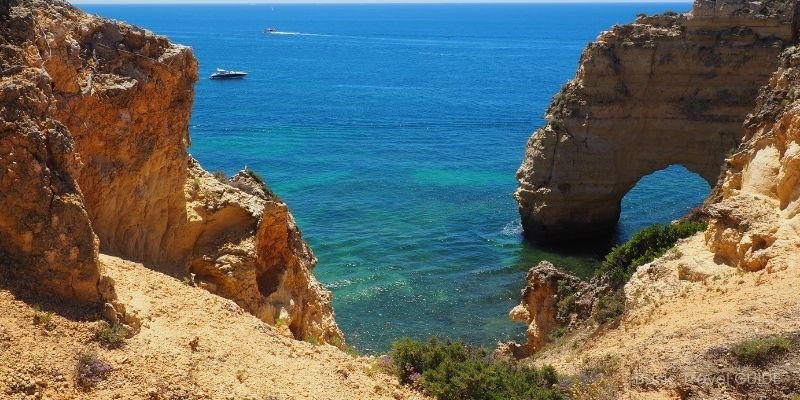
Portugal doesn’t try to overwhelm you. Instead, it settles in slowly—through ocean air, quiet streets and long coastal views that seem to stretch time itself. It is one of the cheapest and safest country to visit in Western Europe, with daily costs averaging around $45–$75, but what makes it memorable is not the price, it’s the pace.
In Lisbon, life moves between old trams climbing steep streets, tiled buildings reflecting soft sunlight, and viewpoints where the city opens toward the river like a painting. Porto feels even slower, shaped by bridges, riverside walks, and evenings that seem designed for long conversations and unhurried meals.
Further south, the Algarve changes everything into coastline. Cliffs drop into deep blue water, fishing towns wake up gently, and days naturally revolve around the sea. Portugal doesn’t rush the traveler, it encourages you to stay longer, move slower and notice more.
Read Also:
Czech Republic
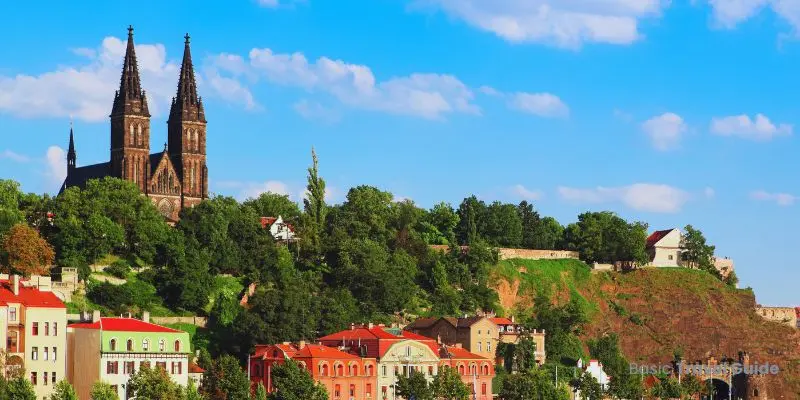
The Czech Republic feels like a place that was quietly lifted out of a storybook and placed into real life. It is one of the affordable countries to visit in 2026 in Europe, with daily costs typically around $40–$70, but what stays with travelers is not the price but the atmosphere.
Prague is the heart of it all, where stone bridges stretch over the Vltava River and early morning mist softens the outlines of spires and towers. Walking through the Old Town feels almost cinematic, especially when the streets are still quiet and the city seems to exist between past and present. Every corner feels intentional, as if history has been carefully preserved rather than simply left behind.
Beyond Prague, smaller towns like Český Krumlov feel even more immersive. Narrow streets twist along the river, rooftops stack into hills and the entire town glows warmly at sunset. It’s the kind of place where walking slowly feels natural, not optional.
- Explore Prague: Top Places, Attractions and Things to Do in the City
- Best Tourist Destinations in Czech Republic to Visit
Lithuania
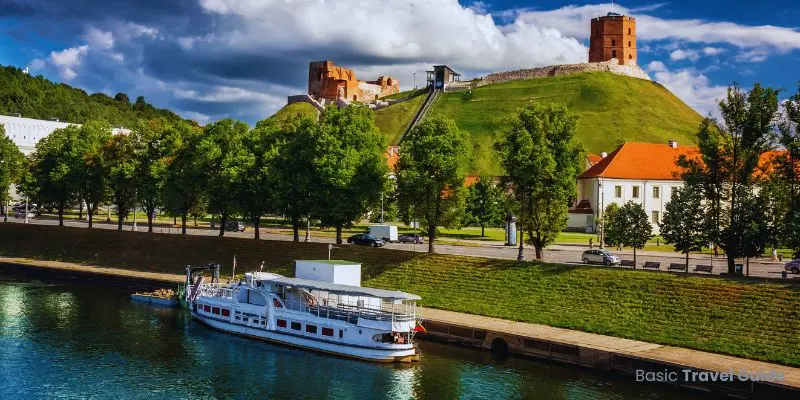
Lithuania doesn’t announce itself loudly. It sits quietly in the Baltic region, offering soft colors, open streets, and a pace of life that feels deliberately unhurried. It is considered among the cheapest countries for vacation in Europe, with daily costs around $35–$60, yet its real value lies in how undisturbed everything feels.
Vilnius, the capital, carries a gentle contrast of old and new. Baroque churches rise beside minimalist cafés, and cobblestone streets lead into small courtyards where life moves without urgency. There is space here—space to walk, to pause and to simply exist in a city that doesn’t compete for attention.
Beyond the capital, Lithuania opens into forests, lakes, and quiet towns where tourism feels secondary to everyday life. The Baltic air, the muted architecture, and the soft rhythm of daily routines give the country a subtle, almost poetic character. It’s not a destination that overwhelms you—it’s one that slowly settles in.
Croatia
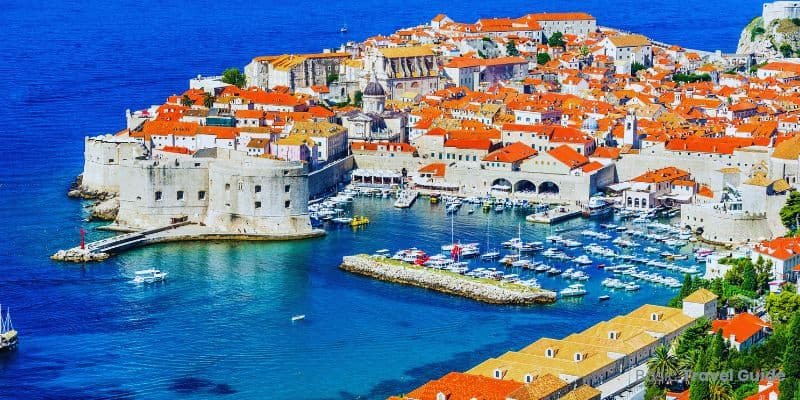
Croatia feels less like a destination and more like a collection of moments held together by light, water, and stone. It is one of the cheapest countries to travel, with daily costs typically around $50–$80, but what stays with travelers is not the budget—it’s the feeling of the Adriatic coastline at different hours of the day.
In Dubrovnik, early morning light touches the ancient city walls before the crowds arrive, and the sea below reflects a calm blue that feels almost unreal. Walking through the old stone streets, there’s a sense that time moves differently here—slower, softer and shaped by centuries of coastal life.
Further along the coast, smaller towns reveal a quieter side of Croatia. Fishing boats drift in and out of harbors, cafés open toward the water, and evenings stretch long as the sun melts into the Adriatic horizon. It’s a country where travel often becomes less about sightseeing and more about remembering how a place made you feel.
Read: Cheapest European Countries to Visit in July
Greece

Greece feels like a place where stories never fully ended. They just changed form. It is one of the cheapest countries to travel, with daily costs typically around $50–$80, but what makes it unforgettable is how naturally history and everyday life exist side by side.
In Athens, ancient ruins sit within a living city where modern cafés, street art and busy roads continue beneath the shadow of the Acropolis. There’s a constant contrast here: past and present sharing the same space without competing for attention.
Beyond the mainland, the islands shift the rhythm completely. Whitewashed villages reflect sunlight over deep blue seas, and narrow paths lead to quiet viewpoints where the horizon feels endless. Each island has its own pace, some energetic and social, others slow and almost meditative.
Greece is not just about visiting landmarks. It’s about moving through layers of history while still experiencing a very present, very lived-in culture shaped by the sea.
I spent mornings exploring temple ruins bathed in sunrise light and afternoons sampling local snacks in small cafes all without stretching my budget.
Daily costs are very reasonable, often $25–35, with guesthouses or hostels available for $8–15 per night and meals at local spots under $5. Many attractions, like national parks and rural trails, are either free or very inexpensive, making Cambodia a perfect place to explore international travel on a modest budget.
Read Also:
Quick Takeaway: Cheapest Countries to Travel in 2026
- Southeast Asia is the strongest budget zone – Vietnam, Cambodia, Thailand and the Philippines offer the best mix of low costs, food culture and island experiences.
- Central Asia is the hidden value winner – Kyrgyzstan stands out for ultra-cheap travel, raw nature, mountains and nomadic experiences with very low daily expenses.
- Europe still has budget pockets – Portugal, Czech Republic and Lithuania prove you can still explore cities, coastlines and history without extreme prices.
- Mid-range value destinations balance experience + cost – Turkey and Greece offer rich culture, islands and history at moderate but still affordable budgets.
- Real takeaway – The cheapest countries to travel in 2026 aren’t just about saving money, they’re about choosing destinations where experience per dollar is the highest.
Travel Tip: Before planning your trip, explore the official UNESCO World Heritage Centre to discover historic landmarks and cultural sites across many of the destinations featured in this guide.