15 Best Budget Travel Tips for Exploring the USA
Published: 17 Jun 2026
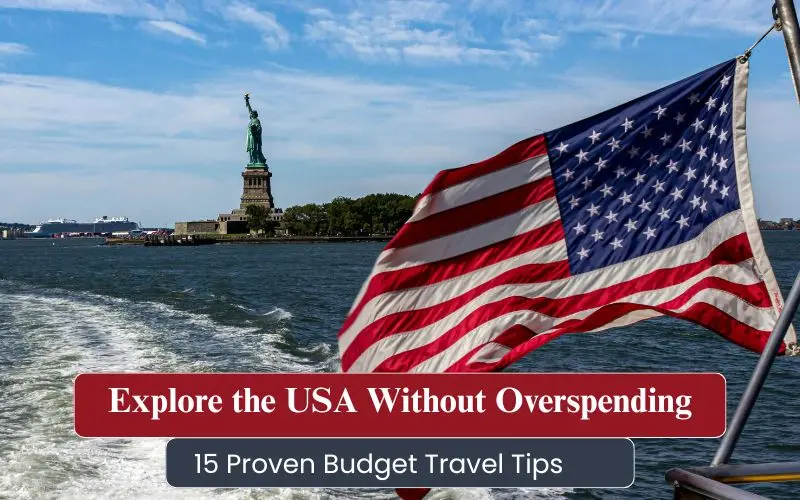
Traveling across the United States doesn’t have to cost a fortune. While destinations such as New York City, Los Angeles and San Francisco are known for their high prices, there are plenty of ways to explore America without overspending.
Budget travel in the USA typically costs between $50 and $150 per day, depending on your destination, travel style and the time of year you visit. By choosing affordable destinations, traveling during the shoulder season, finding budget-friendly accommodations, and taking advantage of free attractions, you can significantly reduce your expenses while still enjoying an unforgettable trip.
Whether you’re planning a cross-country adventure, a national park road trip or your first visit to the United States, these 15 best budget travel tips for exploring the USA will help you save money on transportation, accommodation, food and activities while making the most of your travel experience.
How Much Does Budget Travel in the USA Really Cost in 2026?
The cost of traveling in the United States can vary widely depending on where you go, how you travel, and the type of accommodation you choose. While major cities such as New York City, San Francisco, and Honolulu tend to be more expensive, many destinations across the Midwest, South and Southwest offer excellent value for budget-conscious travelers.
As a general guide, travelers can expect the following average daily and weekly travel expenses:
| Travel Style | Daily Budget | Weekly Budget |
|---|---|---|
| Backpacker | $50–$90 | $350–$630 |
| Budget Traveler | $80–$150 | $560–$1,050 |
| Mid-Range Traveler | $150–$300 | $1,050–$2,100 |
These estimates generally cover accommodation, local transportation, meals and a combination of free and paid attractions.
Accommodation costs can remain relatively low for budget travelers who opt for hostels, economical hotels or affordable rental properties, particularly in less touristy areas. Dining at local restaurants, food trucks and grocery stores can further reduce daily expenses, while many cities and national parks offer free or low-cost attractions.
Transportation costs are often one of the biggest travel expenses in the USA. Choosing destinations within the same region, traveling during the shoulder season and comparing flights, trains, buses, and rental car options can help keep your budget under control.
The good news is that exploring the United States doesn’t require a luxury budget. With careful planning and smart spending, many travelers can comfortably experience some of America’s most iconic cities, national parks, scenic drives and cultural attractions for less than $150 per day.
1. Pick the Right Region Instead of Trying to See Everything
One of the biggest mistakes first-time travelers make in the USA is trying to cover too much in a single trip. The United States is huge and distances between major destinations are far greater than most visitors expect. Flying from New York to Los Angeles, for example, takes about 6 hours and even short domestic flights can quickly increase your budget.
Instead of trying to see the entire country, focus on one region. This simple decision can significantly reduce transportation costs and make your trip far more enjoyable.
Northeast USA (History + Cities)
Best for: New York, Boston, Washington D.C., Philadelphia
- High-density cities connected by trains and buses
- Expensive, but easy to travel without renting a car
- Ideal for culture, museums and historical landmarks
Southwest USA (Road Trips + National Parks)
Best for: Arizona, Utah, Nevada, New Mexico
- One of the best regions for budget road trips
- Known for attractions including the Grand Canyon, Zion and Bryce Canyon.
- Affordable motels and camping options available
Southeast USA (Affordable Cities + Beaches)
Best for: Florida, Georgia, Tennessee, North Carolina
- More budget-friendly than the Northeast or West Coast on average.
- Great mix of beaches, music cities and culture
- Strong budget airline connections
West Coast USA (Scenic but Costly)
Best for: California, Oregon, Washington
- More expensive but highly rewarding
- Road trips following the Pacific Coast Highway coastline.
- Costs can be reduced by avoiding major cities like San Francisco and Los Angeles
Why this saves you money
By sticking to one region, you can:
- Avoid expensive cross-country flights
- Reduce transportation time and costs
- Spend more time actually exploring instead of traveling
- Find better deals on accommodation with longer stays
For budget travelers, regional planning is one of the most effective ways to cut total trip costs by 20–40% without sacrificing experience.
Read: Most Beautiful Places to Visit in the United States
2. Travel During the Shoulder Season
Timing plays a huge role in how much you spend while traveling in the United States. One of the easiest ways to cut costs without changing your destination is to travel during the shoulder season—the period between peak and off-peak travel times.
In most parts of the USA, the shoulder seasons are:
- Spring: March to May
- Fall: September to November
During these months, prices for flights, hotels and rental cars are often significantly lower compared to peak summer or major holiday periods.
Why shoulder season is cheaper
- Fewer tourists mean lower demand for accommodation
- Airlines reduce fares to fill empty seats
- Attractions are less crowded, improving the travel experience
- Hotels and vacation rentals often offer discounts or free upgrades
Best shoulder season timing by region
Northeast (New York, Boston, Washington D.C.)
- Best: April–May, September–October
- Avoid: December (holiday spike), July–August (peak tourism)
West Coast (California, Oregon, Washington)
- Best: March–May, September–October
- Avoid: June–August (highest prices, crowded beaches)
Southwest (Arizona, Nevada, Utah)
- Best: March–April, October–November
- Avoid: June–August (extreme heat + tourism peaks)
Southeast (Florida, Georgia, Tennessee)
- Best: March–May, October–November
- Avoid: December–February (Florida winter peak season)
Real budget impact
Traveling during shoulder season can reduce your total trip cost by:
- 20%–40% on accommodation
- 10%–30% on flights
- Lower attraction wait times (saving time + transport costs)
Simple rule to remember
If you want the best balance of price and experience in the USA, avoid school holidays, summer peak season and major national holidays like Thanksgiving and Christmas week.
3. Fly Into Cheaper Gateway Cities
One of the easiest ways to reduce your travel costs in the USA is to be flexible with your arrival airport. Major cities often have multiple nearby airports, and choosing the right one can make a big difference in your flight price.
Instead of flying directly into the most famous (and usually most expensive) airports, consider nearby “gateway cities” that offer cheaper fares and good transport connections.
Examples of smarter airport choices
New York City area
- Instead of: JFK International Airport
- Also consider: Newark (EWR) or LaGuardia (LGA)
- Newark is often cheaper for international flights
Los Angeles area
- Instead of: Los Angeles International (LAX)
- Consider: Ontario (ONT) or Burbank (BUR)
- Flying through smaller airports can cut both airfare and transfer costs.
San Francisco area
- Instead of: San Francisco International (SFO)
- Options like Oakland International Airport and San Jose International Airport are worth considering.
Chicago area
- Instead of: O’Hare (ORD) only
- Also check: Midway Airport (MDW)
Why this saves money
- Airlines price tickets differently based on demand per airport
- Smaller airports often have lower landing fees → cheaper fares
- Less congestion can mean faster immigration and baggage handling
- Ground transport (train/bus) between nearby airports is often affordable
Extra pro tip
Always compare at least 2–3 airports within the same metro area when booking flights. Even a 30–90 minute transfer can save you $50–$200 per ticket depending on the season.
Smart booking strategy
- Use flexible date search tools
- Check “nearby airports” option when booking
- Compare round-trip vs multi-city routes
4. Use Budget Airlines Carefully
At first glance, budget airlines in the United States can look like the cheapest way to get from one city to another. You might see fares that seem unbelievably low compared to traditional airlines. But the real cost often depends on how you travel, not just the ticket price.
Airlines like Spirit, Frontier, and Allegiant operate on a “pay for what you use” model. This means the base fare is low, but almost everything else is optional—and often extra.
Where the extra costs usually come in
Even if your ticket looks cheap, you may still pay for:
- Carry-on and checked baggage
- Seat selection
- Printing boarding passes at the airport
- Snacks and drinks during the flight
- Changes or cancellations
These small charges can quickly turn a cheap ticket into a mid-range one.
When budget airlines actually make sense
They may still be a good choice if:
- You are traveling via a short-haul domestic flight.
- You are traveling light with just a small bag
- You don’t care about seat selection or extra comfort
- You book early and compare total costs carefully
When they are not worth it
You may want to avoid them if:
- You are flying long distances across the country
- You are traveling with family or multiple bags
- Your schedule might change
- You prefer more comfort and flexibility
Simple way to avoid overspending
Instead of focusing on the cheapest ticket, always compare the full trip cost. That means:
- Add baggage fees before deciding
- Check total price on both budget and regular airlines
- Consider comfort vs savings for longer flights
In many cases, a slightly more expensive airline can actually save you money once all extras are included.
5. Build Your Trip Around Free Attractions
One of the easiest ways to keep your travel costs low in the United States is to plan your days around experiences that don’t require spending money. Many travelers are surprised by how many iconic sights in the USA are completely free or very low-cost.
Instead of treating free activities as “fillers,” you can actually design your entire itinerary around them—and still have a rich travel experience.
Free attractions in the United States
In almost every major city, you’ll find free places and activities such as:
- Public parks and waterfront areas
- Walking tours of historic neighborhoods
- Street art districts and cultural zones
- Free-entry museums on specific days
- Scenic viewpoints and hiking trails
Examples of popular free attractions
Washington D.C.
- Smithsonian Museums (free entry year-round)
- National Mall monuments and memorials
New York City
- Central Park
- Staten Island Ferry (views of Statue of Liberty)
- Brooklyn Bridge walk
San Francisco
- Golden Gate Bridge viewpoints
- Fisherman’s Wharf area walks
- Lands End coastal trails
Chicago
- Millennium Park
- Lakefront Trail
- Public art installations in downtown areas
Why this strategy saves so much money
- You reduce daily attraction costs to almost zero
- You avoid overpriced tourist passes you may not fully use
- You spend more time exploring neighborhoods instead of ticketed venues
- Many free attractions are actually the most memorable parts of a trip
In many cases, the most authentic side of American cities is completely open to the public—you just need to know where to look.
6. Stay Outside Downtown Areas
Where you stay in the United States can have a major impact on your overall travel budget. One of the simplest ways to save money is to avoid staying directly in the city center and instead choose accommodation in nearby neighborhoods or suburbs.
Downtown areas are usually the most expensive because they are close to major attractions, business districts and tourist hotspots. While convenient, this convenience often comes with a high price tag.
Why staying outside downtown is cheaper
- Hotel prices drop significantly just a few kilometers away from city centers
- Vacation rentals and budget hotels are more widely available in residential areas
- You can often find larger rooms or better amenities for the same price
- Less tourist demand means better deals and more flexibility
Examples of smart location choices
New York City
- Instead of Manhattan, consider: Queens, Brooklyn, or Jersey City
- You can still reach Manhattan easily via subway or train
San Francisco
- Instead of downtown SF, consider: Oakland or Daly City
- Public transport connects most areas efficiently
Los Angeles
- Instead of Hollywood or Santa Monica, consider: Pasadena or Culver City
- Driving or rideshare can bridge the distance
Chicago
- Instead of The Loop, consider: River North outskirts or nearby suburbs
- CTA trains connect suburbs to downtown easily
Important trade-off to consider
Staying outside downtown saves money, but you should balance it with:
- Transportation time to attractions
- Public transport availability
- Safety and convenience of the neighborhood
- Daily commuting costs
Smart traveler strategy
The goal is not just to find the cheapest hotel, but to find the best total value stay. In many US cities, staying just 15–30 minutes outside the center can reduce accommodation costs by 20%–50% without seriously affecting your travel experience.
7. Mix Hotels, Hostels and Vacation Rentals
One of the smartest ways to control your travel budget in the United States is not to rely on a single type of accommodation. Instead, combining hotels, hostels, and vacation rentals can help you balance comfort, cost and flexibility throughout your trip.
Each option has its strengths, and using them strategically can significantly reduce your total expenses.
Hostels: Best for saving money and meeting people
Hostels are one of the cheapest accommodation options in many US cities. While not as widespread as in Europe, they are common in major destinations.
- Lowest nightly cost option in cities like New York, San Francisco, and Los Angeles
- Ideal for solo travelers or backpackers
- Often include shared kitchens to save money on food
- Great for short stays (1–3 nights)
Hotels: Great for comfortable short stays
Budget hotels and mid-range chains are widely available across the USA.
- More privacy and comfort than hostels
- Often include free Wi-Fi and breakfast
- Good for families or travelers needing rest
- Prices vary widely depending on location
Vacation rentals: Best for longer stays
Platforms like short-term apartment rentals can offer excellent value if you stay longer in one place.
- More space (living room, kitchen, laundry)
- Cost-effective for groups or families
- Helps save money by cooking your own meals
- Best for stays of 3+ nights in one city
Smart combination strategy
Instead of choosing just one option, experienced travelers often mix all three:
- Start your trip with a hostel in a major city
- Switch to a budget hotel for comfort during travel days
- Use vacation rentals when staying multiple nights in one location
Why this saves money
- You avoid overpaying for unnecessary comfort every night
- You match accommodation type to your travel needs
- You reduce food costs by using kitchens when available
- You gain flexibility depending on the city and season
Key takeaway
There is no single “best” accommodation type for budget travel in the USA. The real savings come from using the right option at the right time.
8. Take Advantage of America’s National Parks
If you want to experience some of the most impressive landscapes in the United States without spending a fortune, national parks are one of your best options. From dramatic canyons to mountains, deserts, and coastlines, the country’s park system offers world-class scenery at a surprisingly low cost.
Unlike many tourist attractions, national parks are designed to be accessible, making them ideal for budget travelers.
Why national parks are budget-friendly
- Entry fees are often low compared to private attractions
- Many parks charge per vehicle, not per person
- Free-entry days are offered several times a year
- Camping inside or near parks is much cheaper than hotels
Popular national parks for budget travel
Grand Canyon (Arizona)
- One of the most celebrated natural wonders in the world
- Entry fee is valid for multiple days
- Plenty of affordable viewpoints and hiking trails
Zion National Park (Utah)
- Known for stunning canyon hikes
- Shuttle system reduces transportation costs inside the park
- Budget camping options nearby
Yellowstone National Park (Wyoming, Montana, Idaho)
- Massive park with geysers, wildlife, and lakes
- Multiple entry points for flexible travel planning
- Great for road trips and camping
Great Smoky Mountains (Tennessee, North Carolina)
- One of the few large national parks where entry is free.
- Ideal for budget travelers in the eastern USA
- Scenic drives and hiking trails everywhere
Smart ways to save even more
- Buy an “America the Beautiful” annual park pass if visiting multiple parks
- Stay in campgrounds instead of hotels
- Visit during shoulder season for fewer crowds and lower nearby accommodation prices
- Bring your own food to avoid expensive park restaurants
Why this matters for budget travelers
National parks often become the highlight of a USA trip while costing less than a single night in a major city hotel. For many travelers, they offer the best balance of experience and affordability in the country.
9. Save Money on Transportation Between Cities
Traveling between cities in the United States can quickly become one of your biggest expenses if you don’t plan carefully. Distances are often large and the method you choose—flight, bus, train or car—can significantly affect your total budget.
The key to saving money is not just choosing the cheapest option, but choosing the right option for each route.
Flights: Fast but not always cheapest
Domestic flights are common in the USA, especially for long distances like New York to Los Angeles.
- Best for cross-country travel
- Often cheaper when booked in advance
- Can become expensive with baggage fees
- Saves time but not always money
Buses: The cheapest long-distance option
Bus travel is one of the most budget-friendly ways to move between cities.
- Usually the lowest-cost option
- Ideal for shorter intercity routes
- Slower but reliable
- Good for flexible travelers
Trains: Comfortable but limited
Train travel in the USA is less extensive compared to Europe, but still useful in certain regions.
- Scenic roadways, with highlights along the East Coast
- More comfortable than buses
- Often more expensive than buses
- Limited route coverage
Rental cars: Best for flexibility and road trips
If you’re traveling in regions like the Southwest or West Coast, renting a car can sometimes be the best value.
- Well suited for national parks and small-town travel
- Cost can be shared among groups
- Fuel and insurance add to total cost
- Offers maximum flexibility
Smart money-saving strategy
Experienced travelers don’t stick to just one method. Instead, they mix transportation types based on the route:
- Fly long distances (cross-country)
- Use buses for budget intercity travel
- Rent a car only when exploring nature or remote regions
Key takeaway
In the USA, transportation decisions often matter more than accommodation when it comes to your overall budget. Choosing wisely can easily save you hundreds of dollars on a single trip.
10. Eat Like a Local Instead of Dining in Tourist Areas
Food is one of the most flexible parts of your travel budget in the United States. You can spend very little or a lot depending on where and how you eat. The biggest difference usually comes down to one thing: whether you eat in tourist areas or where locals actually go.
Restaurants near major attractions tend to be significantly more expensive, while just a few streets away you can often find the same quality food for much lower prices.
Why tourist areas cost more
- Higher rent leads to higher menu prices
- Restaurants target short-term visitors, not repeat customers
- Less price sensitivity in high-traffic zones
- “View premium” pricing in popular locations
Where locals actually eat
If you want to save money and still eat well, look for:
- Small family-run diners
- Ethnic restaurants in residential neighborhoods
- Food trucks and street food areas
- Local café chains instead of tourist cafés
Smart budget food strategies
1. Use grocery stores when possible
- Supermarkets in the USA often have ready-to-eat meals
- Great for breakfast and simple lunches
- Much cheaper than eating out every meal
2. Take advantage of lunch deals
- Many restaurants offer cheaper lunch menus than dinner
- Same food, lower price
3. Try regional fast-casual chains
- Often higher quality than standard fast food
- Much cheaper than sit-down restaurants
Examples of budget-friendly eating habits
- Breakfast: grocery store or café coffee + pastry
- Lunch: local diner or food truck
- Dinner: mix of affordable restaurant or grocery meal
How much you can save
By avoiding tourist-heavy dining areas, travelers can often reduce food costs by:
- 30%–60% per day depending on the city
Key takeaway
In the USA, eating well on a budget is not about eating less—it’s about eating smarter. The moment you step away from tourist zones, food becomes both more authentic and more affordable.
11. Use City Tourism Passes Only When They Make Sense
Many major cities in the United States offer sightseeing passes that bundle popular attractions into a single price. These can look like a great deal at first, but they are not always worth it for every traveler.
The key is understanding whether the pass actually matches your travel style and pace.
What city passes usually include
Most city tourism passes cover entry to a selection of:
- Museums and galleries
- Observation decks
- Hop-on hop-off buses
- Popular landmarks and tours
Cities like New York, Chicago, San Diego, and Philadelphia commonly offer these bundled passes.
When city passes are worth it
They can save you money if:
- You plan to visit multiple paid attractions in a short time
- You prefer structured sightseeing days
- Entry fees for individual attractions are high
- You are visiting a major tourist city for the first time
When they are not worth it
You may lose money if:
- You only visit 1–2 paid attractions
- You prefer walking and free experiences
- You don’t have a fixed itinerary
- You run out of time to use all included entries
Simple way to check value
Before buying a pass, do this quick calculation:
- Add up the individual ticket prices of the attractions you actually plan to visit
- Compare it with the pass price
- Only buy if you clearly save money
Smart traveler approach
Experienced budget travelers don’t buy passes automatically. Instead, they decide after planning their itinerary first. This prevents overspending on attractions they might not fully use.
Key takeaway
City passes are not a universal money-saving tool—they are a planning tool. Used correctly, they can reduce sightseeing costs significantly. Used blindly, they can easily increase your expenses.
12. Travel With Carry-On Luggage Only
One of the simplest ways to reduce travel costs in the United States is to avoid checked baggage altogether. Many domestic airlines charge separate fees for checked bags, and these costs can quickly add up if you’re visiting multiple cities.
By packing light and using only a carry-on, you not only save money but also make your trip smoother and more flexible.
Why carry-on travel saves money
- Avoids checked baggage fees on most airlines
- Reduces the risk of lost luggage
- Speeds up airport arrival and departure
- Makes it easier to use budget airlines without extra charges
Typical baggage costs in the USA
Depending on the airline, checked bag fees can add:
- $30–$50 per flight for the first bag
- More for additional or overweight bags
- Even more on budget airlines with strict policies
Over a multi-city trip, this can easily become a significant extra expense.
What to pack in a carry-on
To make carry-on travel work, focus on essentials:
- Light, versatile clothing for mixing and matching
- One pair of comfortable walking shoes
- Travel-size toiletries
- Minimal electronics and chargers
- A small foldable bag for extra items
Smart packing strategy
- Choose versatile outfits instead of bulky clothing
- Wash clothes during longer stays (many hotels and rentals offer laundry access)
- Wear heavier items like jackets or sneakers during flights
- Use packing cubes to stay organized
When carry-on may not be enough
Checked luggage may still make sense if:
- You’re planning a trip of more than 2–3 weeks
- You need formal clothing or special gear
- You’re traveling with family and shared luggage is more practical
Key takeaway
In budget travel across the USA, luggage is not just a packing choice—it’s a cost decision. Using just a carry-on helps cut costs, reduce stress and simplifies moving between cities.
13. Use Travel Apps That Actually Save Money
Smart use of travel apps can make a noticeable difference in your overall trip cost in the United States. Instead of guessing prices or relying on last-minute bookings, the right tools help you compare options, track fares, and find cheaper alternatives in real time.
The goal is not to use more apps—but to use the right ones that genuinely help reduce spending.
Flight and transport savings apps
Google Flights
- Helps compare airline prices across different dates
- Shows cheaper nearby airports automatically
- Useful for finding the lowest fare window
Hopper
- Estimates if flight prices will rise or fall
- Sends alerts for the best time to book
- Helpful for flexible travel planning
Rome2Rio
- Compares flights, buses, trains, and driving routes
- Shows total travel cost and time between cities
- Great for deciding the cheapest way to move around
Local transport and fuel savings
Google Maps
- More than navigation—it shows public transport options and timings
- Helps avoid unnecessary taxi or rideshare costs
- Useful for walking routes in cities
GasBuddy
- Shows real-time fuel prices across different gas stations
- Very useful for road trips in the USA
- Can reduce fuel expenses over long distances
Accommodation comparison tools
- Hotel booking platforms with price alerts
- Vacation rental comparison apps
- Map-based hotel search tools for cheaper outskirts
Smart way to use these tools
Instead of relying on a single app, combine them:
- Use flight apps for airfare comparison
- Use route planners for intercity travel decisions
- Use maps for local transport optimization
Key takeaway
Budget travel in the USA is not just about finding cheap places—it’s about using the right information at the right time. Travel apps help you make smarter decisions that can save both money and time throughout your trip.
14. Explore Beyond Major Tourist Hotspots
One of the biggest reasons travelers overspend in the United States is sticking only to famous cities. Places like New York, Los Angeles, and San Francisco are incredible, but they also come with some of the highest travel costs in the country.
By stepping outside the main tourist hubs, you can often find similar experiences for a fraction of the price—without the crowds.
Why smaller destinations save money
- Lower hotel and rental prices
- Cheaper food and entertainment
- Less demand for attractions and tours
- Easier transportation and parking
Budget-friendly alternatives to popular destinations
Instead of New York City
- Try: Philadelphia or Buffalo
- You still get rich history and city culture at lower costs
Instead of Los Angeles
- Try: San Diego or Santa Barbara
- Coastal views and relaxed atmosphere with fewer expenses
Instead of Las Vegas
- Try: Reno or nearby natural areas in Nevada
- More affordable stays and quieter experiences
Instead of San Francisco
- Try: Sacramento or Oakland
- Similar Bay Area vibe without premium hotel prices
Hidden gems worth considering
Beyond alternatives, the USA has many underrated places that are often overlooked:
- Small mountain towns with scenic views
- Coastal towns with affordable beach access
- Midwestern cities with strong cultural scenes
- National park gateway towns with lower lodging costs
How to find cheaper destinations
- Look at flight maps instead of searching only famous cities
- Check nearby cities within 1–3 hours of major hubs
- Explore state capitals instead of tourist capitals
- Search for “less crowded” or “underrated” travel guides
Key takeaway
You don’t need to avoid famous places completely—you just need to balance them. Mixing iconic destinations with lesser-known cities is one of the most effective ways to experience the USA on a budget while still getting variety.
15. Set a daily budget and consistently track what you spend
No matter how many money-saving strategies you use, your trip will only stay within budget if you have a clear spending plan. One of the most effective habits for budget travel in the United States is setting a daily budget and tracking your expenses as you go.
Without this, small costs—like snacks, transport, or attraction tickets can slowly add up and exceed your planned budget without you realizing it.
Why a daily budget matters
- Prevents overspending early in the trip
- Helps balance expensive and cheap travel days
- It allows for quick adjustments to plans in real time.
- Gives you full control over your travel experience
Suggested daily budgets in the USA
Budget Traveler
- $50–$90 per day
- Hostel stays, public transport, free attractions
Standard Budget Traveler
- $80–$150 per day
- Budget hotels, mixed dining, some paid attractions
Mid-Range Traveler
- $150–$300 per day
- Private rooms, more comfort, paid experiences
What your daily budget should include
A realistic budget should cover:
- Accommodation
- Food and drinks
- Local transportation
- Attractions and entry fees
- Small unexpected expenses
Simple tracking methods
You don’t need complicated tools—just consistency:
- Use a budgeting app or simple notes app for tracking.
- Record spending at the end of each day
- Compare actual vs planned budget every few days
- Adjust spending if you are going over
Key takeaway
budget travel in the USA is not about restricting your experience—it’s about controlling your spending so you can travel longer and stress-free. A simple daily budget is often the difference between a short expensive trip and a longer, more rewarding journey.
Quick Summary
- Traveling the USA on a budget is possible with smart planning and flexible choices
- Expect to spend around $50–$150 per day as a budget traveler
- Focus on one region instead of trying to visit the entire country
- Travel during shoulder seasons for lower prices and fewer crowds
- Use public transport, buses, and budget airlines strategically
- Eat like a local and avoid tourist-heavy dining areas
- Combine hotels, hostels, and rentals for better savings
- National parks offer some of the best low-cost travel experiences in the USA
- Tracking your daily expenses is key to staying within budget
Overall, budget travel in the USA is less about limiting your experience and more about making smarter choices that allow you to travel longer and see more.