Best Time to Visit Chile: When to Go
Published: 16 Aug 2026
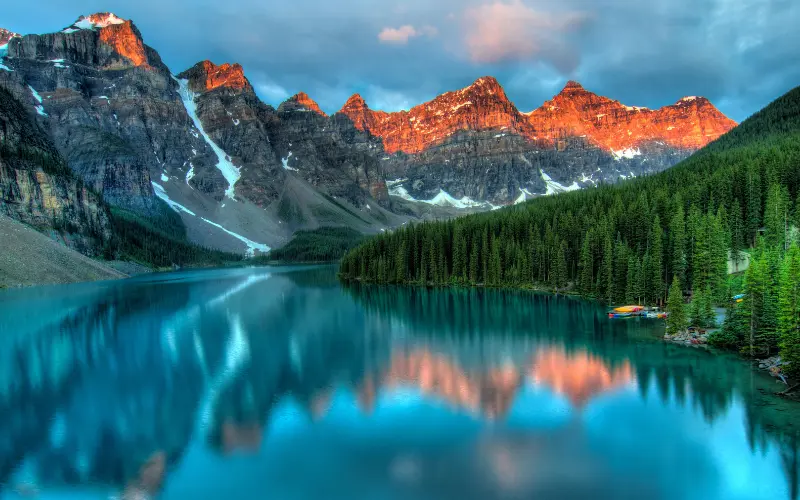
The best time to visit Chile depends on where you want to go. Chile stretches from the dry Atacama Desert in the north to the mountains, lakes, and glaciers of Patagonia in the south, so the weather can be very different across the country at the same time.
For most travelers, March to April and October to November are excellent months for a wider trip because the weather is generally comfortable and you can avoid some of the busiest summer periods. If Patagonia is your main goal, December to February offers the best conditions for hiking and outdoor activities.
Chile has four main seasons, but they work on the opposite schedule to Europe and North America:
- Summer: December to February
- Fall: March to May
- Winter: June to August
- Spring: September to November
The right month ultimately depends on your itinerary.
Read Also:
Chile’s Climate and Seasons
Chile’s unusual geography makes its climate difficult to describe with one simple seasonal pattern.
In the north, the Atacama Desert is known as one of the driest places on Earth. Days can be sunny and warm while nights become surprisingly cold, particularly in higher areas.
Central Chile, including Santiago and the wine regions, has a Mediterranean-style climate. Summers are generally warm and dry, while winters are cooler and bring most of the region’s rainfall.
Further south, the weather becomes cooler and wetter. Patagonia can experience strong winds, changing conditions, and cold temperatures even during summer.
Rapa Nui, also known as Easter Island, has a subtropical climate and does not follow the same weather pattern as mainland Chile.
Summer: December to February
Summer is the busiest travel season, particularly in Patagonia. Long daylight hours make it the most popular period for hiking, sightseeing, and road trips in southern Chile.
Santiago and central Chile are warm and mostly dry, while the north remains suitable for desert adventures.
The main downside is higher demand in popular destinations, especially around Patagonia.
Fall: March to May
Fall brings cooler temperatures and fewer visitors in many parts of Chile.
March and April can be particularly appealing for travelers who want a balance between pleasant weather and smaller crowds. Central Chile’s vineyards are also an attractive reason to visit during this period.
By May, southern Chile becomes colder and wetter, and some outdoor services and routes begin operating on a more limited schedule.
Winter: June to August
Winter is the best season for skiing and snow sports in the mountains near Santiago and other parts of central Chile.
Santiago itself is cooler, with most of its annual rainfall occurring during winter. Northern Chile remains relatively dry, although high-altitude destinations can be extremely cold at night.
Patagonia is much more challenging during winter. Shorter daylight hours, snow, cold temperatures, and limited access make it a very different experience from the summer hiking season.
Spring: September to November
Spring gradually brings warmer weather and longer days.
September can still feel cool in central and southern Chile, but conditions improve through October and November. These months can be a good choice if you want to travel before the peak summer season.
In Patagonia, November is increasingly suitable for hiking, although conditions can still change quickly.
Best Time to Visit Chile for Festivals and Events
Chile’s summer months tend to have the busiest calendar of outdoor festivals, cultural celebrations, and local events.
January and February are especially lively in many destinations because of the warm weather and summer holiday period. Coastal towns become busier, and cities and communities host concerts, cultural events, and seasonal celebrations.
Wine lovers may also want to plan around the grape harvest season, which takes place mainly in late summer and fall. March is an interesting time to explore Chile’s wine regions because harvest-related activities and celebrations take place in several wine-producing areas.
Local festivals can vary considerably from one region to another, so check the event calendar for the specific places you plan to visit before booking your trip.
If experiencing local culture is a major reason for your visit, you may find that a particular festival is more important than choosing Chile’s general “best” travel season.
Best Time to Visit the Atacama Desert
The Atacama Desert can be visited throughout much of the year, making it one of the easier Chilean destinations to fit into your itinerary.
The biggest consideration is not simply the season but the time of day and altitude.
Days are often sunny and dry, while temperatures can drop sharply after sunset. Higher attractions around San Pedro de Atacama can be particularly cold in the early morning.
For sightseeing, sunrise tours, salt flats, lagoons, and desert landscapes, many months can work well.
Stargazing is another major reason to visit the Atacama. The exceptionally dry conditions and clear skies have made the region famous for astronomical observation.
One thing to keep in mind is that the Altiplano can receive summer rainfall, particularly during the period sometimes known as the Bolivian winter. This does not mean the entire Atacama becomes rainy, but weather at higher elevations can be less predictable.
If you dislike extreme temperature changes, spring and fall can be comfortable choices. If clear skies and astronomy are your priority, check the expected moon phase as well as the weather.
Best Time to Go Rapa Nui (Easter Island)
Rapa Nui is warm throughout the year, but weather conditions and visitor numbers change with the seasons.
December to March is generally the warmer part of the year and attracts more visitors. This is also when you are more likely to find a lively atmosphere around the island.
March can be an attractive shoulder-season option if you want warm conditions without visiting at the busiest point of the summer.
Rain is possible throughout the year, so there is no completely dry season to rely on. The island’s weather can also change quickly.
For most visitors, the main attraction is spending time outdoors at archaeological sites, volcanic landscapes, beaches, and viewpoints. Because ofthis, comfortable temperaturesand manageable rainfall are more important than finding a perfectly dry month.
If you are planning your trip around a major cultural event on Rapa Nui, such as the Tapati Rapa Nui festival, the event dates should take priority over general seasonal advice.
Read Also:
Best Time to Visit Patagonia and Torres del Paine
For most travelers heading to Patagonia, December through February is the easiest period for hiking and outdoor adventures.
These summer months bring longer daylight hours and generally more practical conditions for exploring places such as Torres del Paine National Park. However, summer is also the busiest season, and strong winds are still common.
Do not assume that summer means consistently warm weather. Patagonia’s conditions can change quickly, and you may experience sun, rain, wind, and cold temperatures within the same day.
November and March can be good shoulder-season choices. You may encounter fewer visitors, while many hiking and sightseeing opportunities are still available. Conditions become more variable, though, so check trail and transport availability before traveling.
Winter, from June through August, is a completely different experience. Snow and cold temperatures can make some areas difficult to access, and daylight hours are much shorter.
If your priority is the classic Patagonia hiking experience, summer is the safest choice. If you care more about quieter trails and are comfortable with more variable conditions, the shoulder seasons can be rewarding.
Best Time to Visit Santiago and Central Chile
Santiago is one of the easier destinations to visit because it has a relatively predictable Mediterranean-style climate.
Summer, from December to February, is warm and mostly dry. It is a good period for sightseeing, outdoor dining, and exploring the surrounding mountains and wine regions.
There is an interesting advantage to visiting Santiago during summer: many locals leave the capital for their holidays, so parts of the city can feel quieter than you might expect.
Winter is cooler and wetter. Rain is more common from June to August, while the nearby Andes receive snow, making this a popular time for skiing.
Spring and fall offer a good middle ground. Temperatures are generally more comfortable for walking around the city, and you can combine Santiago with nearby destinations without dealing with the extremes of summer or winter.
Central Chile is also home to many important wine regions. March and April are particularly interesting for travelers who want to experience the country’s vineyards during harvest season.
If you want to combine Santiago, wine country, and coastal destinations such as Valparaíso, spring and fall are particularly appealing.
Best Time to Visit Chile by Month
| Month | What to Expect |
|---|---|
| January | Peak summer, excellent for Patagonia hiking, warm conditions in central Chile, and plenty of festivals and events. |
| February | Warm summer weather, busy tourist season, and good conditions for Patagonia and southern Chile. |
| March | Crowds begin to ease, with good conditions in many areas and harvest season in Chile’s wine regions. |
| April | Cooler temperatures and a strong shoulder-season option, particularly for central Chile and wine country. |
| May | Cooler and wetter conditions begin to arrive in central and southern Chile, while northern Chile remains easier to explore. |
| June | Winter begins, bringing snow to the Andes and the start of the main ski season. |
| July | Cold winter conditions, with good opportunities for skiing but less practical conditions for Patagonia hiking. |
| August | Ski season continues, while central Chile remains cool and parts of the south are cold and wet. |
| September | Spring begins, temperatures gradually rise, and Chile celebrates its national holidays in September. |
| October | Warmer spring weather and fewer visitors than during the peak summer months make this a good time for a broader trip. |
| November | Increasingly warm conditions and longer days, with Patagonia becoming more suitable for outdoor activities before summer crowds arrive. |
| December | Summer begins, Patagonia enters its main hiking season, and visitor numbers start increasing. |