12 Best Things to Do in Colombia for an Unforgettable Trip
Published: 7 Aug 2026
Colombia is one of those countries that keeps surprising you. Most people come for Cartagena or the famous coffee region, but you’ll also find Caribbean beaches, towering wax palms, colorful towns, Amazon rainforest, and mountains that feel a world away from the coast. No matter how you like to travel, there are plenty of unforgettable things to do in Colombia.
If it’s your first visit, don’t let old headlines shape your expectations. Colombia has become one of South America’s most rewarding destinations, with friendly locals, vibrant culture, and incredible natural diversity. Like anywhere, it’s worth planning your route, following local advice, and staying aware of your surroundings.
This guide covers the best things to do in Colombia, including the top places to visit in Colombia, practical travel tips, and a few experiences that many first-time visitors overlook.
Must-See Places and Things to Do in Colombia
If you’re planning your first trip, these are the places worth adding to your itinerary.
- Cartagena’s Walled City is the best choice for colonial architecture, historic plazas, and Caribbean charm.
- Medellín stands out for its street art, cable cars, and vibrant neighborhoods.
- Walk beneath the world’s tallest wax palms in Cocora Valley.
- Climb the 740 steps to the top of El Peñol Rock for sweeping views of the Guatapé reservoir.
- Guatapé is known for its colorful zócalos, waterfront cafés, and laid-back atmosphere.
- Coastal trails, rainforest, and sandy beaches make Tayrona National Park a favorite among nature lovers.
- A visit to the Coffee Region offers the chance to tour a working coffee farm and learn how Colombian coffee is produced.
- Bogotá combines colonial streets, renowned museums, and panoramic views from Monserrate.
- Head to the Rosario Islands for snorkeling, swimming, and a day by the Caribbean Sea.
- The Lost City (Ciudad Perdida) is one of Colombia’s most rewarding multi-day hikes.
- Caño Cristales draws visitors with its seasonal display of vibrant colors.
- Finish your trip on San Andrés Island, where clear Caribbean water and coral reefs are the main attraction.
Read Also:
1. Explore Cartagena’s Walled City
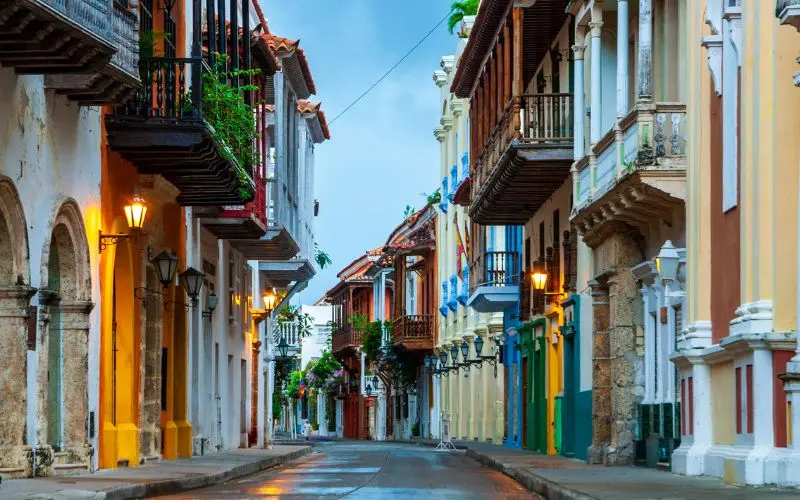
Cartagena’s Walled City is one of the highlights of any trip to Colombia. This UNESCO World Heritage Site is known for its colonial architecture, flower-filled balconies, centuries-old churches, and lively plazas that reflect the city’s Caribbean character. The historic center is compact, making it easy to explore on foot without following a fixed route.
Take time to wander the narrow streets, visit Plaza Bolívar and Plaza Santo Domingo, and walk along the old city walls overlooking the Caribbean Sea. Just outside the historic center, Getsemaní offers a different side of Cartagena, with colorful murals, local cafés, and a more laid-back atmosphere. If you have an extra day, a boat trip to the Rosario Islands is one of the most popular excursions from the city.
Two or three days is enough to experience Cartagena without rushing between attractions. The cooler hours of the morning and late afternoon are the most comfortable for sightseeing, especially during the warmer months. Staying inside or close to the Walled City also makes it easier to enjoy the quieter streets before they become busy later in the day.
2. Visit Medellín
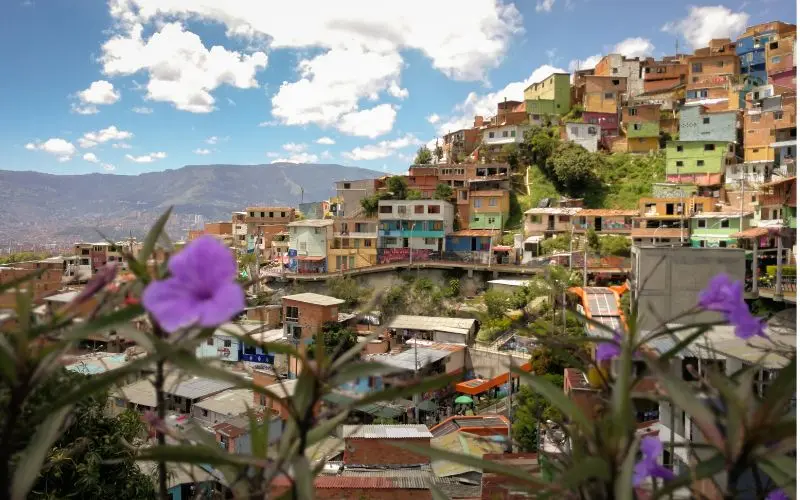
Medellín has changed dramatically over the past few decades and is now one of Colombia’s most popular cities. Surrounded by green mountains, it enjoys spring-like temperatures throughout the year, giving it the nickname City of Eternal Spring. Visitors come for its creative energy, public art, modern transport system, and neighborhoods that each have their own character.
Start with Plaza Botero to see the oversized sculptures by Colombian artist Fernando Botero, then ride the Metrocable for panoramic views across the valley. Comuna 13 is another highlight, known for its colorful murals, outdoor escalators, and local guides who share the neighborhood’s remarkable transformation. In the evening, El Poblado and Laureles are popular areas for restaurants, cafés, and nightlife.
Plan to spend at least three days in Medellín so you have time to explore the city and take a day trip to Guatapé. The weather is pleasant year-round, but afternoons often bring short showers, so carrying a light rain jacket is a good idea. The Metro and Metrocable are safe, affordable, and one of the easiest ways to get around the city.
3. Hike Through Cocora Valley
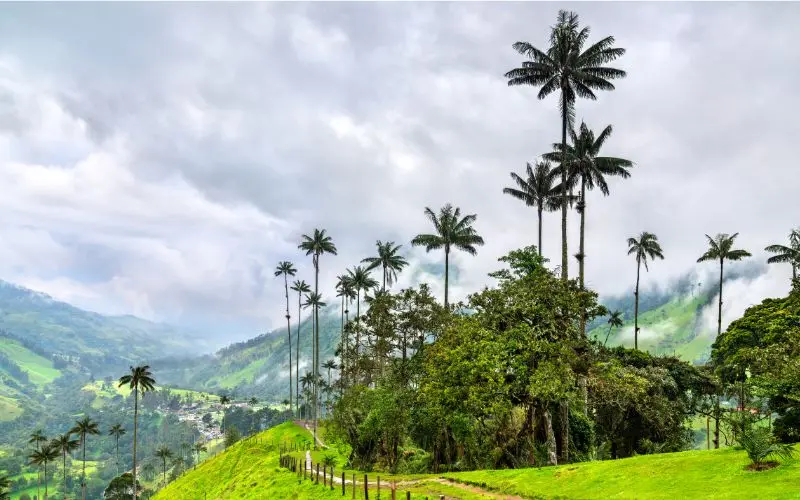
Cocora Valley is home to Colombia’s national tree, the wax palm, which can grow over 60 meters (200 feet) tall. Rising above rolling green hills, these towering palms create one of the country’s most recognizable landscapes. Located near the town of Salento in the Coffee Region, the valley is a favorite for hiking, photography, and nature lovers.
The main hiking loop takes around four to six hours, passing cloud forests, rivers, wooden bridges, and viewpoints with sweeping views of the valley. If you prefer a shorter visit, you can walk part of the trail to see the wax palms without completing the full loop. After your hike, spend some time exploring Salento, a small town known for its colorful streets, local cafés, and artisan shops.
Allow a full day for Cocora Valley, and start your hike early to avoid the busiest hours and improve your chances of clear views before afternoon clouds roll in. The trails can be muddy after rain, so waterproof hiking shoes and a light rain jacket are useful in any season.
4. Climb El Peñol Rock
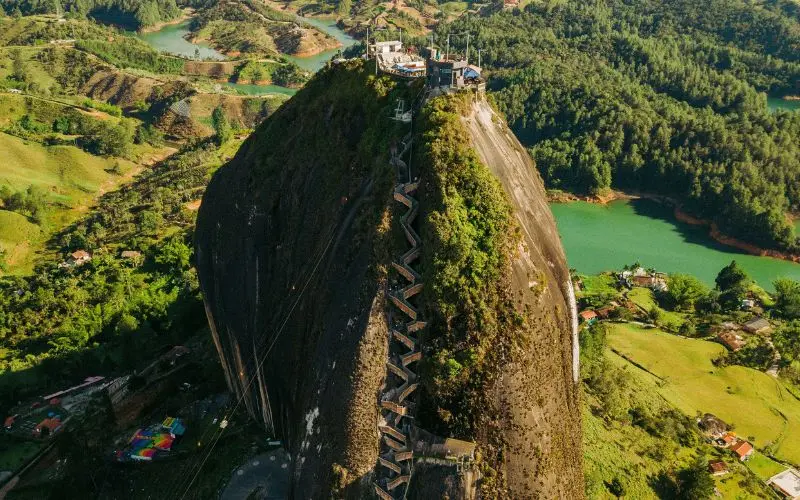
Rising more than 200 meters (650 feet) above the surrounding countryside, El Peñol Rock is one of Colombia’s most famous viewpoints. Climbing the 740 steps to the top takes some effort, but the reward is a panoramic view of the lakes and small islands that surround Guatapé. From the top, the patchwork of blue water and green hills is one of Colombia’s most memorable views.
Most visitors combine El Peñol Rock with a trip to Guatapé, a colorful lakeside town about two hours from Medellín. After reaching the summit, wander through Guatapé’s streets to admire the brightly painted zócalos decorating the lower walls of homes and shops, enjoy lunch by the waterfront, or take a boat tour across the reservoir.
A full-day trip from Medellín gives you enough time to visit both attractions without feeling rushed. The climb can be challenging in the midday heat, so arriving early makes the ascent more comfortable. Bring water, wear comfortable shoes, and take your time on the stairs if you need a break.
5. Visit Tayrona National Park
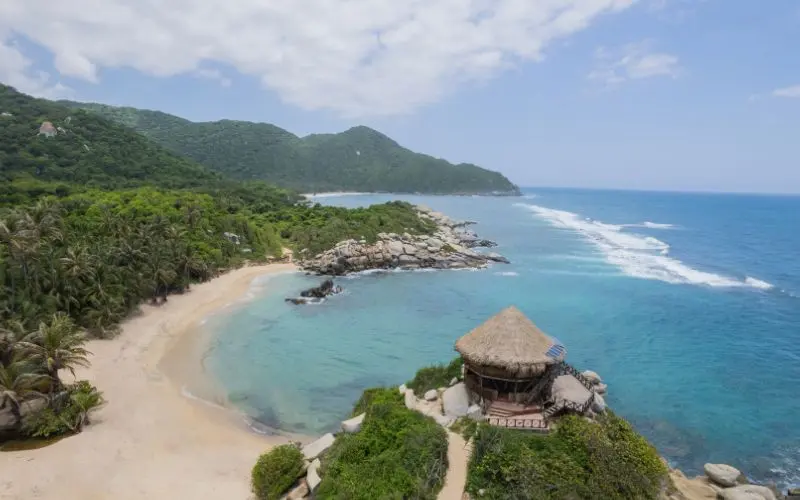
Tayrona National Park combines rainforest-covered mountains with some of Colombia’s most beautiful Caribbean beaches. Located on the country’s northern coast, the park is known for its scenic hiking trails, rich wildlife, and stretches of golden sand backed by giant granite boulders. It’s a favorite destination for hikers, beach lovers, and anyone looking to experience Colombia’s natural beauty.
Most visitors enter through El Zaino and follow the trail to beaches such as Arrecifes, La Piscina, and Cabo San Juan. Along the way, you may spot monkeys, iguanas, tropical birds, and other wildlife living within the park. Swimming is only permitted at designated beaches, as strong currents make many parts of the coastline unsafe.
Set aside a full day to explore the park, or stay overnight at one of the eco-lodges or campsites for a quieter experience after most day visitors leave. Carry plenty of water, wear lightweight clothing, and check the park’s opening dates before your trip, as Tayrona closes for several weeks each year to support conservation efforts.
6. Wander Through Guatapé
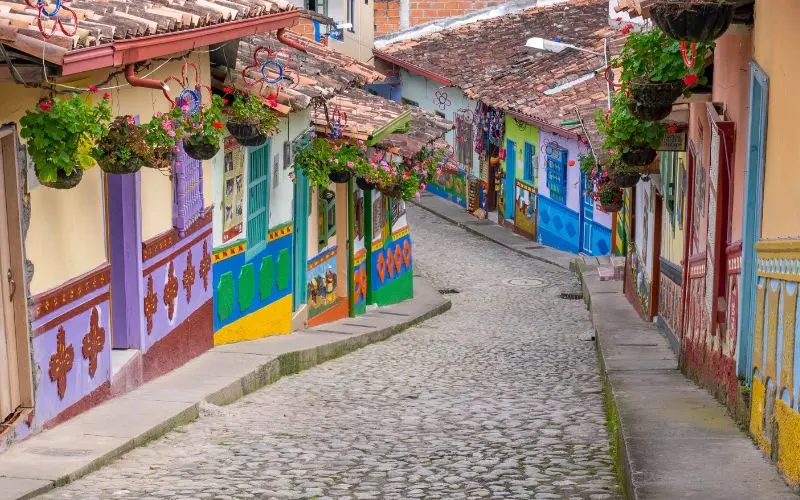
Guatapé is one of Colombia’s most colorful towns, famous for its brightly painted buildings and relaxed lakeside setting. Almost every home is decorated with zócalos, decorative panels that tell stories about the town’s history, local traditions, or the families who live there. Walking through the streets is one of the best ways to appreciate Guatapé’s unique character.
Spend time exploring the central square, browsing local craft shops, and enjoying a meal at one of the cafés overlooking the waterfront. Boat tours on the reservoir offer a different perspective of the surrounding hills, islands, and luxury lakeside homes. If you’re visiting from Medellín, Guatapé is usually combined with El Peñol Rock, making it one of Colombia’s most popular day trips.
Plan to arrive early if you’re visiting on a weekend or public holiday, as the town becomes much busier later in the day. Even after the crowds increase, it’s easy to find quieter streets just a few minutes away from the main square, where you can enjoy Guatapé’s colorful architecture at a slower pace.
7. Tour a Coffee Farm in the Coffee Region
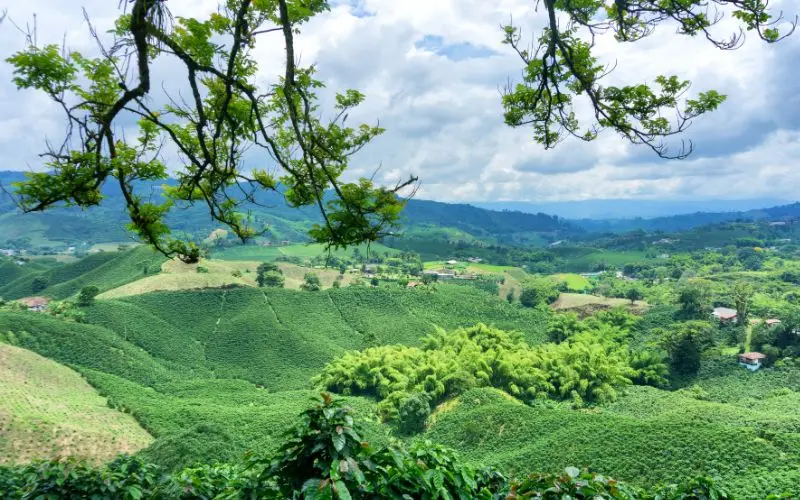
No trip to Colombia feels complete without visiting a traditional coffee farm. The Coffee Region, also known as the Eje Cafetero, is where many of the country’s world-famous Arabica beans are grown. Rolling green hills, small family-run farms, and picturesque towns make this one of Colombia’s most rewarding regions to explore.
A guided coffee tour takes you through the entire process, from growing and harvesting the beans to roasting and brewing the final cup. Many farms also explain how Colombia’s climate, altitude, and volcanic soil influence the flavor of its coffee. Even if you’re not a coffee enthusiast, the scenery alone makes the visit worthwhile.
Salento, Filandia, and Pijao are excellent bases for exploring the Coffee Region, with many farms located a short drive from each town. Plan to spend at least two or three days here so you can combine a coffee tour with a visit to Cocora Valley and explore the region’s scenic villages at a relaxed pace.
8. Discover Bogotá
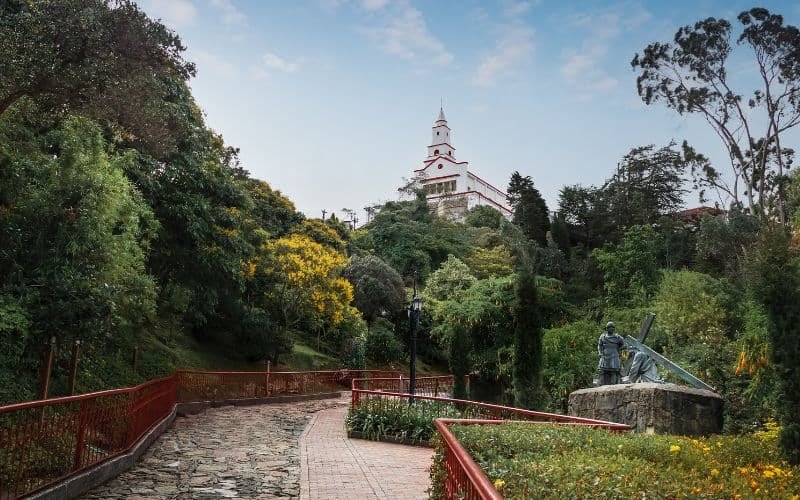
As Colombia’s capital, Bogotá offers a different side of the country. Sitting more than 2,600 meters (8,660 feet) above sea level in the Andes, the city combines colonial landmarks with modern neighborhoods, world-class museums, and a growing food scene. It’s a great place to learn about Colombia’s history before exploring the rest of the country.
Begin in La Candelaria, Bogotá’s historic district, where cobbled streets lead past colorful buildings, churches, and small cafés. Nearby, the Gold Museum houses one of the world’s largest collections of pre-Hispanic gold artifacts, while the Botero Museum showcases works by Colombia’s most celebrated artist, Fernando Botero, alongside pieces by international masters. For panoramic views of the city, ride the cable car or funicular to the top of Monserrate.
Spend at least two days in Bogotá to explore its main attractions without rushing. The city’s high elevation means temperatures stay cool throughout the year, so carrying a light jacket is a good idea, even on sunny days. Bogotá’s traffic can be heavy, so staying in neighborhoods like La Candelaria, Chapinero, or Zona G makes sightseeing more convenient.
9. Relax in the Rosario Islands
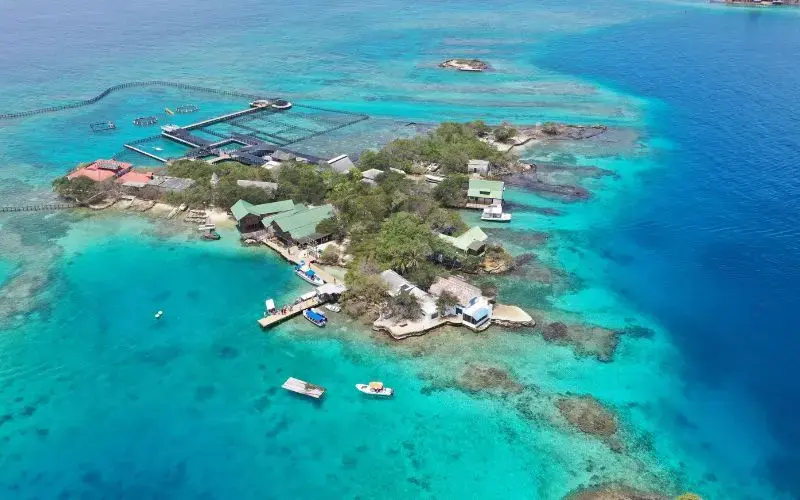
Just off the coast of Cartagena, the Rosario Islands are a collection of tropical islands known for their white-sand beaches, turquoise water, and coral reefs. They’re one of the best places in Colombia to unwind after exploring the country’s cities and are a popular choice for swimming, snorkeling, and island hopping.
Most visitors reach the islands by speedboat from Cartagena, with day trips departing every morning. Isla Grande is the largest island and offers a quieter atmosphere, while other islands have beach clubs, waterfront restaurants, and clear waters ideal for snorkeling. If you prefer a slower pace, staying overnight lets you enjoy the beaches after most day visitors have returned to the mainland.
A full-day trip is enough to experience the Rosario Islands, but an overnight stay gives you more time to relax and explore. The Caribbean sun is strong throughout the year, so bring reef-safe sunscreen, plenty of water, and cash for small purchases, as not every island accepts card payments.
10. Trek to the Lost City (Ciudad Perdida)
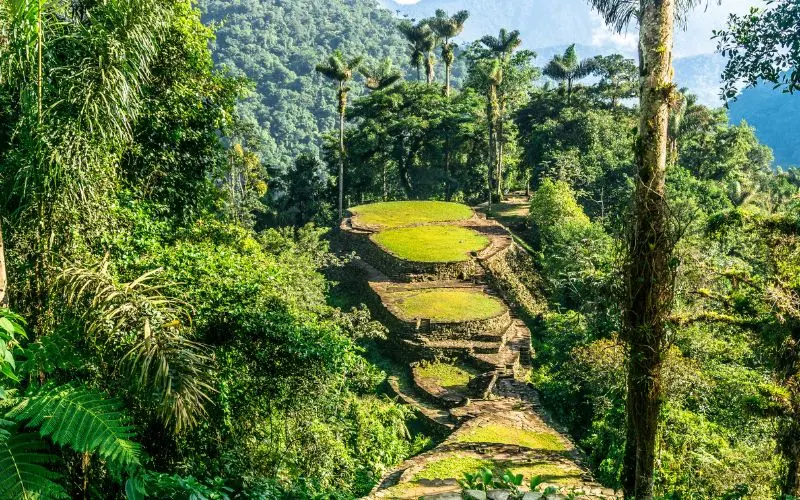
Hidden deep in the Sierra Nevada de Santa Marta, the Lost City is one of Colombia’s most remarkable archaeological sites. Built centuries before Machu Picchu, this ancient settlement can only be reached on foot, making the journey as memorable as the destination itself. The multi-day trek passes through tropical rainforest, river crossings, and Indigenous communities before reaching the stone terraces at the summit.
The hike usually takes four or five days and covers rugged terrain, so a reasonable level of fitness is recommended. Along the way, local guides share the history of the region and the traditions of the Indigenous communities that continue to protect the area. Reaching the Lost City after days on the trail is a rewarding experience that many travelers consider the highlight of their trip to Colombia.
The trek can only be completed with an authorized tour operator, and places often fill up during the busiest travel months. Lightweight clothing, sturdy hiking shoes, insect repellent, and a waterproof bag are useful, as the trail is hot, humid, and can become muddy after rain.
11. See the Colors of Caño Cristales
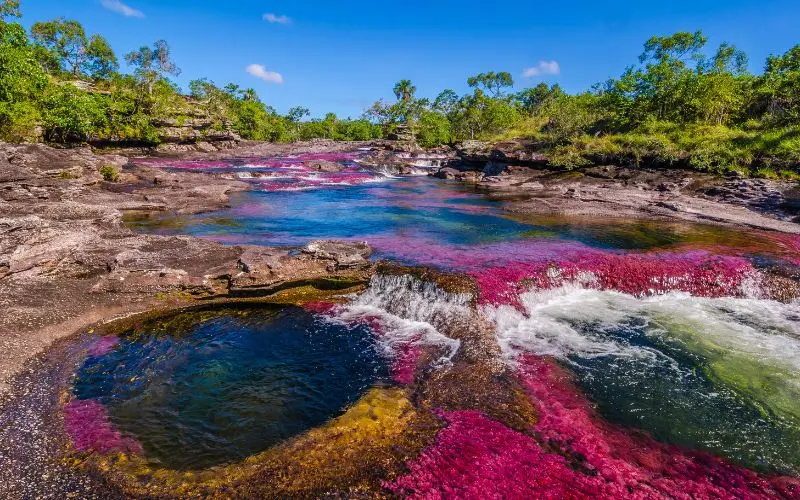
Often called the “River of Five Colors,” Caño Cristales is one of Colombia’s most extraordinary natural attractions. During the right season, aquatic plants turn the river shades of red, yellow, green, blue, and black, creating a landscape unlike anywhere else in the world. Located in Serranía de la Macarena National Park, it’s a destination that attracts photographers, hikers, and nature lovers from around the globe.
Visits to Caño Cristales are guided to help protect its fragile ecosystem. Walking trails lead to waterfalls, natural pools, and viewpoints where you can appreciate the river’s vibrant colors up close. Swimming is only allowed in designated areas, and visitors are asked to follow strict conservation rules to preserve the environment.
The best time to visit is generally between June and November, when water levels and aquatic plants create the river’s famous colors. Trips usually begin from the town of La Macarena, and visitor numbers are limited, so booking transport and guided tours in advance is recommended.
12. Visit San Andrés Island
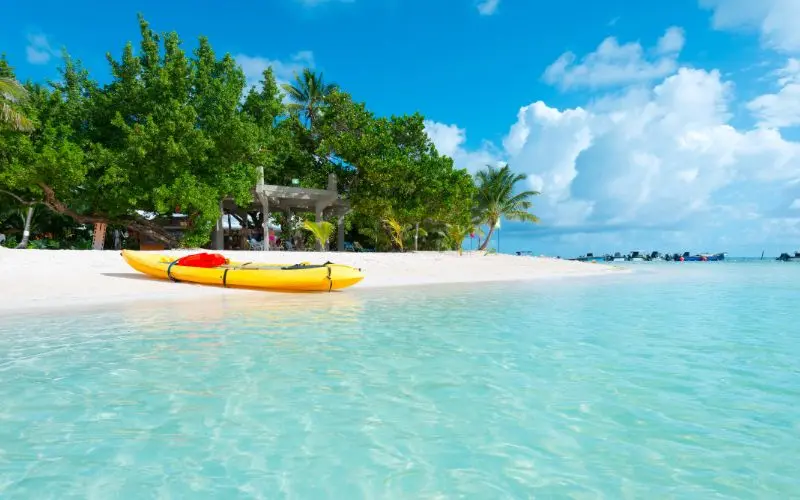
San Andrés Island is one of Colombia’s best beach destinations, famous for its crystal-clear Caribbean water known as the “Sea of Seven Colors.” Surrounded by coral reefs and white-sand beaches, the island is a favorite for snorkeling, scuba diving, kayaking, and anyone looking for a slower pace after exploring Colombia’s cities and mountains.
Spratt Bight Beach is the island’s most popular stretch of sand, while Johnny Cay and Haynes Cay are easy day trips with shallow turquoise water and excellent snorkeling. Renting a golf cart or scooter is a popular way to explore the island, giving you the freedom to stop at scenic viewpoints, quiet beaches, and local seafood restaurants along the coast.
Two or three days is enough to enjoy San Andrés without rushing. The dry season, from December to April, usually brings the sunniest weather, although the island is a year-round destination. Flights from Bogotá, Medellín, and Cartagena make it easy to include San Andrés at the beginning or end of your Colombia itinerary.
Best Time to Visit Colombia
Colombia is a year-round destination, but the best time to visit depends on where you plan to go. Because the country has mountains, rainforests, Caribbean beaches, and high-altitude cities, the weather can vary from one region to another. For most travelers, December to March and July to August offer the driest conditions, making it easier to explore cities, national parks, and hiking trails.
If your itinerary includes Cartagena, Medellín, Bogotá, the Coffee Region, and Guatapé, the dry months are ideal for sightseeing and outdoor activities. Tayrona National Park is also more enjoyable when rainfall is lower, although it’s worth checking the park’s annual closure dates before planning your visit.
Traveling during the April to June or September to November rainy seasons can mean fewer crowds and lower accommodation prices. Showers are often short, especially in the afternoon, so it’s still possible to enjoy many attractions with a flexible schedule.
If Caño Cristales is on your itinerary, plan your trip between June and November, when the river displays its famous colors. For beach holidays in San Andrés or the Rosario Islands, warm weather is common throughout the year, although December to April usually brings more sunshine and calmer conditions.
For first-time visitors covering several destinations, December to March is generally the best time to visit Colombia, offering pleasant weather for city breaks, hiking, coffee tours, and Caribbean beaches.
How Many Days Do You Need in Colombia?
The ideal length of your trip depends on how much of Colombia you want to see. The country is larger than many first-time visitors expect, and traveling between regions often requires domestic flights or long bus journeys. Instead of trying to fit everything into one trip, focus on a few destinations and spend enough time to enjoy each one.
A 7-day itinerary is enough to visit Cartagena, Medellín, and Guatapé or the Coffee Region. This is a good option if it’s your first visit and you want to experience Colombia’s history, culture, and landscapes without rushing.
With 10 days, you can add destinations such as Tayrona National Park, Bogotá, or the Rosario Islands. This gives you a more balanced trip, combining cities, beaches, and nature.
If you have two weeks or more, you’ll have time to include places like the Lost City Trek, Caño Cristales, or San Andrés Island. A longer itinerary also gives you flexibility for hiking, coffee tours, and slower travel between destinations.
No matter how long you stay, avoid trying to see too much in a short time. Spending an extra day in fewer places usually makes for a more enjoyable trip than constantly moving between cities.
Tips for Visiting Colombia
A little planning can make your trip to Colombia much smoother. Here are a few things to know before you go.
Currency: Colombia uses the Colombian Peso (COP). Credit cards are widely accepted in cities, hotels, and larger restaurants, but carrying some cash is useful for markets, taxis, and smaller businesses.
Language: Spanish is the official language. English is spoken in many tourist areas, but learning a few basic Spanish phrases can make everyday interactions easier.
Getting Around: Domestic flights are the fastest way to travel between major destinations such as Bogotá, Medellín, Cartagena, and San Andrés. Buses are available across the country and are a good option for shorter journeys.
Altitude: Bogotá sits at more than 2,600 meters (8,660 feet) above sea level. Some visitors notice the thinner air during their first day, so take it easy, drink plenty of water, and avoid overexertion if needed.
Safety: Colombia is much easier to explore than it once was, but it’s still important to stay aware of your surroundings. Keep valuables out of sight, use trusted transport, and follow local advice, especially at night.
What to Pack: Lightweight clothing works well for the Caribbean coast, while Bogotá and mountain regions can be much cooler. Comfortable walking shoes, a light rain jacket, sunscreen, and insect repellent are useful for most itineraries.
Connectivity: Buying a local SIM card or using an eSIM is an easy way to stay connected for maps, transport apps, and online bookings throughout your trip.