Top 10 Largest Zoos in Asia Ranked by Area, Animals & Experiences
Published: 1 Apr 2026
Asia is home to some of the largest and most diverse zoos in the world. Asia’s biggest zoos stretch over hundreds even thousands of acres and host thousands of animals from exotic birds to giant mammals.
Sri Venkateswara Zoological Park in Tirupati is considered one of the largest zoos in Asia by area. It spans over 1,250 hectares (3,000+ acres) of officially managed land, with an extended forest-based ecosystem often cited at around 5,500 acres, making it one of the largest wildlife landscapes in India.
In this guide I will take you through the top 10 largest zoos in Asia ranked by land area, animal count and visitor experience.
Top 10 Largest Zoos in Asia by Area and Number of Animals
The table below compares the biggest zoos in Asia based on verified land area, wildlife diversity and official records helping you quickly understand how each one ranks and what makes them unique.
Largest Zoos in Asia (Ranked by Area)
Sri Venkateswara Zoological Park
📍 Location: India
📏 Area: 1,254 ha (3,099 acres)
🐾 Species: ~84 (official record)
⭐ Highlight: Largest zoo in Asia by land area, forest safari habitat
Khao Kheow Open Zoo
📍 Location: Thailand
📏 Area: ~800 ha (2,000 acres)
🐾 Animals: ~8,000+
⭐ Highlight: Large open-range safari zoo
Arignar Anna Zoological Park
📍 Location: India
📏 Area: 602 ha
🐾 Animals: ~2,389
⭐ Highlight: India’s largest developed zoo facility
Vinpearl Safari Phu Quoc
📍 Location: Vietnam
📏 Area: ~500 ha
🐾 Animals: ~3,000+
⭐ Highlight: Safari + conservation park
Naypyidaw Zoological Gardens
📍 Location: Myanmar
📏 Area: ~243 ha
🐾 Animals: ~1,200+
⭐ Highlight: Large safari-style national zoo
Seoul Zoo
📍 Location: South Korea
📏 Area: ~242 ha
🐾 Animals: ~3,200+
⭐ Highlight: Forest-integrated urban zoo
Taipei Zoo
📍 Location: Taiwan
📏 Area: ~165 ha
🐾 Animals: ~2,500+
⭐ Highlight: Panda + rainforest ecosystems
Ragunan Zoo
📍 Location: Indonesia
📏 Area: ~140 ha
🐾 Animals: ~3,000+
⭐ Highlight: Tropical biodiversity zoo
Singapore Zoo
📍 Location: Singapore
📏 Area: ~28 ha
🐾 Animals: ~2,800+
⭐ Highlight: World-famous open enclosure design
Ueno Zoo
📍 Location: Japan
📏 Area: ~14 ha
🐾 Animals: ~3,000+
⭐ Highlight: Oldest zoo in Japan, giant pandas
How Zoos Are Ranked (Size vs Experience)
Ever wondered why some zoos make the Top 10 list? It’s not just about size—here’s what matters:
- Land vs Animals: Some zoos are huge but host fewer species; others are smaller but packed with wildlife. Both matter when ranking.
- Open-Range vs Traditional: Safari-style zoos like Khao Kheow or Vinpearl let animals roam freely. City zoos like Ueno focus on variety and accessibility.
- Conservation Impact: Leading zoos run breeding programs and educational shows, adding value beyond just size.
Top 10 Largest Zoos in Asia – Detailed Guide
Here is the list of largest zoos in Asia ranked by area, number of animals and wildlife experiences.
Sri Venkateswara Zoological Park – India
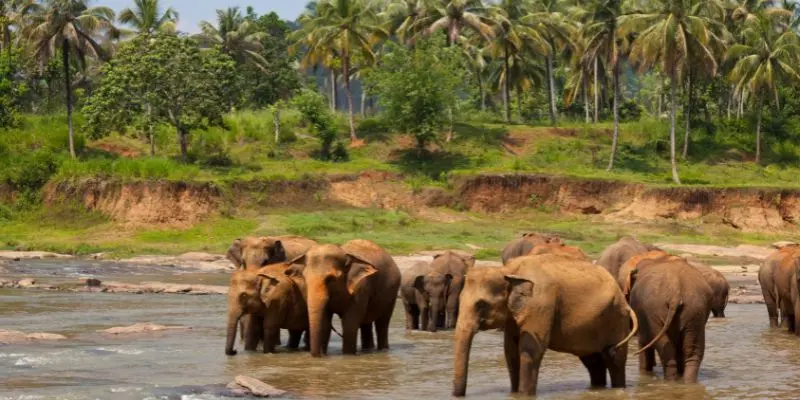
Spanning over 1,254 hectares (3,099 acres), is Asia’s biggest zoo as well as largest zoo in India by area. It is a place where wildlife doesn’t feel confined but completely free. Spread across vast forest landscapes, it is home to around 84 recorded species, including powerful predators, exotic birds and rare reptiles. Walking through its open-range habitats feels less like visiting a zoo and more like stepping into a living wilderness safari.
Fun Fact:
The zoo has a butterfly garden and aviary that are often overlooked by first-time visitors perfect for nature photography enthusiasts.
Unique Experience:
Visitors can enjoy safari-style tours in specially designed vehicles, bringing you close to giraffes, elephants and native Indian wildlife.
Visitor Tip:
Arrive early in the morning to catch the animals at their most active and avoid the afternoon heat.
Khao Kheow Open Zoo – Thailand
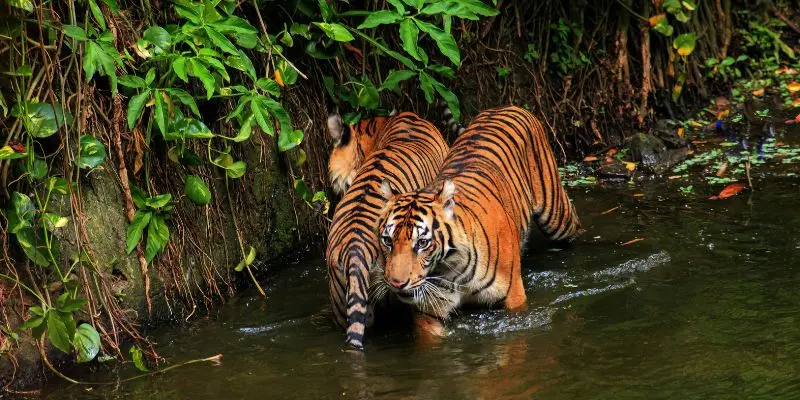
Covering nearly 1,976 acres, Khao Kheow is one of Thailand’s largest and most interactive zoos, home to over 8,000 animals across 300 species. Its open-range design lets you experience wildlife in a natural-style environment.The zoo is often compared with some of the biggest zoos in the world thanks to its expansive grounds and large animal population.
Fun Fact:
The zoo is home to free-roaming deer, exotic birds and several rare species, making it a photographer’s paradise.
Unique Experience:
Visitors can take guided safari tours and animal feeding experiences, including walking among deer and colorful birds.
Visitor Tip:
Plan for a full-day visit to enjoy all the exhibits and live shows without rushing.
Arignar Anna Zoological Park – India
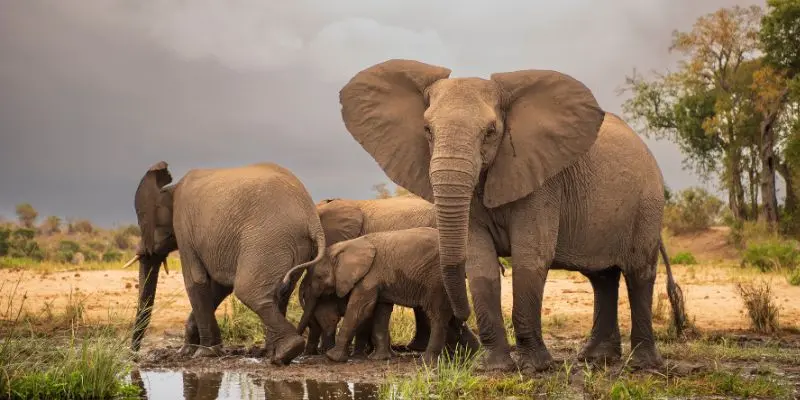
Located near Chennai, Arignar Anna Zoological Park stretches across 602 hectares, making it one of India’s largest zoos. With over 2,389 animals from 170 species, it offers a mix of open-range and traditional enclosures, giving visitors a real sense of wildlife immersion.
Fun Fact:
The zoo has a giant tortoise enclosure and is home to some rare native species like the Indian gharial, making it a standout in South Asia.
Unique Experience:
You can enjoy guided safari tours and explore spacious enclosures where animals roam more freely than in typical city zoos.
Visitor Tip:
Go early in the day to catch animals when they are most active and beat the afternoon heat.
Ueno Zoo – Japan
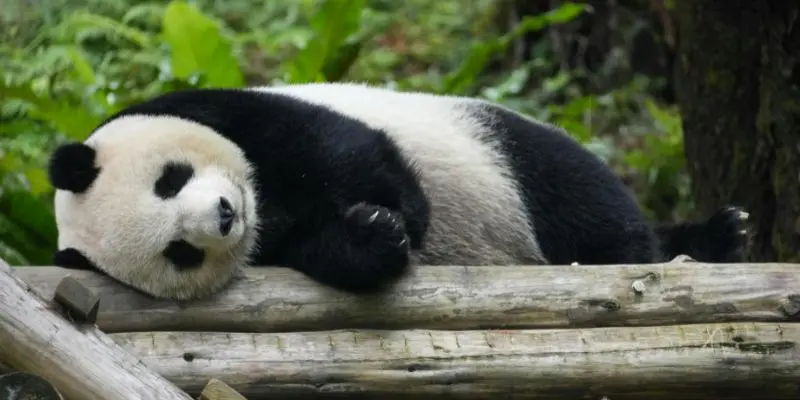
Located in the heart of Tokyo, Ueno Zoo spans 14 hectares and hosts over 3,000 animals across 400 species. It’s famous for giant pandas and is Japan’s oldest zoo, blending history with modern exhibits.
Fun Fact:
Ueno Zoo is home to Japan’s first giant pandas, making it a major attraction for both locals and tourists.
Unique Experience:
Visitors can explore historic buildings, open enclosures, and interactive exhibits, offering a compact but immersive zoo experience right in the city.
Visitor Tip:
Visit on weekday mornings to avoid large crowds and have more time at the panda enclosure.
Ragunan Zoo – Indonesia
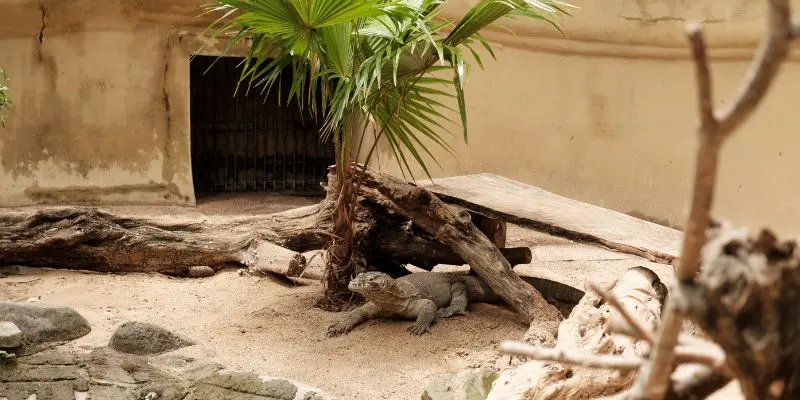
Ragunan Zoo, spread across 140 hectares in Jakarta, is Indonesia’s largest wildlife park, home to over 3,000 animals from more than 270 species. The mix of open enclosures and traditional habitats makes it a lively and immersive experience.
Fun Fact:
It’s the only urban zoo in Indonesia that houses Komodo dragons, giving visitors a rare chance to see these iconic reptiles up close.
Unique Experience:
Walk through the primates island and aviary zones, or join feeding sessions that bring you closer to the animals.
Visitor Tip:
Wear comfortable shoes and stay hydrated, as you’ll be exploring a large park with plenty to see.
Vinpearl Safari & Conservation Park – Vietnam
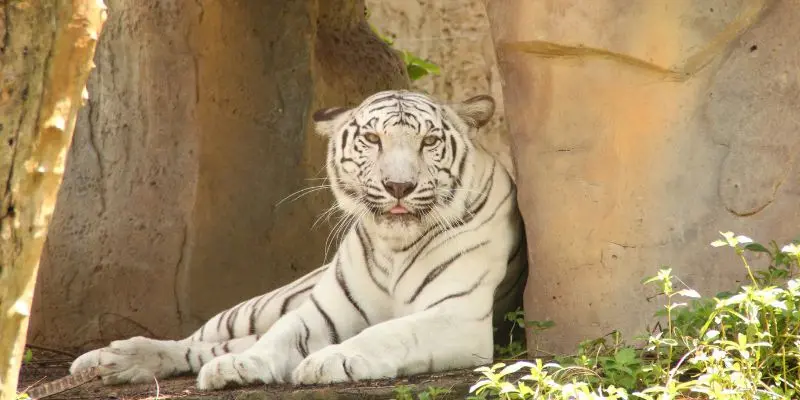
On Phu Quoc Island, Vinpearl Safari spreads across 500 hectares, making it Vietnam’s largest open-range zoo. With 3,000+ animals from Asia and Africa, it’s designed for both wildlife lovers and adventure seekers.
Fun Fact:
The zoo houses rare species like white tigers and black leopards, alongside giraffes and zebras, making it one of Asia’s most diverse animal parks.
Unique Experience:
Take a jeep safari through open habitats, spot animals roaming freely, and enjoy interactive feeding experiences for a hands-on visit.
Visitor Tip:
Start early in the morning to see the animals at their most active and avoid the tropical midday heat.
Singapore Zoo – Singapore
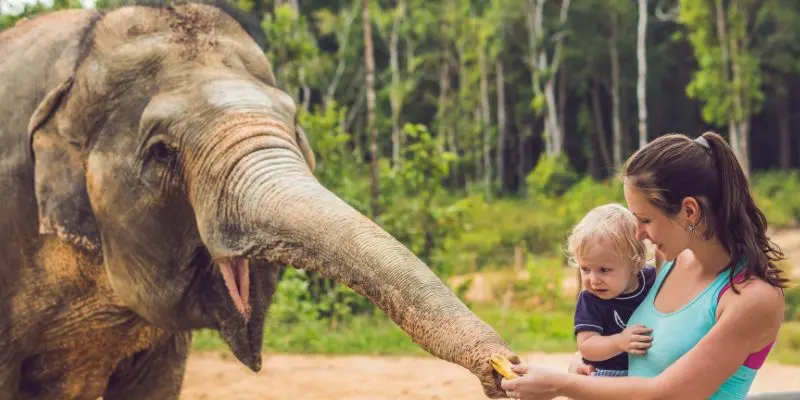
Spanning 28 hectares, the Singapore Zoo is famous worldwide for its “open concept” enclosures, which let visitors observe animals in settings that closely resemble their natural habitats. Home to over 2,800 animals, it’s consistently ranked among best zoos in the world.
Fun Fact:
The zoo pioneered the “open concept”, eliminating cages for most exhibits and creating immersive, naturalistic environments.
Unique Experience:
Guests can enjoy feeding sessions with orangutans and elephants, and the Night Safari experience offers a completely different perspective on nocturnal wildlife.
Visitor Tip:
Book tickets in advance for the Night Safari, and bring sunscreen for daytime exploration.
Seoul Zoo – South Korea
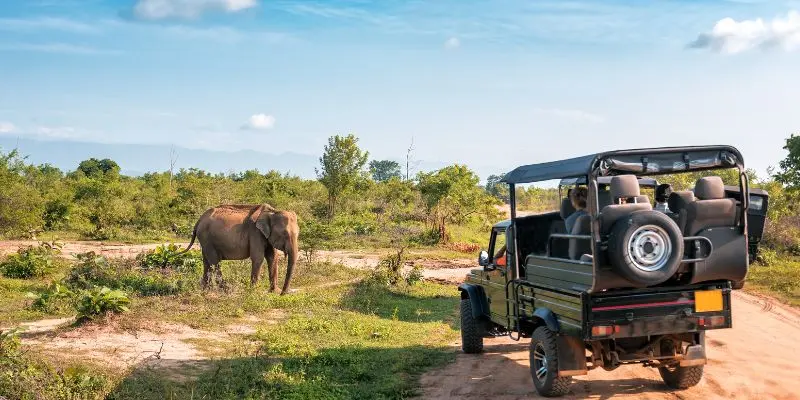
Spanning 242 hectares in Seoul’s Seoul Grand Park, Seoul Zoo is one of Asia’s largest urban zoos, home to over 3,200 animals from 320 species. Its expansive grounds combine open habitats with traditional enclosures, making it ideal for families and wildlife enthusiasts.
Fun Fact:
The zoo includes a dedicated African Safari zone, where giraffes, zebras, and antelopes roam in large open spaces.
Unique Experience:
Visitors can explore interactive feeding areas, bird gardens, and themed exhibits, giving a hands-on wildlife adventure in the heart of Seoul.
Visitor Tip:
Arrive early to enjoy the African Safari section before it gets crowded, and bring water and sun protection.
Taipei Zoo – Taiwan
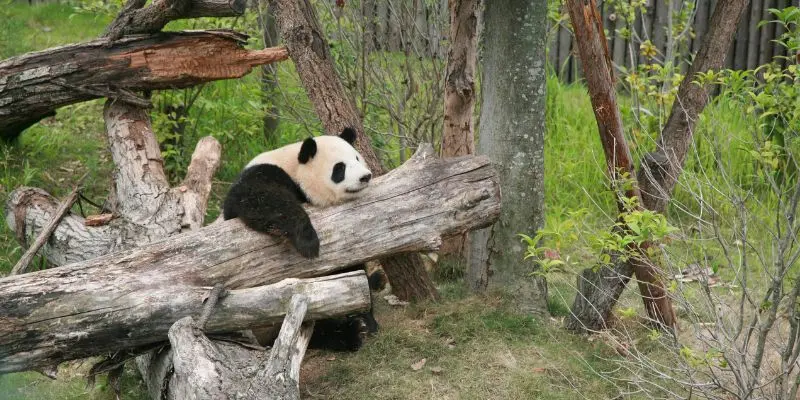
Located in Taipei’s Wenshan District, Taipei Zoo covers 165 hectares and is home to over 2,500 animals from 400 species. It’s famous for giant pandas and its tropical rainforest section, making it a top destination in Asia.
Fun Fact:
Taipei Zoo houses giant pandas on loan from China, as well as Formosan animals native to Taiwan, blending global and local wildlife.
Unique Experience:
Guests can explore rainforest trails, nocturnal animal houses, and panda exhibits, offering a full day of wildlife discovery.
Visitor Tip:
Take the Maokong Gondola from the zoo to enjoy scenic views and tea houses after your visit.
READ ALSO: OLDEST ZOOS IN THE WORLD
Naypyidaw Zoological Gardens – Myanmar
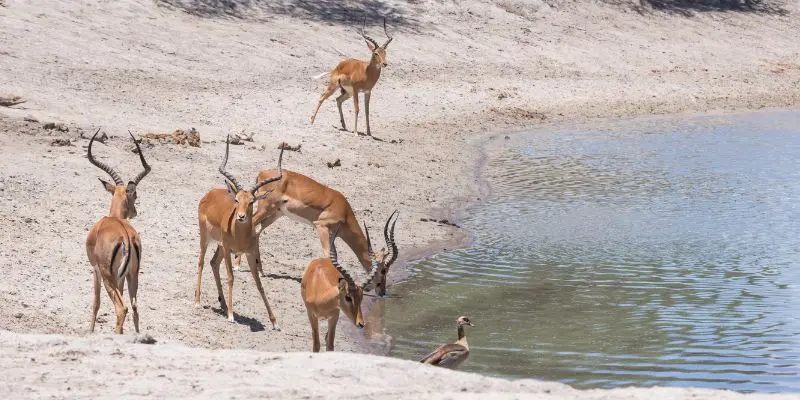
Spanning 243 hectares in Myanmar’s capital, Naypyidaw Zoological Gardens is a safari-style park featuring over 1200 animals from 150 species. It’s one of Southeast Asia’s most spacious zoos, perfect for travelers seeking off-the-beaten-path wildlife experiences.
Fun Fact:
The zoo features large open enclosures for elephants, tigers, and exotic birds, giving a safari feel uncommon in city zoos.
Unique Experience:
Visitors can enjoy guided tours, interactive feeding sessions, and walk-through aviaries, making it an engaging visit for all ages.
Visitor Tip:
Bring comfortable shoes and water, and plan at least half a day to explore the expansive grounds fully.
Which Country Has the Most Zoos in the World?
If you’re curious about global zoo powerhouses, the United States leads with the highest number of zoos.
- Japan and China follow closely, each with dozens of notable wildlife parks.
- In Asia, these countries not only host large zoos but also offer unique experiences and rare species.
Fun fact: While the US has the most zoos, Asia dominates when it comes to open-range, safari-style wildlife parks perfect for travelers who want adventure with their animal encounters.
Best Zoos in Asia (Not Just Size)
Not all the most memorable zoos are the biggest. Some stand out for unique experiences, conservation efforts, and immersive wildlife encounters.
- Singapore Zoo – Singapore: Famous for its open enclosures and “Rainforest KidzWorld”, it offers close encounters with animals and interactive feeding sessions.
- Nandankanan Zoological Park – India: Known for its white tigers and lush botanical gardens, this zoo combines wildlife viewing with a peaceful natural setting.
- Night Safari – Thailand: Located near Chiang Mai, it’s a world-first nocturnal safari, letting visitors see animals active at night in their natural habitats.
- Ocean Park – Hong Kong: A mix of aquatic and terrestrial exhibits, thrilling rides, and conservation programs, offering a complete wildlife adventure.
- River Safari – Singapore: Asia’s first river-themed wildlife park, featuring freshwater species like giant pandas, manatees, and river otters.
- Taipei Zoo’s Rainforest Section – Taiwan: Beyond size, the tropical rainforest exhibits and interactive learning stations make it an educational and fun experience.
Largest Zoo in Asia vs Other Continents
Let’s see how Asia’s biggest zoos compare with those in other parts of the world
- Asia: Sri Venkateswara Zoological Park in India tops the list with 3099 acres and over 2,500 animals, plus open-range safari experiences across Thailand, Vietnam, and Myanmar. Many of these vast wildlife parks rival the biggest zoos in the world in terms of land area and safari-style experiences.
- North America: Zoo Miami (US) spans 750 acres, while San Diego Zoo is smaller in area but highly diverse, famous for conservation programs.See how these parks compare in our guide to the largest zoos in the US.
- Europe: Zoos like Berlin Zoo (Germany) and Parc Zoologique de Paris (France) are compact but house thousands of species in well-designed habitats. Explore our ranking of the largest zoos in Europe for a closer look.
- Australia: Taronga Zoo in Sydney combines moderate size with incredible wildlife diversity, including native Australian species like kangaroos and koalas.
- Africa: Many of the continent’s zoos are smaller, but wildlife reserves and safari parks provide large, open habitats for native animals closer to the safari-style experience found in Asia.
The biggest zoos in Asia provide vast open-range experiences, whereas zoos in North America, Europe and Australia often prioritize species variety and visitor accessibility.
Conclusion
Asia is home to some of the world’s largest and most fascinating zoos, ranging from the vast Sri Venkateswara Zoological Park in India to renowned wildlife destinations like Singapore Zoo, Taipei Zoo, and Khao Kheow Open Zoo. These parks vary greatly in size, animal collections, and visitor experiences, but all play an important role in wildlife conservation, education, and recreation.
While Sri Venkateswara Zoological Park ranks as the largest zoo in Asia by land area, other zoos stand out for their species diversity, open-range habitats, and immersive safari experiences. Whether you’re looking for the biggest zoo in Asia, a family-friendly attraction, or a world-class wildlife adventure, these destinations showcase the incredible diversity of zoos across the continent.
FAQs – Largest Zoos in Asia
Sri Venkateswara Zoological Park in India is the largest zoo in Asia by land area, covering over 1,200 hectares of forest-based wildlife habitat.
Khao Kheow Open Zoo in Thailand and several large Indian zoos are among the top in Asia in terms of animal population, each housing thousands of animals across diverse species.
Singapore Zoo is one of the most visited zoos in Asia, known for its open-concept design and immersive wildlife experiences.
The Alipore Zoological Garden in India, established in 1876, is considered one of the oldest zoos in Asia.
Singapore Zoo, Taipei Zoo and Seoul Zoo are among the best family-friendly zoos in Asia due to their interactive exhibits and well-designed visitor facilities.