Major Mountain Ranges of the World (With Map & List)
Published: 11 Feb 2026
Major mountain ranges of the world shape how our planet looks and feels. They divide continents, control weather, and create some of Earth’s highest peaks.
Mountains form as tectonic plates collide and push the Earth’s crust upward. They influence rivers, climate and even the way people live around them.
There are about 15–20 major mountain ranges across the globe, each with unique peaks, valleys and ecosystems. These ranges also support diverse plants, animals and human cultures, making them essential to life on Earth.
Major Mountain Ranges of the World on a Map
The world’s major mountain ranges stretch across every continent. Each range has its own unique peaks, climate, and history. This labeled map shows their locations clearly, from the towering Himalayas in Asia to the long Andes in South America. Mountains influence rivers, weather, and even the lives of people living nearby. Use this map to get a clear picture of where each major range lies on the globe.
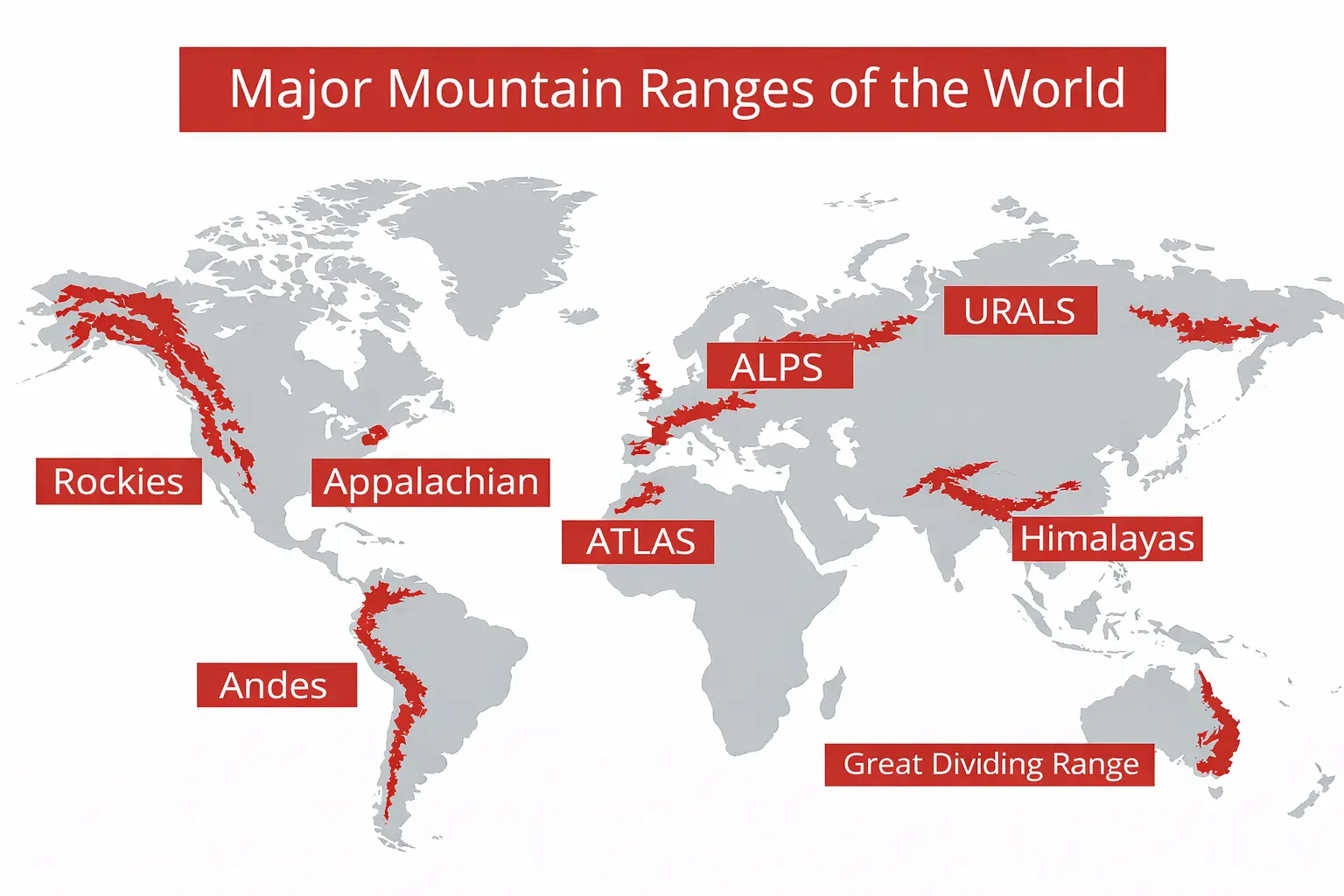
List of Major Mountain Ranges of the World
Here is a list of the world’s major mountain ranges, along with their continent, highest peak, and key facts. This table makes it easy to compare the most important ranges at a glance.
| Mountain Range | Continent | Highest Peak | Notable Fact |
| Himalayas | Asia | Mount Everest (8,848 m) | Tallest mountain range in the world |
| Andes | South America | Aconcagua (6,961 m) | Longest continental mountain range |
| Rocky Mountains | North America | Mount Elbert (4,401 m) | Stretches from Canada to the USA |
| Alps | Europe | Mont Blanc (4,808 m) | Famous for skiing and European culture |
| Atlas Mountains | Africa | Toubkal (4,167 m) | Forms a barrier between Mediterranean and Sahara |
| Ural Mountains | Europe/Asia | Mount Narodnaya (1,895 m) | Natural boundary between Europe and Asia |
| Appalachian Mountains | North America | Mount Mitchell (2,037 m) | One of the oldest mountain ranges in the world |
| Tian Shan | Asia | Jengish Chokusu (7,439 m) | Known as the “Celestial Mountains” |
| Karakoram | Asia | K2 (8,611 m) | Home to K2, the second-highest peak on Earth |
| Great Dividing Range | Australia | Mount Kosciuszko (2,228 m) | Runs along the eastern coast of Australia |
Detailed Guide to the Top 10 Major Mountain Ranges
Below is a closer look at the major mountain ranges of the world. Each range is unique in its peaks, climate, wildlife, and cultural significance. This guide highlights the highest points, important facts, and some of the incredible animals that live in these mountain regions.
1. Himalayas

The Himalayas stretch across Nepal, India, Bhutan, and Tibet. They include Mount Everest, the tallest peak on Earth. This range affects climate patterns across Asia and feeds major rivers like the Ganges. It is home to wildlife such as snow leopards, red pandas and Himalayan monal, and has deep cultural and religious significance.
2. Andes
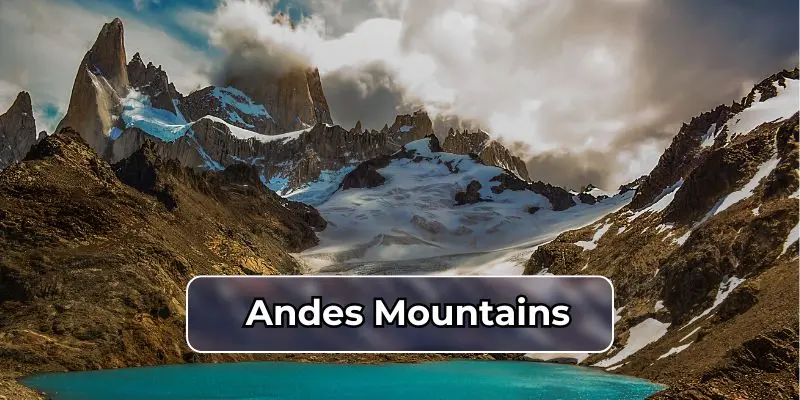
The Andes run along the western edge of South America, spanning seven countries. Aconcagua is their highest peak. The Andes shape weather patterns and river systems in South America. They host wildlife like llamas, Andean condors, and spectacled bears, and were home to ancient civilizations like the Incas.
3. Rocky Mountains
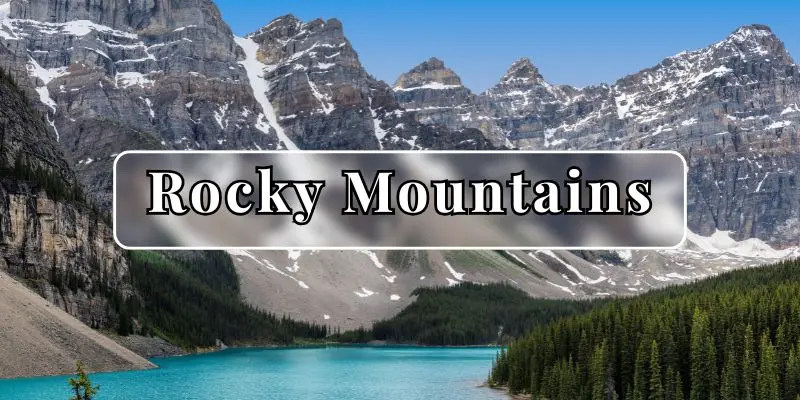
The Rocky Mountains stretch from Canada down to the USA. Mount Elbert is the highest peak in the range. The Rockies influence local weather, rivers, and forests. They are home to grizzly bears, mountain goats, eagles and moose, and are popular for hiking, skiing, and wildlife observation.
4. Alps

The Alps cross eight European countries, including France, Switzerland, and Italy. Mont Blanc is their tallest peak. The Alps shape regional climate and river systems. Wildlife includes ibex, chamois, marmots, and golden eagles, and the range is famous for winter sports and European cultural history.
Read Also:
5. Atlas Mountains
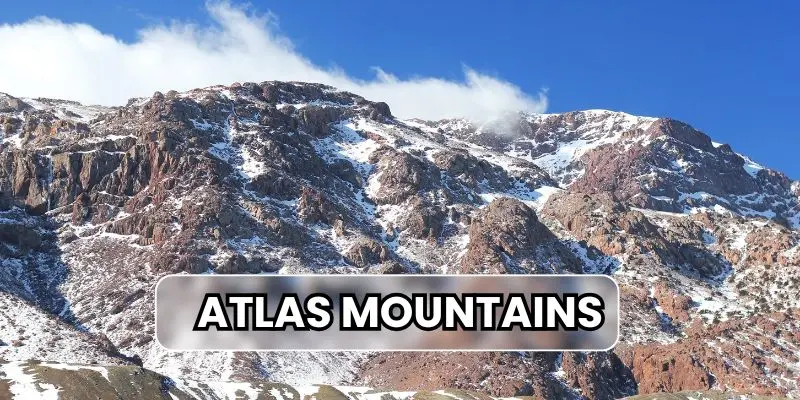
The Atlas Mountains run across Morocco, Algeria, and Tunisia in North Africa. Mount Toubkal is the highest peak. These mountains form a barrier between the Sahara Desert and the Mediterranean. They host Barbary macaques, jackals and eagles, and are home to Berber communities and unique plant life.
6. Ural Mountains
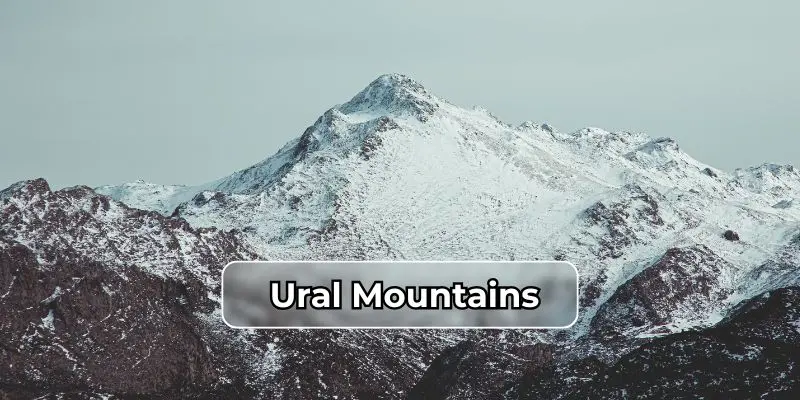
The Ural Mountains stretch from northern Russia to Kazakhstan, marking the boundary between Europe and Asia. Mount Narodnaya is their highest point. The Urals are rich in minerals and forests. Wildlife includes bears, wolves, reindeer and lynx, and the range has been an important natural border and trade route for centuries.
7. Appalachian Mountains
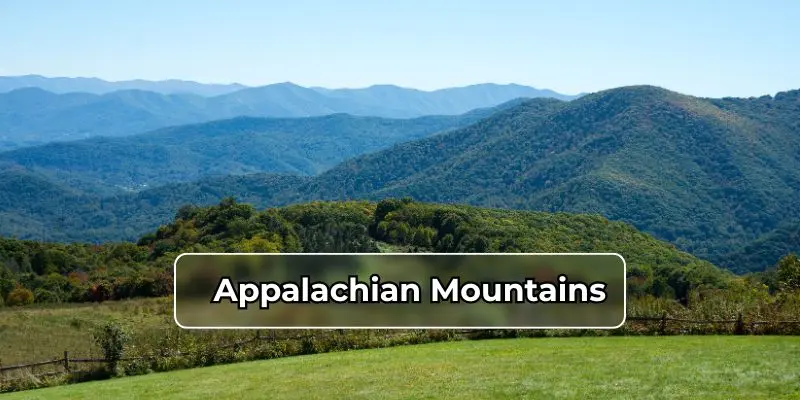
The Appalachians extend along the eastern United States and Canada. Mount Mitchell is their highest peak. This range is one of the oldest in the world. Forests here support black bears, white-tailed deer, wild turkeys, and salamanders and the mountains have shaped local culture and history.
8. Tian Shan
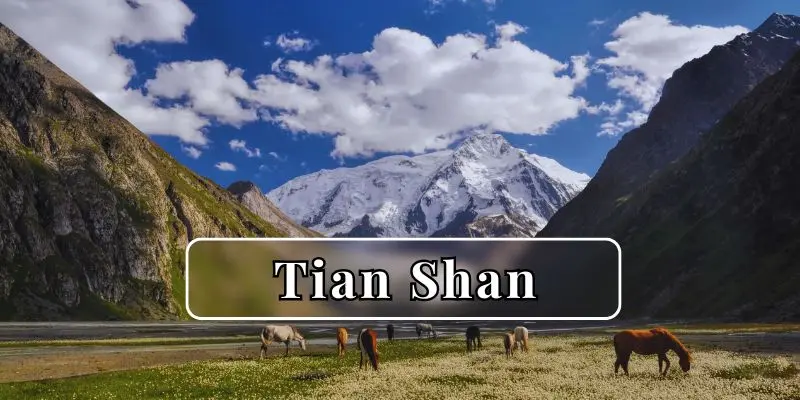
The Tian Shan range spans Central Asia, including China, Kazakhstan and Kyrgyzstan. Jengish Chokusu is its highest peak. These “Celestial Mountains” are home to glaciers, alpine meadows and wildlife like snow leopards, ibex and golden eagles. The range has also influenced local rivers and climate patterns.
9. Karakoram
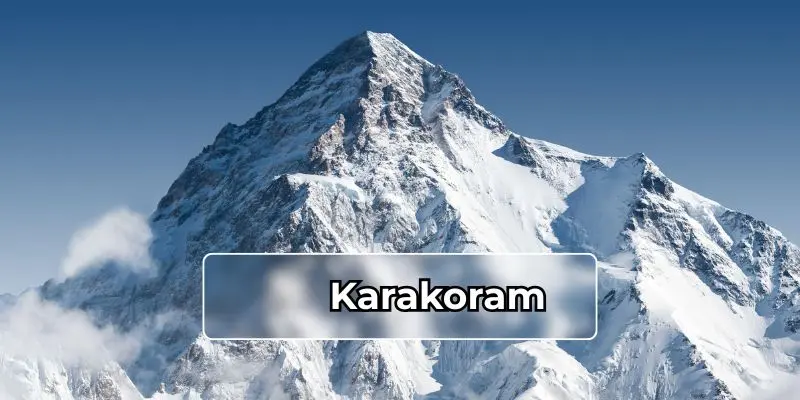
The Karakoram range lies mostly in Pakistan, India, and China. K2, the second-highest mountain on Earth, is here. This rugged range has vast glaciers and extreme peaks. It is home to wildlife such as Marco Polo sheep, snow leopards and ibex and serves as a major source of rivers.
10. Great Dividing Range
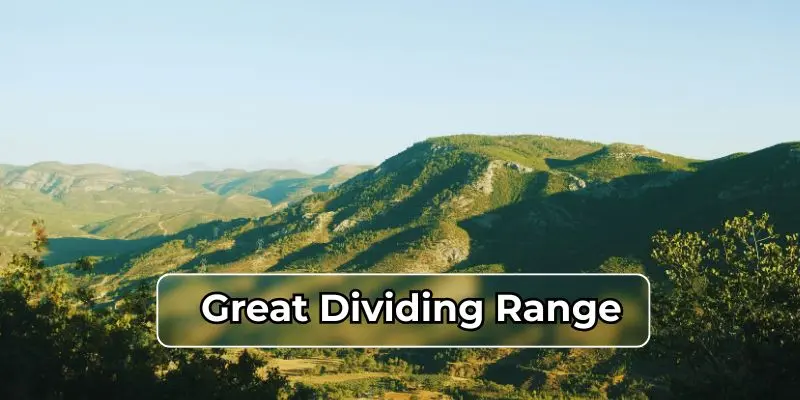
The Great Dividing Range runs along eastern Australia. Mount Kosciuszko is its tallest peak. This range affects rainfall and river systems on the continent. Wildlife includes kangaroos, wallabies, wombats and platypus and it supports unique forests and alpine habitats.
Fun Facts About Mountains and Mountain Ranges
- The Himalayas grow about 5 millimeters taller every year due to tectonic activity.
- Mount Everest is still getting taller! Its official height is now 8,848.86 meters (29,031.7 feet).
- The Andes is the longest mountain range in the world, stretching over 7,000 km across South America.
- Mount Fuji in Japan is an active volcano and a sacred site for centuries.
- The Rocky Mountains span two countries — the USA and Canada.
- K2, in the Karakoram range, is considered the most difficult mountain to climb in the world.
- The Alps are home to the highest peak in Western Europe, Mont Blanc, at 4,808 meters.
- The Tian Shan mountains are sometimes called the “Celestial Mountains” in China and Kyrgyzstan.
- The Appalachians are one of the oldest mountain ranges, estimated at over 480 million years old.
- Some mountain ranges, like the Great Dividing Range in Australia, affect local climate patterns, creating rain shadows and deserts.