Northern Areas of Pakistan: Most Beautiful Places to Visit
Published: 6 Feb 2026
Northern areas of Pakistan are one of the most amazing places I have ever visited. I expected beautiful views, but the scenery was even more stunning. Green valleys, blue-green lakes and old forts tucked in the hills make this region feel magical. Some of these valleys have been home to local communities for hundreds of years. Old forts and villages still show the rich history and culture of the region. Even with all this beauty, the northern areas of Pakistan are still underrated.
I kept finding places that amazed me. Around every corner was something new, a quiet valley, a sparkling lake or an old fort on the hills. Walking through the villages and green valleys felt like discovering a side of Pakistan few people see. Northern Pakistan is full of these little surprises, making every visit unforgettable.
Best Places to Visit in Northern Pakistan
Northern areas of Pakistan feel like heaven on earth. During my visit, I explored a few incredible places that left me amazed.
Below are some of the amazing places I explored during my trip:
Hunza Valley
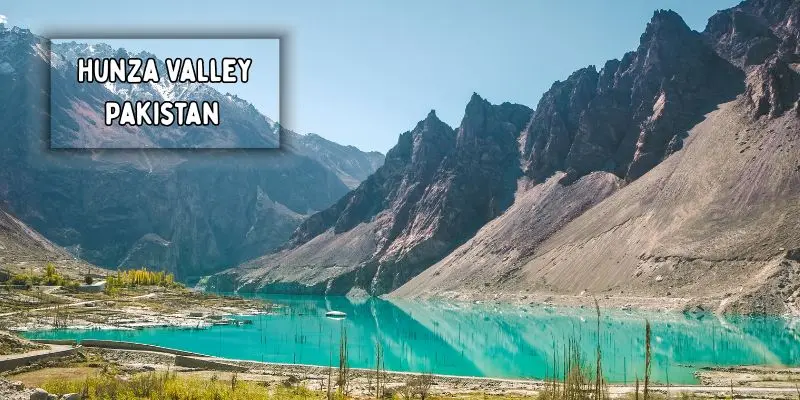
Hunza Valley is in Gilgit-Baltistan, northern Pakistan. The main town is Karimabad. It can be reached by road from Gilgit or via Islamabad through Gilgit.
Key attractions include Baltit Fort and Altit Fort, both centuries old. Eagle’s Nest is a popular viewpoint for sunrise and sunset. Rakaposhi Peak can be seen from many parts of the valley. Attabad Lake and the Passu Cones are also must-visit spots.
The valley is full of green fields, rivers and orchards. Apricot, cherry and apple trees bloom in season, adding color to the scenery. The surrounding mountains are often snow-capped, making the views even more stunning.
Hunza is home to the Hunza people, known for their long life. Villages still follow traditional lifestyles. You can see local crafts and try foods like chapshuro and apricot jam.
Visitors can enjoy hiking, trekking, photography and exploring lakes and villages. The best time to visit is May to September, when the weather is pleasant. Hunza is known for its friendly, educated locals, calm lifestyle and unique Wakhi and Burusho culture. If you visit Pakistan, Hunza is a must-visit destination.
Skardu Valley
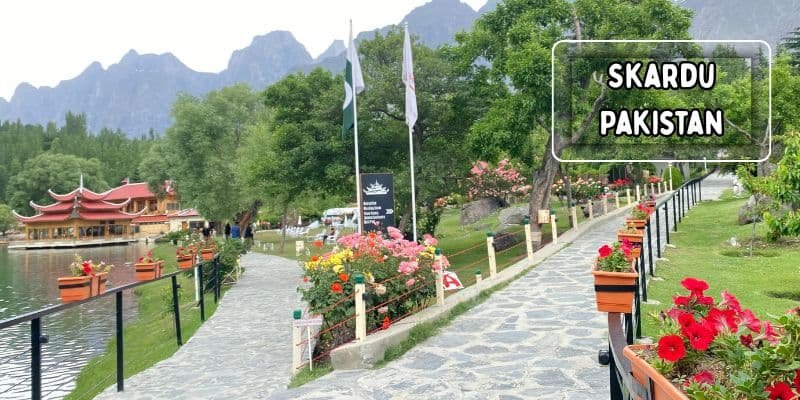
Skardu Valley is in Gilgit-Baltistan and is the gateway to northern adventures. It connects to Deosai Plains, K2 base camp, and the Karakoram range. You can reach it by road from Skardu Airport or via Gilgit.
Key attractions include Satpara Lake, Shangrila Resort (Lower Kachura Lake) and Shigar Fort, which is now a hotel and museum. The valley also has glaciers, rivers and waterfalls.
Skardu is perfect for trekking, hiking, camping and photography. Jeep trips take you to remote villages and scenic spots. The surrounding Karakoram peaks and calm lakes make it very picturesque.
The local people are Balti, with unique traditions and crafts. You can try traditional foods like Gyarmo, Khambir, and Balti bread. Villages still keep centuries-old lifestyles.
The best time to visit is May to September, when the weather is pleasant. Winters have heavy snowfall, and some roads may be closed.
Skardu combines nature, adventure and culture. It is less crowded than Hunza but equally stunning. It is also a must-visit destination in northern Pakistan.
Read: 15 Best Places to Visit in Pakistan
Fairy Meadows
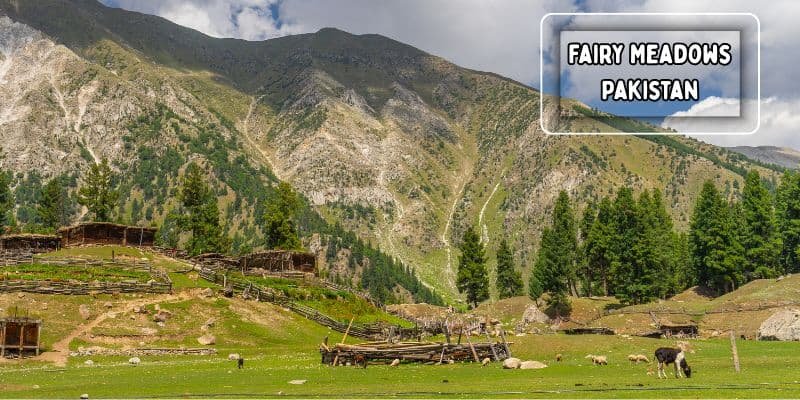
Fairy Meadows is near Raikot Bridge in Gilgit-Baltistan. To reach it, you need to take a short trek of about 3–4 km. Some travelers take a jeep part of the way.
The meadows offer green fields, forests and rivers. The views of Nanga Parbat, the ninth-highest mountain in the world, are breathtaking. The area is quiet and mostly untouched, far from crowded tourist spots.
Visitors can camp, hike and take photos of the mountains and streams. Sunrise and sunset over Nanga Parbat are especially beautiful. The best time to visit is June to September, when the meadows are green and the weather is pleasant.
Fairy Meadows is one of the most underrated places in northern Pakistan. It is perfect for hikers, nature lovers and photographers.
Naran and Kaghan Valley
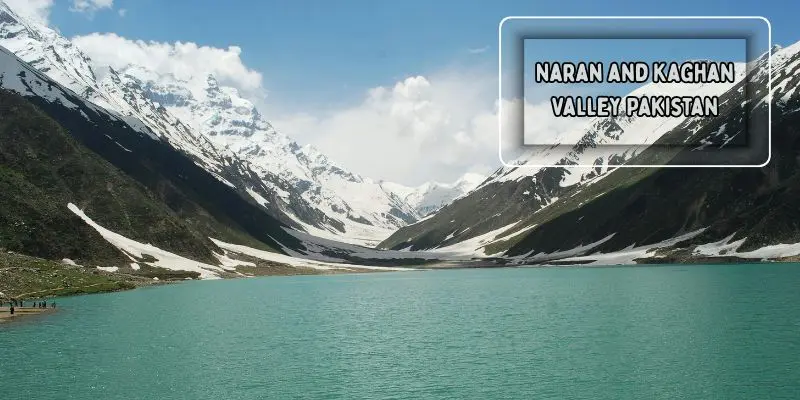
Naran and Kaghan Valley are in Mansehra District, Khyber Pakhtunkhwa. They are easily accessible by road from Islamabad and nearby cities. The valleys are ideal for road trips and family visits.
Key attractions include Saif ul Malook Lake, Lulusar Lake, Babusar Top and Ansoo Lake. Malika Parbat is the highest peak in the area and popular with trekkers.
The valleys are full of rivers, pine forests and green meadows. Wildflowers bloom in summer, adding color to the landscape. In winter, the mountains are covered in snow.
Visitors can enjoy hiking, trekking, camping and photography. Roads along the Kunhar River offer many scenic stops. Villages along the valley retain traditional lifestyles and local culture.
The best time to visit is May to September, when the weather is pleasant and roads are open. Naran and Kaghan combine natural beauty, adventure, and easy access, making them perfect for families and nature lovers.
Shigar and Khaplu Valleys
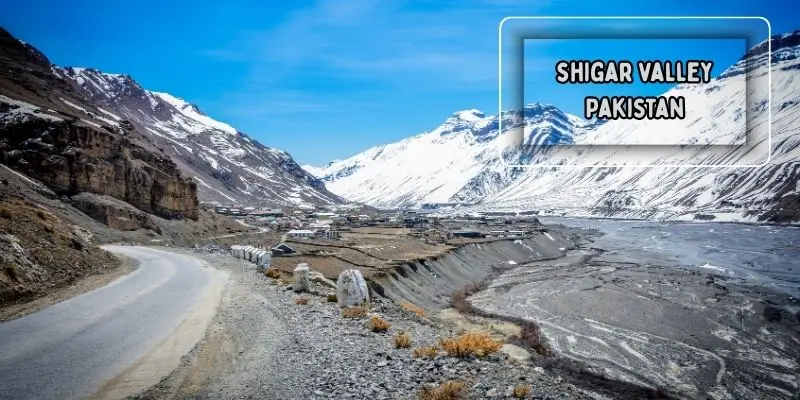
Shigar and Khaplu Valleys are full of history. Shigar Fort and Khaplu Fort are centuries old and well-preserved. They show the traditional architecture of the region.
The valleys are quiet and peaceful. Small villages keep their old traditions. You can see local crafts, taste traditional food and experience local culture. Mountains, rivers and green fields give breathtaking views.
There are hidden hiking trails that lead to waterfalls, meadows and viewpoints. Some villages celebrate traditional festivals. Parts of Khaplu also have dry, high-altitude terrain that is unique. Shigar and Khaplu are perfect for travelers who love history.
Deosai National Park
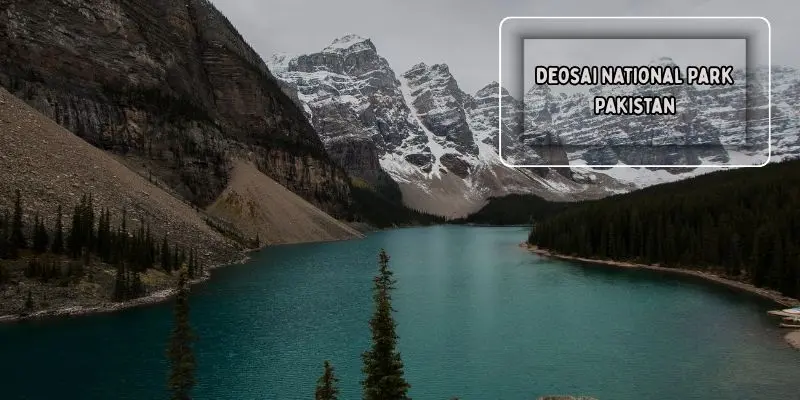
Deosai National Park is located in the Skardu District of Gilgit-Baltistan. It covers around 3,000 square kilometers and is one of the highest plateaus in the world, at an average of 4,114 meters (13,497 ft). The area is also called the “Land of Giants” because of its vast, open plains.
The park is home to a variety of wildlife. You can find Himalayan brown bears, markhor, foxes and rare snow leopards. Wildflowers bloom in summer, covering the plains in color. Alpine grasslands and rare plants make the scenery even more special.
Deosai is best visited between June and September, when the meadows are green and the skies are clear. Snow covers the plateau from November to May. Temperatures can drop sharply at night, even in summer.
Visitors can enjoy hiking, trekking, wildlife spotting and camping. The open plains, rivers and streams make it ideal for photography. It is less crowded and peaceful, giving a feeling of being in a remote, untouched wilderness.
Deosai National Park unique landscapes, wildlife and natural beauty, making it a must-visit destination in northern Pakistan.
Attabad Lake
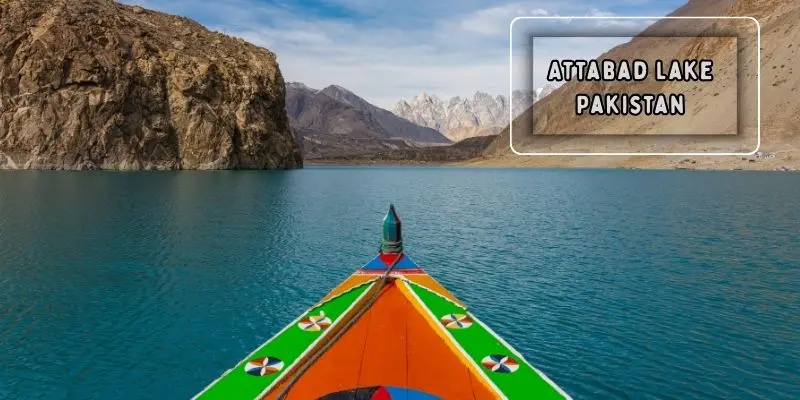
Attabad Lake is in Hunza Valley, Gilgit-Baltistan. It was formed in 2010 after a landslide blocked the Hunza River. The lake is also called Gojal Lake.
The water is bright turquoise and surrounded by mountains and green hills. The calm lake reflects the peaks, making it very scenic.
Visitors can enjoy boating, photography and picnics along the shore. Nearby villages and streams can also be explored.
The best time to visit is May to September, when the weather is pleasant and the water is calm. In winter, the area is cold, and parts of the lake may freeze.
Attabad Lake is unique because it was naturally formed by a landslide. It is famous for its color and peaceful surroundings. The lake is easily accessible by road from Karimabad, Hunza and is a must-visit spot in northern Pakistan.
Passu Cones / Upper Hunza
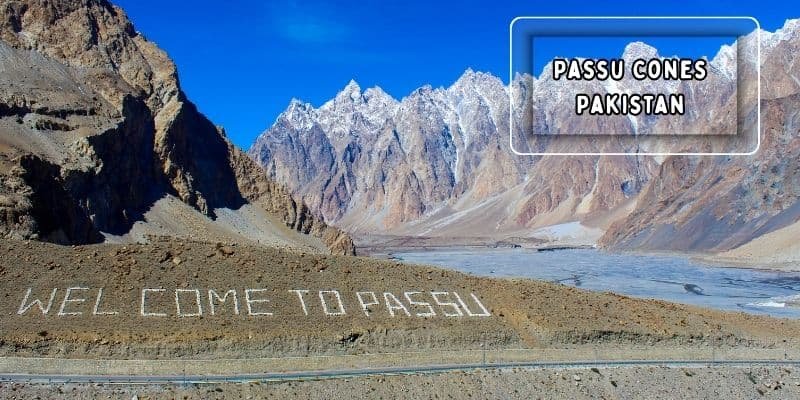
Passu Cones are in Upper Hunza (Gojal), Gilgit-Baltistan. You can reach them by road from Karimabad along the Karakoram Highway.
The area is famous for its distinctive pointed peaks. The valley is surrounded by glaciers, rivers and green hills. You can also see the Hunza River and distant high mountains.
Visitors enjoy photography, short hikes, and village walks. Nearby Passu Glacier is also popular with trekkers. The villages show the traditional lifestyle of the Gojali Hunza people.
The best time to visit is May to September. Summer offers clear skies, green valleys, and good road access. Winters are snowy, and some roads may close.
Passu Cones are one of the most photographed spots in northern Pakistan. They are less crowded than Hunza town but equally beautiful.
Batura Glacier / Upper Hunza
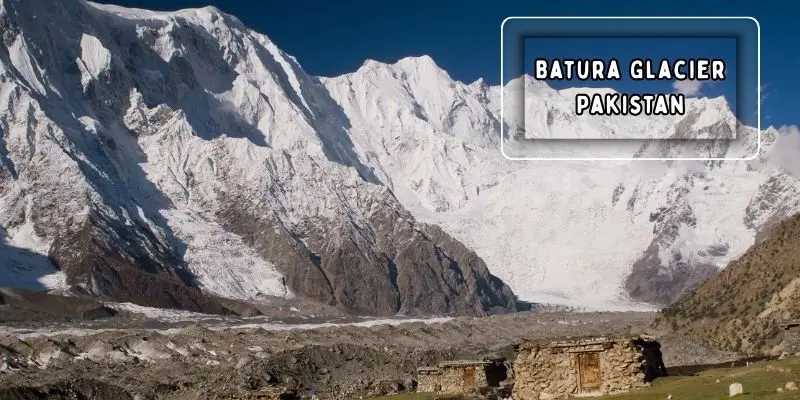
Batura Glacier is in Upper Hunza (Gojal), Gilgit-Baltistan. It is accessible via Passu and nearby villages by jeep or trekking.
The glacier is massive, stretching over 50 km, making it one of the largest outside the polar regions. It is surrounded by high peaks of the Karakoram range. Glacial streams feed into the Hunza River.
Visitors can enjoy trekking, photography and short village walks. The ice formations and snow-capped mountains make it very scenic. It is ideal for adventure lovers and photographers.
The best time to visit is June to September, when the trails are accessible and views are clear. In winter, heavy snow makes the area difficult to reach.
Batura Glacier is remote and less crowded, yet a must-visit in northern Pakistan for anyone who loves glacier landscapes.
Rakaposhi Base / Nagar Valley
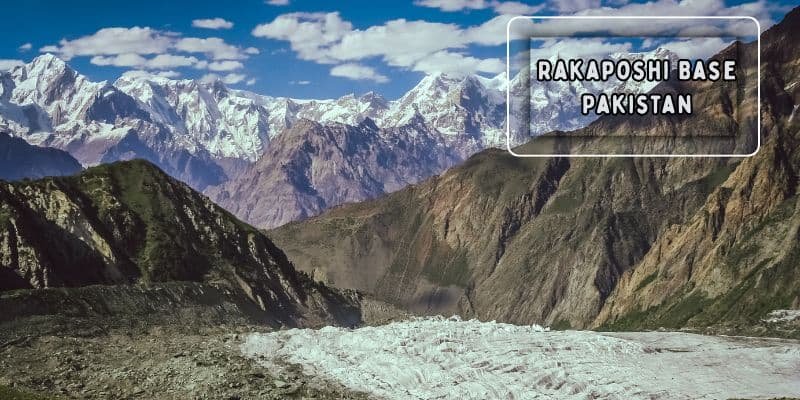
Rakaposhi Base is in Nagar Valley, Gilgit-Baltistan, near Hunza. The peak is part of the Karakoram range. You can reach the base camp via hiking trails from Nagar or Hunza.
Rakaposhi stands at 7,788 meters (25,551 ft), making it one of the tallest peaks in the world. The valley is surrounded by glaciers, rivers and green hills. Snow-capped peaks create stunning views.
Visitors can enjoy trekking, photography and short village walks. Nearby villages show the traditional lifestyle of the Nagar people. Local crafts and foods can also be experienced along the way.
The best time to visit is June to September, when trails are accessible and the weather is mild. In winter, heavy snow makes the base camp difficult to reach.
Rakaposhi Base offers breathtaking views. It is less crowded than K2 routes but equally attractive, making it ideal for trekkers and photographers.
Khunjerab Pass
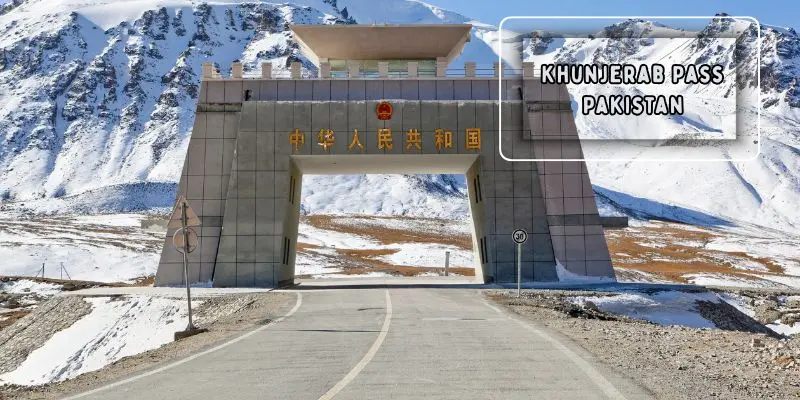
Khunjerab Pass is in Upper Hunza (Gojal), Gilgit-Baltistan, on the Pakistan-China border. It is part of the Karakoram Highway (KKH). This is one of the highest paved international border crossings in the world.
The area is surrounded by snow-capped peaks and high-altitude landscapes. Open plains provide views of mountains and glaciers. Wildlife includes snow leopards, ibex and Himalayan birds.
Visitors can enjoy road trips, photography and wildlife spotting. You can also visit the Pak-China border monument.
The best time to visit is May to September. Summer offers clear roads and manageable weather. Winters are extremely cold with heavy snow, and access is limited.
Khunjerab Pass is unique for being the highest paved border crossing in the world. It combines scenic beauty, adventure and a high-altitude experience. The remote and peaceful landscape makes it perfect for travelers seeking something off the beaten path.
Best Time to Visit Northern Pakistan
Northern Pakistan is beautiful year-round, but the best time to visit depends on what you want to do.
Summer (May to September):
- The most popular season for tourists.
- Valleys are green, flowers are blooming and lakes are full.
- Roads to Hunza, Skardu, Naran and Fairy Meadows are open.
- Perfect for trekking, camping and sightseeing.
Autumn (October to November):
- Cooler temperatures and fewer tourists.
- Trees in Hunza and Skardu turn golden and red, creating stunning scenery.
- Roads are still mostly open, but some high passes may start closing.
Winter (December to February):
- Heavy snow in Skardu, Hunza and Naran.
- Many roads and passes may close.
- Ideal for skiing in Naltar or enjoying snowy landscapes.
Spring (March to April):
- Valleys start to bloom after snow melts.
- Weather can be unpredictable; some high roads may still have snow.
- Great for photography of flowers and rivers.
Tips:
- Always check road conditions in high-altitude areas.
- Carry warm clothing, even in summer, as nights can be cold.
- Plan your visit according to activities: trekking in summer, skiing in winter.
Northern Pakistan shines in every season, but May to September is generally the safest and most scenic period for most travelers.
Travel Tips for Northern Pakistan
Traveling to northern Pakistan is an unforgettable experience, but a little preparation helps.
1. Plan Your Route:
- Northern areas are vast and remote.
- Decide which valleys and lakes you want to visit.
- Allow extra time for mountain roads and sightseeing.
2. Check Road and Weather Conditions:
- Roads may be closed in winter due to snow.
- Always verify conditions before heading to high-altitude areas.
3. Pack Smart:
- Carry warm clothes, even in summer, for cold nights.
- Bring comfortable trekking shoes and rain protection.
- Sunscreen, sunglasses and hats are essential at high altitudes.
4. Stay Hydrated and Eat Well:
- Drink plenty of water to avoid altitude sickness.
- Try local food, but carry snacks for long trips.
5. Accommodation:
- Book in advance in popular places like Hunza and Skardu.
- Guesthouses and small hotels offer cozy local experiences.
6. Respect Local Culture:
- Northern areas have traditional communities.
- Dress modestly and respect local customs.
- Ask before taking photos of people or homes.
7. Safety and Health:
- Roads can be narrow and winding; drive carefully.
- Keep a first-aid kit and essential medicines.
- Altitude sickness can happen; ascend slowly if trekking.
8. Connectivity:
- Mobile network may be weak or absent in remote valleys.
- Plan accordingly and download maps offline.
Following these tips will make your northern Pakistan trip safer, smoother and more enjoyable.
Conclusion
Northern Pakistan is truly heaven on earth. From Hunza and Skardu to Fairy Meadows and Naltar Valley, every place offers stunning landscapes, rich culture, and adventure.
Whether you want to trek, camp, photograph, or simply relax, northern Pakistan has something for everyone. The valleys, lakes, glaciers, and mountains create memories that last a lifetime.
The best time to visit is generally May to September, but each season has its own charm. Follow travel tips, respect local culture, and be prepared for mountain weather.
Visiting northern Pakistan is more than a trip, it’s an experience of nature, history and hospitality. It’s a destination you will never forget.