What Is the Highest Mountain in Europe? Top 10 Highest Peaks
Published: 15 Sep 2026
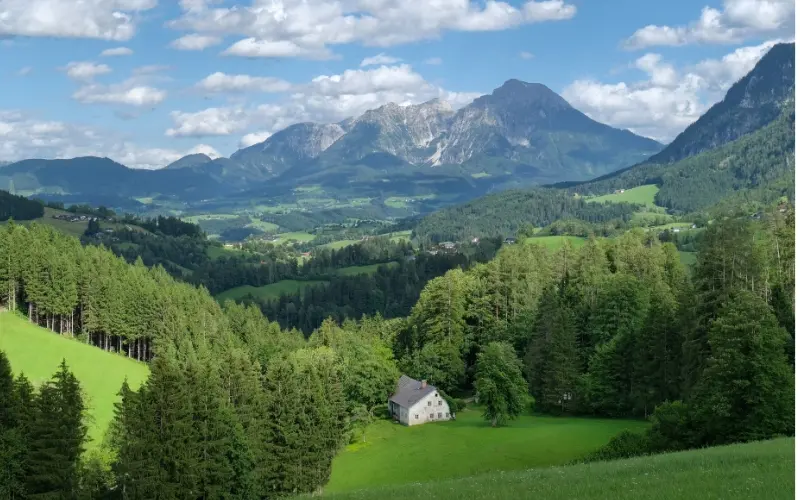
Europe’s highest mountains stretch from the Caucasus to the Alps, with several peaks rising more than 5,000 metres above sea level. Mount Elbrus takes the top spot at 5,642 metres (18,510 feet), making it the highest mountain in Europe under the commonly used geographical boundary.
But Elbrus is only the beginning. The Caucasus accounts for most of Europe’s highest peaks, while the Alps are home to famous summits such as Mont Blanc. Here are the 10 highest mountains in Europe, ranked by elevation, with their locations and mountain ranges.
1. Mount Elbrus, Russia – 5,642 m
Quick facts:
- Elevation: 5,642 m (18,510 ft)
- Country: Russia
- Mountain range: Caucasus Mountains
- Type: Dormant volcano
- Highest summit: Western summit
Mount Elbrus is the highest mountain in Europe, rising to 5,642 metres (18,510 feet) in the Caucasus Mountains of southern Russia. It has two summits, with the western summit reaching the greater elevation.
The mountain is heavily glaciated and attracts mountaineers from around the world. The southern approach is the most commonly used climbing route, but the altitude, snow and ice, glaciers, and changing weather make reaching the summit a serious undertaking.
Read Also:
2. Dykh-Tau, Russia – 5,205 m
Quick facts:
- Elevation: 5,205 m (17,077 ft)
- Country: Russia
- Mountain range: Caucasus Mountains
- Location: Kabardino-Balkaria, near the Russia–Georgia border
- Notable feature: Part of the Bezengi area
Dykh-Tau is the second-highest mountain in Europe, after Mount Elbrus, under the commonly used geographical definition that includes the Caucasus. It rises in Russia’s Kabardino-Balkaria region, with its summit located about 5 km north of the Georgian border.
The mountain is known for its steep terrain and technical climbing routes. Its first recorded ascent was made in 1888 by Albert Mummery and Heinrich Zurfluh. Reaching the summit involves glaciers, steep snow and ice, and exposed rocky terrain, making Dykh-Tau a serious mountaineering objective rather than a conventional hiking peak.
3. Shkhara, Georgia – 5,193 m
Quick facts:
- Elevation: 5,193 m (17,037 ft)
- Country: Georgia
- Mountain range: Greater Caucasus
- Location: Svaneti, near the Georgia–Russia border
- Notable feature: Highest mountain in Georgia
Shkhara is the highest mountain in Georgia and one of the tallest peaks in the Caucasus. It rises above the Svaneti region, where its snow-covered slopes and glaciers form a striking mountain landscape.
Located near the Georgian–Russian border, Shkhara is known for its rugged summit and challenging climbing routes. Reaching the top involves glacier travel, steep snow and ice, and technical climbing, making it a serious undertaking for experienced mountaineers.
For travelers, the village of Ushguli offers views of Shkhara and access to the surrounding mountain landscape. Reaching the summit, however, requires specialist mountaineering skills and preparation.
4. Koshtan-Tau, Russia – 5,152 m
Quick facts:
- Elevation: 5,152 m (16,903 ft)
- Country: Russia
- Mountain range: Greater Caucasus
- Location: Kabardino-Balkaria, near the Georgia–Russia border
- Notable feature: Part of the Bezengi Wall
Koshtan-Tau is one of the highest mountains in the Caucasus and rises in Russia’s Kabardino-Balkaria region. It forms part of the Bezengi Wall, an impressive group of peaks known for their steep rock faces and glaciers.
The mountain is considered a demanding mountaineering objective because of its rugged terrain, exposed ridges, and changing weather conditions. Reaching the summit requires experience with technical climbing and glacier travel.
5. Mount Kazbek, Georgia – 5,054 m
Quick facts:
- Elevation: 5,054 m (16,581 ft)
- Country: Georgia
- Mountain range: Greater Caucasus
- Location: Georgia–Russia border
- Type: Dormant volcano
- Notable feature: Distinctive cone-shaped summit
Mount Kazbek is one of the most recognizable peaks in the Caucasus Mountains. Rising to 5,054 metres, this dormant volcano sits on the Georgia–Russia border and is closely associated with the mountain town of Stepantsminda.
The classic climbing route begins near Stepantsminda and crosses the Gergeti Glacier before continuing over snow, ice, and rocky terrain toward the summit. The high altitude, crevasses, and changing mountain weather mean that reaching the top requires proper mountaineering experience and preparation.
For visitors who are not climbing, Kazbek can still be enjoyed from the surrounding valleys. The views from the Gergeti area provide one of the best ways to see this famous Caucasus peak.
6. Tetnuldi, Georgia – 4,858 m
Quick facts:
- Elevation: 4,858 m (15,938 ft)
- Country: Georgia
- Mountain range: Greater Caucasus
- Location: Svaneti
- Also known as: Tchetyrata
- Notable feature: Large rock-and-ice north face
Tetnuldi rises to 4,858 metres in Georgia’s Svaneti region and is one of the highest peaks in the Caucasus. Its remote setting, glaciers, steep slopes, and rugged terrain make it a challenging mountain for experienced climbers.
The mountain is particularly known for its impressive North Face, while routes toward the summit involve snow and ice, glacier crossings, and sections of steep rocky terrain.
Tetnuldi is also part of the wider mountain landscape around Svaneti, a region known for its dramatic peaks and traditional mountain villages. For travelers visiting the area, the mountain is an impressive backdrop even without attempting the climb.
7. Mont Blanc, France/Italy – 4,808 m
Quick facts:
- Elevation: 4,808 m (15,774 ft)
- Countries: France and Italy
- Mountain range: European Alps
- Location: France–Italy border
- Notable feature: Highest peak in the Alps
Mont Blanc is the highest mountain in the European Alps and one of the most famous peaks in Europe. Rising to about 4,808 metres on the France–Italy border, it attracts climbers from around the world.
The most popular climbing route is the Goûter Route, which approaches the summit from the French side. Climbers must deal with glaciers, steep snow and ice, high altitude, and changing weather conditions.
For travelers who are not planning a summit climb, the nearby Chamonix valley offers excellent views of Mont Blanc and the surrounding Alpine landscape.
8. Mount Dzhimara, Russia – 4,780 m
Quick facts:
- Elevation: 4,780 m (15,682 ft)
- Country: Russia
- Mountain range: Greater Caucasus
- Location: Central Caucasus
- Also known as: Dzhimara-Dugushor
- Notable feature: Remote and rugged mountain terrain
Mount Dzhimara reaches 4,780 metres in the Central Caucasus and is one of the highest peaks in the region. Its remote setting and rugged slopes make it a less-visited mountain compared with better-known peaks such as Elbrus and Kazbek.
Climbing the mountain involves glacier travel, steep rocky sections, and exposed alpine terrain. Because of its difficult access and challenging conditions, Dzhimara is mainly suited to experienced mountaineers.
The summit provides wide views across the surrounding Caucasus landscape, with glaciers, valleys, and high mountain ridges extending in several directions.
9. Ushba, Georgia – 4,710 m
Quick facts:
- Elevation: 4,710 m (15,453 ft)
- Country: Georgia
- Mountain range: Greater Caucasus
- Location: Svaneti, near the Georgia–Russia border
- Notable feature: Distinctive double summit
Ushba is one of the most recognizable and technically challenging peaks in the Caucasus. Rising to 4,710 metres, it is known for its distinctive double summit and steep, rugged faces.
Unlike some of the more accessible peaks in the region, Ushba is mainly a destination for experienced mountaineers. Its routes involve exposed ridges, rock climbing, snow, ice, and glacier travel, with weather conditions adding another challenge.
The mountain is also an important landmark of Georgia’s Svaneti region. Its dramatic shape makes it especially impressive from the surrounding valleys, even for travelers who are not planning a climb.
10. Monte Rosa, Switzerland/Italy – 4,634 m
Quick facts:
- Elevation: 4,634 m (15,203 ft)
- Countries: Switzerland and Italy
- Mountain range: Alps
- Location: Switzerland–Italy border
- Notable feature: Second-highest mountain in the Alps
Monte Rosa is a major Alpine massif on the Switzerland–Italy border and one of the highest mountain groups in Europe. Its highest summit, Dufourspitze, reaches 4,634 metres.
The mountain has several climbing routes, with the normal route from the Swiss side being one of the better-known approaches. Reaching the summit involves glacier travel, snow, and rocky terrain, so proper acclimatization and mountaineering skills are important.
Monte Rosa also offers spectacular views of the surrounding Alps, including the Matterhorn and other major peaks. For visitors staying around Zermatt, the massif forms one of the most impressive parts of the Alpine skyline.