Top 10 Largest Zoos in the US – See the Biggest Animal Parks
Published: 30 Mar 2026
The United States is home to some of the biggest and most impressive zoos in the world, offering large scale wildlife experiences that go far beyond a typical day out. Many of these largest zoos in the US are spread across vast areas, featuring natural-style habitats, open enclosures and a wide variety of animal species.
Well-known wildlife parks across the country each offer something different, whether it’s rare animal encounters, immersive exhibits, or family-friendly attractions.
In this guide, we’ll explore the Top 10 biggest zoos in the US, highlighting what makes each one special, including their size, animal diversity, and overall visitor experience.
How Zoo Size is Measured (And Why Rankings Differ)
When you look at zoos by area, the rankings can get confusing fast. That’s because not all “size” measurements mean the same thing. Different sources use different criteria, which is why the biggest zoo on one list might not top another.
Land Area vs. Exhibit Space
The most common way to rank zoos by area is total land size. This includes everything inside the zoo’s boundaries like forests, lakes, roads and even unused land. For example, massive safari-style parks like North Carolina Zoo or San Diego Zoo Safari Park cover thousands of acres but not all of that space is accessible to visitors or used for animal exhibits.
On the other hand, some rankings focus only on exhibit space, the areas where animals actually live and where visitors can explore. A zoo with a smaller total footprint but highly developed enclosures might feel much larger when you’re walking through it.
That’s why a zoo can rank high in total area but feel smaller in real experience.
READ: OLDEST ZOOS IN UNITED STATES
Why Some Zoos Appear Bigger Than They Are
Not all zoos are designed the same way. Traditional city zoos are compact and dense, while wildlife parks spread animals across vast open landscapes.
Take Bronx Zoo for example. It’s one of the largest metropolitan zoos but its layout is more structured. Compare that to Columbus Zoo and Aquarium, which expands with themed regions and open habitats, making it feel larger even if the total acreage differs.
Why Rankings Can Be Misleading
Here’s where most confusion happens:
- Some lists include only developed zoo land, others include total protected land
- Some count associated reserves or breeding centers, others don’t
- Definitions of “zoo” vary as some include safari parks and others exclude them
The Bottom Line
If you’re comparing the largest zoos by area, always check what “size” actually means. Total acreage, exhibit space and visitor-accessible areas all tell a different story.
Understanding this difference not only clears up rankings but also helps you choose the kind of zoo experience you actually want.
Top 10 Largest Zoos in the US — Ranked by Land Area
This list ranks top biggest zoos in the US by total land area and also includes large safari-style parks, which are often excluded from traditional zoo rankings.
| Zoo Name | Location | Size (Acres) | Number of Animals | Year Opened |
|---|---|---|---|---|
| North Carolina Zoo | North Carolina, USA | ~2,600 (500 developed) | ~1,800+ | 1974 |
| San Diego Zoo Safari Park | California, USA | 1,800 | ~3,000+ | 1972 |
| The Living Desert Zoo & Gardens | California, USA | ~1,200 | ~500+ | 1970 |
| Zoo Miami | Florida, USA | ~750 | ~3,000 | 1948 |
| Lion Country Safari | Florida, USA | ~600 | ~1,000+ | 1967 |
| Columbus Zoo and Aquarium | Ohio, USA | ~580 | ~10,000+ | 1927 |
| Minnesota Zoo | Minnesota, USA | 485 | ~4,500+ | 1978 |
| Bronx Zoo | New York, USA | 265 | ~11,000+ | 1899 |
| Brookfield Zoo | Illinois, USA | 216 | ~3,481 | 1934 |
| Kansas City Zoo | Missouri, USA | 202 | ~1,700+ | 1909 |
Some rankings include massive conservation areas like The Wilds in Ohio (around 10,000 acres), but these operate differently from traditional zoos and aren’t included here.
Best Zoos in the US Worth Visiting (Not Just Size)
These zoos are smaller in land area but world-famous for their exhibits and animal collections.
Henry Doorly Zoo – Nebraska: Known for the largest indoor desert and rainforest, and acclaimed for conservation programs.
Saint Louis Zoo – Missouri: Watch elephants, orangutans, and golden lion tamarins in naturalistic habitats. Free admission and interactive exhibits make learning about endangered species like red wolves fun and memorable.
Cincinnati Zoo – Ohio: See hippos, snow leopards and pangolins among lush gardens. The zoo’s breeding programs highlight its role in protecting wildlife worldwide.
Cheyenne Mountain Zoo – Colorado: Feed giraffes, ride the Sky Ride over elk and bison and glimpse rare animals like black-footed ferrets. Conservation efforts for mountain lions and wolves are part of every visit.
Houston Zoo – Texas: Explore elephant and red panda habitats, plus interactive exhibits for endangered sea turtles and amphibians. Visitors leave inspired by the zoo’s hands-on wildlife care.
For more ideas, check out our guide to the Best Zoos in the US for Kids and Families.
Top 10 Largest Zoos in the United States by Land Area
Now, let’s explore the largest zoos in the United States by land area, where animals have room to roam and visitors can experience sprawling wildlife habitats.
North Carolina Zoo
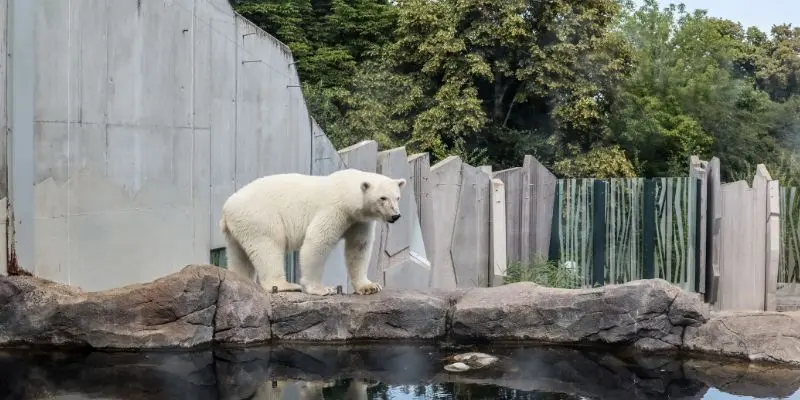
The North Carolina Zoo is the largest zoo in the United States, covering a massive 2,600 acres! That’s huge enough to walk for hours and still not see everything. The zoo focuses on natural habitats, so animals like giraffes, rhinos and cheetahs live in spaces that feel like their homes in the wild. You can explore African savannahs or North American forests, learn about endangered species and enjoy fun trails that teach you about wildlife and conservation.
San Diego Zoo Safari Park
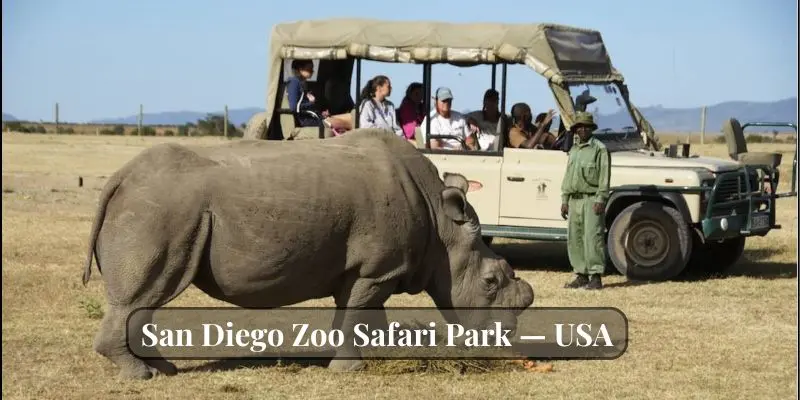
The San Diego Zoo Safari Park stretches over 1,800 acres and is one of the biggest zoos in America. Instead of cages, many animals roam in open-range habitats. Visitors can ride a tram or take a guided safari to see giraffes, rhinos, and cheetahs up close. The park is famous for its work in saving endangered species, including condors and exotic antelopes. If you love adventure and learning about wildlife, this zoo is a must-see.
The Living Desert Zoo & Gardens
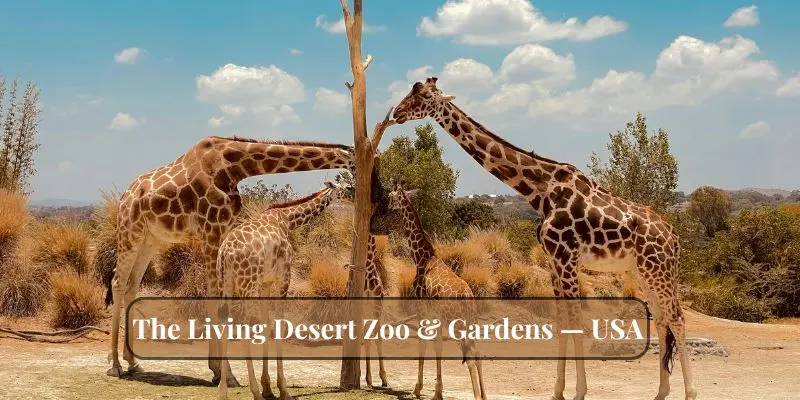
The Living Desert Zoo & Gardens in California covers around 1,200 acres and is one of the largest desert-themed zoos in the United States. The dry climate helps recreate real desert habitats, where animals like cheetahs, camels and bighorn sheep live in open, natural spaces. Visitors can walk scenic trails surrounded by cacti and desert plants while spotting wildlife along the way. It feels calm, different and gives a clear look at how animals survive in harsh desert conditions.
Zoo Miami
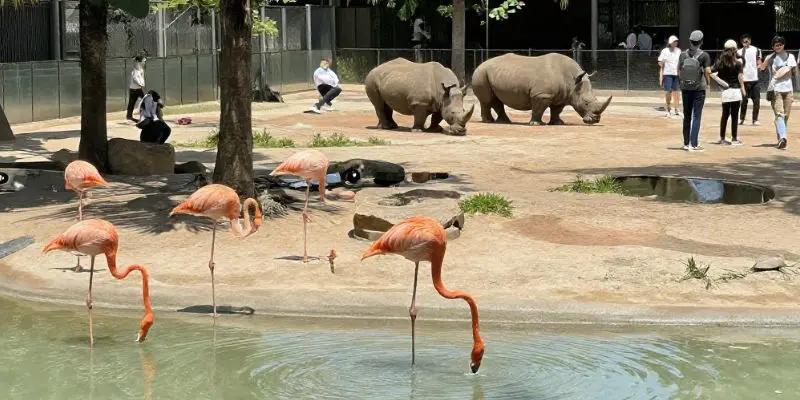
Zoo Miami is spread across 750 acres and ranks among the largest zoos in the United States. Because Florida is warm year-round, the zoo has tropical habitats for animals like tigers, hippos and exotic birds. Kids can ride trams, walk trails or explore interactive exhibits that make you feel like you’re in Africa or Asia. Zoo Miami is fun, colorful and perfect for a school project on animals or just a day of adventure.
Lion Country Safari
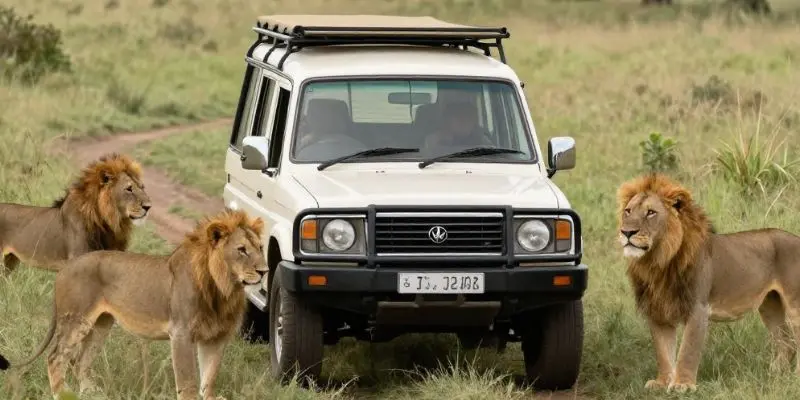
Lion Country Safari covers around 600 acres and is one of the largest animal parks in the United States. Unlike traditional zoos, it is a drive-through safari where visitors can see lions, zebras, giraffes and rhinos roaming freely in large open spaces. Families can explore from their own cars or enjoy a walk-through park with smaller exhibits. Its unique safari-style experience makes it different from most zoos and adds an exciting adventure element for visitors.
Columbus Zoo and Aquarium
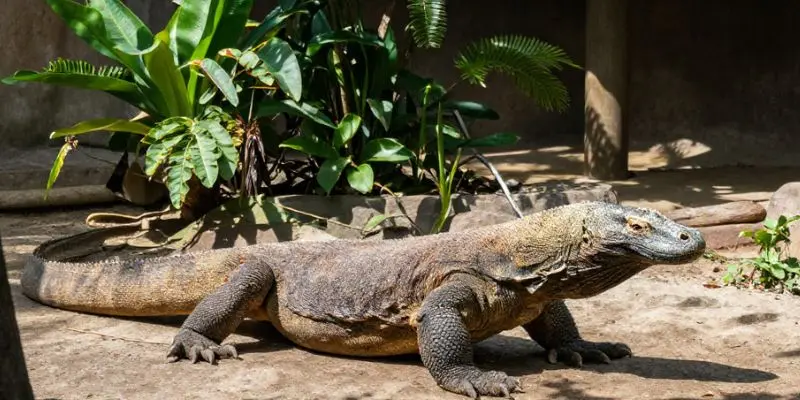
The Columbus Zoo and Aquarium covers 580 acres and is one of America’s largest zoos. It’s home to over 10,000 animals from all over the world! Visitors can explore African plains, Asian jungles and Australian outbacks — all in one day. The zoo also offers fun educational programs and seasonal events. If you want to see snow leopards, manatees or cheetahs while learning about wildlife, Columbus Zoo is the place to go.
Minnesota Zoo
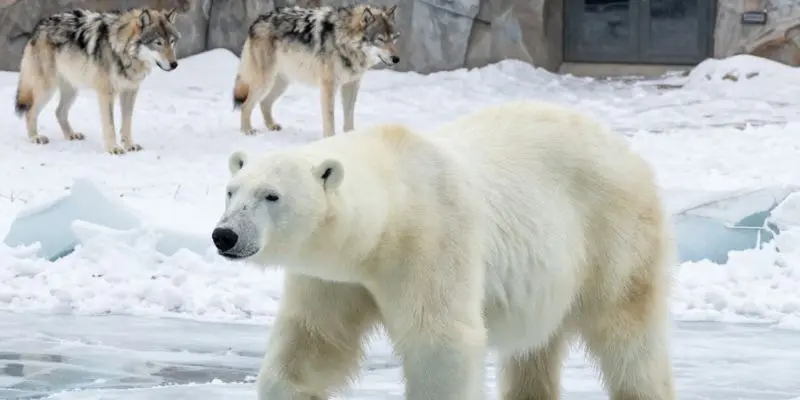
The Minnesota Zoo stretches over 485 acres, making it one of the largest zoos in America. It has a Northern Trail with polar bears and snowy landscapes, and a Tropics Trail with colorful birds and tigers. The zoo has hands-on programs for kids, fun walking paths and interactive exhibits to teach about wildlife and conservation.
Bronx Zoo
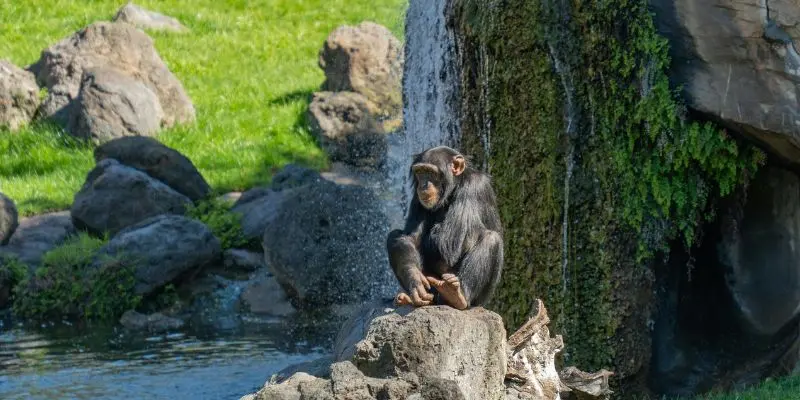
The Bronx Zoo covers 265 acres and is one of the biggest zoos in the United States. It has amazing exhibits like the Congo Gorilla Forest and Tiger Mountain, where you can see these incredible animals up close. With over 11,000 animals, it’s also a great place to learn about animal behavior, habitats and conservation.
Brookfield Zoo
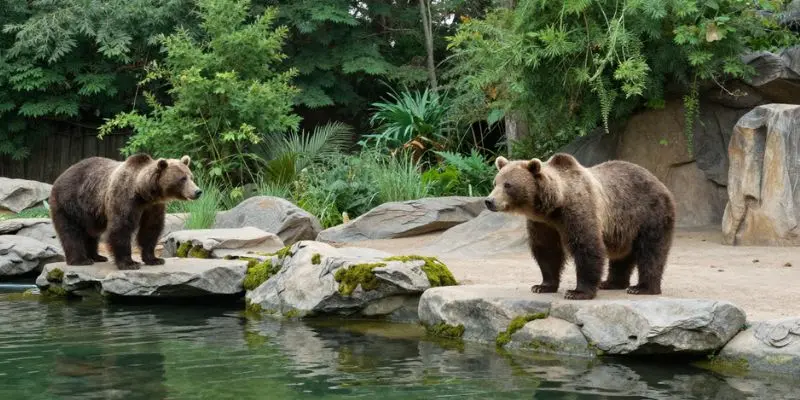
Brookfield Zoo spans 216 acres and is one of the largest zoos in US. It has the Great Bear Wilderness, where polar bears play in spacious enclosures and rainforest exhibits filled with tropical birds. Visitors can take tours, attend seasonal events or see behind-the-scenes animal care.
Kansas City Zoo
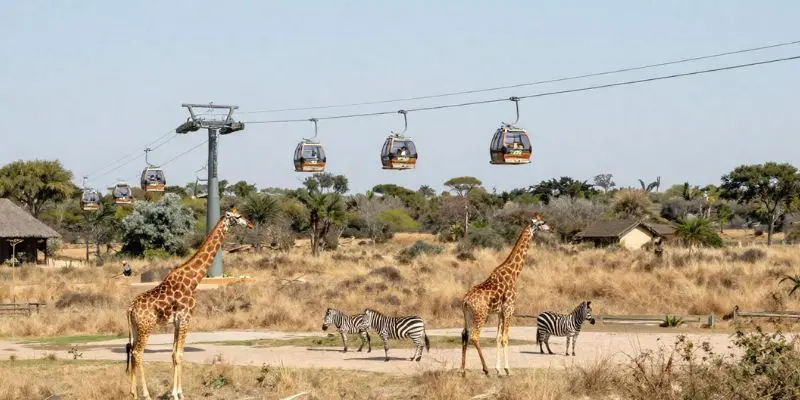
The Kansas City Zoo covers 202 acres and ranks among the largest zoos in the United States. Its Africa and Tropics exhibits feature giraffes, zebras and orangutans. You can walk along scenic paths, attend interactive programs and learn about animals and their habitats. It’s a fun, hands-on place for kids and adults alike.
For a global perspective, the World Association of Zoos and Aquariums (WAZA) tracks the largest zoos in the world and their conservation efforts worldwide.
Fun Facts About the Largest Zoos in the US
- North Carolina Zoo – Spans 2,600 acres with over 1,800 animals, and you can ride a safari tram to explore the huge African and North American habitats.
- San Diego Zoo Safari Park – 3,000+ animals roam across 1,800 acres, including one of the largest giraffe herds in the U.S.
- The Living Desert Zoo & Gardens – Houses 500+ animals and 450+ desert plants, with cheetahs and camels living in natural desert landscapes.
- Zoo Miami – 750 acres of cageless habitats let you see flamingos, rhinos, and kangaroos up close.
- Lion Country Safari – Drive through 600 acres of open habitat; the safari lets you spot lions, zebras, and giraffes just feet away from your car.
- Columbus Zoo and Aquarium – Home to 10,000+ animals, including rare Komodo dragons, giant river otters, and one of the largest aquariums in the U.S.
- Minnesota Zoo – 485 acres with Polar Bear Odyssey, letting visitors watch polar bears and gray wolves in realistic icy habitats.
- Bronx Zoo – 11,000+ animals in a 265-acre urban zoo, featuring the Congo Gorilla Forest, one of the most immersive rainforest exhibits in the country.
- Brookfield Zoo – 3,481 animals roam spacious exhibits, including grizzly bears and polar bears in naturalistic terrain.
- Kansas City Zoo – Ride the African Sky Safari gondola over 202 acres, giving a bird’s-eye view of giraffes, zebras, and other savanna species.