Top 10 Highest Mountains in the World Ranked by Height
Published: 15 Mar 2026
The highest mountains in the world are some of the most breathtaking natural wonders on Earth. Rising thousands of meters above sea level, these massive peaks attract climbers, adventurers and travelers from around the globe. At the very top of the list stands Mount Everest, the highest mountain on earth.
Most of the world’s tallest mountains are located in the famous Himalayas and Karakoram mountain ranges in Asia. These ranges contain many peaks that rise above 8,000 meters, making them some of the most challenging and impressive mountains on the planet.
In this guide, we will explore the top 10 highest mountains in the world, ranked by height. You’ll discover where these towering peaks are located and what makes each of them unique.
Top 10 Highest Mountains in the World
Here is a quick comparison of the highest mountains in the world ranked by height.
| Rank | Mountain | Height | Location |
|---|---|---|---|
| 1 | Mount Everest | 8,848.86 m | Nepal / China |
| 2 | K2 | 8,611 m | Pakistan / China |
| 3 | Kangchenjunga | 8,586 m | Nepal / India |
| 4 | Lhotse | 8,516 m | Nepal / China |
| 5 | Makalu | 8,485 m | Nepal / China |
| 6 | Cho Oyu | 8,188 m | Nepal / China |
| 7 | Dhaulagiri I | 8,167 m | Nepal |
| 8 | Manaslu | 8,163 m | Nepal |
| 9 | Nanga Parbat | 8,126 m | Pakistan |
| 10 | Annapurna I | 8,091 m | Nepal |
1. Mount Everest
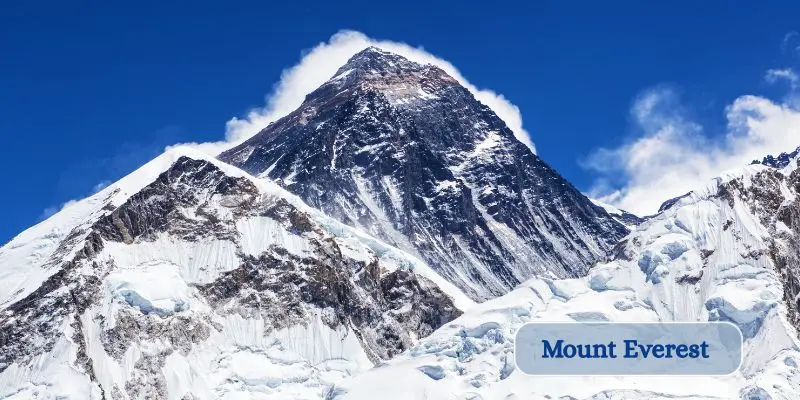
Mount Everest, the tallest mountain in the world, sits on the Nepal-China border. Its towering peak challenges even the most experienced climbers with extreme cold and thin air. Everest Base Camp treks let travelers experience breathtaking Himalayan scenery without summiting.
The mountain continues to grow a few millimeters each year due to tectonic shifts. Visiting Everest offers a mix of adventure, culture, and awe-inspiring landscapes.
Most of these peaks belong to the Himalayas and Karakoram, two of the Major Mountain Ranges of the World.
2. K2
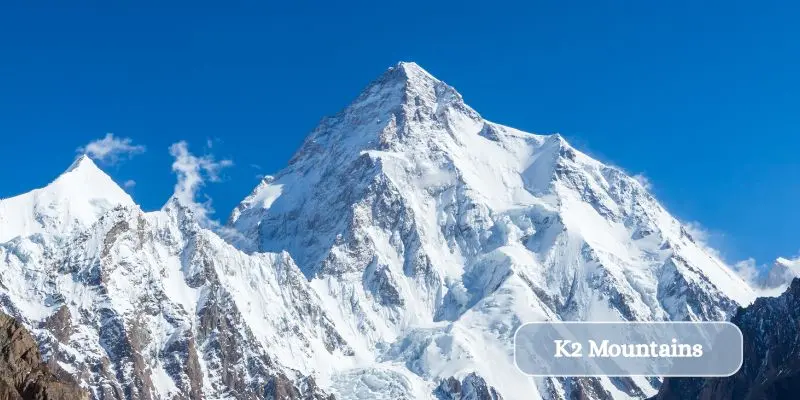
K2 is nicknamed the “Savage Mountain” for its deadly slopes. It sits on the Pakistan-China border and tests even the most experienced climbers. Fewer people reach its summit than Everest because the climb is steeper and weather changes fast.
Its rugged peaks and dramatic scenery attract thrill-seekers from around the world. Every expedition here is a true adventure of skill and endurance.
3. Kangchenjunga
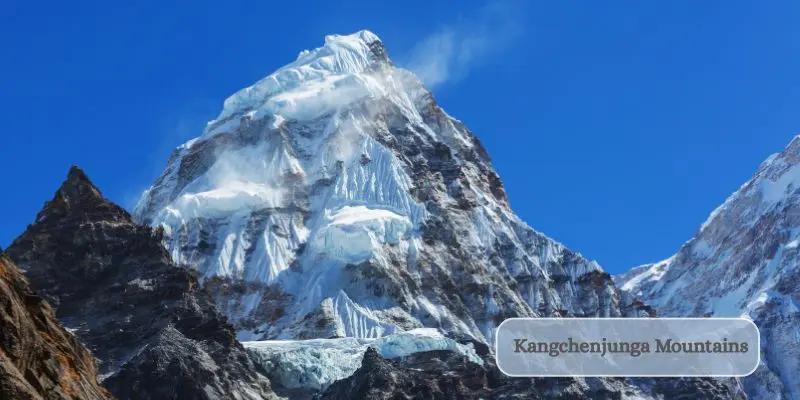
Kangchenjunga ranks as the third-highest mountain in the world. It rises on the border of Nepal and India. Its five big snowy peaks amaze everyone who sees them.
Trekkers explore quiet trails and enjoy breathtaking views. Locals honor it as a sacred place, adding culture to every visit. Adventurers come here to find peace and nature.
4. Lhotse
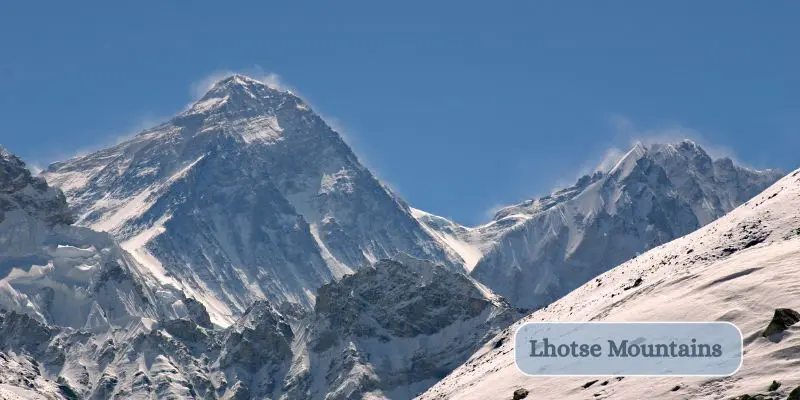
Lhotse is the fourth-highest mountain in the world. It stands right next to Mount Everest in Nepal. Its steep south face challenges even skilled climbers. Trekkers pass huge glaciers and sharp ridges on the trails. The mountain feels powerful and raw up close.
5. Makalu
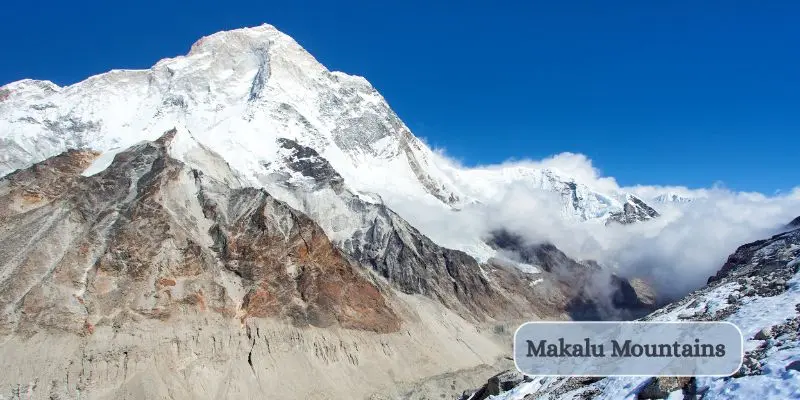
Makalu stands in the eastern Nepal Himalayas. Its sharp, pyramid-shaped summit rises above deep valleys. Climbers face tricky ridges and icy slopes. Trekkers see dramatic cliffs and frozen streams along the trails. The mountain looks fierce and remote from every angle.
6. Cho Oyu
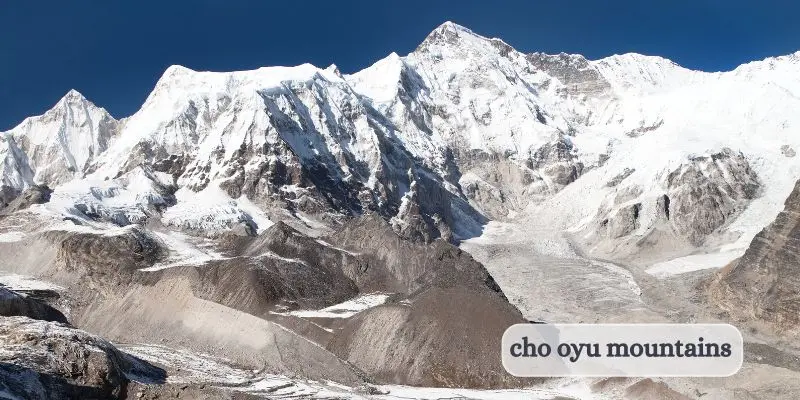
Cho Oyu rises quietly on the Nepal-Tibet border. Its gentle slopes make it easier to climb than many other high mountains. Climbers use it to practice and prepare for bigger peaks. Trekkers pass blue ice patches and rugged ridges along the trails. From the top, the view stretches far across the Himalayas.
Many of these peaks also appear in our guide to the most beautiful mountains in the world, known for their dramatic landscapes.
7.Dhaulagiri
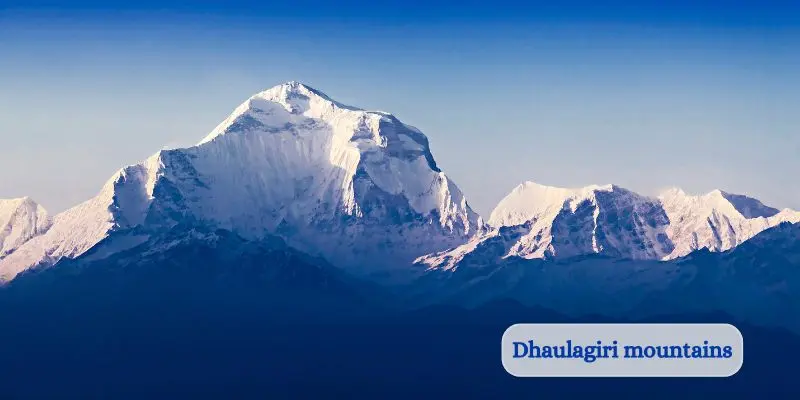
Dhaulagiri towers in western Nepal. Its white peak rises sharply above deep valleys. Climbers face tricky ice slopes and strong winds. Trekkers pass high ridges and hidden glaciers on nearby trails. The mountain feels wild and remote, far from crowds.
8. Manaslu
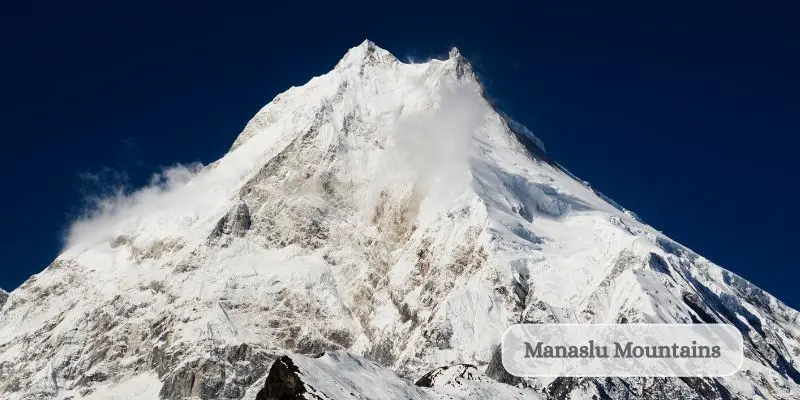
Manaslu stands in the Nepal Himalayas. Its rounded peak hides steep ridges and glaciers. Climbers tackle tricky ice and snow routes. Trekkers enjoy quiet trails and forested valleys nearby. The mountain feels peaceful but still full of challenge.
9. Nanga Parbat
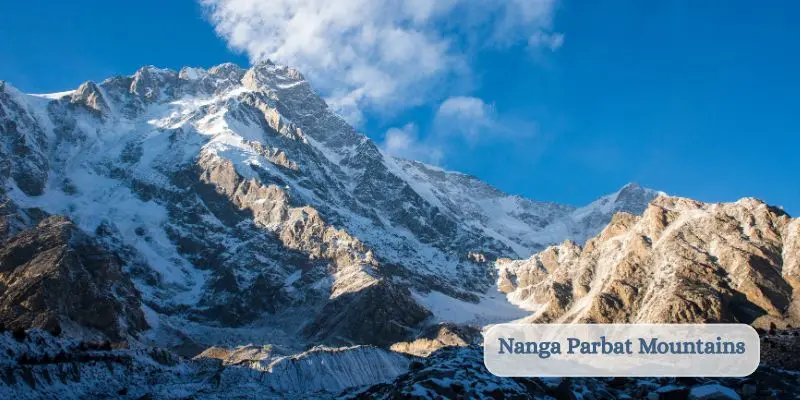
Nanga Parbat rises in northern Pakistan. Its huge granite walls make it one of the toughest climbs in the world. Climbers face steep slopes and sudden storms. Trekkers pass glaciers and sharp ridges on the way. The mountain looks wild and dangerous from every side.
10. Annapurna I
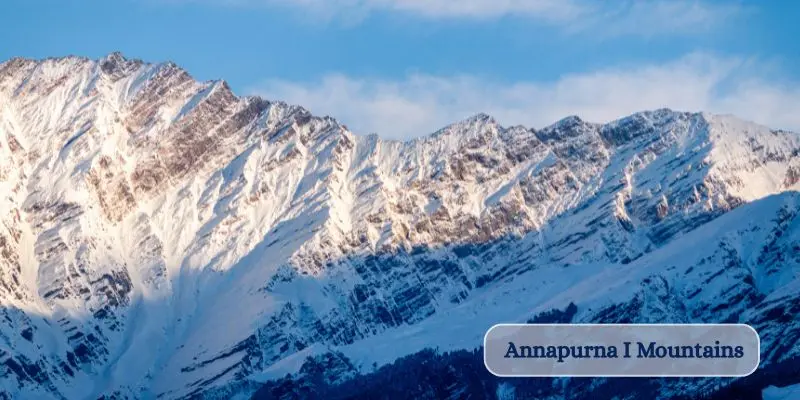
Annapurna I stands in central Nepal. Its steep faces and deep snow make climbing risky. Trekkers follow trails through forests, rivers and high ridges nearby. Climbers face unpredictable weather and icy slopes. The mountain feels powerful and challenging, yet full of adventure.
How These Highest Mountains Compare?
Height, Location and Climbing Difficulty
The highest mountains in the world are not only defined by their elevation but also by their location and climbing challenges. Most of these towering peaks rise above 8,000 meters and are located in the massive mountain systems of the Himalayas and the Karakoram in Asia.
The tallest of them all is Mount Everest, standing at 8,848.86 meters. Although Everest is the highest mountain on Earth, it is not always considered the most difficult to climb because of its relatively established routes and frequent expeditions.
The second-highest peak, K2, is widely known as one of the most dangerous mountains in the world. Located on the border of Pakistan and China, K2 has steep slopes, unpredictable weather and a far lower success rate for climbers compared to Everest.
Many of the other peaks on the list, including Kangchenjunga, Lhotse and Makalu are also part of the Himalayan mountain system and are among the famous “eight-thousanders,” a group of only fourteen mountains on Earth that rise above 8,000 meters.
Another interesting fact is that most of the world’s tallest mountains are located in Nepal and nearby regions. These countries sit along the collision zone of the Indian and Eurasian tectonic plates, which continues to push the mountains higher over time.
Because of their extreme altitude, freezing temperatures and thin air, these peaks remain some of the most challenging places on Earth for climbers and explorers.
Where Are the Highest Mountains in the World Located?
Most of the highest mountains in the world are located in Asia, especially within the massive mountain systems of the Himalayas and the Karakoram. These two ranges stretch across several countries and contain many of the tallest peaks on Earth.
The Himalayas run through countries such as Nepal, India, Bhutan, and China. This mountain range is home to several famous peaks, including Mount Everest, Kangchenjunga, and Lhotse.
Meanwhile, the rugged Karakoram range lies mainly between Pakistan and China. This region is known for its dramatic peaks and glaciers, including the world’s second-highest mountain, K2.
Out of the 14 mountains on Earth that rise above 8,000 meters, most are found within these two mountain systems. The extreme altitude, harsh weather conditions, and remote locations make these peaks some of the most challenging environments on the planet.
Because of their height and natural beauty, the mountains in the Himalayas and Karakoram attract climbers, adventurers, and travelers from all over the world.
Interesting Facts About the Highest Mountains in the World
- Mount Everest grows every year – Did you know the world’s tallest peak gets taller? Tectonic shifts push it up about 4 millimeters annually.
- K2 is steeper than Everest – Even though Everest is taller, K2 is known as the “Savage Mountain” for its deadly slopes.
- Many peaks are unclimbed – Over 100 mountains above 7,200 meters have few or no successful summits. Adventure still awaits!
- The air gets really thin – Above 8,000 meters, there’s only about a third of the oxygen at sea level. Climbers call it the “death zone.”
- Mountains have unique weather – Temperatures can swing wildly, and sudden storms are common, making every climb unpredictable.
Read Also: