What First-Time Travelers Need to Know Before Visiting Japan
Published: 9 Feb 2026
Japan looks easy to travel. Clean trains. Clear signs. Polite people. But once you arrive, small details can catch you off guard. Why are there no trash bins? Why is everyone so quiet on the subway? Do you really need cash?
If it’s your first time, understanding what to know before visiting Japan will save you stress.
This guide covers how to prepare for a trip to Japan, things to do before traveling, cultural rules to respect, and essential tips for tourists so your journey starts smoothly.
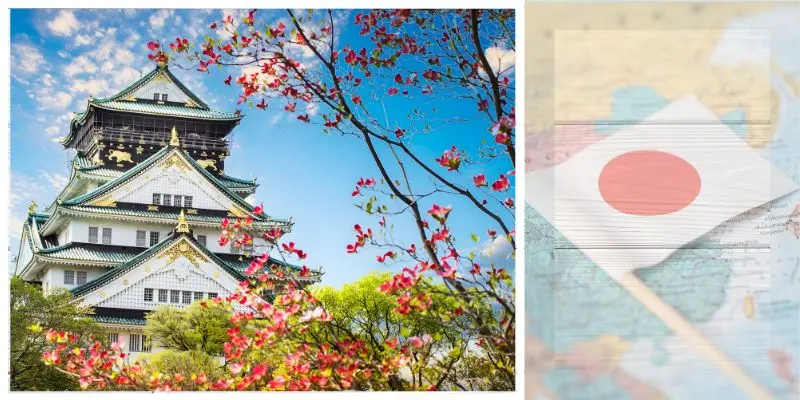
How to Prepare for a Trip to Japan (Before You Book)
Planning ahead matters more in Japan than many other destinations. The country runs efficiently, but that also means popular trains, hotels and seasonal attractions can fill up quickly.
If this is your first time visiting Japan, preparing properly before you book can save money, stress, and last-minute surprises.
Choose the Right Season Carefully
Japan has four distinct seasons, and each one feels completely different.
- Spring (March–April) is famous for cherry blossoms, but it’s also peak tourist season. Hotels sell out early and prices rise.
- Summer (June–August) is hot and humid, especially in cities like Tokyo and Kyoto.
- Autumn (October–November) offers beautiful fall colors and comfortable weather.
- Winter can be magical in northern Japan, especially if you love snow and fewer crowds.
If you’re wondering what to know before traveling to Japan, start with timing. The season you choose will shape your entire experience.
Check Entry Requirements and Travel Insurance
Before booking flights, check visa rules based on your passport. Many travelers can enter Japan visa-free for short stays, but it’s always smart to confirm official requirements.
Travel insurance is highly recommended. Japan is very safe, but it is also prone to natural events like earthquakes and typhoons. Insurance gives peace of mind for medical care, trip delays or unexpected changes.
This is one of the most overlooked things to do before traveling to Japan.
Book Accommodation Early
Japan has everything from capsule hotels to luxury ryokans (traditional inns). But rooms in popular areas can sell out weeks, sometimes months in advance.
If you’re visiting during cherry blossom season or autumn foliage season, book as early as possible.
Also, check room size. Japanese hotel rooms are often smaller than expected. First-time travelers are sometimes surprised by this detail.
Understand Transportation Before You Arrive
Japan’s train system is world-class. Fast, clean and incredibly punctual. But it can look overwhelming at first.
Before your trip:
- Learn the difference between JR lines and subway lines
- Decide if a regional rail pass makes sense for your route
- Map out major city transfers in advance
Understanding transportation is one of the most important things to know before visiting Japan. It makes everything smoother once you land.
Plan a Flexible Itinerary
Japan rewards structure. But it also rewards curiosity.
Have a general route. Book major trains if needed. But leave space for exploring small streets, hidden cafes and local neighborhoods.
Overplanning every minute can take away from the experience.
Things to Do Before Flying to Japan
Once your flights and hotels are booked, there are a few important things to do before traveling to Japan that will make your arrival smooth and stress-free. Japan is incredibly organized, but small preparation steps make a big difference for first-time travelers.
Get a Data SIM or eSIM
Do not rely on free WiFi.
While Japan is modern and high-tech, free public WiFi is limited outside hotels and major stations. Google Maps, train apps and translation tools are essential when navigating cities like Tokyo or Osaka.
Before flying to Japan:
- Buy a data SIM or eSIM online
- Or reserve a pocket WiFi for airport pickup
This is one of the most important things to know before visiting Japan. Navigation becomes much easier when you’re connected.
Prepare Cash (Yes, You Still Need It)
Japan may look cashless, but many small restaurants, temples, local shops and traditional inns still prefer cash.
Before your trip:
- Inform your bank about international use
- Check foreign ATM fees
- Withdraw some yen in advance if possible
Convenience stores like 7-Eleven usually have ATMs that accept international cards. Still, always carry some cash.
For first-time travelers, this is often surprising.
Download Essential Apps
Before flying, download:
- Google Maps (save offline maps)
- Google Translate
- A Japan transit app for train routes
- Your airline and hotel apps
Japan’s train system is excellent but complex. Having route information ready saves time and confusion.
Pack Smart and Pack Light
You’ll walk more than you expect.
City streets, train stations, temple stairs, all involve movement.
Bring:
- Comfortable shoes (preferably easy to slip on and off)
- Lightweight luggage
- A small foldable bag for daily use
Many temples, traditional accommodations and some restaurants require removing shoes. Slip-on footwear makes life easier.
Bring a Small Towel
This is something many tourists don’t know before traveling to Japan.
Public restrooms are clean, but not all provide paper towels or hand dryers. Locals often carry a small hand towel.
It’s a simple detail. But it makes you feel prepared.
Understand Basic Etiquette
Before landing, learn a few cultural basics:
- Stay quiet on public transport
- Avoid eating while walking
- Do not tip (it’s not part of Japanese culture)
- Follow queue lines carefully
Japan values respect and order. Knowing these small rules shows consideration.
Money in Japan: What First-Time Travelers Should Know
Japan looks futuristic. Contactless trains. Vending machines everywhere. High-tech toilets. But when it comes to payments, it can feel surprisingly traditional.
If you’re wondering what to know before visiting Japan, understanding how money works should be at the top of your list.
Japan Is Still a Cash-Friendly Country
Credit cards are widely accepted in major hotels, department stores and big restaurants. But smaller businesses often prefer cash.
You’ll likely need cash for:
- Local ramen shops
- Street food stalls
- Temple entrance fees
- Small souvenir stores
- Some rural accommodations
This surprises many first-time travelers. So always carry some yen with you.
Where to Withdraw Money
Don’t panic if you don’t exchange a lot beforehand.
ATMs inside convenience stores like:
- 7-Eleven
- Lawson
- FamilyMart
usually accept international cards. Airports also have reliable ATMs.
Before your trip:
- Inform your bank
- Check foreign transaction fees
- Confirm your daily withdrawal limit
These small steps are essential things to do before traveling to Japan.
Should You Bring Cash From Home?
It’s helpful to arrive with a small amount of yen for your first taxi, train or snack. But you don’t need to carry large amounts of cash from home.
Withdrawing in Japan is usually easy and safe.
Understand IC Cards (Suica / Pasmo)
This is something many tourists don’t know before traveling to Japan.
IC cards like Suica or Pasmo are prepaid transport cards. You can use them for:
- Trains and subways
- Buses
- Vending machines
- Convenience stores
They make transportation much easier. Instead of buying individual tickets each time, you simply tap and go.
For first-time visitors, this saves time and confusion.
No Tipping Culture
In Japan, tipping is not expected.
Restaurant staff, taxi drivers and hotel employees do not anticipate extra payment. In some cases, they may politely return your tip.
Excellent service is already included in the experience.
This is one of the most important cultural things to know before visiting Japan.
Japanese Etiquette Every First-Time Traveler Should Know
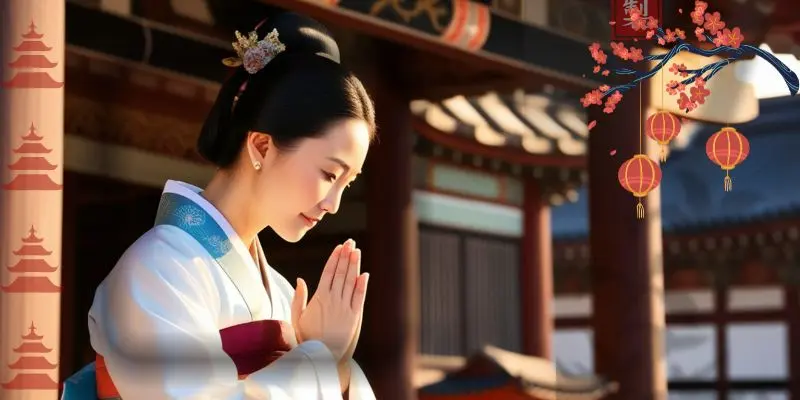
Japan is incredibly welcoming. But it’s also a culture built on respect, order and consideration for others. If it’s your first time visiting Japan, understanding a few basic etiquette rules will make your experience smoother and help you avoid awkward moments.
These are some of the most important things to know before traveling to Japan.
Keep Quiet on Public Transport
Trains and subways in Japan are noticeably quiet. People avoid loud conversations and almost never take phone calls.
Phones are usually kept on silent mode. Music is played through headphones at a low volume.
It may feel unusual at first. But it reflects consideration for shared space.
For first-time travelers, this silence is often one of the biggest surprises.
Don’t Eat While Walking
In many countries, eating on the go is normal. In Japan, it’s generally discouraged.
People prefer to:
- Eat while standing near the shop where they bought the food
- Sit down in a designated area
- Or eat on long-distance trains like the Shinkansen
It’s about keeping streets clean and respecting public space.
This is an important cultural detail to know before visiting Japan.
Why Are There So Few Trash Cans?
You will quickly notice something strange: public trash bins are rare.
After security concerns in the past, many public trash cans were removed. Instead, people carry their garbage with them and dispose of it at home or at their hotel.
It’s normal to:
- Keep a small plastic bag in your backpack
- Hold onto wrappers until you find a bin
Japan stays clean because people take responsibility for their own waste.
Always Follow the Queue
Order matters.
Whether you’re boarding a train, waiting for an elevator, or entering a store, people line up neatly.
On train platforms, you’ll see markings showing exactly where to stand. Wait your turn. Don’t push forward.
This simple habit reflects the structured nature of daily life in Japan.
Remove Shoes When Required
You’ll remove your shoes more often than expected.
Common places include:
- Traditional ryokans
- Some restaurants
- Temples
- Private homes
Usually, you’ll see a raised floor or shoe racks at the entrance. That’s your sign.
Wearing clean, easy slip-on shoes makes this much easier for first-time visitors.
Basic Chopstick Etiquette
Chopsticks come with small rules.
Avoid:
- Sticking chopsticks upright into rice
- Passing food directly from one pair of chopsticks to another
These actions are associated with funeral customs.
You don’t need to be perfect. Just be respectful.
Bowing and Politeness
You may notice people bow slightly when greeting or thanking others.
As a visitor, a simple smile and small nod are enough. You’re not expected to bow perfectly.
Kindness matters more than formality.
Understanding these cultural norms is one of the most valuable things to know before visiting Japan. Small adjustments show respect and locals truly appreciate the effort.
Transportation in Japan
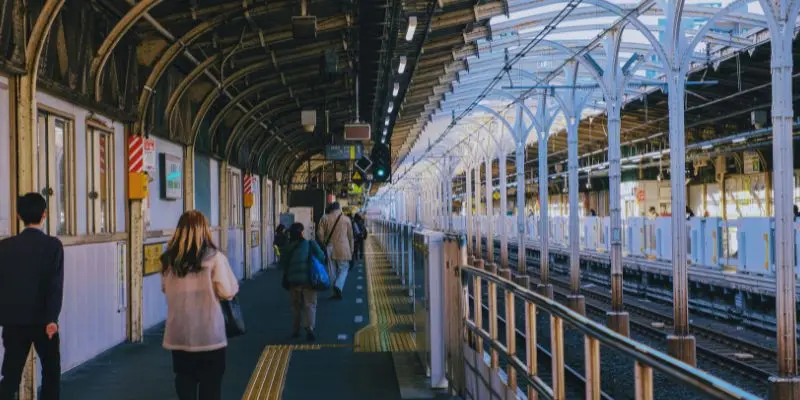
Japan’s transport system is one of the best in the world. It’s fast, clean and extremely punctual. But for first-time visitors, it can feel confusing at first.
Different train companies. Multiple subway lines. JR vs non-JR. Bullet trains. Station exits everywhere.
Don’t worry. Once you understand the basics, it becomes very easy.
JR Lines vs Subway Lines (What’s the Difference?)
This is one of the biggest things to know before visiting Japan.
In major cities like Tokyo and Osaka, you’ll see:
- JR Lines (Japan Rail)
- Subway lines run by city operators
They are different systems, even if they connect at the same station.
If you buy a JR Pass, it only covers JR-operated trains. It does not automatically cover all subways.
For first-time travelers, understanding this prevents ticket confusion.
Is the Japan Rail Pass Worth It?
The JR Pass allows unlimited travel on many JR trains, including most Shinkansen (bullet trains).
But it’s not always cheaper.
It’s usually worth it if :
- You are traveling between multiple cities (Tokyo–Kyoto–Osaka–Hiroshima, etc.)
- You are covering long distances in a short time
If you are staying mainly in one city, you likely don’t need it.
Before booking, calculate your route and compare prices. This is one of the most important things to do before traveling to Japan.
The Shinkansen (Bullet Train)
The Shinkansen is fast, smooth and incredibly punctual.
You can:
- Reserve seats in advance
- Buy tickets at stations
- Use your JR Pass (if valid)
Arrive at the platform a few minutes early. Trains leave exactly on time.
Eating on the Shinkansen is completely acceptable unlike eating while walking in cities.
Avoid Rush Hour in Big Cities
If possible, avoid trains between:
- 7:30–9:00 AM
- 5:30–7:30 PM
In cities like Tokyo, trains can get very crowded during these times.
First-time visitors are often surprised by how packed commuter trains can be.
Travel mid-morning or early afternoon for a more comfortable experience.
Luggage Rules and Tips
Large suitcases can be difficult on busy trains.
Consider:
- Packing light
- Using luggage forwarding services (very common in Japan)
- Booking reserved luggage space on certain Shinkansen routes
Many travelers don’t know this before visiting Japan and end up struggling during transfers.
Train Stations Can Be Huge
Major stations like Tokyo Station or Shinjuku are massive.
Give yourself extra time to:
- Find the correct platform
- Locate the right exit
- Transfer between lines
Clear signs are usually available in English, but stations can still feel overwhelming at first.
Stay calm. Follow signs carefully. Everything is well organized.
Things That Might Surprise First-Time Visitors to Japan
Even if you’ve researched what to know before visiting Japan, some things still feel unexpected once you arrive. Japan is modern, efficient and incredibly organized but it has small cultural details that surprise many travelers.
Here are a few you might not expect.
There Are Vending Machines Everywhere
And I mean everywhere.
On quiet streets. Near temples. Inside train stations. Outside rural houses.
You’ll find vending machines selling:
- Hot and cold drinks
- Coffee
- Tea
- Water
- Even hot meals in some places
They are clean, safe and reliable. It’s one of the small things that makes daily life in Japan feel convenient.
Public Trash Cans Are Rare
Yes, Japan is one of the cleanest countries in the world.
And yes, trash bins are hard to find.
Many public bins were removed years ago for security reasons. Instead, people carry their trash with them and dispose of it later.
It feels strange at first. But it explains why streets stay so clean.
This is one of the most common things first-time travelers wish they knew before going to Japan.
Toilets Are High-Tech
Japan takes bathrooms seriously.
You’ll likely encounter electronic toilets with:
- Heated seats
- Bidet functions
- Adjustable water pressure
- Sound buttons for privacy
At first, the control panel may look complicated. But once you understand it, you might never want to go back.
It’s Extremely Safe
Japan consistently ranks as one of the safest countries in the world.
You’ll notice:
- People leaving belongings unattended
- Children commuting alone
- Clean, well-lit streets at night
Of course, normal travel awareness still applies. But overall, safety is one less thing to worry about.
For many visitors, this level of security is surprising.
Service Is Exceptionally Polite
Staff members greet customers warmly. Train conductors bow. Shop employees thank you sincerely.
Customer service in Japan is built around respect and attentiveness.
You don’t need to tip. But you will receive excellent service almost everywhere.
Stations and Cities Are Quietly Organized
Even busy areas like Tokyo feel orderly.
People stand on one side of escalators. They wait in neat lines. Trains arrive exactly on time.
There’s structure everywhere. It may feel strict at first, but it makes travel smooth.
Bonus Tips for First-Time Visitors to Japan
Japan is full of small surprises that first-time travelers often don’t expect. Here are some insider tips to make your trip smoother:
- Bring a small hand towel – useful in public restrooms without paper towels.
- Convenience stores are amazing – buy meals, snacks, drinks, toiletries and even pay bills.
- Try seasonal food – sakura treats in spring, chestnuts in autumn, shaved ice in summer.
- Use coin lockers – perfect for storing luggage or shopping while exploring.
- Carry a data SIM, eSIM, or pocket WiFi – WiFi isn’t everywhere, and you’ll need maps and translation apps.
- Trains are timed to the minute – plan connections carefully, especially during rush hour.
- Carry your trash – public trash bins are rare, but streets stay clean thanks to cultural habits.
- Bring small gifts – appreciated when visiting homes or meeting locals.
- Use convenience store ATMs – widely available and accept international cards.
- Explore off-the-beaten paths – quiet streets, local cafes and hidden temples often create the most memorable experiences.
Frequently Asked Questions About Traveling to Japan
First-time visitors should know that Japan is organized, safe and welcoming. Planning ahead for transport, accommodation and connectivity makes your trip smoother.
Many places accept cards, but smaller shops, temples and local restaurants often prefer cash. Bringing a small amount of yen for the first day is smart and ATMs in convenience stores like 7-Eleven are widely accessible.
Credit cards are accepted in hotels, department stores and larger restaurants. Smaller shops, street food vendors and some rural accommodations often require cash. Always carry some yen.
Use a prepaid SIM card, eSIM, or pocket WiFi. These options keep Google Maps, translation apps and transit apps working at all times.
Start by choosing the right season, checking visa and travel insurance requirements and booking accommodation early. Learn basic Japanese etiquette, prepare transport cards like Suica or Pasmo, carry some cash and download essential apps for navigation and translation.
Stay quiet on public transport, avoid eating while walking, remove shoes when required, follow queues carefully and don’t tip, service is already included.
Yes. Japan is extremely safe. Streets are clean, crime is low and public transport is reliable. Standard travel precautions apply, but overall, it’s one of the safest countries to visit.