How to Plan Your First Trip: Step-by-Step Beginner’s Guide
Published: 26 Jan 2026
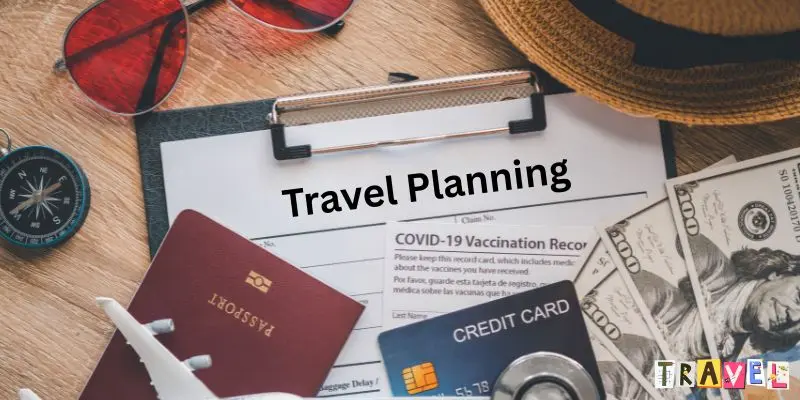
If this is your first trip, you might be wondering where to even start, choosing a destination, booking flights, figuring out a budget… it can feel overwhelming.
Don’t worry, this step-by-step guide will show you exactly how to plan a trip for beginners, so you can enjoy your first adventure without stress.
These tips come from my own travel experiences, so you’ll get practical advice that actually works. With a little preparation, you’ll learn how to choose the right destination, set a budget, book flights and accommodation, pack smart and stay safe on the road.
Follow these steps, and your first travel experience will be smooth, enjoyable and memorable.
Step 1 – Decide Your Travel Destination
Choosing the right destination is the first step in planning your trip. For first-time travelers, pick a place that matches your interests, budget and comfort level.
- Consider the best destination for first-time travelers with a mix of attractions, safety, and ease of travel
- Decide between domestic or international travel based on comfort and experience
- Check safety, language and accessibility before choosing your location
- Look for destinations with good infrastructure and convenient transportation
- Prioritize places where you can explore comfortably and enjoy your first travel experience
Step 2 – Set a Travel Budget for Your First Trip
A clear budget helps you plan your first trip without stress and keeps your finances under control. Start with the essentials, then add a little extra for unexpected expenses.
- Estimate major costs like flights, accommodation, meals, local transport and activities
- Allocate an emergency fund (around 10–15% of your total budget)
- Decide your travel style, budget-friendly, mid-range or luxury
- Use a spreadsheet or travel app to organize and track expenses
- Research destination costs in advance to avoid surprises
- Stick to your budget but allow some flexibility for experiences
To make budgeting even easier, check out my Travel Budget Calculator to plan your expenses before your trip.
Step 3 – Choose the Best Time to Travel
Picking the right time to travel can make your first trip more enjoyable and affordable. Consider weather, crowds and costs to get the best experience.
- Check the weather and season at your destination to avoid extreme conditions
- Compare peak season vs off-season for crowds, prices and availability
- Be flexible with dates to find cheaper flights and accommodation
- Look for local festivals or events that might enhance your trip
- Consider holiday schedules to avoid busy travel periods
- Factor in your own availability and personal schedule for convenience
Step 4 – Check Passport, Visa & Travel Requirements
Before booking your trip, make sure all your travel documents are valid and up to date. Proper preparation helps you avoid delays and travel stress.
- Check passport validity (usually at least 6 months beyond your return date)
- Verify visa requirements for your destination and apply in advance if needed
- Look into travel insurance to cover medical emergencies, cancellations or lost belongings
- Research vaccinations or health certificates required for your destination
- Keep digital copies of all documents in your email or cloud storage
- Pack all documents in a secure travel wallet or folder for easy access
Step 5 – Book Flights the Smart Way
Booking your flights carefully can save money and reduce travel stress. Planning ahead helps you find the best deals and smooth connections.
- Book flights 2–4 months in advance for the best prices on most destinations
- Decide between direct flights for convenience or connecting flights for cost savings
- Sign up for fare alerts on flight comparison sites to track price drops
- Compare airlines and routes before booking to find the best schedule
- Check baggage allowances to avoid extra fees
- Confirm cancellation or change policies for flexibility
For more tips, check out my guide on How to Find Cheap Flights to save big on your trip.
Step 6 – Choose the Best Accommodation for First-Time Travelers
Picking the right place to stay can make your first trip comfortable and stress-free. Focus on safety, convenience and comfort when choosing accommodation.
- Decide between hotels, hostels or vacation rentals depending on your budget and travel style
- Choose a safe and central location close to attractions or public transport
- Read reviews carefully to check cleanliness, service, and guest experiences
- Check amenities like Wi-Fi, breakfast or laundry facilities that suit your needs
- Confirm cancellation policies to allow flexibility in case plans change
- Compare prices on trusted booking platforms before finalizing
Step 7 – Create a Simple Travel Itinerary
A well-planned itinerary keeps your first trip organized while leaving room for flexibility and fun. Focus on the must-see experiences without overloading your schedule.
- List must-see attractions and activities at your destination
- Organize a day-by-day plan but leave free time for relaxation or spontaneous adventures
- Factor in transportation time between locations
- Avoid cramming too many activities in one day to prevent burnout
- Prioritize experiences that match your interests and travel goals
- Keep a digital or printed copy of your itinerary for easy reference
Step 8 – Plan Local Transportation in Advance
Knowing how you’ll get around makes your first trip smoother and more enjoyable. Planning transportation ahead saves time, money and stress.
- Research public transport options such as buses, trains or metro systems
- Consider taxis, ride-sharing apps or car rentals depending on your comfort level
- Pre-book transportation when possible, especially for airport transfers or popular tours
- Check local transport schedules and operating hours
- Learn about local customs and safety tips for public transportation
- Keep maps or navigation apps handy for easy navigation
Step 9 – Packing Tips for Your First Trip
Packing smart helps you travel lighter, stay organized and avoid last-minute stress. Focus on essentials and versatile items for your first trip.
- Make a packing checklist based on your destination, weather, and activities
- Pack versatile clothing that can be mixed and matched
- Use packing cubes or organizers to save space and stay organized
- Check airline luggage restrictions for carry-on and checked baggage
- Bring essential toiletries and medications in travel-sized containers
- Include important items like chargers, travel documents and a small first-aid kit
To make packing even easier, check out my Ultimate Travel Packing Tips — it’s designed for first-time travelers to save time and stress.
Step 10 – Money, Safety & Connectivity Tips
Managing money, staying safe and staying connected are essential for a smooth first trip. Preparing these in advance reduces stress and keeps you confident on the road.
- Carry a mix of cash and cards, and notify your bank about travel plans
- Use travel insurance to cover emergencies, cancellations, or lost items
- Keep emergency contacts handy, both locally and at home
- Stay aware of local safety tips and avoid risky areas
- Get a local SIM card or international roaming plan for internet access
- Use apps for navigation, translation and emergency services
Step 11 – Final Travel Checklist Before Departure
Before you leave, double-check everything to ensure a smooth first trip. A quick review of essentials prevents last-minute stress and forgotten items.
- Reconfirm all bookings for flights, accommodation, and activities
- Organize travel documents like passport, visa, tickets, and insurance
- Pack all essential items including chargers, toiletries, and medications
- Leave a copy of your itinerary with family or friends for safety
- Check local currency and payment methods one last time
- Ensure your luggage meets airline requirements
Planning your first trip can be exciting, but even experienced travelers make mistakes. Check out my Travel Mistakes to Avoid guide so you can travel smarter from day one.
Conclusion
Planning your first trip doesn’t have to be overwhelming. By following these steps, choosing a destination, setting a budget, booking flights and accommodation, packing smart and staying safe, you can travel with confidence and enjoy every moment. Remember, flexibility and preparation are key. Use this guide as your road map and take the first step toward creating unforgettable travel memories.
Once you’ve completed your first trip, you might already be dreaming about the next one. Check out my guide on Plan Your Next Trip Like a Pro to keep your travels organized and stress-free.
FAQs
For most first-time travelers, planning 2–4 months in advance helps you get the best flight and accommodation deals while leaving enough time for preparation.
Choose a destination that matches your interests, comfort level, and budget. Domestic trips are simpler, while international trips offer cultural experiences but require more planning.
Set a clear budget, travel during the off-season, book flights in advance, compare accommodation options, and use public transportation whenever possible.
Pack versatile clothing, essential toiletries, travel documents, chargers, and a small first-aid kit. Avoid overpacking and use packing organizers to save space.
Carry a mix of cash and cards, get travel insurance, stay aware of local safety tips, keep emergency contacts handy, and stay connected with a local SIM or roaming plan.